
Tree Climbing in Public Parks: Legal Rules and Restrictions
Understand the laws and regulations governing tree climbing in public parks across the United States.
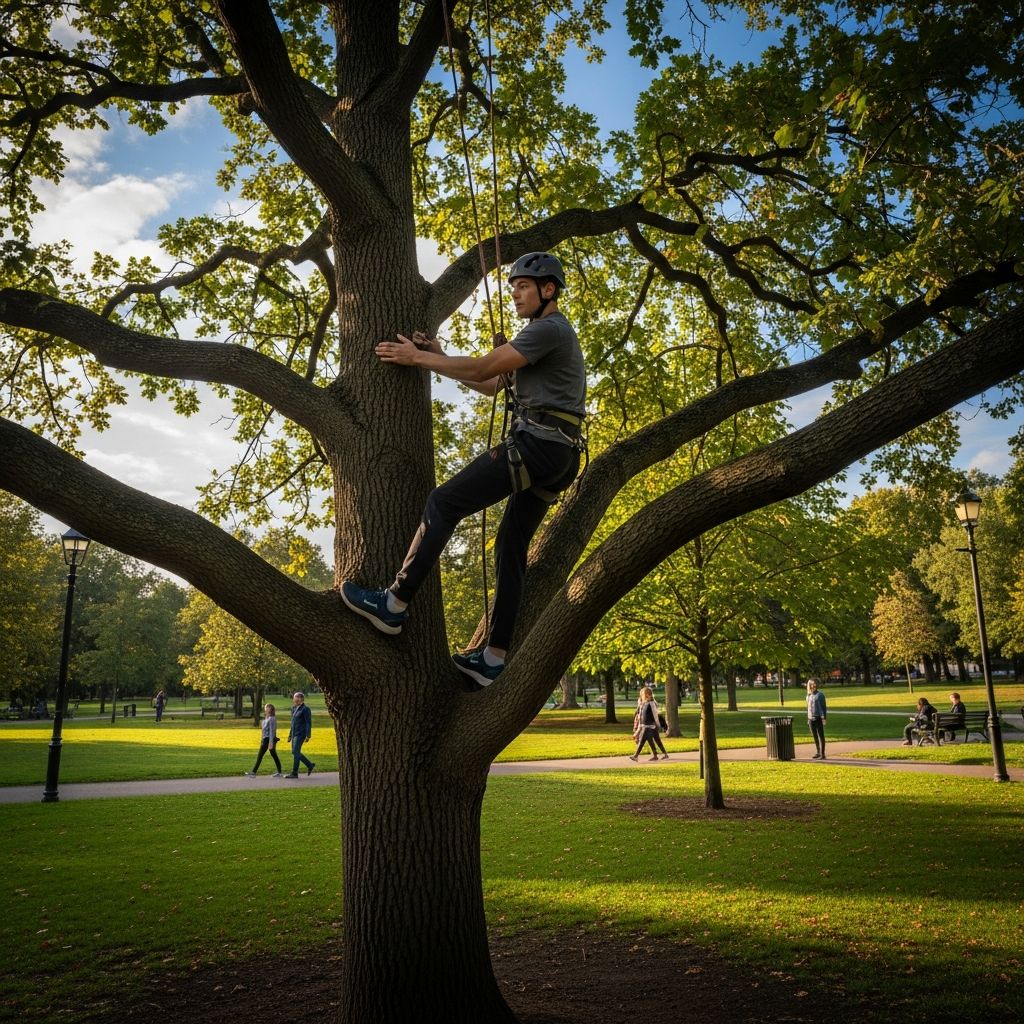
Understanding Tree Climbing Regulations in Public Parks
Tree climbing is a recreational activity that appeals to people of all ages, offering physical challenge, connection with nature, and adventure. However, the legality of climbing trees in public parks varies significantly depending on the location, jurisdiction, and specific park regulations. Before you attempt to scale a tree in any public space, it is essential to understand the applicable laws and restrictions that may apply. This comprehensive guide explores the regulatory landscape surrounding tree climbing in different types of public parks and outdoor spaces.
National Parks and Federal Lands Restrictions
One of the most important restrictions to be aware of concerns climbing activities in America’s National Park System. Tree climbing is essentially prohibited in all U.S. National Parks. This blanket restriction applies to famous destinations like Yosemite National Park, Grand Canyon National Park, and other protected federal lands. The National Park Service maintains this policy to protect visitors, preserve park ecosystems, and maintain the integrity of natural resources.
Beyond National Parks, federal lands managed by the U.S. Forest Service and Bureau of Land Management also maintain varying restrictions on tree climbing and related activities. Fortunately, significant progress has been made in clarifying climbing policies on these federal lands. President Biden signed the EXPLORE Act on January 4, 2025, which includes the Protecting America’s Rock Climbing (PARC) Act. While this legislation primarily addresses rock climbing and fixed anchors, it establishes a framework for fair and consistent guidance for climbing activities on federal lands while protecting existing routes and ensuring public input on future policies.
State and Local Park Regulations
State parks present a more complex regulatory picture than National Parks. Many state parks have implemented rules against tree climbing, though the specifics vary by state and individual park. Some states maintain general prohibitions, while others allow tree climbing under certain conditions or in designated areas. The absence of uniform national standards means that recreational climbers must research local regulations before visiting specific parks.
Local municipal parks often have their own ordinances governing tree climbing and other recreational activities. City parks departments typically establish rules based on safety considerations, liability concerns, and environmental protection. Some municipalities strictly prohibit tree climbing altogether, while others permit it in designated areas or under specific circumstances. Property owners and park visitors should consult their local park department’s website or contact the parks authority directly to determine what activities are permitted in their area.
Safety Considerations and Liability Issues
The prohibition of tree climbing in many public parks stems partly from legitimate safety and liability concerns. While recreational tree climbing itself is considered relatively safe compared to rock climbing when proper techniques are employed, public parks authorities must consider the risks to inexperienced climbers, the potential for falls and injuries, and the liability exposure that parks face when accidents occur. Parks are legally obligated to maintain safe conditions for all visitors and may restrict activities that increase accident risk or legal liability.
Additionally, parks must protect trees themselves from damage caused by climbing. Repeated climbing can damage bark, break branches, harm root systems, and stress trees, particularly younger or smaller specimens. By restricting climbing access, parks can preserve tree health and longevity, which serves the broader goal of maintaining healthy park ecosystems.
Environmental and Conservation Concerns
Beyond immediate safety issues, environmental protection represents a significant reason for implementing tree climbing restrictions in many public parks. Trees serve essential ecological functions, including providing habitat for birds and other wildlife, filtering air and water, and supporting broader ecosystem health. Unrestricted climbing can damage trees and disrupt wildlife habitat, particularly during nesting or breeding seasons.
Parks authorities must balance recreational access with conservation goals. Protected species regulations may apply in certain parks, especially if trees provide habitat for endangered birds or other animals. In addition, some parks protect specific tree species that are rare, old-growth, or otherwise ecologically significant. These considerations often supersede recreational interests and justify restrictions on climbing activities.
Private Property and Tree Climbing Laws
Tree climbing regulations extend beyond public parks to address trees on private property. Many jurisdictions have enacted ordinances addressing the maintenance and condition of trees on private land, particularly when trees overhang public spaces. While these regulations primarily concern tree maintenance and hazard mitigation, they illustrate the broader legal framework governing tree-related activities.
For example, some municipalities require property owners to maintain tree limbs at specific heights above sidewalks and streets for public safety. Unauthorized tree climbing on private property constitutes trespassing and can result in criminal or civil liability. Even with permission from a property owner, tree climbing on private land may violate local ordinances if the activity endangers public safety or damages the tree.
Permitted Tree Climbing Activities and Exceptions
While restrictions are common, some parks and jurisdictions do permit tree climbing under specific conditions. Certain state parks designate areas where climbing is allowed or offer organized tree climbing programs with trained instructors and proper safety equipment. Some communities have installed climbing trees or adventure parks that provide dedicated spaces for this activity, complete with safety features and proper maintenance.
Arboriculture and forestry work involving tree climbing typically receive exemptions from recreational climbing restrictions. Professional tree care workers, certified arborists, and forestry personnel may be permitted to climb trees as part of their work, though they must comply with occupational safety standards and obtain appropriate permits or authorization from land managers.
How to Determine Local Tree Climbing Rules
Because regulations vary so significantly by location, the first step before climbing any tree in a public space is to research applicable local rules. Consider taking these approaches:
- Contact your local parks and recreation department directly by phone or email to ask about tree climbing policies
- Visit the official website for the specific park you plan to visit and review posted rules and regulations
- Check for posted signs at park entrances and trailheads that indicate what activities are permitted
- Review municipal ordinances and park codes available through your city or county government website
- Connect with local climbing organizations or outdoor recreation groups familiar with regional policies
- Ask park rangers or staff members in person about permitted activities
Alternative Tree Climbing Opportunities
If tree climbing is prohibited in your area’s public parks, several alternatives may provide similar experiences. Commercial tree climbing parks and adventure courses have become increasingly popular in recent years, offering guided climbing experiences on specially maintained trees or artificial structures with professional safety equipment and trained staff. These facilities provide the excitement and physical challenge of tree climbing in a controlled, safe environment.
Some parks and nature centers offer organized tree climbing programs or classes, often led by trained instructors who teach proper climbing techniques and safety practices. These programs may take place on designated trees or structures within the park and provide both education and recreation. Additionally, rock climbing gyms and outdoor rock climbing areas provide similar athletic challenges in environments where the activity is explicitly permitted.
Changes in Federal Climbing Policy
Recent legislative changes have improved clarity regarding climbing activities on federal lands. The PARC Act requires federal agencies to create clear guidelines for managing climbing and codifies that fixed anchors are appropriate in Wilderness areas. Additionally, existing climbing routes established as of January 4, 2025 are now permanently protected and can continue to be used and maintained. This landmark legislation protects America’s climbing heritage while ensuring the climbing community has a voice in future management policies.
However, individual agencies still maintain authority over climbing management on their specific lands. The U.S. Forest Service, which oversees about 30% of America’s climbing areas, was required to establish national guidelines under the PARC Act framework. Federal agencies retain the right to manage and regulate climbing to conserve public lands, ensure environmental sustainability, and maintain Wilderness area integrity.
Responsible Recreation and Climbing Ethics
Whether tree climbing is permitted in a particular location or not, those who do climb should commit to responsible outdoor practices. Leave No Trace principles guide ethical recreation by minimizing environmental impact, respecting wildlife, and protecting natural resources for future generations. Climbers should avoid damaging trees, stay on established routes and trails, pack out all equipment and trash, and respect seasonal closures or restrictions designed to protect wildlife or vegetation.
Building positive relationships with land managers, local communities, and Indigenous tribes strengthens support for recreational access. When climbers demonstrate responsibility and respect for natural spaces and management authority, they create opportunities for continued or expanded access to climbing areas. The climbing community’s commitment to responsible practices directly influences the future of tree climbing regulations and opportunities.
Frequently Asked Questions About Tree Climbing in Public Parks
Q: Can I climb trees in U.S. National Parks?
A: No, tree climbing is prohibited in all U.S. National Parks. This restriction applies to all areas within the National Park System, including famous destinations like Yosemite and Grand Canyon.
Q: Are there any exceptions to tree climbing bans?
A: Some state parks and local parks permit tree climbing in designated areas or through organized programs. Additionally, professional arborists and forestry workers may be exempted when engaged in work-related activities. Contact your specific park for details.
Q: What should I do before attempting to climb a tree in a public park?
A: Always research local regulations first by contacting your parks department, checking the park’s official website, and reviewing posted signs. Never assume tree climbing is permitted without confirmation.
Q: How does the PARC Act affect tree climbing on federal lands?
A: While the PARC Act primarily addresses rock climbing and fixed anchors, it establishes a framework requiring federal agencies to develop fair and consistent guidelines for climbing activities. The law protects existing routes and requires public input on future climbing policies.
Q: What are the risks of climbing trees illegally in parks?
A: Climbing trees where prohibited can result in fines, citations, or arrest. Additionally, unpermitted climbing risks injury or death, and climbers may face liability for any damage caused to park property or trees.
Q: Are there legal alternatives to public park tree climbing?
A: Yes, commercial adventure parks, organized guided climbing programs, rock climbing gyms, and authorized guided tree climbing experiences offer legal alternatives that provide similar recreation in controlled environments.
References
- A New Era for Climbing: PARC Act’s Impact and the Path Forward — Access Fund. 2025-01-04. https://www.accessfund.org/latest-news/a-new-era-for-climbing-parc-acts-impact-and-the-path-forward
- Search- VA Tree Ordinances — Virginia Tech Forest Resources and Environmental Conservation. http://vtod.frec.vt.edu/results.cfm?hazard=all
- Code of Virginia Code – Chapter 2. Parks and Recreation — Virginia Legislative Information System. https://law.lis.virginia.gov/vacodefull/title10.1/chapter2/
- Go Climb A Tree! — Outdoor Education Adventures. https://outdooredadventures.com/go-climb-a-tree/
- Recreation climbing and the law? — Arbtalk. https://arbtalk.co.uk/forums/topic/31948-recreation-climbing-and-the-law/
Similar Articles








Read full bio of medha deb


