
Texting While Cycling: Legal Status and Safety Risks
Uncover the legal landscape of using phones on bikes, hidden dangers, and essential safety tips for cyclists nationwide.
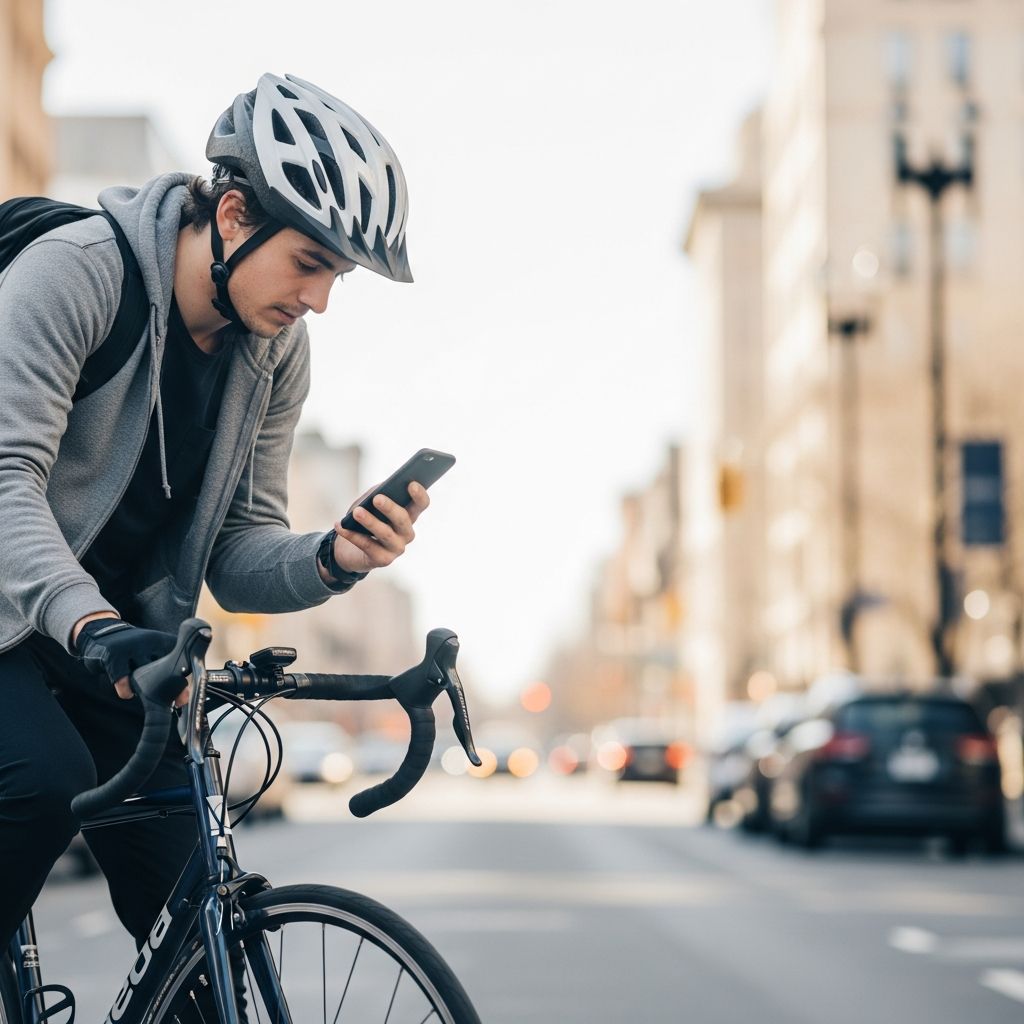
Cyclists increasingly rely on smartphones for navigation, communication, and entertainment, but using devices while pedaling raises significant safety and legal concerns across the United States. While federal guidelines emphasize undivided attention on the road, specific prohibitions on texting or phoning during bike rides vary widely by jurisdiction, often treating bicycles as vehicles subject to general traffic rules rather than targeted bans.
The Evolving Legal Framework for Distracted Cyclists
Bicycles are legally classified as vehicles in most states, obligating riders to adhere to the same roadway rules as motorists, including prohibitions on reckless or inattentive operation. However, explicit bans on cellphone use while cycling remain limited. For instance, no nationwide statute directly criminalizes texting on a bike, leaving enforcement to broader negligence doctrines or local ordinances.
In Florida, state law under §316.2065 mandates safe bicycle operation but stops short of banning electronic devices outright. Instead, it restricts headset or earbud use on roadways, with exceptions for hearing aids or single-ear devices for calls. This reflects a patchwork approach where cyclists bear equivalent responsibilities to drivers for maintaining control and awareness.
Urban areas have pioneered stricter measures. New York City Council initiatives, such as proposals from Brooklyn’s Mark Treyger, seek to impose fines—starting at $50 for first offenses—if distracted phone use contributes to accidents. These build on precedents like Chicago’s 2016 ordinance prohibiting cyclists from using handheld devices on streets, sidewalks, or bike paths. Advocates tie such rules to Vision Zero initiatives aimed at eliminating traffic deaths.
| Location | Prohibited Actions | Penalties | Year Enacted |
|---|---|---|---|
| Chicago, IL | Handheld device use while cycling | Fines up to $500 | 2016 |
| New York City (Proposed) | Texting/talking on phone | $50 first offense, escalating | Pending |
| Florida (Statewide) | Headsets/earbuds (limited) | Citations under traffic safety | 2015 |
Where no specific laws exist, courts apply negligence principles. A cyclist glued to their screen may be deemed at fault in collisions, reducing compensation claims or inviting counter-suits. This gap underscores why many experts urge self-regulation, as legal ambiguity does not equate to safety.
Why Distracted Cycling Poses Deadly Hazards
Texting diverts eyes from the road for an average of 4.6 seconds per message—equivalent to blind driving at 55 mph. For cyclists, lacking a car’s protective shell, this multiplies vulnerability. Bicyclist fatalities have surged in states like Florida, tripling for adults over 20 in recent decades amid rising urban bike traffic.
Key dangers include:
- Reduced Reaction Time: Missing potholes, grates, or sudden pedestrian movements.
- Visibility Loss: Failing to signal turns or yield, endangering motorists and pedestrians.
- Balance Disruption: Single-handed steering while typing invites swerves into traffic.
- Auditory Impairment: Paired with earbuds, cyclists miss horns, sirens, or verbal warnings.
The National Highway Traffic Safety Administration (NHTSA) explicitly warns against any distraction, including texting or music, that removes focus from traffic. Bikes must be ridden predictably: with both hands on handlebars, obeying signals, and scanning for hazards like toys or tracks.
Common Injuries from Distracted Bike Crashes
When inattention leads to impact, outcomes are often catastrophic due to bikes’ exposure. Motorists enjoy steel frames and airbags; cyclists rely on helmets (mandatory under 14 in many states) and reflexes alone. Prevalent injuries include:
- Traumatic brain injuries from head strikes.
- Spinal cord damage causing paralysis.
- Fractured bones in limbs and shoulders.
- Whiplash and neck strains.
- Soft tissue tears and road rash.
- Internal organ trauma from torso impacts.
These not only inflict immediate pain but trigger long-term medical costs, lost wages, and emotional distress. Statistics from NHTSA highlight bicycles’ role in 1,000+ annual U.S. fatalities, many preventable through focus.
State-by-State Snapshot of Bicycle Distraction Laws
Laws differ sharply:
- California: Cyclists must not hold phones obstructing normal operation; $20–$50 fines.
- Illinois (Chicago): Full handheld ban on public ways.
- New York: No statewide ban, but proposals advance; general vehicle rules apply.
- Florida: Audio device limits; safe operation required.
- Texas: Bans texting for all vehicles, debatably including bikes.
Riders should consult local codes, as sidewalk riding legality and helmet mandates further complicate compliance.
Safety Best Practices to Avoid Legal and Physical Pitfalls
Even sans bans, prudence demands phone-free rides. NHTSA-endorsed strategies include:
- Plan routes via apps pre-ride, using mounts for hands-free GPS.
- Secure loads in backpacks; keep hands on bars.
- Signal all maneuvers; scan shoulders before turns.
- Use bells for passing; ride with traffic flow.
- Pull over safely for calls or texts.
Enhance visibility with lights, reflectors, and bright gear, especially dusk. Helmets slash head injury risk by 60%, per federal data.
Navigating Insurance and Liability After a Crash
In accidents, proof of distraction can bar recovery. Insurers scrutinize phone records, footage, or witnesses to apportion fault—e.g., 70% to a texting cyclist, 30% to a speeding driver. Victims may counter with other parties’ negligence, but settlements dwindle if self-distraction is evident.
Personal injury counsel proves invaluable: dissecting statutes, negotiating claims, and litigating disputes. Firms specializing in bike wrecks assess jurisdiction-specific liabilities, ensuring fair compensation for rehab, therapy, and pain.
Frequently Asked Questions (FAQs)
Is it illegal to text while biking in most U.S. states?
No blanket federal or uniform state ban exists, but cyclists must ride safely as vehicles. Local rules in places like Chicago prohibit it; negligence applies everywhere.
What happens if a distracted cyclist causes an accident?
Liability follows negligence: fines ($50+), civil suits for damages, and denied insurance if at fault.
Are earbuds allowed while cycling?
Restricted in Florida and similar states on roads; NHTSA advises against any auditory distraction.
Do bike helmet laws intersect with distraction rules?
Often yes—many states mandate helmets for minors, amplifying injury risks from inattention.
How can I safely use my phone on a bike?
Mount for navigation, voice commands only, or dismount fully. Prioritize road awareness.
Conclusion: Prioritize Focus for Safer Roads
As cycling surges for fitness and commuting, so do risks from digital distractions. While laws lag, safety demands undivided attention. Riders, motorists, and lawmakers must collaborate via education, enforcement, and infrastructure to curb tragedies. Heed NHTSA: eyes up, hands on, ride alive.
References
- Texting & Biking — Law Offices of Michael B. Brehne, P.A. 2023. https://www.brehnelaw.com/texting-and-biking/
- Push to ban use of cellphones while biking in New York City — ABC7NY. 2016-10-01. https://abc7ny.com/post/push-to-ban-use-of-cellphones-while-biking-in-new-york-city/390554/
- Bicycle Safety — National Highway Traffic Safety Administration (NHTSA). 2025-05-15. https://www.nhtsa.gov/road-safety/bicycle-safety
Similar Articles








Read full bio of Sneha Tete


