
Texas Seller’s Permit: Complete Compliance Roadmap
Comprehensive guide to obtaining and managing a Texas seller's permit for compliant business operations in 2026.
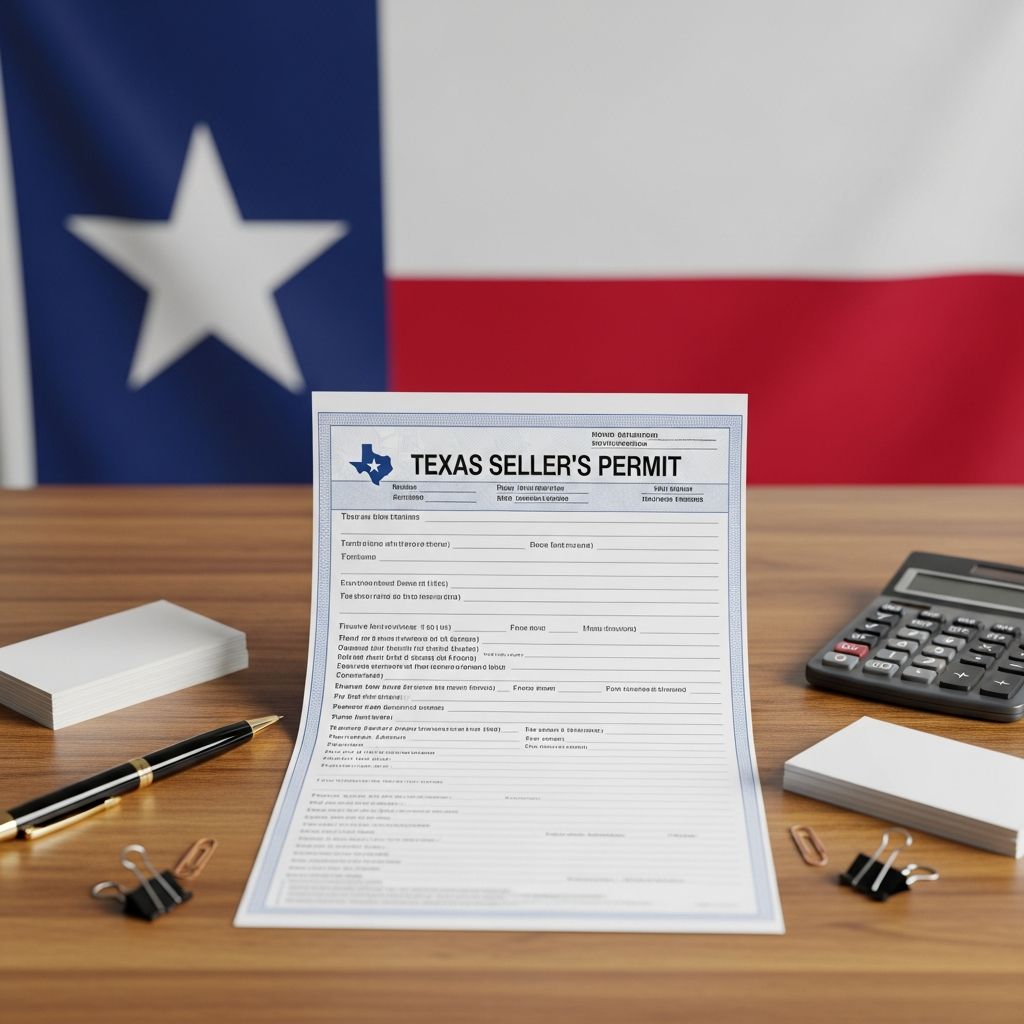
Launching or expanding a business in Texas involves navigating various regulatory requirements, with the seller’s permit standing out as a critical component for those dealing in taxable goods and services. Issued by the Texas Comptroller of Public Accounts, this permit—also called a sales and use tax permit—authorizes businesses to collect and remit sales tax on qualifying transactions. Understanding its necessity ensures legal operation and avoids costly penalties.
Defining the Texas Seller’s Permit and Its Core Purpose
The Texas seller’s permit serves as official authorization for businesses to engage in the sale, lease, or rental of tangible personal property and specific taxable services within the state. Tangible personal property includes any physical items customers can touch, such as clothing, electronics, furniture, or equipment. Taxable services might encompass repairs, installations, or certain professional offerings designated by state law. Without this permit, businesses risk being held personally liable for uncollected taxes, plus interest and fines.
Businesses must secure a separate permit for each active location where they receive three or more orders for taxable items annually. This includes outlets, offices, or warehouses operated by the seller, agent, or employee. The permit remains non-transferable, meaning new owners or locations require fresh applications.
Business Types Mandated to Obtain a Permit
Nearly all entities selling taxable items in Texas require a permit, regardless of structure. This encompasses:
- Sole proprietorships and individuals selling more than two taxable items per calendar year.
- Partnerships, LLCs, and corporations formed in Texas or out-of-state but conducting business within the state.
- Retail stores, e-commerce platforms, and marketplaces handling physical goods or taxable services.
- Leasing or rental operations for equipment, vehicles, or property.
Even minors can apply via parents or guardians, provided applicants are at least 18 or have proper representation. Exemptions are narrow, typically limited to purely intangible sales like digital downloads without physical components or fully exempt services.
Understanding Nexus: The Trigger for Permit Requirements
Nexus establishes the connection obligating a business to Texas sales tax rules. It falls into two primary categories:
- Physical Nexus: Arises from a tangible presence, such as stores, offices, warehouses, employees, or inventory storage (e.g., Amazon FBA facilities) in Texas.
- Economic Nexus: Activates for remote sellers exceeding $500,000 in gross Texas sales over the prior 12 months. Registration is required by the first day of the fourth month after surpassing this threshold. Texas omits a transaction count, focusing solely on revenue.
Marketplace facilitators, like online platforms, may handle collection for sellers, but individual vendors must still assess personal nexus. Non-residents shipping into Texas or meeting economic thresholds face identical rules.
Step-by-Step Application Process for Your Permit
Obtaining a Texas seller’s permit is straightforward via online or mail methods, with no direct state fee—though security bonds may apply for higher-risk applicants. Prepare these essentials beforehand:
| Requirement | Details |
|---|---|
| Identification | SSN for sole proprietors; EIN for entities; Texas file number for corporations. |
| Business Info | Legal name, DBA, addresses, NAICS code, owner/officer details (names, SSNs, DOBs). |
| Operations | Estimated monthly taxable sales, list of Texas locations. |
| Age | 18+ or guardian for minors. |
Online Application: Access the Texas Comptroller’s eSystems portal at comptroller.texas.gov, select ‘Sales Tax Permit Application,’ create a profile, and submit as a new applicant. Processing typically takes 2-4 weeks.
Mail Option: Download Form AP-201, complete it, and send to the Comptroller’s office. Expect longer turnaround times.
Post-approval, display the permit visibly at each location, begin collecting tax, and file returns on your assigned schedule (monthly, quarterly, or annual—even if zero tax is due).
Sales Tax Rates and Collection Obligations
Texas imposes a base state sales tax of 6.25%, with local jurisdictions adding up to 2% for combined rates reaching 8.25%. Businesses calculate tax on taxable sales at checkout, remit collected amounts to the Comptroller, and maintain detailed records for audits.
Key rules include:
- Tax only tangible goods and specified services; exempt food staples, prescription drugs, and certain manufacturing items.
- Collect on leases/rentals based on payment schedules.
- File returns via eSystems, with penalties for late submissions.
Special Rules for Online and Remote Sellers
E-commerce thrives in Texas, but so do compliance demands. Residents and non-residents alike need permits if selling taxable items into the state. Online sellers establish nexus via economic thresholds or physical ties like fulfillment centers.
Marketplace providers (e.g., Amazon, eBay) collect tax for many transactions post-2019 rules, but direct-to-consumer sellers must register independently if thresholds are met. Non-residents review ‘engaged in business’ definitions, including delivery methods and agent activities.
Temporary sellers at events, markets, or shows require permits—no occasional sale exemptions exist.
Post-Permit Responsibilities and Common Pitfalls
Securing the permit launches ongoing duties:
- Display and Renew: Post at business sites; permits don’t expire but update for changes.
- Record-Keeping: Retain sales records for four years.
- Bonds: High-volume or new businesses may post security (e.g., cash, surety) based on estimated sales.
- Multiple Locations: Separate permits per outlet with unique numbers.
Avoid pitfalls like underestimating nexus, misclassifying taxable items, or skipping zero-return filings, which trigger penalties up to 50% of tax due plus interest.
Costs, Processing Times, and Support Resources
The permit is free, but third-party services charge fees, and bonds range from $500 to multiples of estimated tax liability. Online apps process in 2-4 weeks; paper longer. Contact the Comptroller at 1-800-252-5555 or via Webfile for assistance.
Frequently Asked Questions (FAQs)
Do I need a seller’s permit for exempt sales only?
Yes, registration is required upon nexus, even for exempt sales, to comply with state rules.
How soon must remote sellers register after hitting $500,000?
By the first day of the fourth month following the threshold.
Can I use one permit for multiple Texas locations?
No, each active place of business needs its own permit.
Is there a fee for the Texas seller’s permit?
No state fee, but bonds may be required for some applicants.
What if I sell online from out-of-state?
You need a permit if you meet economic nexus or have physical presence.
Staying Compliant in a Changing Tax Landscape
Texas sales tax evolves with commerce trends, emphasizing digital sales and marketplace rules since 2019. Regularly check Comptroller updates, use tools like Webfile for filings, and consult professionals for complex scenarios. Proper management safeguards revenue and fosters growth in Texas’s vibrant economy.
References
- How to Get a Sales Tax Permit in Texas? (2026) — Tailor Brands. 2026. https://www.tailorbrands.com/blog/sales-tax-permit-in-texas
- Texas Seller’s Permit: How to Apply, Cost & Online Selling Rules — Wise. 2026. https://wise.com/us/blog/texas-sellers-permit
- Texas Sales Tax Permit: Step-by-Step Registration Instructions — Hands Off Sales Tax. 2026. https://handsoffsalestax.com/sales-tax-permit-texas/
- Sales Tax Permit Requirements — Texas Comptroller of Public Accounts. 2026-02-09. https://comptroller.texas.gov/help/sales-tax-registration/requirements.php/
- Texas Sales and Use Tax Frequently Asked Questions — Texas Comptroller of Public Accounts. 2026-02-09. https://comptroller.texas.gov/taxes/sales/faq/permit.php
- 2026 Texas Sales Tax Guide: Rates, Nexus & Compliance — VAT IT. 2026. https://vatit.com/state-guide/texas/
Similar Articles








Read full bio of Sneha Tete


