
Texas Legislative Landscape: Civil Liberties Policy Shifts
Assessing the impact of recent Texas legislation on civil liberties and rights.
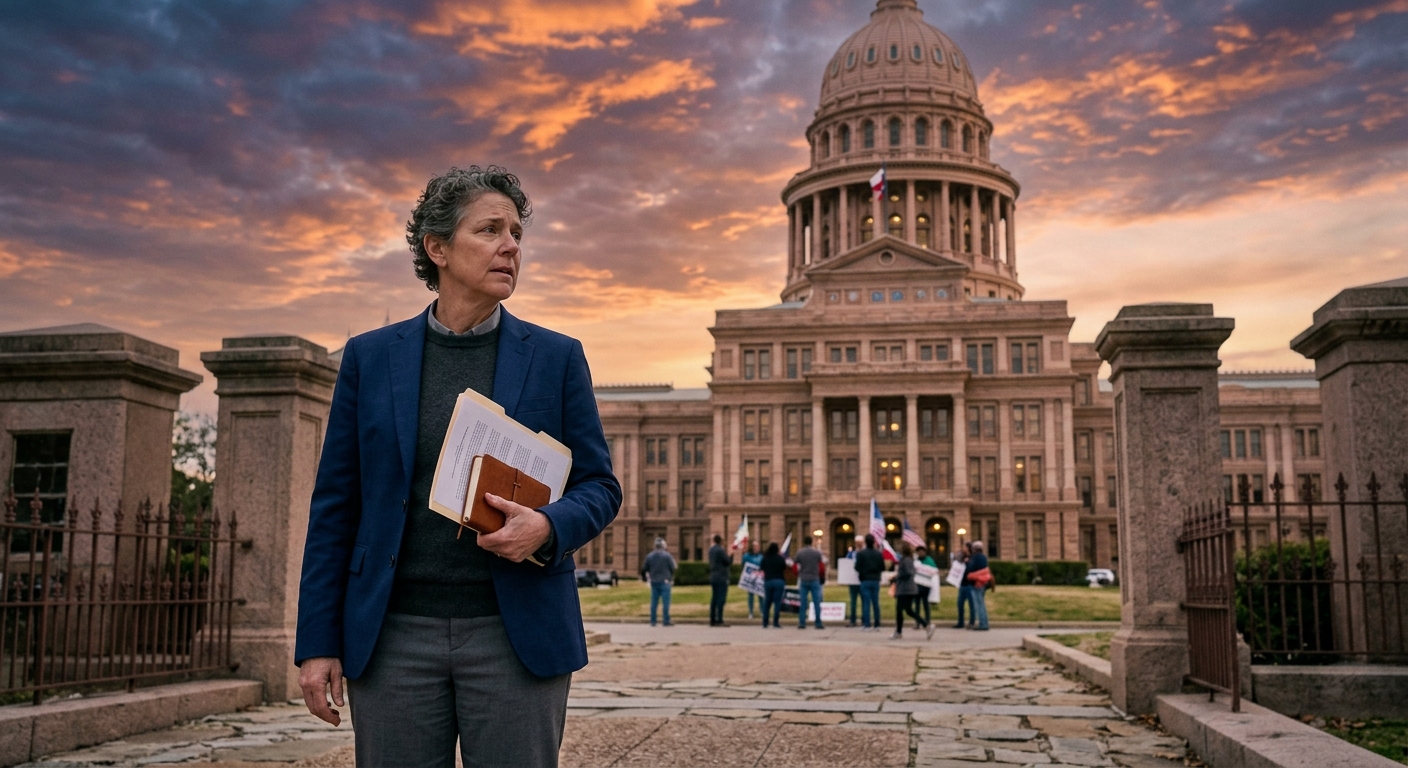
Navigating the Texas Legislative Landscape: A Deep Dive into Civil Liberties and Policy Shifts
The political climate in the state of Texas has evolved into a high-stakes arena for deeply ideological battles, drawing intense national scrutiny and setting precedents that reverberate across the country. Over recent legislative sessions, lawmakers have pivoted aggressively toward what political analysts and advocacy organizations universally describe as “culture war” legislation. Instead of focusing heavily on systemic infrastructure reform, economic parity, or robust healthcare expansions, the legislative majority has channeled significant time, resources, and taxpayer dollars into enacting policies that drastically reshape the civil liberties landscape. Because Texas is one of the largest and most influential states, these policy shifts often serve as a legislative blueprint for other state governments seeking to enact similar measures. From the voting booth to the classroom, and from doctors’ offices to school athletic fields, recent state statutes have sparked fierce debates about constitutional rights, state power, and the marginalization of vulnerable populations.
These sweeping legislative efforts span a wide array of domains, fundamentally altering the rights of millions. The primary areas of impact include:
- Electoral access and administration: Reforming voting methods, altering mail-in ballot procedures, and introducing new penalties for election workers.
- Classroom curricula and academic freedom: Restricting the discussion of historical racism, current events, and civil rights movements in public schools.
- Reproductive healthcare and bodily autonomy: Enacting strict gestational limits on reproductive care alongside novel civil enforcement mechanisms.
- LGBTQ+ rights and youth protections: Regulating youth participation in athletics and severely restricting access to gender-affirming medical care.
By dissecting these sweeping policy shifts, one can gain a clearer understanding of how legislative priorities in Texas are altering daily life. This analysis unpacks these legislative maneuvers, exploring their legal frameworks, real-world consequences, and the robust resistance they have provoked from civil rights defenders.
Reformatting the Ballot Box: The Tension Between Election Integrity and Voter Access
A functioning democracy requires the unimpeded right of its citizens to participate in the electoral process. However, recent actions by the Texas legislature have fundamentally altered how, when, and where residents can cast their ballots. A prime example is the passage of comprehensive election overhauls, most notably characterized by Senate Bill 1. Proponents of the legislation argued that stringent new rules were absolutely necessary to ensure “election integrity” and prevent voter fraud, despite comprehensive data, court rulings, and historical audits consistently demonstrating that widespread voter fraud is virtually nonexistent in the state.
Under the guise of election security, the legislature systematically dismantled several voting methods that had proven highly effective and popular, particularly during the height of the global pandemic. The prohibition of drive-thru voting and the severe curtailment of extended early voting hours directly targeted initiatives that had successfully expanded access in diverse, densely populated urban centers like Harris County. By outlawing these accessible options, the legislation erected immediate, tangible logistical barriers for working-class individuals, shift workers, and parents who often struggle to find time during traditional voting hours.
Furthermore, the legislation introduced stringent new identification requirements for mail-in ballots and placed heavy constraints on the assistance available to voters with physical disabilities or limited English proficiency. Adding to the intimidating atmosphere, the law empowered partisan poll watchers, granting them increased access and autonomy within polling places. Concurrently, it threatened local election workers and administrators with steep criminal penalties for perceived administrative infractions or honest mistakes. Civil rights advocates argue that these collective measures do not secure elections, but rather function as calculated voter suppression tactics designed to disenfranchise communities of color, the elderly, and disabled voters, thereby intentionally skewing the electorate to favor the entrenched political establishment.
Classrooms as Ideological Battlegrounds: The Debate Over Civic Education
The legislative focus on social control has extended deeply into the educational system, transforming Texas classrooms into ideological battlegrounds. The passage of House Bill 3979 and subsequent educational mandates aimed to strictly regulate how public school teachers discuss history, race, and systemic inequality. Often framed by proponents as an urgent effort to ban “Critical Race Theory” (CRT)—an advanced academic framework primarily taught in law schools rather than K-12 classrooms—these laws place severe, sweeping restrictions on civic education and historical discourse.
The legislation explicitly dictates that teachers cannot be compelled to discuss widely debated current events or controversial issues of public policy. If they do choose to engage in these discussions, they are required to present “diverse and contending perspectives” without giving deference to any single perspective, regardless of established historical or factual consensus. This creates an unworkable standard for educators teaching about well-documented historical atrocities, such as slavery, the Holocaust, or the civil rights movement. The mandate effectively weaponizes legislative ambiguity, leading to a profound chilling effect across school districts. Teachers, reasonably fearing professional retaliation, parental backlash, or termination, are increasingly likely to self-censor, purposefully avoiding essential conversations about the ongoing, systemic impacts of racism and social injustice.
Moreover, these educational gag orders dilute the state curriculum by removing previous requirements to study the nuanced history of marginalized communities and specific texts authored by prominent civil rights figures. The result is a whitewashed educational experience that denies students a comprehensive, truthful understanding of American history. By restricting the intellectual freedom of educators and the academic growth of students, the state legislature is actively hindering the development of critical thinking skills necessary for civic engagement and a globally competitive workforce.
Marginalizing LGBTQ+ Youth: The Intrusion into Identity and Healthcare
Another profound aspect of the Texas legislature’s culture war has been the relentless targeting of the LGBTQ+ community, with a specific, intense focus on transgender youth. In recent sessions, lawmakers have introduced and passed multiple bills that systematically marginalize transgender students and significantly interfere with their fundamental rights to exist safely and authentically in public spaces.
One major legislative thrust involved banning transgender girls from participating in female sports teams at public schools, mandating that athletic participation strictly align with the biological sex assigned at birth on official certificates. Advocates for these bans claim they are protecting “fairness in women’s sports,” yet they consistently fail to provide evidence of any widespread, systemic issues requiring such draconian state intervention. Instead, these policies isolate, exclude, and stigmatize a tiny, highly vulnerable demographic of young people who simply wish to participate in standard school activities alongside their peers.
Beyond sports, the legislature has taken unprecedented steps to interfere with gender-affirming medical care. By seeking to penalize healthcare providers and directing state agencies to investigate parents who facilitate medically necessary, age-appropriate treatments for their transgender children, the state is aggressively overriding the explicit consensus of every major medical and psychological association in the country, including the American Academy of Pediatrics. These policies intrude deeply into private family decisions and the sacred doctor-patient relationship. The psychological toll on LGBTQ+ youth is devastating, as they are forced to navigate a hostile political environment that explicitly invalidates their identities and jeopardizes their overall mental and physical well-being.
Redefining Reproductive Autonomy: The Ripple Effects of Senate Bill 8
Perhaps the most globally recognized escalation in the Texas culture war was the passage of Senate Bill 8, one of the most extreme anti-abortion laws enacted in modern United States history. Implemented long before the Supreme Court’s eventual overturning of Roe v. Wade, SB 8 effectively banned all abortion access after the detection of embryonic cardiac activity, which typically occurs around six weeks of gestation. This incredibly brief window closes before many individuals even realize they are pregnant or have missed a menstrual cycle, effectively acting as a near-total ban on essential reproductive healthcare.
What made SB 8 uniquely insidious and legally complex was its novel enforcement mechanism. Rather than relying on state officials or law enforcement to execute the ban, the law deputized private citizens, exclusively authorizing them to file civil lawsuits against anyone who performs, aids, or abets an abortion after the six-week mark. This created an unprecedented bounty-hunter system, offering financial rewards of at least $10,000 to successful plaintiffs. The structure was explicitly designed by lawmakers to evade immediate judicial review, wrapping the violation of established constitutional rights in a complex procedural shield that paralyzed the court system for months.
The real-world consequences of SB 8 were immediate, widespread, and catastrophic. Maternal health clinics across the state were forced to abruptly halt services, and patients with financial means were compelled to travel hundreds of miles to neighboring states to seek standard healthcare. However, the heavy burden fell disproportionately on low-income individuals, people of color, and undocumented immigrants who simply lacked the resources, time off work, or legal mobility to safely cross state lines. By dismantling reproductive autonomy, the legislature forced thousands into compulsory pregnancy, severely exacerbating existing public health disparities and worsening maternal mortality rates in a state that already suffers from critical healthcare inequities.
The Opportunity Cost: Socio-Economic Impacts of Ideological Legislation
The aggressive, sustained pursuit of a culture war agenda carries a steep opportunity cost for the state of Texas. Legislative sessions in the state are finite, occurring only every other year, and the extensive time, political capital, and taxpayer funding dedicated to drafting, debating, and legally defending restrictive social policies directly detract from addressing urgent, systemic challenges faced by residents.
Texas faces critical infrastructural vulnerabilities, most notably the well-documented fragility of its independent power grid (ERCOT), which has experienced catastrophic failures resulting in tragic loss of life and massive economic disruption. Furthermore, the state consistently ranks among the highest in the nation for the number of uninsured residents and deeply struggles with inadequately funded public education systems, high property taxes, and affordable housing shortages. When lawmakers prioritize ideological legislation over pragmatic governance, these pressing socio-economic issues remain largely unresolved, leaving local municipalities burdened with unfunded mandates and structural deficits.
Additionally, the state’s increasingly hostile legislative environment poses significant long-term economic risks. Major corporations, technology industries, and top-tier talent often prioritize diversity, inclusion, and the protection of civil liberties when deciding where to invest capital or relocate headquarters. The continuous passage of discriminatory laws alienates a modern, diverse workforce and can trigger corporate pushback or economic boycotts, threatening Texas’s heavily curated reputation as a prime hub for international business and technological innovation.
The Path Forward: Advocacy, Resistance, and Legal Challenges
Despite the overwhelming wave of restrictive legislation, the response from civil rights organizations, grassroots coalitions, and everyday Texans has been fiercely resilient and highly organized. Organizations like the American Civil Liberties Union (ACLU) and numerous local advocacy groups have mounted vigorous legal challenges, continuously suing the state to halt the implementation of the most unconstitutional provisions. These complex legal battles are absolutely crucial in delaying tangible harm and forcing rigorous judicial scrutiny of perceived legislative overreach.
Beyond the formal courtroom setting, cultural resistance has manifested powerfully in massive voter registration drives, sustained public protests, and comprehensive community education campaigns. Youth organizing has emerged as a particularly potent driving force in this new wave of activism, with students leading walkouts and demanding representation. Advocates are working tirelessly to ensure that marginalized voters thoroughly understand their rights and the complex new requirements for casting a ballot. By fostering civic engagement at the local and state levels, these groups aim to build a robust political infrastructure capable of countering the current legislative supermajority. The ongoing struggle in Texas serves as a critical bellwether for the rest of the nation, highlighting both the acute fragility of civil liberties and the enduring power of coordinated, grassroots activism.
Frequently Asked Questions (FAQs)
What was the primary purpose of Texas Senate Bill 1?
Senate Bill 1 was a comprehensive, highly controversial election law passed in 2021 that fundamentally altered voting procedures across Texas. While proponents consistently claimed it was necessary to secure elections against fraud, critics and prominent civil rights organizations argue it serves primarily to suppress voter turnout. The law banned accessible methods like drive-thru voting, restricted early voting hours, added stringent new identification requirements for mail-in ballots, and empowered partisan poll watchers, disproportionately impacting working-class voters, individuals with disabilities, and minority communities.
How does the Texas abortion law (SB 8) differ from previous restrictions?
Texas Senate Bill 8 banned abortions after roughly six weeks of pregnancy, but its most unique and alarming feature was its unprecedented enforcement mechanism. Instead of relying on state criminal enforcement, it explicitly empowered private citizens to sue anyone who “aids or abets” an abortion past the legal limit. This created a civil bounty system that offered massive financial rewards to successful plaintiffs and effectively shielded the law from standard pre-enforcement judicial review, establishing a dangerous legal loophole.
What are the main restrictions placed on educators by recent Texas laws?
Recent state education laws, most notably House Bill 3979, prohibit teachers from being compelled to discuss controversial current events. Furthermore, they require that any such classroom discussions include “diverse and contending perspectives” without giving deference to any single viewpoint, even on settled historical atrocities. Critics argue this purposefully creates a massive chilling effect, leading educators to self-censor out of fear and avoid teaching comprehensive, factual historical truths about systemic racism, gender inequality, and social injustice.
Why do critics argue these policies disproportionately affect minority communities?
Civil rights advocates argue that these sweeping legislative shifts specifically target the systemic mechanisms that minority and low-income communities heavily rely upon. For example, restricting alternative, flexible voting methods directly impacts working-class urban voters of color who cannot easily access polls during traditional hours. Similarly, draconian healthcare restrictions like total abortion bans fall heaviest on those who lack the financial means, job flexibility, or legal status to travel out of state, drastically exacerbating existing inequalities in healthcare access, maternal mortality, and economic mobility.
References
- Senate Bill 8, 87th Legislature, Regular Session — Texas Legislature Online. 2021-05-19. https://capitol.texas.gov/BillLookup/Text.aspx?LegSess=87R&Bill=SB8
- House Bill 3979, 87th Legislature, Regular Session — Texas Legislature Online. 2021-06-15. https://capitol.texas.gov/BillLookup/Text.aspx?LegSess=87R&Bill=HB3979
- The Texas Legislature’s Culture War — American Civil Liberties Union. 2021-07-30. https://www.aclu.org/news/racial-justice/the-texas-legislatures-culture-war
Similar Articles








Read full bio of medha deb


