
Texas Alcohol Liability: Dram Shop and Host Laws
Navigating Texas laws on dram shop liability and social host responsibility for alcohol-related injuries and accidents.
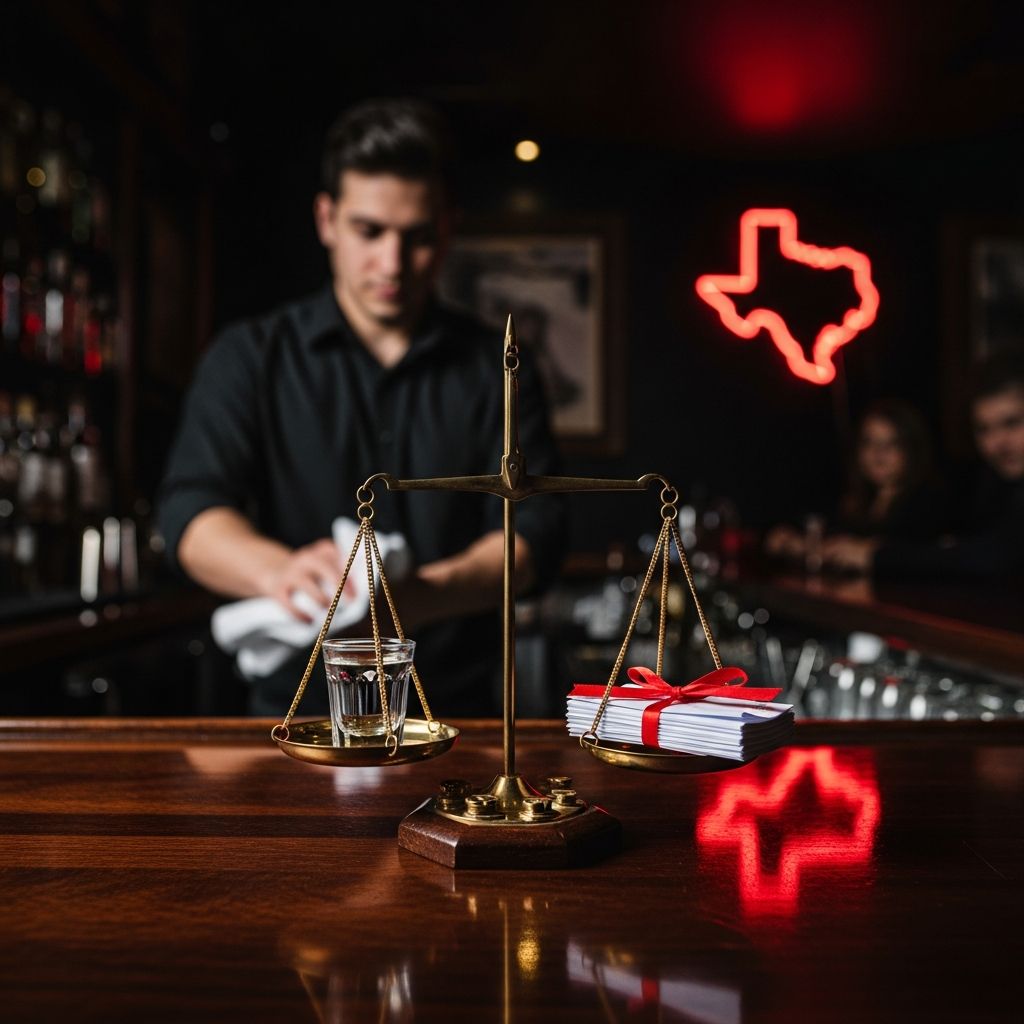
Texas imposes specific legal responsibilities on those who provide alcohol when intoxication leads to harm. These rules, rooted in the Texas Alcoholic Beverage Code, target commercial sellers and, in limited cases, private individuals to promote safer alcohol service and protect the public from preventable injuries.
Understanding Dram Shop Liability in Texas
Dram shop liability refers to the legal accountability of businesses that sell or serve alcoholic beverages to individuals who are already visibly intoxicated or underage. The term ‘dram shop’ originates from historical taverns measuring alcohol in small units called ‘drams.’ In modern Texas, this applies to licensed establishments like bars, restaurants, nightclubs, and even convenience stores or liquor retailers selling for off-premises consumption.
The core purpose is deterrence: by creating financial risk, the law encourages servers to monitor patrons and refuse service when danger is apparent. This mechanism addresses the gap where the intoxicated person might lack sufficient assets to cover damages from accidents, assaults, or other harms.
Legal Foundations: Texas Alcoholic Beverage Code Chapter 2
Chapter 2 of the Texas Alcoholic Beverage Code outlines the framework. It defines a ‘provider’ as any person or entity selling or serving alcohol under a state-issued license or permit, or otherwise selling to the public. Liability arises if the provider serves alcohol to someone ‘obviously intoxicated to the extent that he presented a clear danger to himself and others,’ and that intoxication proximately causes the resulting damages.
For minors, liability attaches if alcohol is provided to anyone under 21, regardless of visible intoxication, making it stricter for youth protection. These provisions balance business interests with public safety, limiting common-law negligence claims while offering a statutory path for victims.
Who Qualifies as a Liable Provider?
Not every alcohol server faces dram shop exposure. Only those operating under Texas Alcoholic Beverage Commission (TABC) authority qualify as providers. This includes:
- Bars and taverns with on-premises consumption permits.
- Restaurants serving alcohol with meals.
- Clubs and private venues with temporary or mixed beverage permits.
- Package stores, convenience stores, and supermarkets selling sealed containers.
- Any licensed entity catering events or providing alcohol off-site under permit.
Unlicensed individuals, like friends at a backyard barbecue, generally escape dram shop liability unless serving minors under social host rules.
Essential Elements for a Successful Dram Shop Claim
To prevail, plaintiffs must prove specific facts by a preponderance of evidence. Courts require:
- Service or Sale Occurred: Direct provision of alcohol by the defendant provider.
- Intoxication Status: The recipient was ‘obviously’ or ‘visibly’ intoxicated, showing clear signs like slurred speech, unsteady gait, or aggressive behavior that a reasonable observer would recognize as dangerous.
- Causation: The intoxication proximately caused the injury or damage, meaning it was a substantial factor without which the harm wouldn’t have happened.
- Damages: Quantifiable losses such as medical expenses, lost income, property damage, pain, suffering, or wrongful death costs.
Expert testimony often reconstructs timelines, blood alcohol levels, and surveillance footage to establish these links.
Types of Incidents Covered Under Dram Shop Rules
While drunk driving crashes dominate headlines, dram shop claims extend broadly:
- Vehicle Accidents: Post-service collisions injuring third parties.
- Premises Assaults: Fights or attacks by overserved patrons on-site or nearby.
- Pedestrian Injuries: Stumbles, falls, or hit-and-runs involving intoxicated individuals.
- Property Damage: Vandalism or wrecks caused by impaired drivers.
- Wrongful Death: Fatal outcomes from any alcohol-fueled mishap.
Texas courts assess whether the provider breached its duty of care by ignoring overt intoxication cues.
Social Host Liability: Limits on Private Providers
Texas diverges from some states by largely shielding social hosts—private individuals hosting parties—from broad liability. No general duty exists to prevent adult guests from overdrinking and driving. However, exceptions apply:
- Serving alcohol to minors under 18, who then cause harm.
- Intentionally aiding intoxication knowing of imminent danger.
- Negligent entrustment, like handing keys to an impaired guest.
This narrow scope reflects policy favoring personal freedom in non-commercial settings, pushing responsibility primarily onto licensed sellers.
Potential Compensation in Alcohol Liability Cases
| Damage Type | Description | Examples |
|---|---|---|
| Economic Damages | Tangible financial losses | Medical bills, rehab, lost wages, property repairs |
| Non-Economic Damages | Intangible harms | Pain and suffering, emotional distress, loss of enjoyment |
| Punitive Damages | Extra for egregious conduct (capped) | Reckless overserving; limited by statute |
| Wrongful Death | Family recovery | Funeral costs, loss of companionship, future support |
Awards vary by case facts, with caps on punitives at the greater of $200,000 or twice economic damages plus non-economic up to $750,000.
Defenses and Limitations for Providers
Defendants can counter claims effectively:
- Comparative Fault: Reducing recovery if the victim contributed (e.g., passenger buying drinks).
- Visible Intoxication Dispute: Arguing signs weren’t ‘obvious’ to a reasonable server.
- Intervening Causes: Breaking causation chain, like post-service additional drinking.
- Statutory Caps: Limiting non-economic damages.
- Immunity Claims: For social hosts outside minor-serving exceptions.
Statute of limitations is two years from the incident date.
Evidence Strategies for Building Strong Cases
Victims bolster claims with:
- Security videos showing service and behavior.
- Witness accounts from staff and patrons.
- Toxicology reports and accident reconstructions.
- Server training records and TABC violation history.
- Timestamps from receipts or credit card swipes.
Retaining forensic experts early preserves fleeting evidence like video overwrites.
Steps to Take After an Alcohol-Related Injury
- Seek immediate medical care and document everything.
- Report to police, noting the alcohol source.
- Avoid discussing fault with insurers.
- Contact a personal injury attorney experienced in dram shop matters.
- Gather preliminary evidence like photos and contacts.
- File claims against all parties: driver, provider, etc.
Frequently Asked Questions (FAQs)
Can I sue a bar if a drunk driver hits me?
Yes, if you prove the bar served the driver when visibly intoxicated and that caused your injuries.
Does dram shop apply to off-premises sales like liquor stores?
Yes, if sold to an obviously intoxicated person who then causes harm.
Are private party hosts liable in Texas?
Generally no for adults, but yes if serving minors who injure others.
What proves ‘visible intoxication’?
Clear signs like stumbling, slurring, or vomiting that reasonable staff should notice.
Is there a cap on dram shop lawsuit awards?
Yes, punitive damages are capped, but economic losses have no limit.
Choosing the Right Legal Representation
Specialized attorneys maximize recoveries by navigating TABC nuances, securing expert witnesses, and countering defenses. Many work contingency, advancing costs until settlement or verdict. Free consultations assess claim viability quickly.
These laws evolve through cases; recent rulings clarify ‘obvious’ intoxication thresholds and proximate cause standards.
References
- Texas Dram Shop Laws — The Wilhite Law Firm. 2023. https://www.wilhitelawfirm.com/texas-dram-shop-laws/
- Understanding Dram Shop Liability in Texas — Parker Law Firm. 2024-01-15. https://parkerlawfirm.com/blog/understanding-dram-shop-liability-in-texas/
- Texas Dram Shop Laws: A Guide to the Texas Dram Shop Act — SJ Law Firm. 2023-06-10. https://sj-lawfirm.com/texas-dram-shop-laws-texas-dram-shop-act/
- Texas Dram Shop Laws and San Antonio Establishments — Pat Maloney Law. 2024. https://patmaloney.com/blog/texas-dram-shop-laws-and-san-antonio-establishments/
- Texas’ Dram Shop Laws and Social Host Liability — Nolo. 2023. https://www.nolo.com/legal-encyclopedia/dram-shop-laws-social-host-liability-alcohol-related-accidents-texas.html
- Dram Shop and Social Host Liability — Texas Legal Brains. 2024-02-20. https://www.texaslegalbrains.com/texas-causes-of-action/dram-shop-and-social-host-liability
- A Guide To the Dram Shop Law in Texas — Patrick Daniel Law. 2023-11-05. https://www.patrickdaniellaw.com/blog/understanding-texas-dram-shop-act/
Similar Articles








Read full bio of medha deb


