
Undefined Tennessee Car Accident Laws: Driver Rights & 2026 Updates
Essential guide to Tennessee's car accident regulations, liability rules, insurance needs, and 2026 updates for drivers.
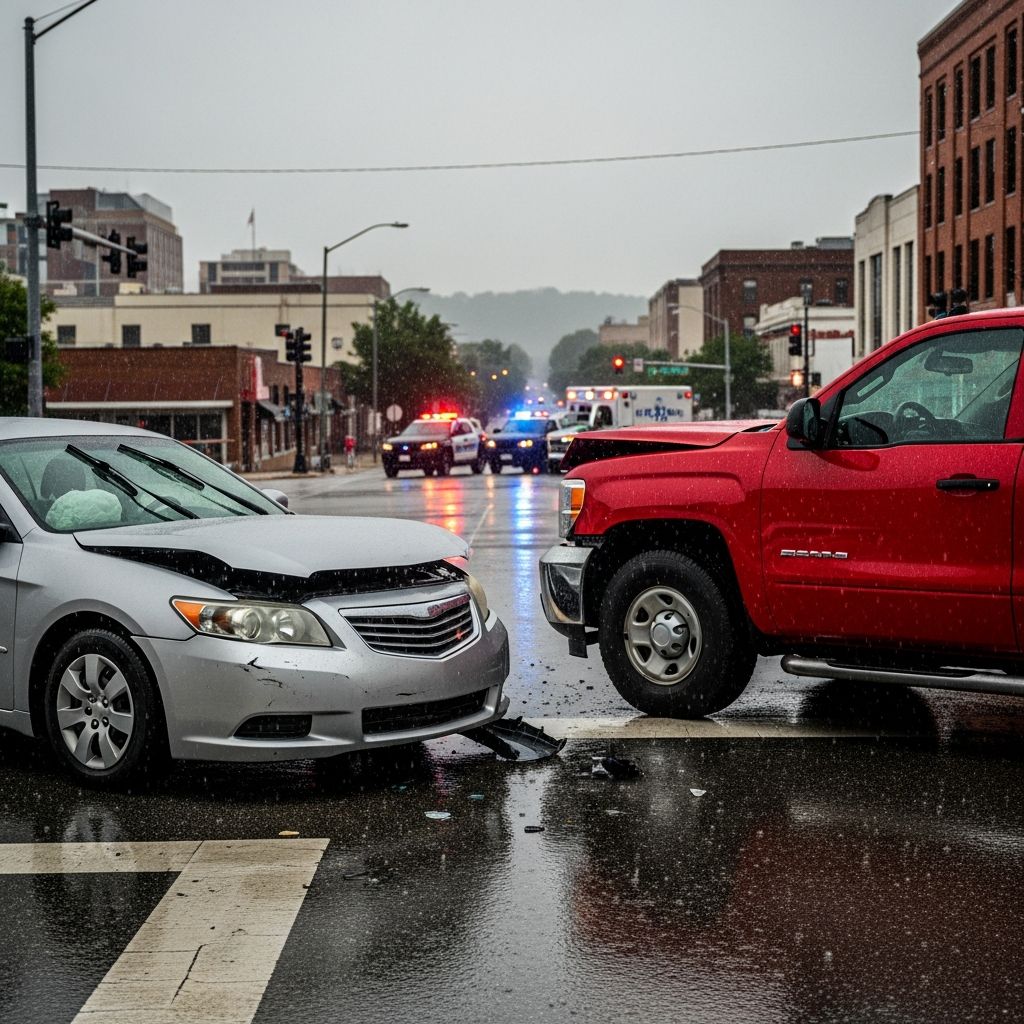
Navigating the aftermath of a vehicle collision in Tennessee involves understanding state-specific regulations on fault, insurance, and legal recourse. These laws dictate how responsibility is assigned, compensation is pursued, and penalties are applied, ensuring fair resolution for victims and accountability for at-fault parties.
Determining Fault in Vehicle Crashes
In Tennessee, fault in car accidents is primarily determined using a
modified comparative negligence
system. This means a driver can recover damages only if they are less than 50% at fault for the incident. If responsibility is split, compensation is reduced proportionally to the driver’s share of blame.- Rear-end collisions: The trailing driver is often presumed liable for failing to maintain a safe distance, as required under Tennessee traffic codes.
- Intersection crashes: Right-of-way rules from the Tennessee Driver’s Manual guide fault assignment, prioritizing vehicles with legal precedence.
- Hit-and-run incidents: Fleeing the scene escalates liability, with proposed 2026 changes upgrading penalties for injury-causing cases from misdemeanors to felonies.
Police reports, eyewitness accounts, dashcam footage, and expert reconstructions play crucial roles in establishing fault during investigations.
Insurance Requirements for Tennessee Drivers
Tennessee mandates
minimum liability coverage
for all registered vehicles to protect against financial losses from at-fault accidents. Drivers must carry:| Coverage Type | Minimum Limit | Purpose |
|---|---|---|
| Bodily Injury Liability (per person) | $25,000 | Covers medical expenses and lost wages for others injured |
| Bodily Injury Liability (per accident) | $50,000 | Total cap for multiple injured parties |
| Property Damage Liability | $15,000 (rising to $25,000 in 2026?) | Repairs to vehicles and structures damaged |
Proof of financial responsibility, such as an insurance ID card, must be presented at registration renewal or after crashes. Uninsured motorists face license suspension and vehicle impoundment. Optional coverages like uninsured motorist protection and personal injury protection (PIP) are recommended for comprehensive safeguards.
Filing Claims After a Crash
Post-accident, notify your insurer promptly and gather evidence including photos, contact details, and medical records. Tennessee’s no-fault elements apply minimally, but liability dictates primary payouts.
- Immediate steps: Ensure safety, call 911 if injuries occur, exchange information.
- Medical evaluation: Seek treatment even for minor symptoms to document injuries.
- Claim submission: Provide police report and estimates; insurers negotiate settlements.
- Disputed claims: Involve adjusters or attorneys if liability is contested.
Common compensable damages include medical bills, wage loss, pain and suffering, and property repairs. Economic losses are calculated via receipts, while non-economic require expert valuation.
Statute of Limitations for Legal Action
Time limits for pursuing claims are strict in Tennessee:
- Personal injury: Two years from the accident date.
- Property damage: Three years.
- Wrongful death: One year from the date of death.
- Government entities: Twelve months for claims against state or local vehicles.
Missing these deadlines bars recovery. Tolling exceptions apply for minors or incapacitated parties.
Special Rules for Common Crash Scenarios
Head-On and Side-Impact Collisions
These often result from speeding, impairment, or lane departures. Tennessee’s lane discipline laws (TCA 55-8-123) hold violators accountable, with crosswalk protections enhancing pedestrian claims.
Distracted and Impaired Driving Penalties
Using phones or being under the influence triggers enhanced fault findings. DUI convictions add criminal layers, prohibiting insurance defenses in civil suits.
Rideshare and Commercial Vehicle Incidents
Uber/Lyft drivers require commercial policies; trucking crashes invoke federal hours-of-service rules alongside state oversight.
Recent Legislative Changes Impacting Drivers
Entering 2026, Tennessee enacts reforms tightening road safety:
- **Hit-and-run upgrades (SB1602):** Injury cases rise to Class E felonies (up to 6 years); fatalities to Class D (12 years).
- **Invalid licenses:** Now a Class B misdemeanor, invalidating out-of-state licenses for undocumented individuals.
- **Ignition interlocks:** Flexible calibration windows and license reinstatement options for compliant users.
- **Driver tests:** Added bicycle signal questions to promote cyclist awareness.
These updates aim to deter negligence and support victims, reflecting ongoing legislative focus on traffic accountability.
When to Consult an Attorney
Seek legal help for severe injuries, disputed fault, insurance denials, or multi-party claims. Attorneys negotiate better settlements (often 3-4x higher) and litigate if needed, operating on contingency fees.
Free consultations assess case viability, preserving rights under Tennessee’s rules.
Frequently Asked Questions
Can I sue if I’m partially at fault?
Yes, if under 50% responsible; damages reduce by your fault percentage.
What if the at-fault driver is uninsured?
Utilize your uninsured motorist coverage or pursue subrogation through their assets.
Do I need a lawyer for minor crashes?
Often not, but recommended for any injury or complex liability.
How long after a crash can symptoms appear?
Days or weeks; document promptly for claims.
Are dashcams admissible in court?
Yes, as they provide objective evidence of fault.
Preventing Accidents and Staying Compliant
Defensive driving courses, regular vehicle maintenance, and awareness of updates like 2026 laws minimize risks. Tennessee’s Department of Safety promotes safe following distances and vigilance, especially in rear-end prone scenarios.
By mastering these laws, drivers protect themselves legally and financially on Tennessee roads.
References
- Tennessee lawmaker pushes for hit-and-run drivers to face tougher penalties — FOX17 Nashville. 2026-01-17. https://fox17.com/news/local/tennessee-lawmaker-pushes-tougher-penalties-hit-and-run-drivers-2026-legislative-session-sb1602-nashville-crime
- Tennesseans steer into 2026: New laws drive change for motorists — NewsChannel 9. 2026-01-17. https://newschannel9.com/news/local/tennesseans-steer-into-2026-new-laws-drive-change-for-motorists-pet-owners-and-more
- Tennessee Rear-End Collision Laws — The Williams Firm. Accessed 2026. https://www.lrwlawfirm.com/tennessee-rear-end-collision-laws/
- Tennessee Code Annotated § 55-12-102 — Tennessee General Assembly. Ongoing. https://www.tn.gov/content/dam/tn/safety/documents/FinancialResponsibilityMinLimits.pdf
- Tennessee Driver Manual — Tennessee Department of Safety and Homeland Security. 2025. https://www.tn.gov/content/dam/tn/safety/driver-services/documents/DL_manual.pdf
Similar Articles








Read full bio of Sneha Tete


