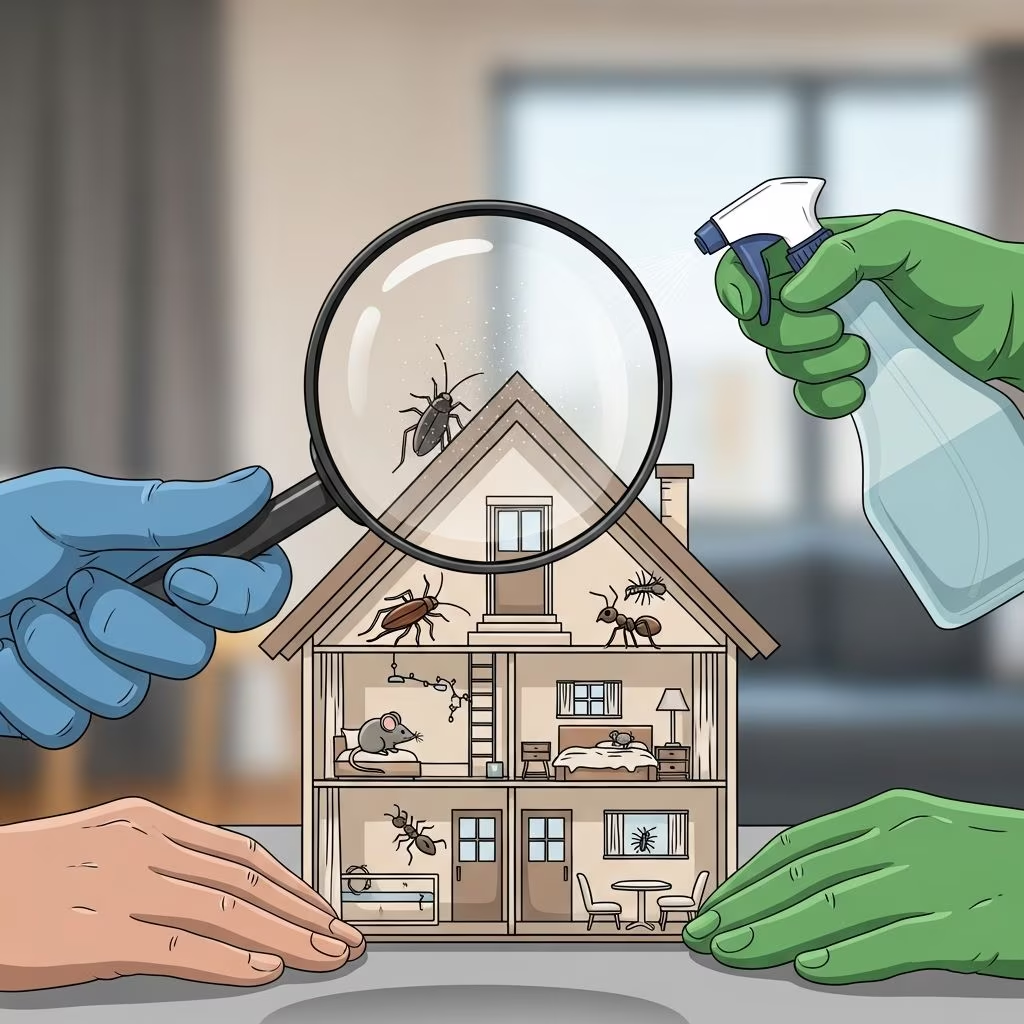
Rental properties must remain livable, but pest issues like rodents, cockroaches, or termites often necessitate professional interventions such as fumigation or spraying. Landlords bear primary responsibility for maintaining pest-free environments under the implied warranty of habitability, yet tenants have specific protections during disruptive treatments. This guide explores obligations, procedures, and remedies to ensure fair treatment.
Landlord Obligations for Pest Management
Property owners are legally required to deliver and sustain rentals free from health-threatening pests. This stems from habitability laws mandating safe, sanitary conditions. Structural defects—such as cracks allowing rodent entry or unrepaired leaks fostering insects—fall squarely on landlords to resolve, including hiring licensed exterminators.
Response timelines vary by jurisdiction and pest severity. Hazardous infestations like bed bugs demand action within 30 days in some areas, while rodents may require resolution in 21 days. Preventive measures, including quarterly inspections, help avoid escalations.
- Initial Delivery: Units must be pest-free at move-in.
- Ongoing Maintenance: Address reported issues promptly with professional services.
- Documentation: Record tenant notifications, inspections, and treatments to clarify liability.
When Tenants Share Responsibility
While landlords handle most cases, tenants may assume costs if poor habits cause infestations. Examples include improper food storage attracting ants or fleas from unrestrained pets. Leases often specify these scenarios, requiring proof like exterminator reports linking messiness to pests.
| Scenario | Responsible Party | Examples |
|---|---|---|
| Structural Issues | Landlord | Termite damage, wall gaps |
| Tenant Neglect | Tenant | Dirty dishes, pet fleas |
| Pre-Existing | Landlord | Move-in rodents |
Clear lease clauses prevent disputes, outlining notification duties and cooperation expectations. Tenants must report sightings immediately and maintain cleanliness to avoid liability shifts.
Notification Requirements Before Treatment
Landlords cannot initiate fumigation or spraying without advance warning. Most laws mandate 24-48 hours’ notice for entry, extending to days or weeks for tenting operations requiring vacancy. Notices detail treatment type, duration, affected areas, and safety protocols.
Tenants gain rights to prepare: secure belongings, arrange pet care, and voice concerns over chemical use. Non-compliance with notice rules allows refusal of access.
Common Notification Questions
- How much notice for fumigation? Typically 48 hours minimum, longer for relocation.
- Can tenants object to methods? Yes, if unsafe or excessive.
Temporary Relocation and Compensation Rules
Major treatments rendering units uninhabitable—such as termite tenting or bed bug heat treatments—trigger landlord duties to cover relocation costs. The implied warranty of habitability ensures tenants aren’t financially penalized for necessary maintenance.
Reimbursable expenses include:
- Comparable hotel or short-term housing.
- Meals via reasonable daily allowance.
- Pet boarding and laundry for infested items.
- Transportation to work or essentials.
Compensation aims to ‘make tenants whole’ without profit. Landlords may offer alternatives like another unit, but must match quality and location. Refusal to pay justifies withholding rent or seeking court orders.
Health and Safety During Extermination
Pest control must prioritize occupant safety. Professionals use EPA-approved methods minimizing human exposure. Tenants vacate during applications, with re-entry only after ventilation clears residues.
Special considerations apply:
- Pregnant Residents or Children: Extra precautions or alternative housing.
- Pets: Mandatory removal; landlords cover fees.
- Allergies: Documented sensitivities warrant adjusted plans.
Post-treatment inspections confirm habitability before return.
Legal Recourse for Disputes
If landlords delay action or deny compensation, tenants can escalate. Document everything: photos of pests, communication logs, and expense receipts.
- Contact local housing authorities for inspections.
- Withhold rent into escrow pending resolution.
- File small claims for reimbursements.
- Pursue habitability lawsuits for ongoing failures.
Local councils intervene in severe cases, ordering treatments or fines.
Preventive Strategies for Renters and Owners
Proactive steps reduce infestations. Landlords schedule routine services; tenants seal trash, fix leaks promptly, and vacuum regularly.
| Prevention Action | Who Does It | Benefit |
|---|---|---|
| Quarterly Spraying | Landlord | Stops buildup |
| Food in Sealed Containers | Tenant | Deterrents ants/roaches |
| Seal Cracks | Landlord/Tenant | Blocks entry |
Frequently Asked Questions
Does my landlord have to pay for a hotel during fumigation?
Yes, for treatments making the unit unlivable, landlords cover reasonable lodging and meals under habitability laws.
Can I refuse pest control entry?
No, if proper notice is given, but you can challenge unsafe methods or insufficient warnings.
Who pays if my pet caused fleas?
You do, as tenant-caused issues shift responsibility per lease terms.
How soon must landlords act on bed bugs?
Often within 30 days, faster for urgent health risks depending on state rules.
What if the landlord ignores my pest reports?
Report to housing authorities, repair and deduct, or sue for breach.
Lease Clauses to Negotiate
Review agreements for pest sections. Advocate for explicit landlord coverage of treatments and relocations, defined response times, and tenant protections. Sample clause: ‘Landlord shall handle all pest control except tenant negligence, providing relocation aid as needed.’
Understanding these dynamics empowers renters to demand accountability while fostering cooperative pest management. Habitability remains paramount, balancing property standards with tenant security.
References
- Who Is Responsible for Pest Control, Landlords or Tenants? — RentPrep. 2023. https://rentprep.com/blog/property-maintenance/responsible-pest-control-landlords-tenants/
- Navigating Tenant Rights for Pest Control Displacements — Nolo. 2023. https://www.nolo.com/legal-encyclopedia/question-tenants-pest-fumigation-extermination-28168.html
- Are Landlords Responsible for Pest Control? Guide — LeaseRunner. 2024. https://www.leaserunner.com/blog/are-landlord-responsible-for-pest-control
- Pests and Vermin in Rented Homes — Shelter England. 2025. https://england.shelter.org.uk/housing_advice/repairs/pests_and_vermin_infestations_in_rented_homes
- If There Are Pests or Vermin in Your Rented Home — Citizens Advice. 2024. https://www.citizensadvice.org.uk/housing/repairs-and-housing/repairs-and-housing-conditions/whos-responsible-for-repairs/repairs-infestations-of-pests-and-vermin/