
Upgrading to Permanent Residency: Ten-Year Green Card Guide
Navigate the path from conditional to permanent residency with actionable steps and requirements.
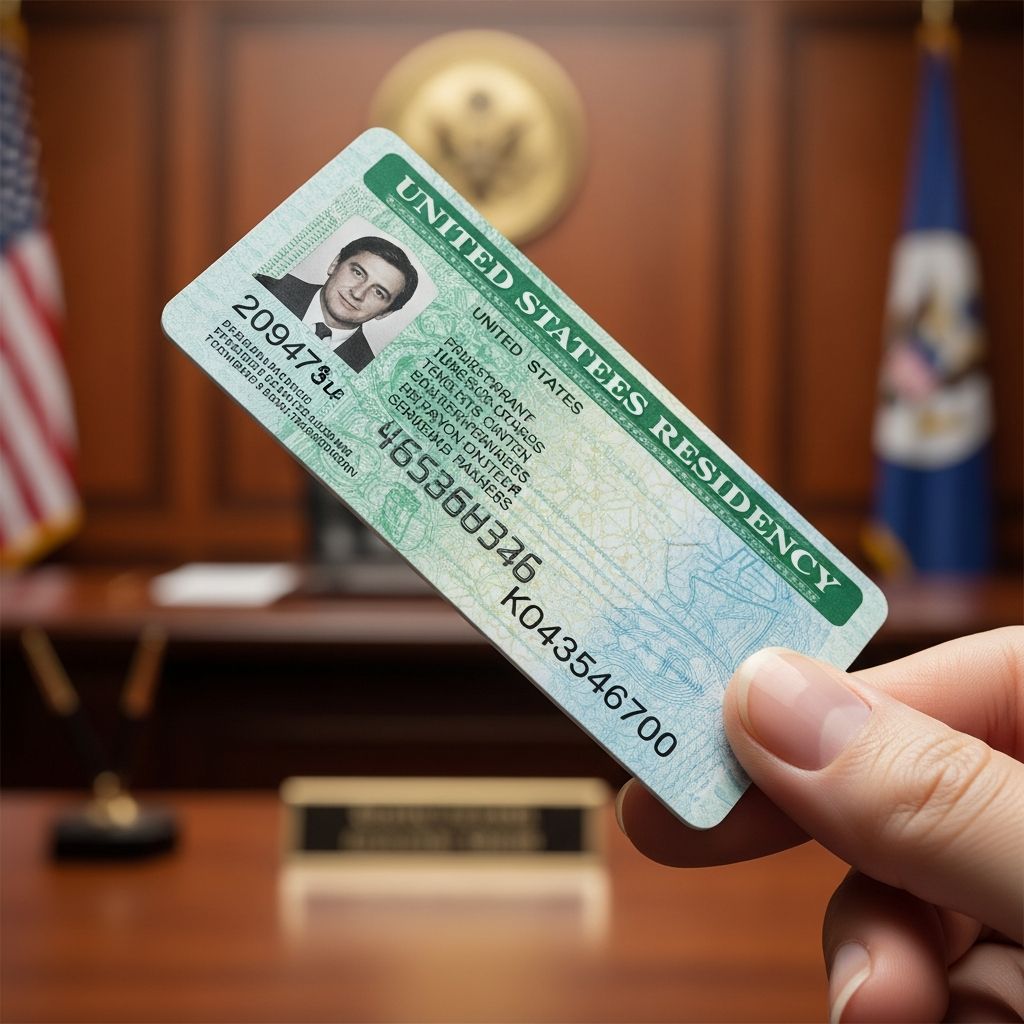
Understanding the Pathway to Long-Term Permanent Residency
The journey toward establishing yourself as a permanent resident in the United States involves understanding the distinctions between different categories of green cards and the processes required to advance your immigration status. When foreign nationals marry U.S. citizens and subsequently obtain lawful permanent resident status, the type of card they receive depends significantly on how long the marriage has existed at the time of approval. This foundational knowledge is essential for those seeking to build a stable life in America and eventually pursue citizenship.
The U.S. immigration system implements a structured approach to prevent fraudulent marriages conducted solely for immigration purposes. This safeguard requires couples who have been married for less than two years to undergo a conditional residency period before achieving full permanent status. Understanding this framework helps couples navigate the process efficiently and avoid costly mistakes that could delay their transition to permanent residency.
The Conditional Residency Framework and Its Purpose
When couples have been married for fewer than two years at the time USCIS approves their green card application, they enter what is known as conditional residency. During this period, the green card remains valid for only two years rather than the standard ten-year duration. This temporary status serves as a verification mechanism, allowing immigration authorities to confirm that the marriage is genuine and not merely a vehicle for obtaining immigration benefits.
Conditional residents maintain most of the rights and privileges associated with permanent residency, including the ability to work, travel outside the United States with appropriate documentation, and reside legally in the country. However, the expiration date on the card itself creates a specific timeline that requires attention and action if the individual wishes to transition to permanent status.
The conditional period typically lasts for two years from the date the green card is issued. During this time, couples must demonstrate the legitimacy of their marriage through various forms of evidence. This requirement reflects the government’s commitment to maintaining immigration integrity while accommodating couples who have entered into genuine marriages with U.S. citizens.
Strategies for Obtaining Permanent Status Without Conditional Residence
For couples willing to plan ahead, there exists a straightforward method to bypass the conditional residency requirement altogether. If a foreign national spouse waits until the marriage has lasted at least two years before entering the United States or before filing an adjustment of status application, they become eligible for a ten-year green card immediately upon approval.
This approach eliminates the need for subsequent paperwork and removes the uncertainty associated with the conditional period. However, it requires couples to maintain a long-distance relationship for an extended period, which many find impractical or emotionally challenging. Therefore, while viable, this option represents only one path among several available alternatives.
The I-751 Petition: Your Gateway to Permanent Residency
For couples unable or unwilling to delay their union, the I-751 petition provides the mechanism to convert conditional residency into permanent status. Form I-751, officially titled the Petition for Removal of Conditions on Residence, represents the formal application that initiates the transition process.
This form must be filed jointly by both spouses, and it serves as a comprehensive statement to USCIS that the marriage is legitimate and ongoing. The petition includes detailed questions about the couple’s current living situation, employment history, relationship timeline, and financial interdependence. The thoroughness of this form reflects the government’s intention to verify marital authenticity before granting permanent residency.
Critical Filing Window and Timing Considerations
The timing of your I-751 filing represents one of the most crucial aspects of the entire process. USCIS has established a specific 90-day window during which the petition must be filed. This window begins 90 days before the conditional green card expires and closes on the expiration date itself.
Filing too early poses a significant risk—applications submitted more than 90 days before expiration may be rejected or go unreviewed entirely. Conversely, filing after the expiration date results in missing the deadline and can complicate your immigration status. Therefore, careful calendar management is essential. If your green card expires on a specific date, counting backward 90 days gives you the first permissible filing date. For example, if your card expires on July 15, 2026, you may begin filing on April 16, 2026, and must submit by July 15, 2026.
Understanding this timeline allows you to gather required documentation in advance and file with confidence during the appropriate window. Many immigration practitioners recommend preparing all necessary paperwork well before the 90-day window opens to avoid last-minute complications.
Documentation Requirements for Successful Petition Approval
USCIS reviews I-751 petitions with considerable scrutiny because the primary purpose is to verify that the marriage is genuine and not fraudulent. Therefore, the supporting documentation must paint a comprehensive picture of a shared life between spouses.
Essential documents include the following:
- Copies of both spouses’ current green cards (or passport pages if the conditional resident’s card has been lost or damaged)
- Joint financial documents such as bank statements, credit card statements, and tax returns filed jointly
- Evidence of shared residential arrangements including lease agreements, mortgage documents, or utility bills in both names
- Photographs documenting the couple together at various times and locations
- Correspondence from government agencies, employers, or financial institutions addressed to the couple as a unit
- Birth certificates of children born during the marriage, demonstrating biological connection
- Letters from friends, family members, or community members attesting to the legitimacy of the relationship
The breadth of required evidence underscores that USCIS examines every dimension of the couple’s shared existence. Joint ownership of property, intermingled financial accounts, and documented social interactions all contribute to establishing the marriage’s authenticity.
Processing Timeline and Status Extension During Review
After submitting your I-751 petition, USCIS acknowledges receipt through a formal receipt notice. This receipt notice carries particular significance because it automatically extends your conditional green card’s validity for an additional 48 months, providing substantial breathing room for the petition to be reviewed and processed.
The median processing time for I-751 petitions ranges from approximately 21 to 24 months, though processing times vary considerably depending on the specific USCIS service center handling your case and current agency workload. During this extended period, you may continue working, residing in the United States, and traveling internationally with your receipt notice and expired card together serving as proof of your lawful status.
This extended period allows USCIS adequate time to conduct background checks, verify the authenticity of submitted documents, and make a thorough determination regarding the legitimacy of your marriage. Patience during this phase is essential, and regular case status updates are available through the USCIS online portal.
Approval and Receipt of Your Permanent Green Card
Once USCIS approves your I-751 petition, you will receive notification and shortly thereafter your new permanent ten-year green card in the mail. This card represents full permanent resident status without any conditional restrictions.
The new card grants you complete stability and security in your immigration status. Unlike the conditional card that required periodic renewal through the I-751 process, the ten-year card simply requires renewal every decade using Form I-90 at appropriate intervals. This substantial shift in status opens additional pathways, including the ability to eventually apply for U.S. citizenship after meeting the required residency and physical presence requirements.
Special Circumstances and Waiver Provisions
The standard I-751 process requires joint filing by both spouses. However, USCIS recognizes that some individuals find themselves in extraordinary circumstances where joint filing becomes impossible. In such cases, waivers or alternative procedures may apply.
Circumstances that might justify a waiver include situations where the marriage has genuinely ended due to death of the spouse, cases involving domestic abuse, or situations where the conditional resident can demonstrate extreme hardship caused by deportation. Each circumstance requires substantial documentation and often benefits from professional legal guidance to navigate successfully.
Comparison: Two-Year Versus Ten-Year Green Cards
| Feature | Two-Year Conditional Card | Ten-Year Permanent Card |
|---|---|---|
| Validity Period | 2 years from issuance | 10 years from issuance |
| Eligibility Requirement | Marriage less than 2 years old at approval | Marriage 2+ years old at approval |
| Work Authorization | Full work rights | Full work rights |
| Travel Rights | Travel permitted with appropriate documentation | Travel permitted with appropriate documentation |
| Family Sponsorship | Limited sponsorship capacity | Full sponsorship capacity |
| Renewal Requirements | Must file I-751 to convert to permanent status | Renew using Form I-90 every 10 years |
| Path to Citizenship | Must convert to permanent status first | Direct path to citizenship eligibility after 3-5 years |
| Stability and Security | Temporary, conditional status | Permanent, unconditional status |
Renewal and Long-Term Maintenance of Your Permanent Status
Once you successfully obtain your ten-year green card, your maintenance obligations shift significantly. Rather than proving marital legitimacy, renewal involves confirming your continued eligibility for permanent resident status and updating biographical information as needed.
Form I-90, the Application to Replace Permanent Resident Card, is filed when your ten-year card approaches expiration or if you experience changes in your legal name or biographical data. The renewal process is generally more straightforward than the initial I-751 process because you have already established permanent resident status.
Processing times for I-90 renewals typically range from four to ten months depending on USCIS workload and your specific service center location, though delays have become more pronounced in recent years. Upon receipt of your renewal application, USCIS automatically extends your existing card’s validity for 24 months, allowing you continued work authorization and travel privileges during the review period.
Frequently Asked Questions About Permanent Green Card Acquisition
Q: What happens if I miss the 90-day filing window for my I-751 petition?
A: Missing the deadline significantly complicates your immigration status. Filing after the window closes may result in rejection or delayed processing. If you realize you will miss the deadline, consult an immigration attorney immediately to explore available options and potential remedies.
Q: Can I travel outside the United States while my I-751 petition is pending?
A: Yes. Carrying both your expired conditional green card and your I-751 receipt notice together serves as proof of your lawful status and work authorization. However, international travel while a petition is pending carries some risk, and consulting with an immigration attorney before traveling is advisable.
Q: What should I do if my spouse and I cannot file the I-751 jointly?
A: USCIS provides waiver options in exceptional circumstances such as spousal death, domestic abuse, or extreme hardship. Each situation requires thorough documentation and typically benefits significantly from professional legal guidance to present your case most persuasively.
Q: How much does it cost to file an I-751 petition?
A: Filing fees are subject to change but typically range from $400 to $640. Fee waivers may be available if you meet income thresholds or can demonstrate financial hardship. Form I-912 is used to request a fee waiver or reduction.
Q: Will being approved for permanent residency eventually allow me to become a U.S. citizen?
A: Yes. After maintaining permanent resident status for three to five years (depending on your specific circumstances), you become eligible to apply for naturalization and pursue U.S. citizenship.
Q: What documents are most important for demonstrating marital legitimacy in my I-751 petition?
A: Joint financial documents, shared residence evidence, photographs together, and documents showing intermingled assets and lives carry the greatest weight. Birth certificates of children born during the marriage also provide strong evidence of an ongoing, genuine relationship.
Strategic Planning for Your Immigration Future
Whether you are contemplating marriage to a U.S. citizen or navigating the conditional residency phase, strategic planning enhances your chances of success. Understanding the timeline requirements, beginning documentation collection early, and consulting with immigration professionals when questions arise all contribute to smoother transitions through the immigration process.
The path from conditional to permanent residency, while requiring careful attention to deadlines and documentation requirements, ultimately leads to stable and secure status in the United States. By approaching the process methodically and gathering comprehensive evidence of your marital legitimacy, you position yourself for approval and the stability that permanent resident status provides.
References
- Are There Differences Between a 2 Year and 10 Year Green Card? — Goel Law. Accessed February 9, 2026. https://www.goellaw.com/how-do-a-2-year-and-10-year-green-card-differ-in-va/
- Removing Conditions on Green Card: I-751 Form Guide 2026 — Adan Vega. Updated February 9, 2026. https://www.adanvega.com/conditional-green-cards-explained/
- How to Get a Green Card in the U.S. in 2026 — Immigration Help LA. Accessed February 9, 2026. https://immigrationhelpla.com/green-card-guide/
- Two-Year vs. 10-Year Green Card: What’s the Difference? — Manifest Law. Accessed February 9, 2026. https://manifestlaw.com/blog/2-year-green-card-vs-10-year-green-card/
- Green Card Renewal Timeline: Essential 2026 Update — Lunel Law. Updated February 9, 2026. https://lunellaw.com/blog/green-card-renewal-timeline-2026-update/
Similar Articles








Read full bio of medha deb


