
Teaching Kids to See Through Ads: The Admongo Approach
How the FTC's Admongo helps children think critically about advertising in a digital world.
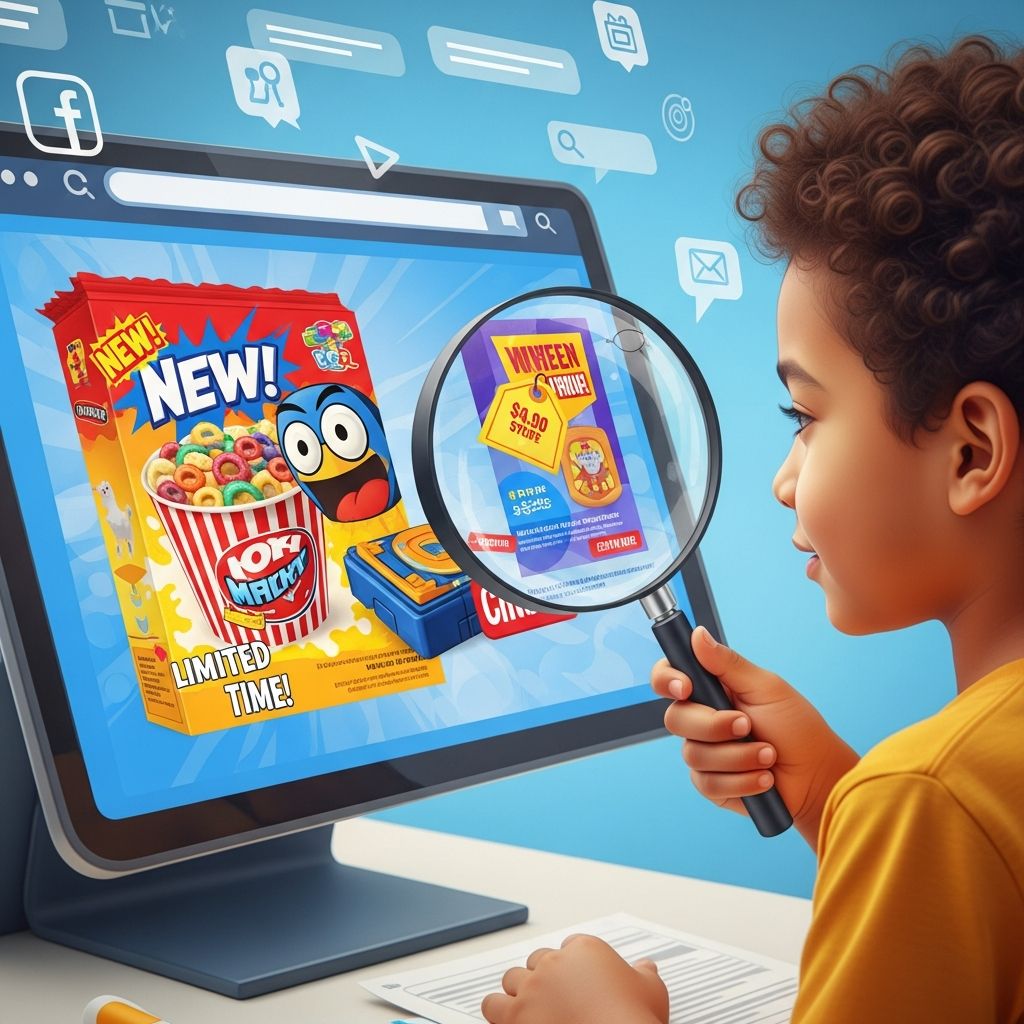
Understanding the Hidden World of Advertising
From the moment children wake up, they are surrounded by messages designed to influence them. A cartoon on a cereal box, a branded character on a backpack, a video ad before a YouTube clip—these are all forms of advertising. Yet, many young people don’t recognize them as such, let alone understand the strategies behind them. This is where advertising literacy becomes essential. It’s not just about knowing what an ad is; it’s about understanding who created it, what it’s trying to make you feel or do, and whether it’s something you truly need or want.
The Federal Trade Commission (FTC) recognized this gap in children’s awareness and launched a creative, game-based initiative to address it. While the program is no longer actively promoted in the same way, its framework offers valuable lessons for parents, educators, and anyone involved in helping children navigate today’s media-saturated environment. The core idea is simple: teach kids to pause, question, and think before reacting to any commercial message.
Why Advertising Literacy Matters for Young Minds
Children, especially those between the ages of 8 and 12, are at a critical stage in their cognitive development. They are beginning to form independent opinions but are still highly impressionable. Advertisers know this and tailor their messages to appeal to kids’ desires, emotions, and social needs. Without the tools to decode these messages, children can easily accept ads at face value, leading to unrealistic expectations, poor spending habits, and even unhealthy behaviors.
Advertising literacy helps bridge this gap by giving children the ability to:
- Identify when they are looking at an advertisement versus regular content
- Recognize the difference between facts and opinions in marketing messages
- Understand that ads are created by companies with a specific goal: to sell something
- Spot common persuasive techniques like celebrity endorsements, exaggerated claims, and emotional appeals
- Reflect on whether an ad’s message aligns with their own values and needs
When children develop these skills, they don’t just become smarter consumers—they become more thoughtful decision-makers in all areas of life. They learn to question not only ads but also news, social media posts, and other forms of communication that aim to influence them.
How a Game-Based Approach Makes Learning Stick
Traditional lectures or worksheets about advertising can feel dry and disconnected from kids’ daily experiences. The FTC’s approach was different: instead of just telling children about ads, they created an environment where kids could explore and interact with them in a safe, structured way. The centerpiece of this effort was an online game that immersed players in a fictional world where they had to analyze ads, make choices, and solve challenges related to marketing.
The game wasn’t about memorizing definitions or passing a test. It was about doing. Players created avatars, navigated different environments, and encountered various types of ads—some obvious, some subtle. As they progressed, they were prompted to think about key questions like:
- Who is behind this message?
- What is this ad actually saying?
- What does the ad want me to do?
These questions form a simple but powerful framework for evaluating any commercial message. By repeating them in different contexts, the game helped reinforce the habit of pausing and reflecting before reacting. Over time, this kind of practice can shift a child’s mindset from passive acceptance to active analysis.
Building a Toolkit for Real-World Media Navigation
The game was just one part of a broader educational toolkit designed for classrooms and informal learning settings. Teachers and caregivers were given access to a range of resources that extended the learning beyond the screen. These included:
- Lesson plans that guide discussions about what advertising is and how it works
- Sample ads that can be used to practice identifying persuasive techniques
- Worksheets and activities that encourage students to create their own ads, helping them understand how messages are constructed
- Training videos that show educators how to integrate advertising literacy into existing curricula
These materials were designed to be flexible, so they could fit into subjects like language arts, social studies, or health education. For example, a language arts class might analyze the language and imagery in an ad, while a social studies class might discuss how advertising reflects cultural values or influences consumer behavior. This cross-curricular approach helps reinforce the idea that media literacy is not a separate skill, but a foundational one that supports learning across disciplines.
Key Questions That Empower Young Consumers
At the heart of the program is a set of three simple but powerful questions that serve as a mental checklist for evaluating any ad. These questions are easy enough for children to remember and apply, yet deep enough to encourage real critical thinking.
1. Who Is Behind This Message?
This question helps children move beyond the surface of an ad and consider its source. Is it a well-known company? A small startup? A nonprofit organization? Understanding who created the message can provide clues about its purpose and reliability. For example, a video that looks like a fun vlog but is actually sponsored by a toy company has a different intent than an independent review by a real user.
2. What Is the Ad Actually Saying?
Many ads rely on flashy visuals, catchy music, or emotional stories to grab attention. This question encourages children to look past the style and focus on the substance. What specific claims are being made? Are they backed by evidence? Are there any hidden conditions or fine print? By separating the “show” from the “substance,” kids can better assess whether an ad is honest and fair.
3. What Does the Ad Want Me to Do?
This is perhaps the most important question. Ads are not neutral; they are designed to prompt action. That action might be buying a product, signing up for a service, sharing content, or simply forming a positive opinion about a brand. When children recognize that every ad has an agenda, they can make more intentional choices about how they respond.
Together, these three questions form a practical framework that children can use every time they encounter a commercial message, whether on TV, online, in print, or in the real world.
Recognizing Common Persuasive Techniques
Once children understand the basic structure of an ad, the next step is learning to recognize the techniques advertisers use to make their messages more persuasive. Some of the most common strategies include:
| Technique | How It Works | Example |
|---|---|---|
| Celebrity or influencer endorsement | Using a popular person to make a product seem more desirable | A famous athlete promoting a sports drink |
| Emotional appeal | Triggering feelings like happiness, fear, or nostalgia to influence decisions | An ad showing kids having fun with a toy to make viewers want to join in |
| Bandwagon effect | Suggesting that “everyone is doing it” to create social pressure | “Join millions of kids who love this game!” |
| Exaggeration or hyperbole | Using over-the-top language to make a product seem more impressive | “The most amazing, incredible, best toy ever!” |
| Appeal to authority | Using experts, doctors, or scientists to lend credibility | “Recommended by dentists” on a toothpaste ad |
By naming and discussing these techniques, children can begin to see patterns in advertising and understand that many ads follow similar formulas. This demystifies the process and reduces the power of persuasive tricks.
Extending the Skills Beyond Advertising
One of the most valuable aspects of advertising literacy is that the skills it develops are transferable. The same critical thinking habits that help children evaluate ads can also help them:
- Assess the credibility of news articles and social media posts
- Recognize bias and spin in political messaging
- Make informed decisions about health, safety, and personal finance
- Engage in respectful, evidence-based discussions with peers and adults
For example, when a child learns to ask “Who is behind this message?” about an ad, they can apply the same question to a viral social media post or a political campaign ad. When they learn to look for evidence behind claims, they can use that skill to evaluate health advice, product reviews, or even school assignments. In this way, advertising literacy becomes a gateway to broader media and information literacy.
Supporting Children in a Digital World
Today’s children grow up in a world where advertising is increasingly personalized, embedded, and hard to distinguish from regular content. Sponsored posts, influencer content, product placements in videos, and targeted ads based on browsing history all blur the lines between information and persuasion. This makes it even more important for adults to support children in developing strong critical thinking skills.
Parents and caregivers can help by:
- Talking openly about ads they see together (on TV, in apps, on websites)
- Modeling how to ask questions like “Who made this?” and “What do they want us to do?”
- Encouraging children to think about their own feelings and reactions to ads
- Setting limits on screen time and in-app purchases to reduce impulsive decisions
- Using real-life situations—like shopping trips or online browsing—as opportunities to practice media literacy
Teachers can reinforce these skills by integrating advertising and media literacy into their lessons, using real-world examples and encouraging students to create and critique their own messages. The goal is not to make children cynical or distrustful, but to empower them with the tools to navigate the media landscape with confidence and clarity.
Frequently Asked Questions
What age group is this type of advertising literacy program designed for?
These programs are typically designed for children ages 8 to 12, a period when kids are becoming more independent consumers and are heavily exposed to media and advertising. However, the core concepts can be adapted for younger or older audiences with appropriate language and examples.
Can advertising literacy really change children’s behavior?
Research suggests that well-designed advertising literacy programs can improve children’s ability to recognize ads, understand their persuasive intent, and make more thoughtful choices. While no single program can eliminate all influence, it can significantly strengthen children’s critical thinking and decision-making skills over time.
Is this only about TV and online ads, or does it include other forms of marketing?
Modern advertising literacy covers all forms of commercial messaging, including TV and online ads, product placements, influencer content, branded merchandise, in-game purchases, and even subtle marketing in apps and websites. The focus is on helping children recognize and evaluate any message designed to sell something.
How can schools incorporate advertising literacy without adding more to an already full curriculum?
Advertising literacy can be integrated into existing subjects like language arts, social studies, health, and digital citizenship. For example, analyzing ads can support reading comprehension and persuasive writing; discussing consumer behavior can connect to economics and social studies; and exploring online safety can include lessons on targeted advertising and data privacy.
Are there any free resources available for parents and teachers?
Yes, many government agencies, educational organizations, and nonprofits offer free lesson plans, videos, and activities to support advertising and media literacy. These resources are often designed to be easy to use and adaptable to different learning environments, whether in classrooms, after-school programs, or at home.
References
- Leveling Up to Literacy: Measuring the Impact of FTC’s Online Advertising Literacy Game “Admongo” — David Givens, Federal Trade Commission. 2020. https://www.ftc.gov/system/files/documents/reports/leveling-literacy-measuring-impact-ftcs-online-advertising-literacy-game-admongo/working_paper_346.pdf
- Advertising and Children: A Guide for Educators and Parents — Federal Trade Commission. https://www.consumer.ftc.gov/Admongo/
- Media Literacy and the Role of Advertising in Children’s Lives — American Academy of Pediatrics. 2016. https://publications.aap.org/pediatrics/article/138/5/e20162592/33776/Media-Literacy-and-the-Role-of-Advertising-in
Similar Articles








Read full bio of Sneha Tete


