
Tattoo Studio Liability for Client Injuries
Understanding when tattoo studios can be held accountable for injuries, infections, and botched work in personal injury claims.
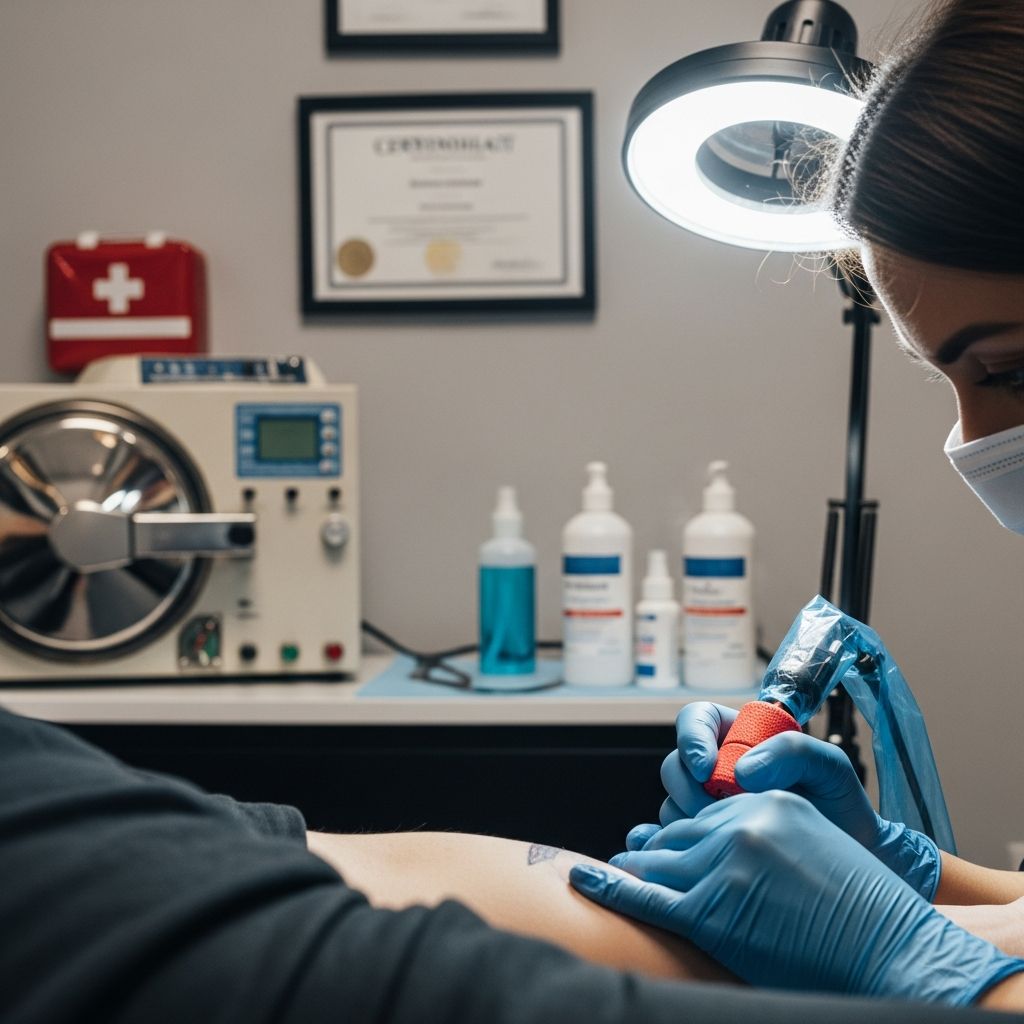
Tattoo studios operate in a high-risk environment where skin piercing and permanent ink application can lead to serious health complications if not handled properly. Clients seeking body art expect professional standards, but when injuries occur due to carelessness, legal accountability comes into play. This article delves into the key aspects of holding tattoo establishments responsible for harm caused to customers.
Legal Foundations of Accountability in Tattoo Services
At the heart of any claim against a tattoo studio lies the principle of negligence, a cornerstone of personal injury law. To succeed, an injured client must demonstrate that the studio or artist owed a specific duty of care, breached that duty through substandard actions, and directly caused verifiable damages as a result.
The duty of care requires tattoo professionals to adhere to industry standards, such as using sterile equipment, checking client health histories, and following proper aftercare instructions. Breaches might include reusing unsterilized needles or ignoring allergy warnings, potentially leading to infections or allergic reactions.
Common Hazards Leading to Injury Claims
Tattoo-related injuries span a wide range, from medical issues to physical accidents within the studio premises. Understanding these helps clients recognize when they have grounds for legal action.
- Infections and Disease Transmission: Poor sanitation practices, like inadequate sterilization, can introduce bacteria or bloodborne pathogens such as hepatitis.
- Allergic Reactions: Failure to verify ink safety or client sensitivities may cause severe skin responses.
- Botched Designs and Scarring: Incorrect application leading to excessive scarring beyond normal healing or designs deviating significantly from agreements.
- Premises Accidents: Slips on wet floors, trips over cords, or falls in high-traffic areas.
These incidents underscore the need for rigorous hygiene protocols and safe studio environments, as mandated by health regulations in many jurisdictions.
Navigating Waivers and Defenses
Tattoo studios often require clients to sign waivers acknowledging risks like minor infections or healing variations. However, these documents do not shield against gross negligence, such as deliberate use of contaminated tools.
| Defense Type | Description | Effectiveness Against Claims |
|---|---|---|
| Waivers | Signed agreements outlining known risks | Limited; invalid for reckless conduct |
| Client Non-Compliance | Failure to follow aftercare | May reduce liability if proven |
| Pre-Existing Conditions | Undisclosed health issues | Shifts blame if not revealed |
| Insurance Coverage | General and professional liability policies | Protects studio financially |
While waivers provide some protection, courts scrutinize them closely, especially in cases of egregious errors.
Pursuing a Personal Injury Claim Step-by-Step
Initiating a claim begins with gathering evidence: medical records, photos of the injury, the waiver, and witness statements. Consulting a personal injury attorney early is crucial to evaluate viability.
- Document Everything: Record symptoms, treatments, and communications with the studio.
- Seek Medical Attention: Professional diagnosis strengthens causation arguments.
- File a Demand Letter: Outline damages and demand compensation.
- Negotiate or Litigate: Many cases settle; lawsuits proceed if needed.
- Calculate Damages: Include medical bills, lost wages, pain, and scarring correction costs.
Success hinges on proving the studio’s breach directly caused harm, often requiring expert testimony on tattooing standards.
Breach of Contract vs. Negligence Claims
Not all disputes qualify as personal injury. Dissatisfaction with a tattoo’s appearance might fall under breach of contract if it materially differs from the agreed design, limiting recovery to correction costs rather than full injury compensation.
For instance, if a client approves a sketch but receives a distorted version causing no physical harm, courts treat it contractually. Physical injuries elevate it to negligence territory.
Regulatory Standards and Artist Licensing
Many states impose licensing on tattoo artists and studios, requiring health and safety compliance. Facilities must use autoclaves for sterilization and verify ink recalls. Violations of these rules bolster negligence claims by establishing a breached legal duty.
Parents of minors tattooed without consent may pursue claims, as such acts violate age restrictions and consent laws.
Insurance Essentials for Tattoo Businesses
Studio owners mitigate risks through tailored insurance. General liability covers premises slips and basic injuries, while professional liability (E&O) addresses errors like infections or faulty work.
- Communicable disease coverage for infection claims.
- Bodily injury protection for accidents.
- Product liability for ink-related issues.
Without adequate coverage, owners face personal financial ruin from lawsuits.
Preventive Measures for Safer Studios
To minimize liability, studios should implement strict protocols: regular equipment checks, staff training on bloodborne pathogens, clear client consultations, and comprehensive waivers. Maintaining a clean, hazard-free space reduces premises claims.
Real-World Case Insights
Cases often involve infections from unsterile needles, leading to settlements covering antibiotics and removal procedures. Severe instances, like HIV transmission, result in multimillion-dollar awards, highlighting the stakes.
In aesthetic disputes, courts award laser removal costs if designs breach contracts significantly.
Frequently Asked Questions
Can I sue for a tattoo that looks bad but didn’t cause injury?
Possibly under breach of contract if it deviates substantially from the agreed design, but damages are typically limited to fix costs.
Do waivers prevent all lawsuits?
No, they don’t cover gross negligence or regulatory violations.
What if I ignored aftercare instructions?
The studio may argue comparative fault, reducing your compensation.
Are tattoo artists required to be licensed everywhere?
Requirements vary by state; many mandate health training and facility inspections.
How much can I recover in a claim?
Depends on damages: medical expenses, lost income, pain and suffering, and punitive awards in extreme cases.
References
- Tattoo Parlor Liability For Personal Injury — AllLaw. 2023. https://www.alllaw.com/articles/nolo/personal-injury/tattoo-parlor-liability.html
- Can You Sue a Tattoo Artist or Tattoo Parlor? — Boston Injured. 2023. https://www.bostoninjured.com/can-you-sue-a-tattoo-artist-or-tattoo-parlor/
- Liability When Things Go Wrong At The Tattoo Parlor — Robert E. Craven Law. 2023. https://www.robertecravenlaw.com/liability-when-things-go-wrong-at-the-tattoo-parlor/
- 5 Common Liability Risks Tattoo Studios Face — Marine Agency. 2024-01-15. https://marineagency.com/5-common-liability-risks-tattoo-studios-face-and-how-to-insure-against-them/
- Beauty Parlor, Nail Salon, or Tattoo Parlor Injuries — Victims Lawyer. 2023. https://www.victimslawyer.com/practice-areas/personal-injury/premises-liability/beauty-parlor-nail-salon-or-tattoo-parlor-injuries/
- Tattoo Insurance Policies For Shops And Studios — biBerk. 2024. https://www.biberk.com/articles/tattoo-insurance-for-shops-and-studios
- Tattoo Shop Business Insurance in New York — Wexford Insurance. 2023. https://www.wexfordins.com/tattoo/new-york
Similar Articles








Read full bio of Sneha Tete




