
Tackling Unexpected Utility Bill Increases
Discover practical strategies and legal protections to combat surprise spikes in your electricity, gas, and water bills effectively.
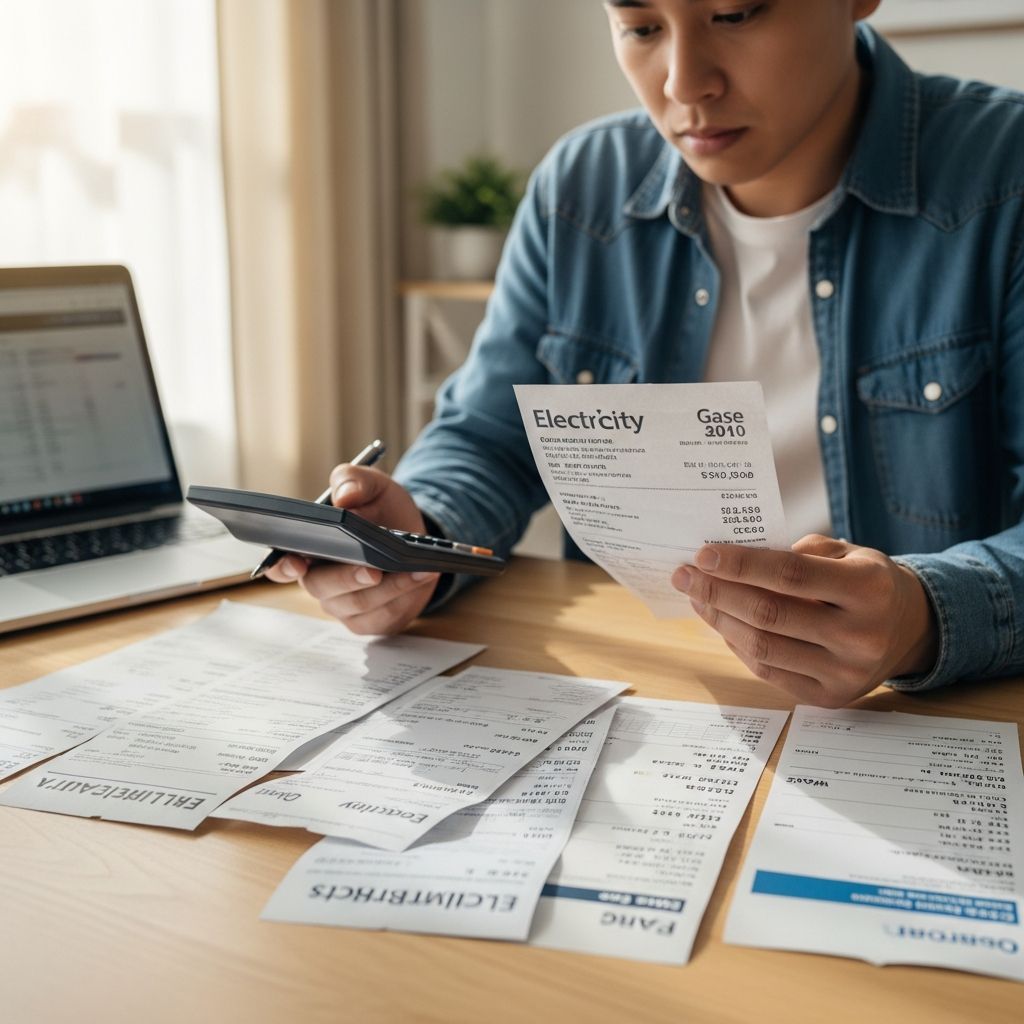
Utility bills that suddenly soar can disrupt household finances, often leaving consumers puzzled and frustrated. These spikes, sometimes exceeding 40% over prior months, stem from usage patterns, rate changes, or billing errors. Understanding root causes empowers proactive management, from auditing consumption to leveraging regulatory protections.
Common Triggers for Sudden Bill Surges
High utility costs frequently arise from environmental shifts and household dynamics. Extreme weather, such as heatwaves or cold snaps, drives up heating and cooling demands, inflating electricity use for air conditioners or furnaces. For instance, hotter summers increase cooling needs, while uninsulated homes lose conditioned air through drafts, amplifying expenses.
Changes in occupancy or habits also contribute. A new resident or seasonal visitor boosts laundry, lighting, and device usage, pushing kilowatt-hour (kWh) totals higher. Peak usage hours—typically 10 a.m. to 8 p.m. weekdays—incur premium ‘time-of-use’ rates if appliances run then, as utilities charge more during high-demand periods.
Market factors play a role too. Fuel price fluctuations for power generation and events like storms raise supply costs, passed to customers. Hidden add-ons, such as service protection plans or green energy surcharges, embed surprise fees, particularly affecting older demographics.
Diagnosing Your Bill: Step-by-Step Investigation
Start by reviewing past bills to establish baselines. Compare kWh usage month-over-month; a spike without lifestyle changes signals issues like leaks or faulty wiring. Faulty wiring, though rare, overheats and wastes power—watch for flickering lights or tripped breakers, and call a professional immediately.
Examine line items closely. Question unfamiliar charges: meter fees, demand charges, or ‘benefit period’ expirations where introductory discounts end, reverting to standard rates. Variable plans expose users to market swings; fixed-rate contracts offer predictability.
- Track usage patterns: Note seasonal trends and peak-hour activities.
- Inspect your meter: Verify readings match your bill; request utility inspection if discrepancies appear.
- Conduct a home energy audit: Identify leaks, inefficient appliances, or ‘vampire’ power from standby electronics.
Tools like online usage trackers from providers help monitor real-time consumption, revealing inefficiencies early.
Proven Ways to Slash Your Energy Consumption
Simple adjustments yield significant savings. Optimize HVAC by raising summer thermostats 2-3 degrees and lowering winter ones equivalently, potentially cutting bills 10-20%. Programmable thermostats automate this for unoccupied times.
Upgrade to LEDs, which use 75% less energy than incandescents, and unplug ‘standby vampires’ like chargers. Fans circulate air, easing HVAC load if positioned correctly. Run full loads in dishwashers and washers during off-peak hours.
| Quick Fix | Potential Savings | How to Implement |
|---|---|---|
| Seal air leaks | 10-20% on heating/cooling | Weatherstrip doors/windows, insulate attic |
| LED bulbs | 75% per bulb | Replace incandescents throughout home |
| Thermostat tweak | 5-15% annually | Adjust 1-2 degrees, use smart device |
| Off-peak laundry | Up to 30% on peak rates | Schedule mornings/nights |
| Unplug devices | 5-10% overall | Use power strips for easy shutoff |
Insulate water heaters and service annually for efficiency. These habits, combined, can reduce bills substantially without lifestyle overhauls.
Navigating Provider Choices and Rate Plans
In deregulated markets like Texas, New Jersey, or Pennsylvania, shop suppliers for fixed-rate plans shielding against volatility. Platforms compare offers, highlighting ‘benefit periods’—promo durations varying by retailer, often 12 months—beyond which rates normalize.
Switching is straightforward: select a plan, notify your utility (who handles delivery), and avoid early termination fees by checking contracts. Fixed rates lock costs for 12+ months, ideal for budgeting.
- Compare via independent sites for tailored options.
- Prioritize no hidden fees or short benefit periods.
- Opt for renewables if incentives apply, but verify add-on costs.
Your Legal Rights Against Billing Errors
Regulations protect consumers. Federal law mandates clear billing; disputes must be addressed promptly. State public utility commissions (PUCs) oversee complaints—file if bills seem erroneous.
Recent laws, like those preventing ‘sticker shock,’ require usage alerts for potential spikes, allowing adjustments. Challenge hidden fees: service plans or surcharges need opt-in consent. Request detailed usage history; utilities must provide.
Steps for disputes:
- Contact provider in writing within bill cycle.
- Escalate to PUC if unresolved (e.g., PUC.texas.gov).
- Seek refunds for overcharges; caps exist on late fees.
Low-income programs offer bill assistance; check eligibility via 211.org or state agencies.
Long-Term Strategies for Bill Stability
Beyond fixes, invest in efficiency: energy-star appliances, solar panels (with rebates), or audits via utilities. Track annually; apps visualize trends.
Climate impacts peak demand, raising infrastructure costs. Advocate for policies via PUC comments. Budget 10% buffer for variables.
Frequently Asked Questions (FAQs)
Why did my bill double without warning?
Common culprits include weather extremes, added household members, or promo rate endings. Compare kWh to confirm.
Can I switch providers mid-contract?
Yes, in choice markets, with minimal fees. Fixed plans prevent spikes.
What if I spot a billing error?
Notify in writing; providers must investigate. Escalate to regulators.
Do smart thermostats really save money?
Yes, by optimizing temps, saving 10%+ on HVAC.
Are hidden fees legal on utility bills?
Only with consent; challenge unauthorized add-ons like protection plans.
This comprehensive approach—diagnosis, efficiency, smart shopping, and rights assertion—equips you against surprises. Implement gradually for lasting control.
References
- Prevent Surprise Spikes in Your Energy Bills with This Simple Tip — Budget Hero. 2023. https://budgethero.com.au/prevent-surprise-spikes-in-your-energy-bills-with-this-simple-tip/
- Why Is My Electric Bill So High? — Constellation Energy. 2024-10-15. https://www.constellation.com/energy-101/energy-education/why-is-my-electric-bill-so-high.html
- Boomers Are Being Hit With Surprise Subscription Fees Hidden in Utility Bills — SavingAdvice. 2025-12-05. https://www.savingadvice.com/articles/2025/12/05/10706583_boomers-are-being-hit-with-surprise-subscription-fees-hidden-in-utility-bills.html
- Why Is My Electric Bill So High? — Energy Harbor. 2024. https://energyharbor.com/energy-resources/energy-savings-tips/why-is-my-electric-bill-so-high
- Why you’re paying more for electricity — EDF Vital Signs. 2023. https://vitalsigns.edf.org/story/hidden-factor-behind-your-high-electric-bill
- How to Save Money on Your Electric Bill — Experian. 2024. https://www.experian.com/blogs/ask-experian/how-to-save-money-electric-bill/
- Governor signs bill aimed at preventing utility bill ‘sticker shock’ — News from the States. 2024. https://www.newsfromthestates.com/article/governor-signs-bill-aimed-preventing-utility-bill-sticker-shock
Similar Articles








Read full bio of medha deb


