
Neighborhood Blights: A Practical Legal Guide For Homeowners
Discover effective legal strategies to resolve eyesore properties next door and safeguard your home's value and community standards.
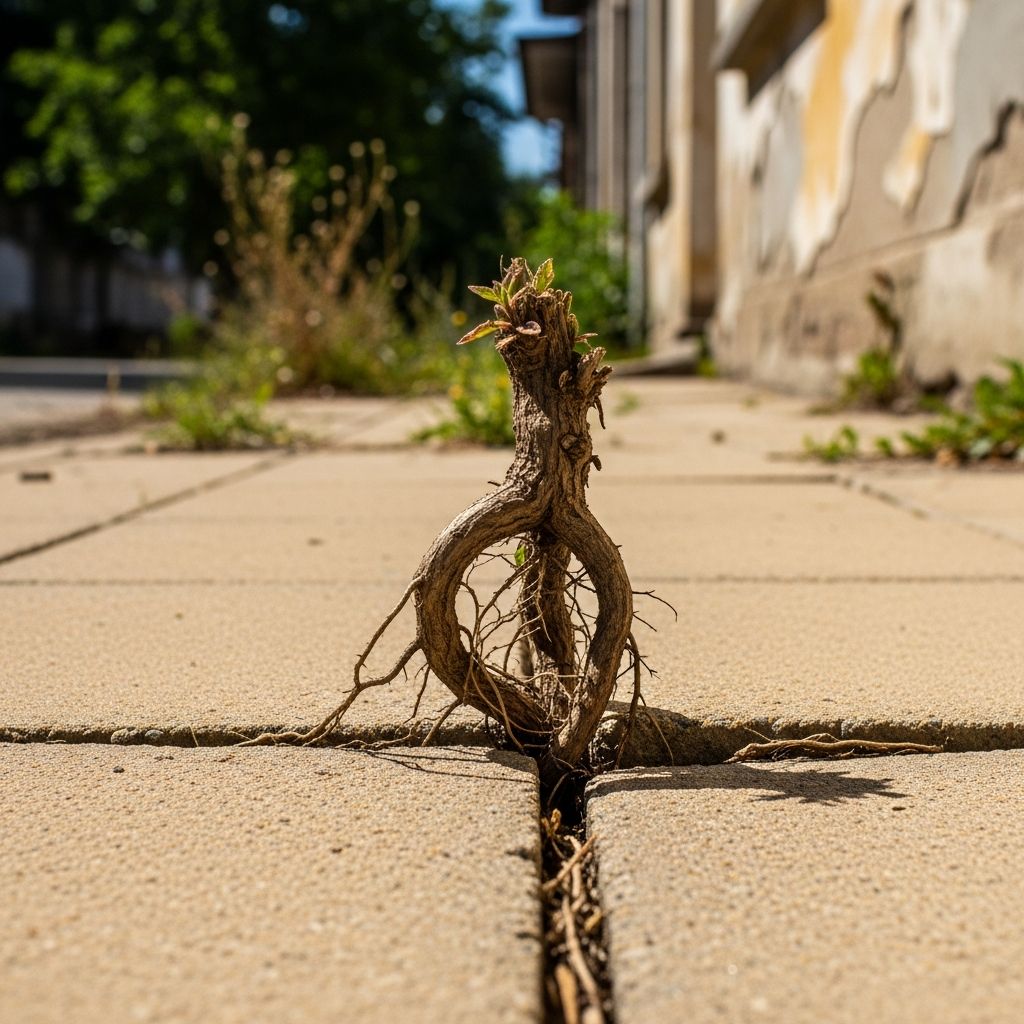
Unsightly properties can diminish the appeal of entire communities, affecting home values and quality of life. Homeowners facing overgrown yards, accumulated debris, or dilapidated structures next door often feel powerless, but structured legal pathways exist to restore neighborhood harmony.
Recognizing Common Property Nuisances
Neighborhood blights typically include tall weeds exceeding local limits, piles of discarded items like old vehicles or appliances, peeling paint on structures, and unmanaged trash heaps. These issues not only create visual discord but can pose health risks, such as attracting pests or harboring fire hazards.
- Overgrown vegetation: Grass or weeds over 6-12 inches violate many municipal codes.
- Junk accumulation: Inoperable cars, tires, or metal scraps often breach zoning rules.
- Structural neglect: Rotting fences or sagging roofs signal maintenance failures.
- Trash buildup: Ongoing garbage piles invite rodents and fines.
These problems impact resale prices; studies show unkempt adjacent lots can reduce nearby home values by 5-10%.
Initial Steps: Amicable Resolutions
Before escalating, attempt friendly dialogue. Approach your neighbor calmly, expressing concerns without accusation—perhaps offer assistance like lending tools for cleanup. In cases of elderly or overwhelmed owners, local programs may provide mowing aid for veterans.
If direct talks fail, document everything: photograph the property from public views, note dates, and track patterns. This evidence proves invaluable later.
Leveraging Homeowners Associations
In governed communities, HOAs enforce covenants designed to uphold aesthetics and values. Report violations via email or meetings, highlighting risks to collective property worth. HOAs can issue warnings, impose fines, or even perform cleanups billed to the offender.
| HOA Action | Typical Timeline | Potential Outcome |
|---|---|---|
| Warning Letter | 1-2 weeks | Compliance or fine |
| Site Inspection | 2-4 weeks | Mandatory fixes |
| Fines/ Liens | 30-90 days | Forced resolution |
HOAs prioritize issues affecting sales, like eyesores near listings, to prevent buyer deterrence.
Municipal Code Enforcement
Absent an HOA, contact city or county code offices. Most locales mandate property maintenance via ordinances capping grass heights, banning junk storage, and requiring trash removal. Enforcement officers inspect, cite violators, and grant 30-90 days for compliance.
For severe cases—like mosquito-breeding tire stacks—agencies act swiftly on health grounds over mere aesthetics.
- Locate contacts: Search “[your city] code enforcement” online.
- Report anonymously if preferred.
- Follow up: Agencies may need nudges for busy dockets.
Building Barriers for Immediate Relief
While pursuing official channels, erect privacy measures. Fences (check height limits), hedges, or trellises block views without confrontation. Ensure compliance with setbacks and materials rules to avoid your own violations.
Vegetation options grow quickly: fast species like arborvitae screen effectively in 1-2 years.
Pursuing Nuisance Claims in Court
If administrative routes stall, consider private nuisance lawsuits. These claim interference with property enjoyment. Public nuisances affect broader groups, strengthening cases with neighbor petitions.
Small claims court handles many disputes affordably; seek injunctions to compel cleanups rather than damages. Success hinges on hazards over ugliness—e.g., fire risks from debris trump visual blight.
Consult attorneys for complex zoning disputes or value-loss proofs via appraisals.
Zoning and Ordinance Deep Dive
Local laws vary: coastal areas protect views from obstructions; suburbs curb livestock or businesses. Review zoning maps and codes online or at planning departments. Violations like unpermitted structures trigger interventions.
Petitions to boards can force abatements if multiple residents unite.
Preventive Community Strategies
Proactive neighborhoods form watch groups monitoring standards, host cleanups, or lobby for stricter ordinances. Annual property audits via apps foster accountability without targeting individuals.
Potential Pitfalls and Protections
Avoid retaliation traps like unauthorized cleanups on private land—trespass risks fines. Know boundaries precisely via surveys. Insurance rarely covers neighbor disputes, so budget for legal fees.
Health/safety angles (e.g., stagnant water) yield faster results than cosmetic gripes.
Frequently Asked Questions
Can an eyesore truly lower my home value?
Yes, neglected adjacent properties deter buyers, potentially dropping values 5-10%, per real estate analyses.
What if my neighbor ignores city notices?
Escalation leads to liens, forced sales, or liens in extreme cases after repeated non-compliance.
Is suing for ugliness alone viable?
Rarely; courts favor provable harms like safety risks over subjective aesthetics.
How long do code fixes take?
30-90 days typically, though urgent health issues accelerate.
Do HOAs always act fairly?
Most do, but appeals exist via bylaws; document for board meetings.
Empowering Your Community Today
Addressing blights methodically—from chats to courts—reclaims neighborhood pride. Persistence and documentation turn frustrations into fixes, benefiting all residents long-term.
References
- 5 Ways to Deal With the Eyesore Next Door — Trulia. 2023-05-15. https://www.trulia.com/blog/5-ways-to-deal-with-the-eyesore-next-door/
- I Have Bad Neighbors? What Can You Do Legally — Solution Law, APC. 2024-08-22. https://solutionlawapc.com/2024/08/22/i-have-bad-neighbors-what-can-you-do-legally/
- Inside the Law: Neighbor’s eyesore property rights — Audacy. 2023-11-10. https://www.audacy.com/kywnewsradio/articles/feature-article/inside-law-neighbors-eyesore-property-rights
- What You Can (And Cannot) Do About A Bad Neighbor — LegalNature. 2024-02-28. https://www.legalnature.com/guides/what-you-can-and-cannot-do-about-a-bad-neighbor
- Can I Sue My Neighbor for Lowering My Property Value? — HomeLight. 2024-06-12. https://www.homelight.com/blog/can-i-sue-my-neighbor-for-lowering-my-property-value/
Similar Articles








Read full bio of Sneha Tete


