
Youth Incarceration: 5 Essential Reforms To End Solitary Use
Examining the systemic abuse of minors in carceral settings.
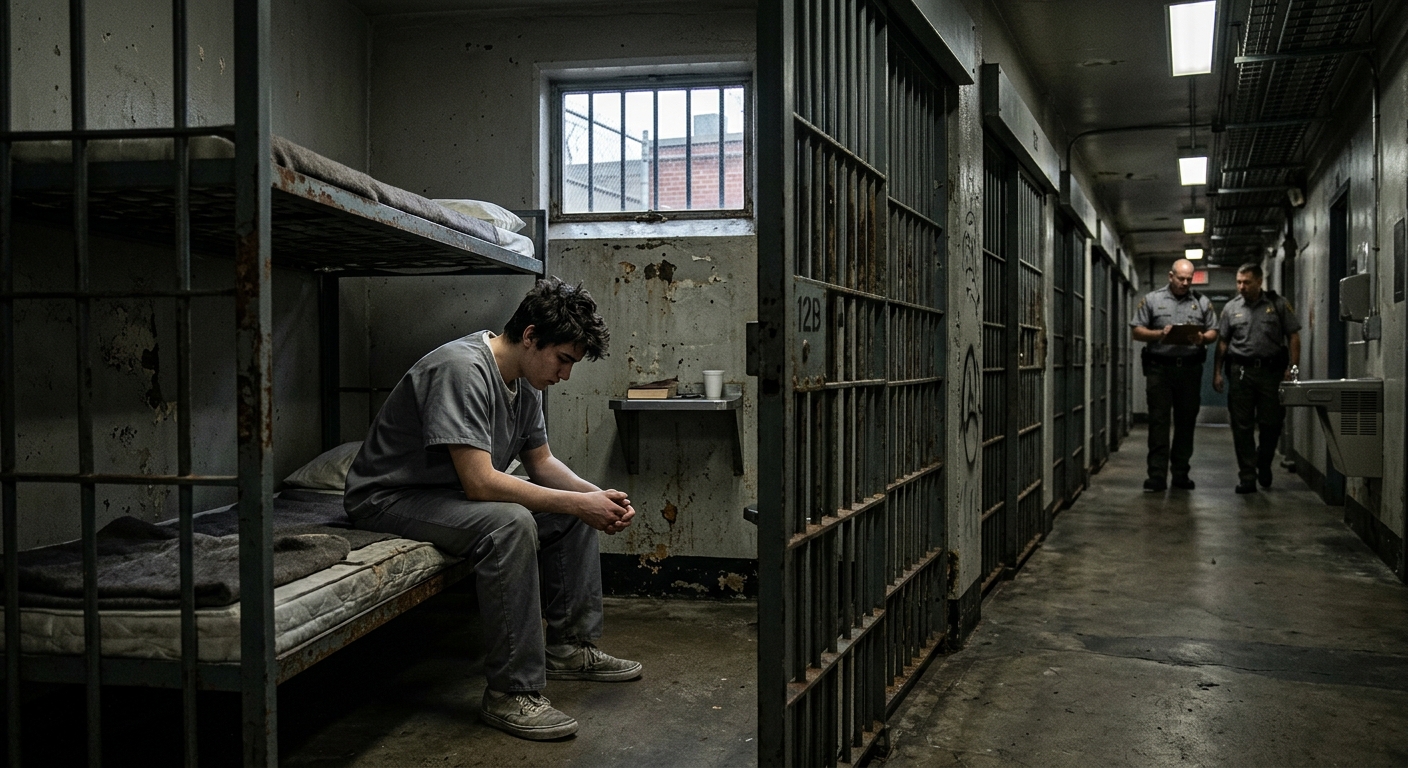
The Shadow Pandemic of Youth Incarceration
When society envisions the incarceration of youth, the immediate assumption is often one of rehabilitation, education, and age-appropriate intervention. However, the reality hidden behind the razor wire of both global military prisons and domestic juvenile detention centers paints a profoundly different picture. Across the world, young people held in state custody frequently face punitive measures initially engineered for fully grown adults. This systemic “adultification” strips minors of their inherent vulnerabilities and legal protections, subjecting them to environments characterized by psychological distress and physical severity.
Whether a teenager is detained during an overseas armed conflict or placed in a state-run neighborhood boot camp, the underlying philosophies governing their confinement share a disturbing resonance. The abuse of youth in custody is not an isolated phenomenon restricted to a single geography or legal jurisdiction; rather, it is a universal failure of the carceral state. By examining the intersections between national security detentions and domestic youth facilities, we can uncover a pervasive culture of mistreatment, inadequate training, and the normalization of extreme disciplinary tactics against developing minds.
Caught in the Crossfire: Children in National Security Detentions
In the theater of global armed conflict, the lines between civilian and combatant are notoriously blurred, and children are frequently caught in the devastating crossfire. International frameworks, such as the United Nations Convention on the Rights of the Child, explicitly demand that youth apprehended in conflict zones be treated primarily as victims. These protocols emphasize rehabilitation, psychosocial recovery, and reintegration into society . Yet, the practical execution of national security operations often directly contravenes these global standards.
Young detainees swept up in foreign military operations have historically been reclassified using terminology that strips them of juvenile protections. By labeling teenage captives as “unprivileged belligerents,” authorities bypass the fundamental human rights safeguards designed to protect minors. This legal maneuvering allows military tribunals to prosecute 14- and 15-year-olds with the same severity as adult combatants. The resulting incarcerations are characterized by extended periods of isolation, aggressive interrogation techniques, and years spent in holding facilities without formal charges.
For a young person detained in a military prison, the deprivation of education, familial contact, and developmental support acts as a form of secondary trauma. Instead of receiving the rehabilitative care mandated by international law, these youths are subjected to sensory deprivation and solitary confinement, tactics that inflict severe and lasting psychological scars on an adolescent still in the formative stages of cognitive development.
The Domestic Mirror: Brutality in Youth Facilities
The harsh realities of offshore military detentions are disturbingly mirrored within the borders of the United States. Domestic juvenile justice systems, frequently heralded as rehabilitative, routinely deploy militaristic tactics and extreme isolation to control incarcerated youth. Youth boot camps, training schools, and local detention centers have repeatedly come under scrutiny for systemic physical abuse and the heavy-handed application of force.
Within these facilities, the justification for physical violence is often shrouded in bureaucratic language. Institutional use-of-force reports frequently cite “serious disruption” as the primary catalyst for the deployment of chemical agents, restraint chairs, or physical takedowns . However, deeper investigations into these incidents routinely reveal a disproportionate response. A teenager refusing to follow a minor directive or experiencing a mental health crisis is quickly met with overwhelming physical dominance by facility guards. This aggressive posture transforms the supposed environment of care into an active combat zone for the detained youth.
Perhaps the most egregious parallel between domestic facilities and national security prisons is the widespread reliance on solitary confinement. Despite the overwhelming consensus among medical professionals that isolation is profoundly damaging to adolescents, thousands of young people in domestic custody are locked alone in small cells for 22 to 24 hours a day. Used as a disciplinary crutch rather than a last resort, solitary confinement denies youths the fundamental social interaction necessary for healthy human development, pushing many to the brink of despair.
The Intersection of Inadequate Training and Systemic Abuse
A central driver of the violence and mistreatment observed in both military and domestic youth detentions is the glaring deficit in specialized personnel training. The administration of a juvenile facility requires a fundamentally different skill set than managing an adult penitentiary or a prisoner-of-war camp. Yet, the personnel assigned to oversee detained youths frequently lack essential training in adolescent psychology, de-escalation techniques, and trauma-informed care.
In the context of national security, military police tasked with guarding juvenile detainees often rely on procedures inherited from civilian adult corrections. Without a specialized mandate for handling minors, these guards default to the only paradigm they know: rigid enforcement and physical dominance. Similarly, in the domestic sphere, the high turnover rates and underfunding of juvenile facilities lead to the employment of staff who are ill-equipped to manage the complex behavioral needs of traumatized teenagers.
This cross-pollination of adult correctional methodologies into youth spaces creates a toxic environment. When staff are trained to view their wards primarily as security threats rather than developing children in need of guidance, the threshold for deploying extreme disciplinary measures drops dramatically. The systemic abuse of young prisoners is rarely the result of a few bad actors; it is the inevitable consequence of a structural failure to prioritize pediatric and adolescent care within the carceral system.
The Neurobiological and Psychological Toll on Developing Minds
The human brain continues to undergo profound structural changes well into a person’s mid-twenties. The prefrontal cortex, which governs impulse control, emotional regulation, and complex decision-making, is particularly vulnerable during adolescence. Subjecting a teenager to the intense stress of a militarized prison environment or the sensory deprivation of solitary confinement fundamentally alters their neurological trajectory.
Major medical institutions have vehemently condemned the isolation of minors. The American Academy of Child & Adolescent Psychiatry (AACAP) and the American Psychiatric Association (APA) have both issued definitive statements emphasizing that solitary confinement can induce severe depression, anxiety, and even psychosis in adolescents . Stripping a young person of social contact, educational stimulation, and natural light does not correct behavioral issues; it exacerbates them, frequently leading to irreversible psychological damage.
The most tragic consequence of these punitive environments is the exponentially higher risk of self-harm. Youth held in solitary confinement are significantly more likely to attempt suicide compared to their peers in the general facility population. The developmental regression experienced in isolation ensures that when these young people are eventually released—whether from a domestic youth center or a military tribunal—they are returning to society grappling with profound post-traumatic stress disorder and a severely diminished capacity to navigate adult life.
Comparative Analysis: Domestic vs. Military Youth Detentions
While the geographical and legal contexts of national security prisons and local juvenile halls differ wildly, a comparative analysis reveals striking operational similarities regarding the treatment of youth. The table below highlights the structural parallels between these two distinct carceral spheres.
| Systemic Element | National Security Detentions | Domestic Juvenile Facilities |
|---|---|---|
| Legal Classification | Often categorized as “unprivileged belligerents” to bypass international juvenile protections. | Frequently “adultified” through legal waivers, allowing prosecution and sentencing as adults. |
| Use of Isolation | Prolonged solitary confinement utilized for interrogation, punishment, or administrative convenience. | Routine room confinement or segregation used as a primary disciplinary tool for minor infractions. |
| Staffing & Training | Guards primarily trained in military policing or adult corrections; lack pediatric specialization. | Staff often lack adequate trauma-informed training; heavy reliance on physical control methods. |
| Oversight & Accountability | Highly restricted access for independent monitors; actions protected under national security classifications. | Fragmented state regulations; internal use-of-force investigations often lack external transparency. |
Forging a Path Forward: Essential Reforms in Youth Detention
Rectifying the systemic abuse of young prisoners requires a total paradigm shift. Carceral systems, both domestic and international, must abandon the “control and punish” model in favor of a developmentally appropriate framework. The following structural reforms are essential to protect the human rights of detained youth:
- Total Abolition of Juvenile Solitary Confinement: Legal mandates must strictly prohibit the isolation of anyone under the age of 18, limiting room confinement exclusively to brief, emergency cooling-off periods strictly monitored by medical staff.
- Mandatory Specialized Training: Any personnel interacting with detained youth must undergo rigorous training in adolescent brain development, conflict de-escalation, and trauma-responsive care.
- Strict Enforcement of International Protections: Military tribunals and national security apparatuses must adhere to the UN Convention on the Rights of the Child, completely barring the adultification of adolescent detainees.
- Independent Oversight and Transparency: Juvenile facilities and military prisons housing youth must be subject to unannounced inspections by independent, non-governmental child welfare advocates to ensure compliance with human rights standards.
- Prioritizing Rehabilitation Over Retribution: Funding and institutional focus must pivot entirely toward robust educational programming, mental health counseling, and family reunification strategies.
Frequently Asked Questions (FAQ)
What does international law say about the detention of youth in armed conflicts?
International frameworks, including the UN Convention on the Rights of the Child, dictate that children associated with armed forces must be treated primarily as victims of exploitation. They are entitled to special protections, educational access, and rehabilitative care, and should never be subjected to torture, cruel treatment, or prolonged arbitrary detention.
Why is solitary confinement particularly dangerous for adolescents?
During adolescence, the brain is highly plastic and deeply reliant on social interaction and sensory input to develop properly. Solitary confinement deprives the brain of these essential stimuli, which can cause severe developmental regression, exacerbate underlying mental health issues, and vastly increase the risk of depression, psychosis, and suicide.
How do domestic juvenile facilities justify the use of extreme physical force?
Often, staff in juvenile facilities cite internal codes like “serious disruption” to justify physical takedowns or the use of restraints. However, independent audits routinely show that these measures are disproportionately applied to non-violent infractions, such as a youth refusing to return to their room or experiencing an emotional outburst, highlighting a critical lack of de-escalation training.
Can a child legally be treated as an adult in the justice system?
Yes. Both in military contexts (where youth can be labeled unprivileged belligerents) and in domestic settings (through judicial waivers or statutory exclusions), legal mechanisms exist that allow minors to be stripped of juvenile protections. This “adultification” allows them to be tried, sentenced, and punished as fully culpable adults, a practice fiercely condemned by child rights advocates.
Conclusion: A Moral Imperative for the Next Generation
The measure of a society’s justice system is not found in how it treats its most privileged citizens, but in how it handles its most vulnerable. The continued reliance on brutal physical force, extreme isolation, and militarized discipline against developing youths represents a catastrophic moral failure. Whether a teenager is locked in a high-security military compound abroad or a cinderblock cell in a neighborhood detention center, their fundamental right to physical safety and developmental support remains absolute. Upholding these rights is not merely a matter of legal compliance; it is an urgent imperative to reclaim the humanity of the next generation from the shadows of the carceral state.
References
- Children and Armed Conflict: Report of the Secretary-General — United Nations. 2024-06-03. https://docs.un.org/api/symbol/Document/Download?symbol=A/79/878
- Solitary Confinement of Juvenile Offenders — American Academy of Child & Adolescent Psychiatry (AACAP). 2012-04-01. https://www.aacap.org/aacap/policy_statements/solitary_confinement_of_juvenile_offenders.aspx
- Position Statement on Solitary Confinement (Restrictive Housing) of Adolescents — American Psychiatric Association (APA). 2024-05-01. https://www.psychiatry.org/File%20Library/About-APA/Organization-Documents-Policies/Policies/Position-Solitary-Confinement-Adolescents.pdf
- Conditions of Confinement: Findings From the Survey of Youth in Residential Placement — Office of Juvenile Justice and Delinquency Prevention (OJJDP). 2010-05-01. https://www.ojp.gov/pdffiles1/ojjdp/227323.pdf
Similar Articles








Read full bio of Sneha Tete




