
Synthetic Nicotine Vapes: Legal Status Guide
Unravel the complex legal landscape of synthetic nicotine vaping products across the U.S., from federal crackdowns to state-specific bans.
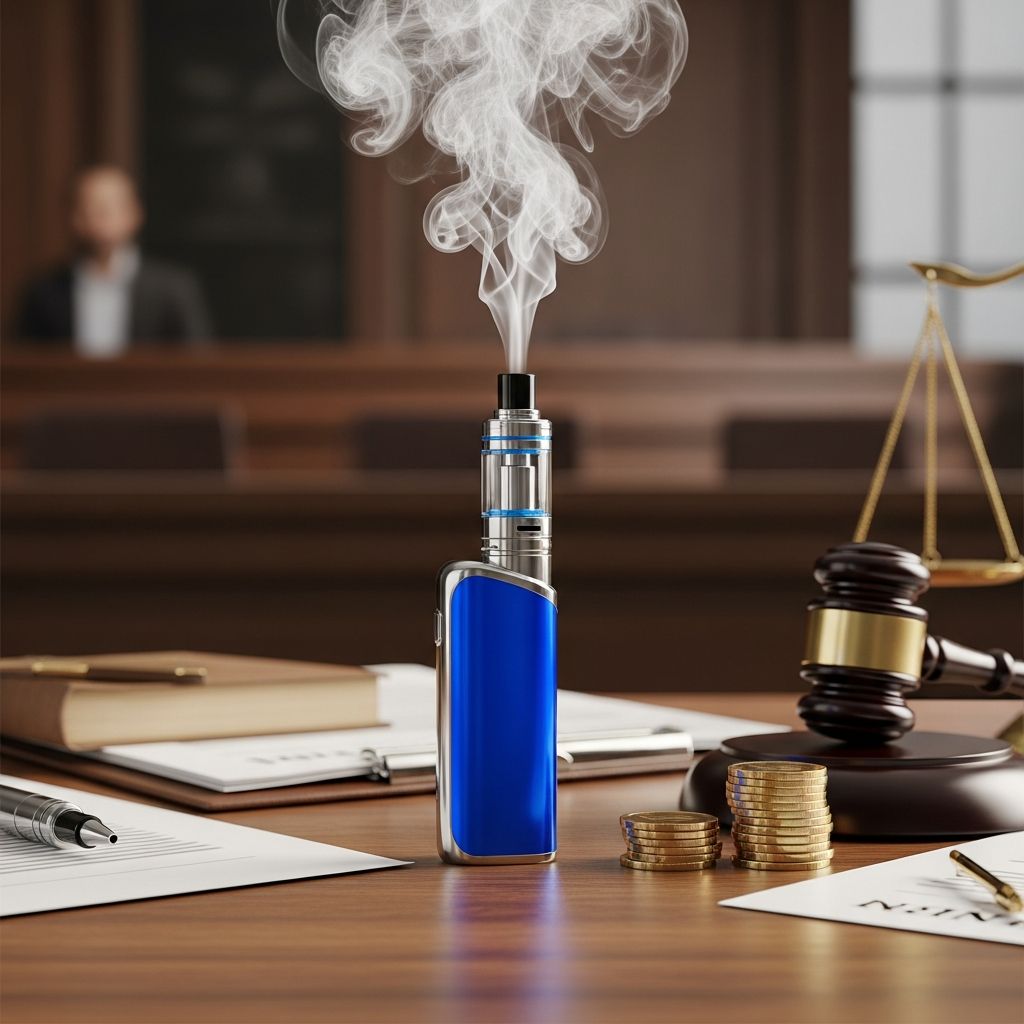
Synthetic nicotine has emerged as a pivotal element in the vaping industry, designed to replicate the effects of traditional tobacco-derived nicotine without relying on plant-based sources. However, its legal standing remains fraught with challenges at both federal and state levels, shaped by ongoing regulatory efforts to curb youth access and ensure product safety.
Federal Foundations: FDA’s Authority Over Non-Tobacco Nicotine
The U.S. Food and Drug Administration (FDA) solidified its regulatory power over synthetic nicotine through legislation enacted in April 2022. This law explicitly extended oversight to products containing nicotine from any source, closing a previous loophole exploited by manufacturers. Prior to this, companies marketed e-liquids with lab-created nicotine to sidestep premarket requirements, leading to a surge in unauthorized youth-appealing products.
Key compliance deadlines were stringent: manufacturers had until May 14, 2022, to submit Premarket Tobacco Product Applications (PMTAs) for non-tobacco nicotine items. The FDA responded swiftly, issuing initial warning letters to firms like AZ Swagg Sauce LLC and Electric Smoke Vapor House for listing thousands of products without proper filings. As of 2026, only FDA-authorized products can be legally marketed, with the agency still reviewing legacy applications from the 2020-2022 window.
State-Level Crackdowns: California’s Unflavored Tobacco Revolution
California leads the charge in state-specific restrictions, enforcing an Unflavored Tobacco List starting January 1, 2026. Retailers may only sell vape, nicotine pouch, or tobacco products listed by the Department of Justice, effectively limiting options to tobacco-flavored varieties. This builds on the 2020 flavored tobacco ban, which outlawed fruit, mint, menthol, and dessert flavors, now extending to ‘coolant’ additives mimicking menthol sensations.
Manufacturers face rigorous hurdles: applications cost $300 initially ($150 for renewals), requiring either FDA marketing authorization or a pending PMTA from the September 2020 deadline. The list’s creation stems from 2024 legislation and August 2025 approvals, also banning synthetic nicotine, analogs like Metatine, and online flavored sales into the state. Non-compliance risks fines, seizures, and permit revocations, drastically shrinking consumer choices amid fewer than 40 nationwide FDA-approved vapes.
| Key California Dates | Details |
|---|---|
| October 9, 2025 | Application deadline for initial list inclusion |
| January 1, 2026 | Enforcement begins; only listed products legal |
| Annual | Renewal applications required |
Emerging Nicotine Analogs: The Metatine Controversy
Beyond synthetic nicotine, analogs like Metatine (linked to 6-methylnicotine or 6-MN) represent new battlegrounds. Marketed in products like SBX Vapes, Metatine is touted as a non-tobacco synthetic exempt from PMTA processes due to its chemical distinction. Promoters claim internal tests show safety comparable to standard additives, free of nitrosamines and impurities.
Yet, concerns mount: toxicology data suggest 6-MN induces higher oxidative stress and cellular toxicity than nicotine, potentially amplifying addiction and health risks. Public health advocates and regulators view it as a loophole, with the FDA signaling future clampdowns on such mimics. While currently legal in many states with 21+ restrictions, its unproven profile and PACT Act shipping rules demand caution for retailers.
Nationwide Patchwork: Other States’ Responses
- North Carolina: From July 1, 2025, only FDA-authorized vapes are permissible, targeting unauthorized imports and youth-oriented designs.
- Tennessee: Senate Bill 763, effective July 2025, mandates product registration, taxation, ID checks, and advertising limits, aligning with FDA PMTA standards.
- Washington: A 95% tax on all nicotine products—synthetic or tobacco-derived—aims to deter youth use and fund public services, closing tax code gaps.
- California Expansion: AB 762 bans disposable, battery-embedded vapes from January 1, 2026, complementing flavor restrictions.
This fragmented landscape reflects a trend: states leveraging local authority amid slow federal approvals, prioritizing youth protection over adult harm reduction.
Implications for Retailers and Consumers
Retailers must audit inventories against state lists and FDA databases, facing penalties up to $10,000 per violation in some areas. Training on age verification (21+ minimum) and PACT Act compliance for shipments is essential. Consumers encounter reduced flavors and devices, pushing many toward tobacco-only options or cessation.
Broader impacts include market consolidation favoring big tobacco firms with authorized products, while innovators struggle with costs. Public health goals—reducing teen vaping—clash with adult smokers’ switch to less harmful alternatives, sparking debates on overregulation.
Global Echoes: Lessons from South Korea
Internationally, South Korea’s April 2026 amendments redefine ‘tobacco’ to encompass synthetics, eliminating similar loopholes. This mirrors U.S. trajectories, suggesting escalating global scrutiny on lab-made nicotine substitutes.
Frequently Asked Questions (FAQs)
Is synthetic nicotine legal federally?
Yes, but only if FDA-authorized via PMTA; unauthorized products are illegal since 2022.
Can I sell flavored synthetic vapes in California?
No, only tobacco-flavored products on the Unflavored Tobacco List post-January 2026.
What is Metatine, and is it safer?
A 6-MN analog claiming exemption from rules; studies indicate potential higher toxicity.
Do state taxes apply to synthetic nicotine?
Yes, e.g., Washington’s 95% levy covers all nicotine sources.
Are disposable vapes banned nationwide?
Not federally, but states like California target them via AB 762.
Navigating Compliance in 2026
As regulations tighten, stakeholders must monitor FDA updates, state attorney general lists, and court rulings on PMTAs. Tools like official directories and legal counsel aid navigation. While aimed at youth protection, these rules reshape the $8 billion U.S. vape market, balancing safety with access.
Innovation persists: authorized open-system devices offer customization, but flavor bans limit appeal. Long-term, synthetic advancements may yield FDA nods if safety data convinces regulators. For now, compliance is paramount amid enforcement ramps.
References
- California to Enforce Strict Unflavored Tobacco List Starting January 2026 — MiPod Blog. 2025. https://mipod.com/blogs/mipodblog/california-to-enforce-strict-unflavored-tobacco-list-starting-january-2026
- FDA Continues to Implement Law, Regulate Non-Tobacco Nicotine Products — U.S. Food and Drug Administration. 2022-07-13. https://www.fda.gov/tobacco-products/ctp-newsroom/fda-continues-implement-law-regulate-non-tobacco-nicotine-products-warns-retailers-and-manufacturers
- Navigating New Vape Regulations: June 2025 Legal Developments — VapeTM Blog. 2025. https://vapetm.com/blogs/vape-vending-compliance-guide/navigating-new-vape-regulations-june-2025-legal-developments
- New Washington Law Imposes 95% Tax on Nicotine Products — KLEW TV. 2025. https://klewtv.com/news/local/new-washington-law-imposes-95-tax-on-nicotine-products
- California Prohibits Retailers from Selling Flavored Tobacco Products — California Department of Public Health. N/A. https://www.cdph.ca.gov/Programs/CCDPHP/DCDIC/CTCB/Pages/CAFlavorTobaccoLaw.aspx
- AB 762: Disposable, battery-embedded vapor inhalation device — California Legislature. 2025. https://calmatters.digitaldemocracy.org/bills/ca_202520260ab762
- South Korea closes synthetic nicotine loophole with new tobacco definitions — Tobacco Intelligence. 2025. https://tobaccointelligence.com/south-korea-closes-synthetic-nicotine-loophole-with-new-tobacco-definitions/
Similar Articles








Read full bio of medha deb


