
Synchronization Licenses: Comprehensive Guide For 2025
Unlock the essentials of sync licenses: legal permissions to pair music with visuals in films, ads, and videos.
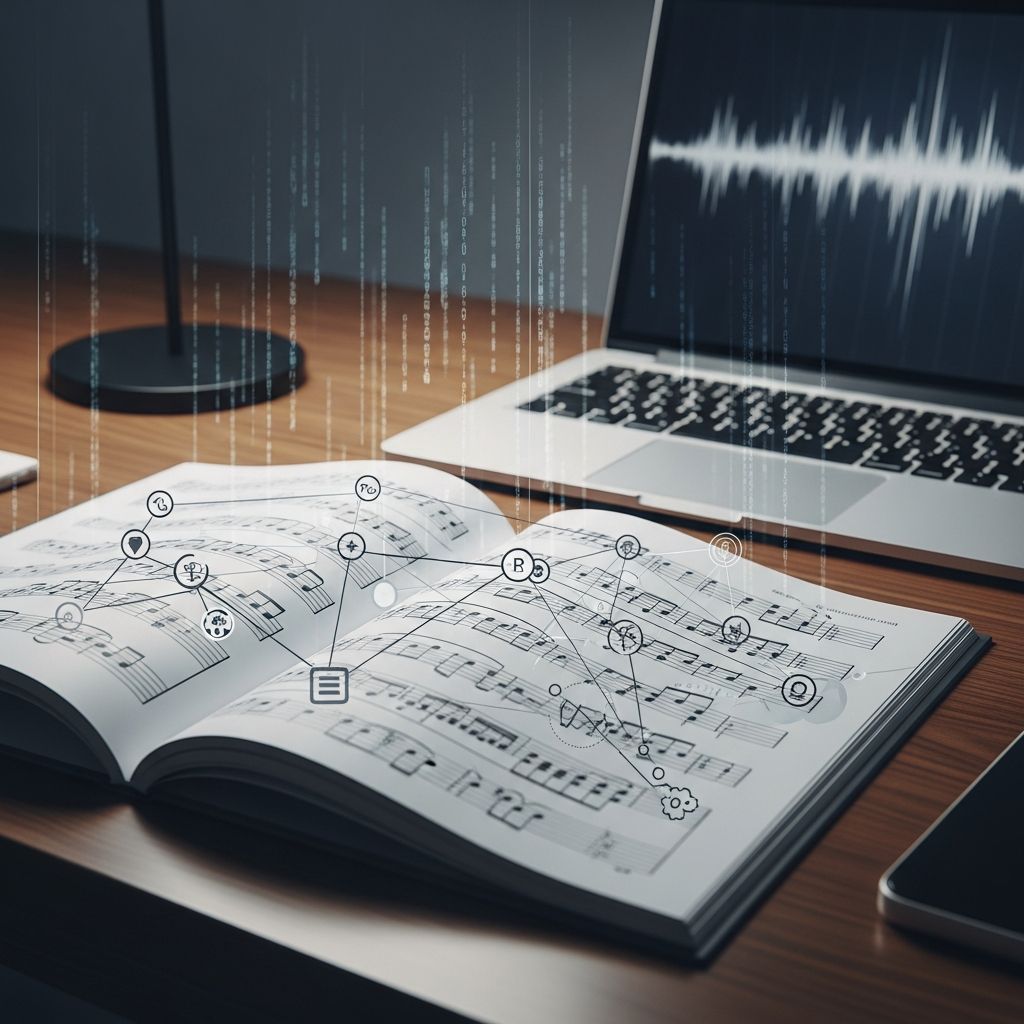
Synchronization licenses, often called sync licenses, grant permission to pair copyrighted music with visual elements like films, advertisements, and online videos. These agreements protect creators while enabling dynamic audiovisual content.
Defining Synchronization Rights in Music
A sync license authorizes the use of a musical composition—lyrics and melody—alongside visuals, distinguishing it from audio-only uses. It addresses the ‘synchronization’ of sound to moving images, crucial for any project where music enhances scenes.
Unlike performance rights for live playbacks or mechanical licenses for reproductions, sync rights specifically cover timed pairings with video. This ensures filmmakers and advertisers legally integrate tracks without infringement risks.
The Dual Nature of Music Copyrights
Music has two copyrights: the composition (owned by songwriters or publishers) and the master recording (held by artists or labels). A full sync requires both a synchronization license for the composition and a master use license for the recording.
| License Type | Covers | Obtained From | Example Use |
|---|---|---|---|
| Synchronization License | Composition (lyrics, melody) | Publisher/Songwriter | Any visual sync, even with custom recording |
| Master Use License | Specific sound recording | Record Label/Artist | Using original artist track in video |
If recreating a song, only the sync license suffices; originals demand both.
Who Requires Sync Licenses?
- Filmmakers and TV Producers: For trailers, credits, montages, and scores.
- Advertisers: Background music in commercials boosting brand recall.
- YouTubers and Streamers: Enhancing videos on platforms like YouTube or TikTok.
- Game Developers: In-game cinematics and menus.
- Corporate Video Creators: Training films, promos, and social media clips.
Even non-commercial projects need these if using protected music.
Navigating the Sync Licensing Process
Securing a sync license involves several steps, often coordinated by music supervisors who bridge creators and rights holders.
- Identify the Track: Select music fitting the project’s mood and budget.
- Contact Rights Holders: Approach publishers for compositions and labels for masters via licensing departments or reps.
- Submit Requests: Detail usage: project type, duration, territory, and prominence.
- Negotiate Terms: Discuss fees, exclusivity, and backend royalties.
- Finalize Agreements: Sign contracts and pay upfront fees.
- Clear for Use: Produce and distribute content.
Music supervisors streamline this, sourcing cleared tracks that match creative briefs and budgets.
Key Terms in Sync Agreements
Contracts specify usage boundaries to prevent overreach:
- Territory: Geographic scope, e.g., worldwide or US-only.
- Duration: License length, often perpetual for media.
- Exclusivity: Whether the track is exclusive to your project.
- Nature of Use: Prominence (e.g., featured vs. background), media type (TV, online).
- Backend Royalties: Shares from ad revenue or sales.
Precise terms mitigate disputes; ambiguities can void protections.
Determining Sync License Fees
Fees vary widely based on multiple factors, reflecting the sync’s value.
| Factor | Impact on Fee | Typical Range |
|---|---|---|
| Song Popularity | High-profile tracks command premiums | $10K–$500K+ |
| Project Budget/Reach | Bigger exposure means higher costs | $500–$100K |
| Usage Prominence | Lead song vs. background | 2–10x difference |
| Exclusivity | Limits future uses, raises price | 20–50% uplift |
| Indie vs. Major | Smaller catalogs cheaper | $200–$5K |
Compensation blends upfront fees with promotional benefits; high promo syncs lower fees. Indie projects access libraries at $100–$1,000 per track.
Sync Licensing Across Media Types
Movies and Television
Films pay top dollar for cues enhancing narratives; TV episodes license per season or perpetuity.
Commercials and Ads
Brands invest heavily for emotional impact, with fees tied to airtime and markets.
Digital and Social Media
YouTube, Instagram reels require careful clearances; platforms’ Content ID flags unlicensed use.
Video Games
Syncs cover menus, cutscenes; perpetual licenses common due to long game lifespans.
Risks of Operating Without a Sync License
Unauthorized use invites takedowns, fines, and lawsuits. Copyright holders can claim damages up to $150,000 per willful infringement. Platforms demonetize or remove infringing content automatically.
Defenses like fair use rarely apply to commercial visuals; always license proactively.
Alternatives and Production Music Libraries
Stock libraries offer pre-cleared tracks at flat fees, ideal for budgets. Custom compositions bypass licensing entirely, building original soundscapes.
Future Trends in Sync Licensing
AI-generated music and blockchain streamline clearances. Global streaming expands territories, pressuring adaptable deals. Sync deals now key revenue for artists amid declining streams.
Frequently Asked Questions About Sync Licenses
What’s the difference between a sync license and a master use license?
A sync license covers the composition; master use covers the recording. Both needed for original tracks.
How much does a sync license cost?
From $200 for indies to millions for majors, based on usage and fame.
Do I need a sync license for YouTube videos?
Yes, for copyrighted music synced to visuals; fair use seldom applies.
Can I use royalty-free music without a sync license?
Royalty-free often includes sync rights; verify terms.
Who issues sync licenses?
Publishers for compositions, labels for masters.
References
- What is a Music Synchronization License? Sync Licensing 101 — Soundcharts. 2023. https://soundcharts.com/en/blog/how-music-sync-licensing-works
- Synchronization License: Understanding Its Legal Definition — US Legal Forms. 2024. https://legal-resources.uslegalforms.com/s/synchronization-license
- Synchronization License Guide: Everything You Need to Know 2025 — That Pitch. 2025-01-15. https://thatpitch.com/blog/synchronization-license/
- What is a Synchronization License? — ETB Law. 2024-06-10. https://www.etblaw.com/what-is-a-synchronization-license/
- Understanding the Types of Music Licenses for Film and Video — Musicbed. 2023-11-20. https://www.musicbed.com/articles/resources/types-of-music-licenses/
- Synchronization: how Sync is reshaping the music industry — Bridge Audio. 2024. https://www.bridge.audio/blog/synchronization-how-sync-is-reshaping-the-music-industry/
- Synch Request and FAQ — Kobalt Music. 2024. https://www.kobaltmusic.com/synch-request-and-faq
Similar Articles








Read full bio of Sneha Tete


