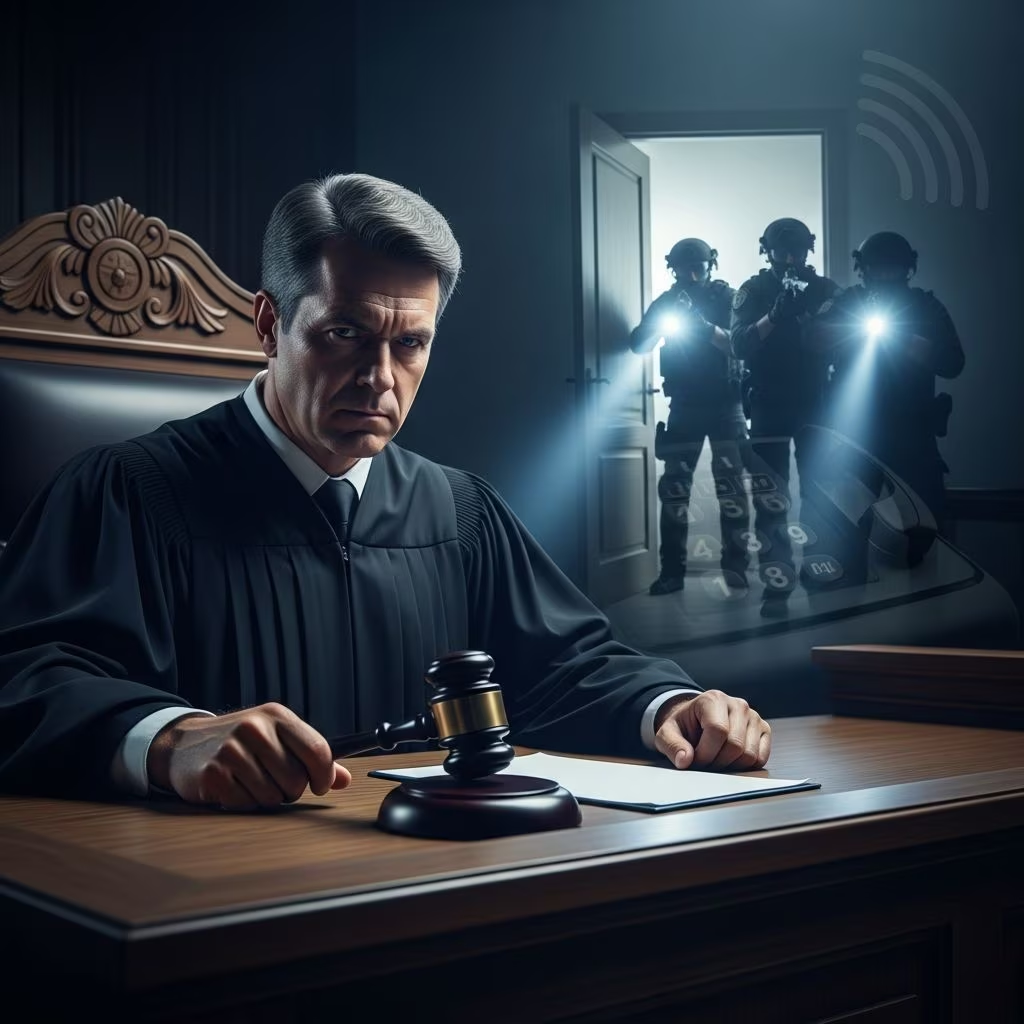
Victims of malicious false 911 calls, often called swatting, face sudden police SWAT team raids, emotional trauma, and property risks due to fabricated emergencies. These incidents divert critical resources and pose real dangers, but affected individuals have multiple legal avenues to pursue accountability.
Understanding the Growing Threat of Malicious Emergency Calls
Swatting involves anonymous callers reporting fake high-risk scenarios like armed intruders or bombs at a target’s address, prompting heavily armed responses. This tactic has surged in online gaming disputes, personal vendettas, and harassment campaigns, affecting ordinary citizens, celebrities, and public figures alike.
These calls misuse emergency systems designed for life-saving interventions. In California, Penal Code § 148.3 PC criminalizes knowingly prompting false emergency reports that trigger vehicle dispatches, alerts, or evacuations, underscoring the systemic strain caused. Nationally, such abuse clogs lines, delaying aid for genuine crises and endangering responders who arrive expecting violence.
Immediate Dangers Posed to Innocent Targets
The arrival of SWAT teams creates high-stakes scenarios where miscommunications can lead to injuries or fatalities. Victims often experience terror from armed entries, even after identities are verified. Property damage from forced entries adds financial burdens, while psychological impacts like PTSD persist long-term.
- Physical risks: Accidental shootings during no-knock warrants.
- Emotional toll: Shock, anxiety, and family disruption.
- Financial losses: Repair costs and lost work time.
One escalation factor is when calls specify weapons or hostages, heightening response intensity.
Recognizing When You’ve Been Targeted by a Hoax Call
Signs include unexpected heavy police presence for implausible claims, caller ID mismatches, or context like recent online arguments. Victims should remain calm, comply fully, and request supervisor verification to de-escalate.
| Indicator | Description | Victim Action |
|---|---|---|
| Sudden SWAT raid | Armed teams breach for ‘active shooter’ | Hands visible, no sudden moves |
| Absurd claims | Bomb or hostage at quiet home | Politely question basis |
| Prior threats | Gaming rival or ex-partner grudge | Document digital harassment |
Critical First Steps After a False Call Incident
Cooperate with officers on scene, then request a formal incident report detailing the call’s origin and response justification. Preserve evidence like home security footage or witness statements immediately.
- Contact non-emergency police line for follow-up.
- Document all interactions and damages via photos.
- Consult a criminal defense attorney specializing in false reports.
Reporting promptly preserves chain of custody for traces like IP logs or voice analysis.
Available Legal Protections and Reporting Mechanisms
Federal laws like 18 U.S.C. § 1038 address hoax reports causing response costs, enabling civil suits for damages. State statutes vary but uniformly penalize knowing falsehoods.
In Virginia, unnecessary 911 calls incur up to $2,500 fines and jail, extending to false disasters. Texas targets silent/abusive calls under Penal Code § 42.061 as Class B misdemeanors.
How Law Enforcement Investigates Perpetrators
Agencies trace calls via ANI/ALI data, phone records, and VoIP metadata. Cyber units analyze platforms like Discord for swatting boasts. Cooperation with ISPs yields subscriber info via warrants.
Prosecutors prioritize cases with harm or costs, using digital forensics to link pseudonyms to real identities.
Criminal Penalties Facing Offenders
Punishments scale with impact: misdemeanors for basic falsehoods (up to 1 year jail, $1,000 fine) escalate to felonies if risking death/injury (3 years, $10,000).
| Offense Level | Examples | Penalties |
|---|---|---|
| Misdemeanor | Basic false crime report (PC § 148.5) | 1 year jail, $1,000 fine |
| Felony | Swatting with injury risk (PC § 148.3(b)) | 3 years jail, $10,000 fine |
| Related | Bomb threat (PC § 148.1), false fire (PC § 148.4) | Varies, restitution mandatory |
Swatting often qualifies as felonies, with restitution for response expenses like overtime and equipment.
Civil Remedies: Holding Callers Financially Accountable
Victims can sue for negligence, intentional infliction of distress, or under anti-SLAPP statutes if defamation-tinged. Recoverable damages include repairs, therapy, and punitive awards. Courts order reimbursements for public costs passed to victims in some jurisdictions.
Class actions emerge in repeated targeting, amplifying pressure on platforms hosting threats.
Defenses Offenders Might Attempt and Counter-Strategies
Perpetrators claim ‘jokes,’ lack of intent, or mistaken facts, but prosecutors counter with digital trails proving knowledge. Victims bolster cases by submitting chat logs or witness accounts disproving good faith.
- Lack of intent: Undermined by planning evidence.
- Mistake: Rare in targeted swats.
- Free speech: No protection for false crime reports.
Preventive Measures to Shield Against Future Attacks
Secure online profiles, report harassment early to platforms, and use call-blocking apps. Register with local police for ‘swat risk’ alerts in high-threat cases. Home alarms with police verification reduce erroneous dispatches.
Real-World Cases Highlighting Consequences
In high-profile swattings, offenders faced years in prison and massive restitution, like a teen sentenced for a fatal raid response. These deter but underscore need for vigilant prosecution.
Frequently Asked Questions (FAQs)
What should I do during a suspected swat?
Stay calm, keep hands visible, inform officers of possible hoax, and request ID verification. Do not argue.
Can I press charges as a victim?
Yes, file police reports and consult attorneys for criminal advocacy and civil suits.
Who pays for SWAT response damages?
Convicted callers owe restitution; victims may claim via insurance or lawsuits.
Is swatting always a felony?
No, but escalates if harm risked; basic false reports start as misdemeanors.
How are anonymous swatters caught?
Via phone traces, IP subpoenas, and online forensics.
Empowering Victims: Next Steps for Justice
Act swiftly with documentation and legal aid to turn violation into perpetrator accountability. Resources like state victim services offer support. By pursuing remedies, victims contribute to curbing this menace.
References
- The Legal Consequences of Prank 911 Calls: A Comprehensive Guide — MFel Attorney at Law. 2023. https://www.mfellattorneyatlaw.com/the-legal-consequences-of-prank-911-calls-a-comprehensive-guide/
- What Happens If I Made a False 911 Call? Jail? Prison? — Greg Hill & Associates. 2023. https://www.greghillassociates.com/what-happens-if-i-made-a-false-911-call-jail-prison.html
- Can You Go To Jail For Prank Calling 911? — Kelman Skylaw. 2023. https://kelmanskylaw.com/prank-calling-911-penal-code-148-3-pc/
- Is It Illegal to Call 911 for a Non-Emergency? — Boca Law. 2023. https://bocalaw.com/false-911-call-penalty/
- Fake 911 Calls Law — LaHood Norton Law Group, PLLC. 2023. https://lahoodnorton.com/blog/fake-911-calls-law/
- Is Prank Calling Illegal? — Corrigan Welbourn Stokke, APLC. 2024-07. https://www.cwsdefense.com/blog/2024/july/is-prank-calling-illegal-/
- “Can I Go to Jail for Prank Calls?” — Former District Attorney Explains — Shouse Law Group Channel (YouTube). 2023. https://www.youtube.com/watch?v=Yt6l9qyR31Y