
Suing Restaurants for Food Poisoning: Legal Guide
Understand your rights and steps to hold restaurants accountable for food poisoning incidents causing illness and damages.
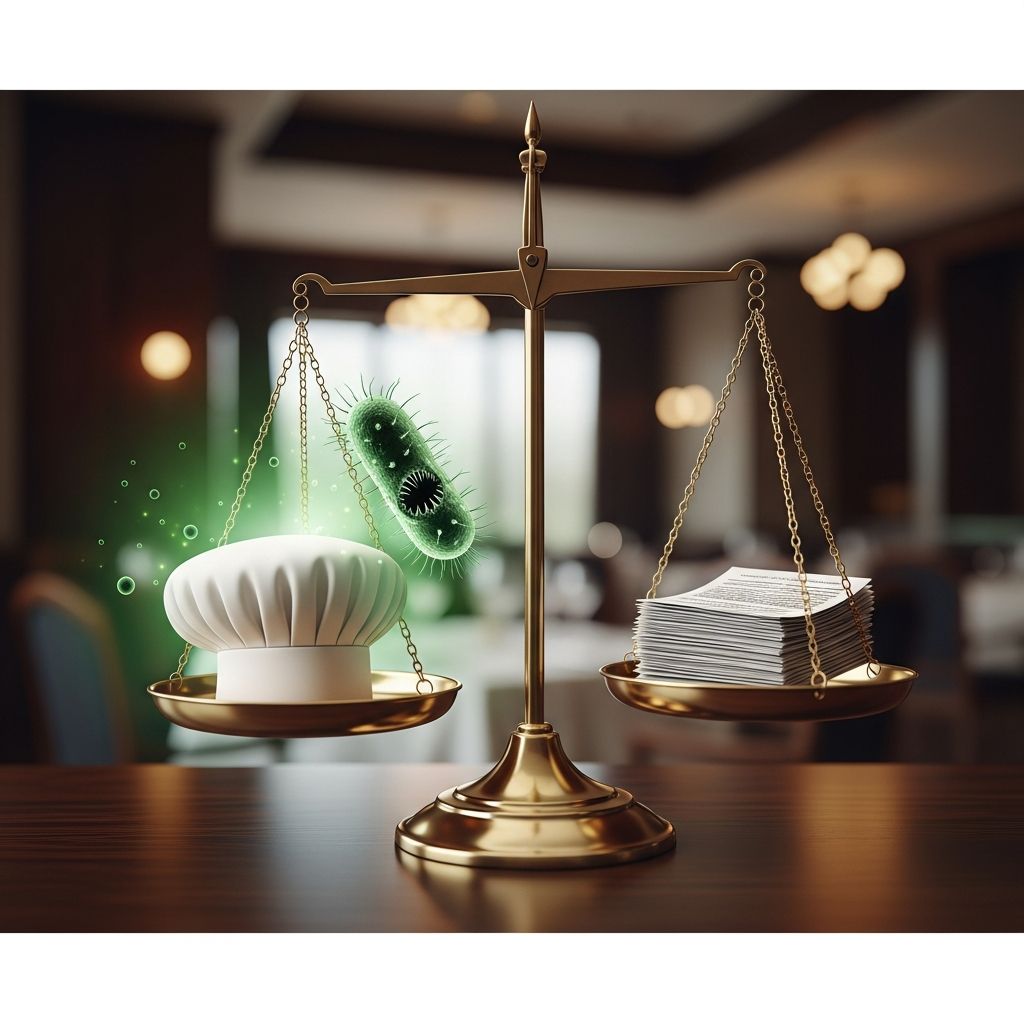
Food poisoning from a restaurant can turn a simple meal into a nightmare of severe illness, medical bills, and lost income. If contaminated food served at an establishment causes your sickness, you may have grounds to pursue a legal claim under personal injury or negligence laws. Success depends on proving the restaurant’s failure to maintain safety standards directly led to your harm.
Understanding Foodborne Illness and Restaurant Liability
Foodborne illnesses affect millions annually, with common culprits like Salmonella, E. coli, and Listeria often stemming from improper food handling in restaurants. Restaurants owe customers a duty of care to serve safe, uncontaminated food. Breaching this duty through negligence can make them liable for resulting damages.
Negligence occurs when restaurants fail in basic food safety practices, such as inadequate cooking temperatures, poor hygiene, or cross-contamination. For instance, undercooked meats or unrefrigerated perishables create breeding grounds for pathogens. Establishing liability requires showing the restaurant breached its duty, causing your specific injury.
Key Elements Required to Build a Strong Case
To win a food poisoning lawsuit, plaintiffs must demonstrate four core elements of negligence:
- Duty of Care: The restaurant must provide safe food, as required by health codes and implied warranties.
- Breach of Duty: Evidence of violations like dirty equipment, sick staff handling food, or improper storage.
- Causation: Linking your illness directly to the restaurant’s food, often via lab tests or outbreak reports.
- Damages: Quantifiable losses including medical costs, wage loss, and pain and suffering.
Without these, claims falter. Courts demand concrete proof, not just suspicion.
Common Causes of Restaurant-Related Food Poisoning
Restaurants contribute to outbreaks through preventable errors. Here’s a breakdown:
| Cause | Description | Examples |
|---|---|---|
| Inadequate Cooking | Foods not reaching safe internal temperatures | Poultry under 165°F, allowing bacterial survival |
| Poor Hygiene | Staff neglecting handwashing or using contaminated utensils | Cross-contamination from raw to ready-to-eat foods |
| Improper Storage | Failure to refrigerate perishables promptly | Dairy or seafood left in danger zone (40-140°F) |
| Inadequate Training | Employees unaware of safety protocols | No checks on sick workers handling food |
| Unsafe Suppliers | Using contaminated ingredients | Produce with E. coli from polluted farms |
These lapses violate federal standards from the FDA’s Food Code, adopted by most states.
Immediate Steps After Suspecting Food Poisoning
Act swiftly to protect health and preserve your claim. Delay weakens evidence.
- Seek Medical Help: Visit a doctor or ER immediately. Inform them of recent dining and request stool tests for pathogens. This creates vital records linking symptoms to bacteria.
- Document Symptoms: Note onset time, meal details, and severity. Photos of vomit or rash help.
- Save Evidence: Retain receipts, packaging, and leftovers for lab analysis.
- Report Incidents: Notify the restaurant manager, local health department, and CDC if applicable. Reports build outbreak patterns.
Health departments investigate clusters, strengthening individual cases.
Gathering Robust Evidence for Your Claim
Evidence is the backbone of successful lawsuits. Collect:
- Medical records, bills, and prescriptions proving diagnosis and treatment costs.
- Receipts and photos tying you to the restaurant.
- Witness statements from dining companions who fell ill.
- Health inspection reports or violation notices against the restaurant.
- Lab results confirming pathogens matching known outbreaks.
If multiple patrons report similar illnesses, your case bolsters via pattern evidence.
Navigating the Legal Process: From Claim to Court
Pursuing compensation involves structured steps:
1. Consult a Lawyer: Experienced personal injury attorneys assess viability for free. They handle investigations and negotiations.
2. Demand Letter: Your lawyer sends a detailed claim to the restaurant’s insurer, outlining negligence and damages sought.
3. Negotiation: Most cases settle out-of-court. Insurers aim to minimize payouts but strong evidence pressures fair offers.
4. File Suit: If no settlement, a complaint is filed in civil court. Discovery follows, exchanging evidence.
5. Trial: Rare, but if needed, juries award based on proof. Appeals possible.
Timelines vary by state; act fast.
Statutes of Limitations: Don’t Miss Your Window
Every state imposes deadlines for filing. Most personal injury claims, including food poisoning, require action within 1-3 years from symptom onset. For example, Nevada mandates two years; California aligns similarly.
Missing this bars recovery forever. Children or incapacitated victims may get extensions. Confirm your state’s rules promptly.
Potential Compensation: What You Can Recover
Victims seek various damages:
- Economic: Medical expenses, lost wages, future care costs.
- Non-Economic: Pain, suffering, emotional distress.
- Punitive: Rare, for egregious recklessness.
Awards range from thousands for mild cases to six figures for hospitalizations or long-term effects. Track all losses meticulously.
Challenges in Food Poisoning Litigation
These cases aren’t straightforward. Proving the exact source is tough amid multiple meals or incubation periods (days to weeks). Defenses claim alternative sources or pre-existing conditions. Costs for experts and tests add hurdles, but contingency fees (no win, no fee) mitigate this.
Outbreaks with many victims often yield class actions, improving odds.
Frequently Asked Questions (FAQs)
Can anyone sue a restaurant for getting sick after eating there?
No, you need proof of negligence causing your illness and damages. Mere upset stomach isn’t enough; lab-confirmed pathogens help.
How long after eating do food poisoning symptoms appear?
Varies: 30 minutes for toxins, up to a week for bacteria like Salmonella. Timing aids source tracing.
Do I need a stool sample to prove my case?
Often yes, to identify specific strains matching the restaurant’s outbreak.
What if the restaurant blames the supplier?
They may be primarily liable, but restaurants must verify sources. Your lawyer pursues all responsible parties.
Is food poisoning covered by restaurant insurance?
Typically yes, via liability policies. Claims start with their insurer.
Preventing Food Poisoning: Restaurant Responsibilities
Establishments must enforce strict protocols: staff training, temperature logs, hygiene checks, and supplier vetting. Compliance with FDA and local codes reduces risks. Patrons should report issues promptly to spur improvements.
By understanding these dynamics, victims empower themselves to seek justice effectively.
References
- How to Pursue a Food Poisoning Claim: Step-by-Step Guide — Mossberg Injury Law. 2023. https://mossberginjurylaw.com/how-to-pursue-a-food-poisoning-claim/
- Can You Sue a Restaurant for Food Poisoning? — Smith Law Center. 2023. https://www.smithlawcenter.com/blog/can-you-sue-for-food-poisoning
- Can I sue a restaurant for food poisoning in California? — Brian O’Grady Law. 2023. https://www.brianogradylaw.com/can-i-sue-a-restaurant-for-food-poisoning-in-california/
- Can I Sue a Restaurant for Food Poisoning — Nicolet Law. 2023. https://nicoletlaw.com/blog/can-i-sue-restaurant-for-food-poisoning/
- Food Poisoning Lawsuit Guide — TorHoerman Law. 2023. https://www.torhoermanlaw.com/can-you-sue-for-food-poisoning/
Similar Articles








Read full bio of medha deb


