
Suing Police for Shooting Your Dog: Legal Guide
Discover your legal rights and strategies when police shoot your family dog, from constitutional claims to overcoming immunity barriers.
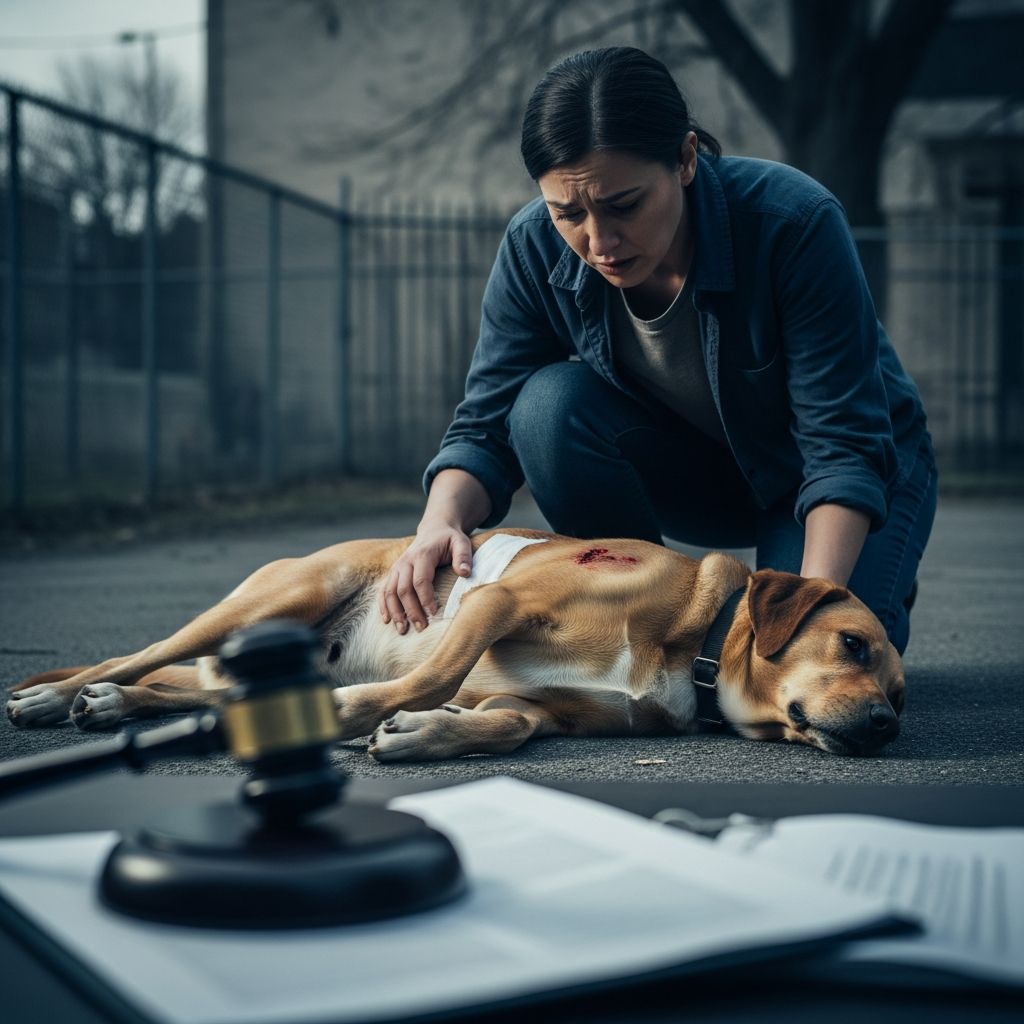
Pet owners facing the heartbreaking loss of their dog to police gunfire often wonder about recourse. Federal courts consistently recognize that shooting a family dog can violate the Fourth Amendment as an unreasonable seizure of property, opening doors to civil lawsuits despite significant hurdles like qualified immunity.
Why Police Shoot Family Dogs and When It’s Justified
Police encounters with dogs occur during welfare checks, arrests, or responses to calls. Officers may perceive a growling or approaching dog as a threat, leading to deadly force. Legally, force is justified only if the dog poses imminent danger to officers or others. Courts assess reasonableness based on the totality of circumstances, including the dog’s behavior, size, and the officer’s alternatives like retreat or non-lethal tools.
For instance, if a leashed dog on private property barks without aggression, shooting it may be deemed excessive. Conversely, an unleashed dog charging aggressively could justify lethal action. Statistics highlight the prevalence: one report noted 56 dogs killed by police in San Diego County over five years, underscoring the need for accountability.
Core Legal Claim: Fourth Amendment Violation
The primary avenue for pet owners is a federal civil rights lawsuit under 42 U.S.C. § 1983, alleging a Fourth Amendment breach. Dogs qualify as personal property under state laws, making their destruction a ‘seizure.’ Every federal circuit court has affirmed that unreasonable killings constitute unconstitutional seizures.
- Property Rights Basis: Shooting interferes with the owner’s possessory interest, requiring objective reasonableness.
- Excessive Force Angle: If the shooting endangers bystanders or lacks necessity, it escalates to excessive force.
- Damages Sought: Compensation for the dog’s market value, vet bills, emotional distress, and punitive awards in egregious cases.
State Law Remedies for Dog Owners
Beyond federal claims, state courts offer negligence or property damage suits. In California, owners recover fair market value, pre-death medical costs, and emotional distress unless cruelty is proven, which strengthens claims.
Some states have specific statutes authorizing suits against officers for unjustified pet shootings. These claims must often be filed alongside federal actions to preserve rights. Negligence arises from failures in training, policy adherence, or reckless conduct.
| Jurisdiction Type | Key Claims | Potential Damages | Examples |
|---|---|---|---|
| Federal ( § 1983 ) | 4th Amendment seizure, excessive force | Property value, emotional distress, punitives | Plowright v. Miami-Dade |
| State (e.g., CA) | Negligence, property damage | Market value, vet bills, distress | General state remedies |
| Hybrid | Both federal and state | Comprehensive recovery | Requires supplemental jurisdiction |
Overcoming Qualified Immunity: The Biggest Hurdle
Qualified immunity shields officers unless they violate ‘clearly established’ rights. Early cases struggled, but precedents like the 11th Circuit’s Plowright v. Miami-Dade ruling clarify that shooting non-threatening dogs breaches established law. Plaintiffs must show the violation was obvious under existing precedents.
Recent developments erode this barrier: en banc rulings and settlements signal shifting tides. Municipal liability under Monell requires proving systemic failures like inadequate training.
- Strategy Tip: Cite circuit-specific precedents to defeat immunity motions.
- Agency Targets: Sue the department for policy or custom deficiencies.
Real-World Case Studies and Settlements
Success stories demonstrate viability. In 2024, the City of Sturgeon, Missouri, settled for $500,000 after officers shot a blind, deaf dog, with the Animal Legal Defense Fund supporting the § 1983 claim.
The Plowright case reversed dismissal, allowing trial on unreasonable shooting claims despite initial qualified immunity grant. These outcomes yield not just compensation but policy reforms, like enhanced de-escalation training.
Steps to Take Immediately After a Police Dog Shooting
- Document Everything: Photograph the scene, dog, injuries; obtain body cam/police reports via public records requests.
- Seek Witnesses: Gather statements from neighbors or bystanders contradicting police narratives.
- Preserve Evidence: Vet records, dog registration, training certificates proving non-aggression.
- Contact Specialists: Retain civil rights attorneys experienced in police misconduct and animal law.
- File Promptly: Observe statutes of limitations (often 1-3 years for § 1983 claims).
Challenges Victims Commonly Face
Pursuing these cases demands resilience. Barriers include:
- Proving Unreasonableness: Police reports often portray dogs as threats; contradictory video evidence is key.
- High Costs: Litigation expenses deter attorneys; seek contingency firms or grants like ALDF’s.
- Emotional Toll: Grief compounds legal stress; support groups aid coping.
- Immunity Wins: About half of motions succeed early, but appeals reverse many.
Broader Implications: Policy Reform and Prevention
These lawsuits drive change. Departments adopting non-lethal alternatives—pepper spray, tasers, barriers—reduce incidents. Advocacy groups push body cams and de-escalation protocols. Victims uniting via petitions amplify impact, fostering accountability.
Ultimately, while no suit revives a pet, victories honor their memory and protect others.
Frequently Asked Questions (FAQs)
Can I sue if my dog was shot during a welfare check?
Yes, if the shooting was unreasonable—e.g., no imminent threat—it’s a viable Fourth Amendment claim.
What compensation can I expect?
Varies: $10K-$500K+ in settlements, covering property loss, distress, and punitives based on egregiousness.
Does qualified immunity always protect officers?
No; precedents like Plowright defeat it when rights are clearly established.
Should I file in state or federal court?
Federal for constitutional claims; state for negligence. Often combine via supplemental jurisdiction.
How do I find a lawyer for this?
Search civil rights firms specializing in police misconduct; many work on contingency.
References
- Holding Law Enforcement Accountable: Legal Options for Victims of Police Dog Shootings — Law Offices of James S. Terrell. 2023. https://www.talktoterrell.com/holding-law-enforcement-accountable-legal-options-for-victims-of-police-dog-shootings
- Can You Sue the Police for Killing Your Dog? — AsiliA Law Firm. 2023. https://www.asilialaw.com/can-you-sue-the-police-for-killing-your-dog/
- Use of Deadly Force Against Man’s Best Friend — Daigle Law Group. 2023. https://daiglelawgroup.com/use-of-deadly-force-against-mans-best-friend/
- Can I Sue The Police For Killing My Dog? — Rodriguez & Associates. 2023. https://www.rodriguezlaw.net/can-sue-police-killing-dog/
- Police Shooting Pets — Animal Legal & Historical Center. 2023. https://www.animallaw.info/intro/police-shooting-pets
- Dogs – Civil Liability Digest — Americans for Effective Law Enforcement. 2023. https://www.aele.org/law/Digests/civil72.html
- City of Sturgeon Agrees to Pay $500,000 in Settlement — Animal Legal Defense Fund. 2024-05-01. https://aldf.org/article/city-of-sturgeon-agrees-to-pay-500000-in-settlement-over-police-shooting-of-blind-deaf-dog/
Similar Articles








Read full bio of Sneha Tete


