
Legal Recourse for Offensive Remarks on Receipts
Discover if derogatory comments on receipts can lead to lawsuits, exploring defamation, emotional distress, and viable legal paths forward.
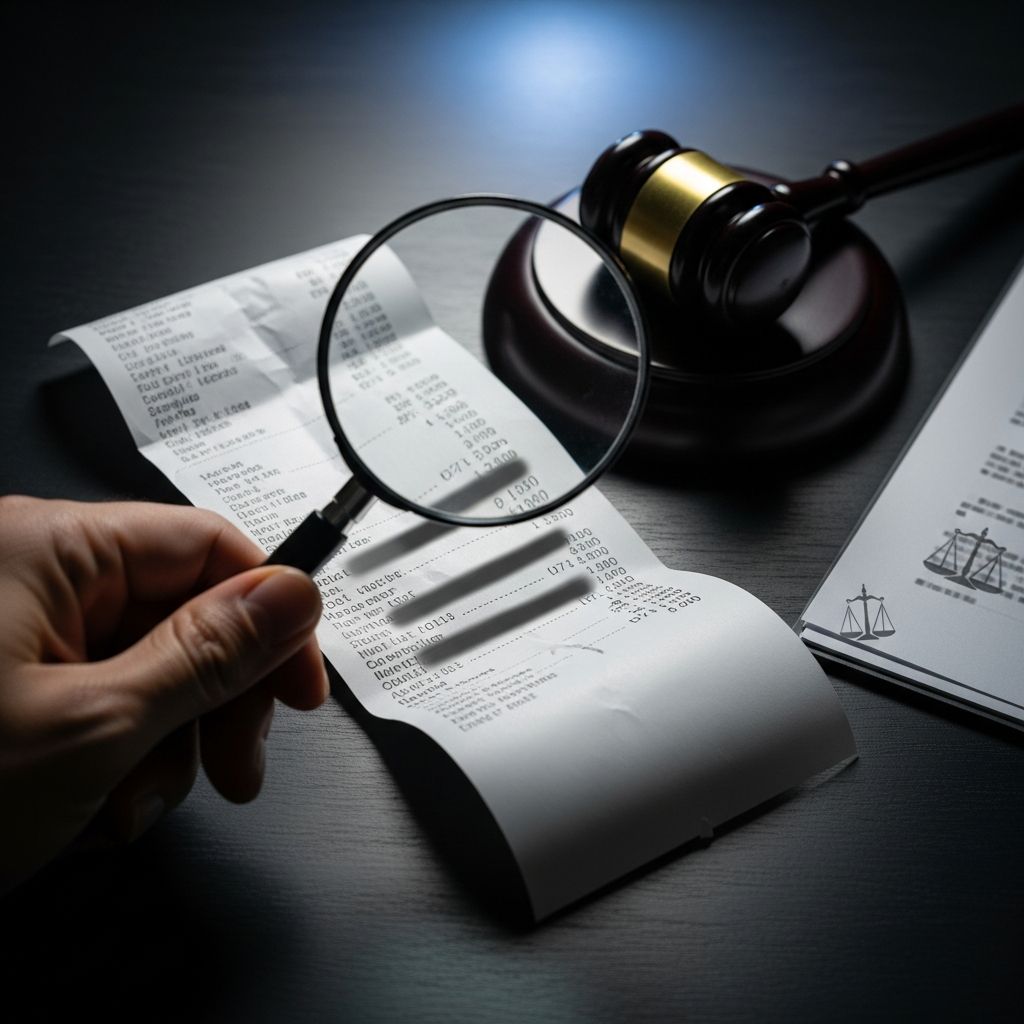
Encountering an insult printed on a store receipt can provoke outrage and humiliation, prompting many to wonder if such an act warrants a lawsuit. While everyday rudeness rarely crosses into legal territory, specific circumstances involving false statements or severe emotional harm may open doors to claims like defamation or intentional infliction of emotional distress (IIED). Success hinges on proving falsity, publication to third parties, and tangible damages, as mere offense does not suffice under the law.
Understanding When Insults Become Actionable Offenses
Insults on receipts represent a unique form of potential verbal abuse because they appear in writing, potentially qualifying as libel rather than slander. Libel involves printed or published false statements that harm reputation, whereas slander covers spoken words. For a receipt note to be libelous, it must assert verifiable facts that are untrue and damaging when shared beyond the customer.
Businesses occasionally jot personal remarks on receipts during transactions, but if these include derogatory labels like slurs or false accusations, they could expose the company to liability. Courts evaluate whether the statement implies guilt in a crime, professional incompetence, or moral turpitude—categories that elevate rudeness to defamation. Pure opinions, such as “rude customer,” typically enjoy First Amendment protection and cannot form the basis of a suit.
Core Legal Claims for Receipt-Based Offenses
Defamation: Proving Falsity and Harm
To win a defamation case stemming from a receipt insult, plaintiffs must establish four elements: a false statement of fact, publication to at least one third party, fault (negligence or malice), and resulting damages. If the remark accuses someone of theft or dishonesty without basis, and a cashier shows it to colleagues or customers, publication occurs.
- False Statement: The comment must be provably untrue, not mere hyperbole. For example, labeling someone a “thief” without evidence fails if no theft happened.
- Publication: Handing the receipt to the customer alone isn’t enough; it must reach others, like via social media shares or witness observations.
- Fault: Private individuals need only show negligence, but public figures require “actual malice”—knowledge of falsity or reckless disregard.
- Damages: Quantifiable losses, such as job loss or social ostracism, strengthen claims; presumed damages apply in severe cases like criminal accusations.
Intentional Infliction of Emotional Distress
IIED claims arise when conduct is so extreme that it exceeds societal tolerance, causing severe psychological injury. Receipt insults might qualify if they involve targeted harassment or slurs that provoke intense trauma, but the threshold is high: behavior must be “outrageous” to a reasonable person.
Plaintiffs prove: outrageous conduct, intent or recklessness, severe distress, and causation. Evidence like therapy records or witness accounts bolsters these cases, though isolated incidents rarely succeed.
Real-World Examples and Court Perspectives
High-profile incidents illustrate boundaries. In one case, a coffee shop employee wrote a racial slur on a customer’s cup, leading to public backlash and settlement discussions, though not always full lawsuits. Courts often dismiss if no falsity or damages exist, emphasizing free speech protections.
| Case Type | Key Elements Proven | Outcome |
|---|---|---|
| Receipt Slur (Hypothetical Racial Insult) | Falsity, publication via photo shares, emotional harm | Potential settlement; IIED viable if severe |
| False Theft Accusation | Libel via written note shown to staff, job loss | Damages awarded if malice shown |
| Mere Rudeness (“Annoying”) | Opinion, no falsity or harm | Dismissed; protected speech |
These scenarios highlight that context matters: workplace vs. retail, witness presence, and digital amplification via photos elevate risks for defendants.
Gathering Evidence: Building a Strong Case
Documentation is crucial for any claim. Preserve the receipt, photograph it immediately, and note date, time, location, cashier details, and witnesses.
- Screenshots or photos of the receipt in context (e.g., with business signage).
- Witness statements from others who saw the interaction.
- Records of emotional impact: doctor visits, therapy notes, lost work documentation.
- Digital trails if shared online, including shares and comments.
Report to management first, creating a paper trail via email complaints. If criminal threats are involved, file police reports. Self-publication—repeating the insult to others—may still support claims in some jurisdictions.
Steps to Pursue Legal Action
- Consult an Attorney: Seek a defamation specialist to evaluate merits; many offer free initial reviews.
- Send a Demand Letter: Request retraction, apology, and compensation, often resolving issues pre-litigation.
- File Complaint: If ignored, draft and submit to court, outlining claims and damages sought.
- Discovery Phase: Exchange evidence, depositions; most cases settle here.
- Trial: Rare, but presents proof to judge/jury for verdict.
Costs vary: filing fees ($200–500), attorney hours ($250–600/hr), but contingency fees are common for strong cases.
Potential Remedies and Compensation
Successful plaintiffs may receive compensatory damages for losses, punitive awards for malice, and injunctive relief like public retractions.
- Economic: Medical bills, lost wages.
- Non-Economic: Pain and suffering.
- Punitive: To deter future conduct, capped in some states.
Average settlements range from thousands to millions in egregious cases, though minor receipt incidents yield modest sums.
Defenses Businesses Commonly Raise
Defendants counter with truth (absolute bar), opinion privilege, or lack of damages. First Amendment shields hyperbole, and anti-SLAPP laws protect against frivolous suits, potentially awarding fees to winners.
Preventive Measures for Businesses and Consumers
Businesses should train staff on professionalism and POS system policies to avoid notes. Consumers: Politely address issues on-site, escalate if needed, and know when to lawyer up.
Frequently Asked Questions
Can a single insult on a receipt lead to a lawsuit?
Isolated rudeness rarely succeeds without falsity, publication, and harm; severe cases like slurs may qualify under IIED.
What if I post the receipt online?
This strengthens publication proof but risks counterclaims for privacy invasion; consult counsel first.
Is verbal abuse from a cashier actionable?
Spoken insults need extreme severity for IIED; patterns suggest harassment.
How long do I have to file?
Statutes of limitations vary (1–3 years); act promptly.
Can I sue anonymously?
Possible via pseudonym in sensitive cases, court approval needed.
This comprehensive guide empowers informed decisions. For tailored advice, contact a qualified attorney.
References
- Can I Sue Someone for Insulting Me? A Defamation Lawyer Explains — Minclaw. 2023. https://www.minclaw.com/difference-defamation-insult/
- What does a person have to prove to win a slander or libel claim? — GTA Law. 2024. https://www.gta-law.com/faqs/slander-libel-claim/
- How to Sue for Defamation: Costs, Process and What to Expect — Best Lawyers. 2023-10-01. https://www.bestlawyers.com/article/sue-for-defamation-guide/6900
- How to Prove Defamation — Barrett & Farahany. 2024. https://www.justiceatwork.com/how-to-prove-defamation/
- Can You Legally Sue Someone for False Allegations? — Pusch & Nguyen. 2023. https://puschnguyen.com/can-you-sue-someone-for-false-allegations/
- How Much Can I Sue for Defamation of Character? — Southron Firm. 2025. https://www.southronfirm.com/blog/2025/how-much-can-i-sue-for-defamation-of-character/
Similar Articles








Read full bio of medha deb


