
Suing for Foul Ball Injuries at Baseball Games
Uncover the legal realities of foul ball injuries: assumption of risk, negligence exceptions, and steps to seek compensation at stadiums.
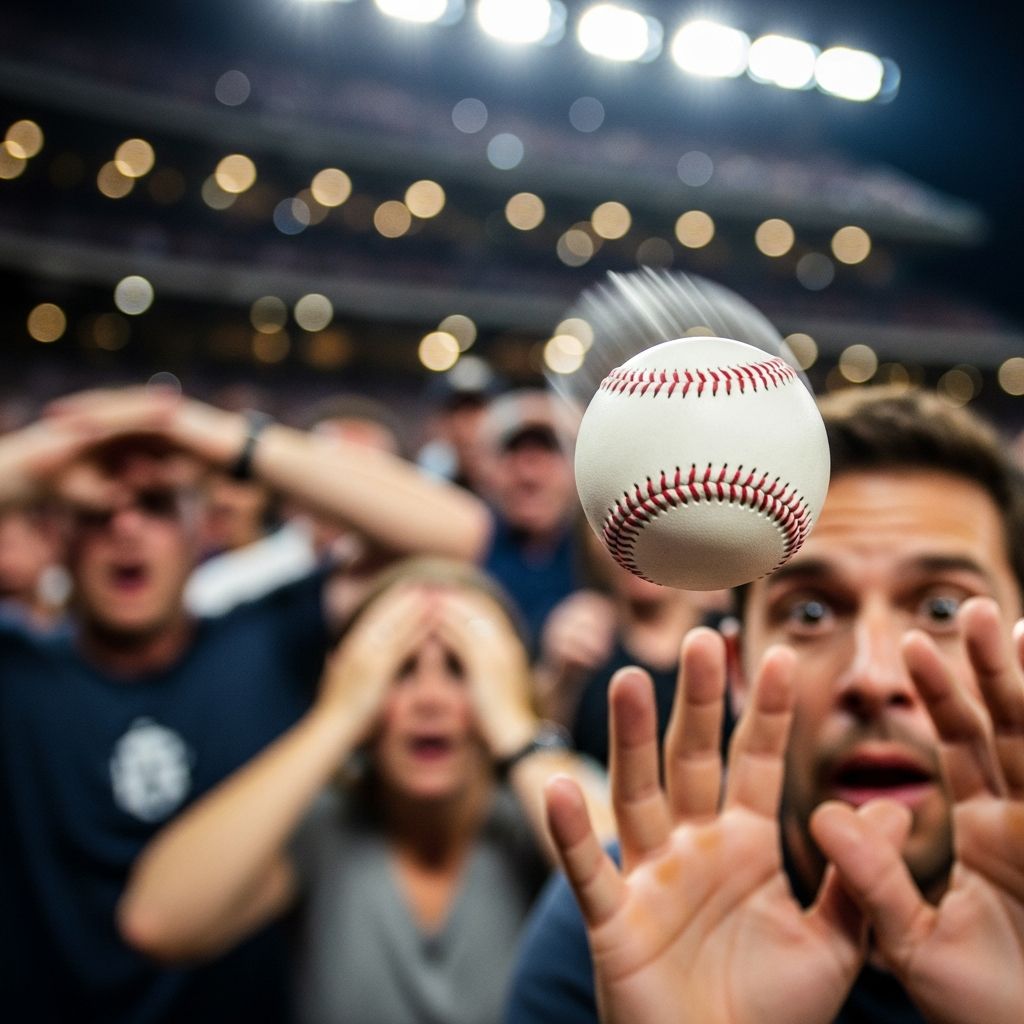
Baseball games thrill millions, but foul balls pose real dangers to spectators, causing thousands of injuries yearly. While the ‘Baseball Rule’ often shields stadiums, specific negligence can open doors to lawsuits. This article examines legal protections, exceptions, and paths to compensation.
The Risks Spectators Face at Ballparks
Attending a Major League Baseball (MLB) game exposes fans to inherent hazards like foul balls traveling at high speeds. A Bloomberg study estimates 1,750 fans suffer injuries from foul balls and broken bats annually across major and minor leagues. These incidents frequently target the face, leading to concussions, fractures, eye damage, and brain trauma.
Stadium designs place seats close to the field for immersion, amplifying risks in unscreened areas. Children and unaware fans are particularly vulnerable, as balls can reach speeds over 100 mph. Despite warnings on tickets, the excitement often overshadows caution.
Understanding the Baseball Rule and Assumption of Risk
The
Baseball Rule
, adopted by most U.S. courts, states spectators assume risks of foul balls, fly balls, and bat fragments by attending games. This doctrine, rooted in cases like Neinstein v. Los Angeles Dodgers, Inc. (1986), holds that stadiums need only provide screening in a reasonable portion of seats, typically behind home plate, as many prefer unobstructed views.Ticket backs reinforce this with liability waivers, implying fans accept these perils upon entry. Courts view purchasing a ticket as consent to foreseeable dangers, barring claims unless extraordinary circumstances apply. This primary defense has protected venues for decades.
Stadium Responsibilities Beyond the Baseball Rule
Even under assumption of risk, stadiums owe a
duty of care
to minimize hazards through reasonable measures. Owners must maintain safe premises, including:- Installing and extending protective netting, especially behind home plate and along baselines.
- Regularly inspecting nets for damage, holes, or wear.
- Promptly repairing or replacing faulty netting.
- Providing warnings and, where feasible, helmets in high-risk zones.
MLB has expanded netting in recent years, responding to safety concerns, but inconsistencies persist across parks. Failure here can negate the Baseball Rule.
When Negligence Overrides Assumption of Risk
Suits succeed if stadium negligence contributes to injuries. Examples include:
- Holes or tears in protective netting allowing balls through.
- Inadequate netting extension despite known risks.
- Poor maintenance leading to equipment failure.
- Overcrowding or unsafe seating arrangements.
In states like New York,
comparative negligence
apportions blame: if a stadium is 30% at fault, compensation reduces by 70% spectator fault. California grants two years to sue post-injury. Proving fault requires evidence like photos, witness accounts, and incident videos.Types of Injuries from Foul Balls and Their Impact
Foul balls often cause severe, life-altering harm due to velocity and proximity. Common injuries:
| Injury Type | Description | Potential Long-term Effects |
|---|---|---|
| Facial Fractures | Broken jaws, noses, cheekbones from direct impact. | Reconstructive surgery, scarring, chronic pain. |
| Eye Trauma | Orbital fractures, retinal detachment, vision loss. | Permanent blindness, glasses dependency. |
| Brain Injuries | Concussions, traumatic brain injury (TBI). | Cognitive deficits, seizures, personality changes. |
| Lacerations/Contusions | Deep cuts, bruising from shards or bats. | Infection risk, reduced mobility. |
Recovery involves extensive medical care, therapy, and time off work, generating high costs.
Potential Compensation in Successful Claims
Victims may recover damages if liability sticks:
- Medical Expenses: Hospital bills, surgeries, rehab, future care.
- Lost Wages: Income lost during recovery, diminished earning capacity.
- Pain and Suffering: Emotional distress, reduced life quality.
- Other: Transportation, household help; punitive damages rarely.
Awards vary by case severity and jurisdiction, often negotiated via insurance before trial.
Legal Strategies for Building a Strong Case
Act swiftly post-injury:
- Seek immediate medical attention and document all treatment.
- Gather evidence: photos of injury site, netting condition, tickets.
- Collect witness contacts and stadium footage requests.
- Contact a personal injury attorney experienced in spectator claims.
Lawyers inspect venues, counter assumption defenses, and negotiate settlements. Many work on contingency, taking no fee without recovery.
Recent Trends and Evolving Legal Standards
Courts show flux: a California appeals court overturned dismissal of a foul ball suit, questioning the Baseball Rule’s absoluteness amid expanded netting norms. Increased MLB netting reflects safety priorities, potentially raising negligence bars for non-compliant venues. Scholastic games uphold the rule, even faulting fans for not dodging.
Frequently Asked Questions (FAQs)
Can I sue if hit by a foul ball in a screened section?
Yes, if negligence like netting holes caused the breach; assumption doesn’t fully apply.
What if a child is injured?
Children may receive more leniency under parental supervision doctrines, strengthening claims.
Does broken bat liability differ?
Similar rules apply, but rarer fragments can indicate bat maintenance issues.
How long to file a claim?
Statute varies: 2 years in CA, 3 in NY; check local laws promptly.
Are minor league games covered?
Yes, same principles, though facilities may have fewer protections.
Steps to Take Immediately After Injury
Prompt action preserves rights:
- Report to stadium staff for official record.
- Avoid signing liability releases hastily.
- Preserve clothing/bloodied items as evidence.
- Consult doctors and lawyers within days.
These maximize compensation odds against robust stadium defenses.
References
- Can You Sue For a Foul Ball Injury? — Liljegren Law Group. 2023. https://www.liljegrenlaw.com/foul-ball-injuries-at-mlb-game/
- I Was Hit By A Foul Ball At An MLB Game. Can I Sue? — Friedman & Simon, L.L.P. 2024. https://www.friedmansimon.com/faqs/i-was-hit-by-a-foul-ball-at-an-mlb-game-can-i-sue/
- Can You Sue For Foul Ball Injuries At A Baseball Game? — Deldar Legal. 2024. https://deldarlegal.com/personal-injury/can-you-sue-for-foul-ball-injuries-at-a-baseball-game/
- The Baseball Rule: Liability to Spectators for Foul Ball Injuries — National Federation of State High School Associations (NFHS). 2023. https://nfhs.org/stories/the-baseball-rule-liability-to-spectators-for-foul-ball-injuries
- Can You Sue for a Hockey Puck or Foul Ball in the Crowd? — Maison Law. 2024. https://maisonlaw.com/california-sporting-event-injury-lawyer/hockey-puck-foul-ball/
- The “baseball doctrine” is changing — Restivo & Murphy, LLP. 2020-02-01. https://www.restivolaw.com/blog/2020/february/the-baseball-doctrine-is-changing/
- Can I Sue if I am Injured at a Sporting Event? — Kershaw Talley Barlow. 2017-06-01. https://www.ktblegal.com/blog/2017/june/can-i-sue-if-i-am-injured-at-a-sporting-event-/
Similar Articles








Read full bio of Sneha Tete


