
Suing Former Employers for Defamation: Key Insights
Learn essential steps, legal elements, and challenges in pursuing defamation claims against past employers for false statements.
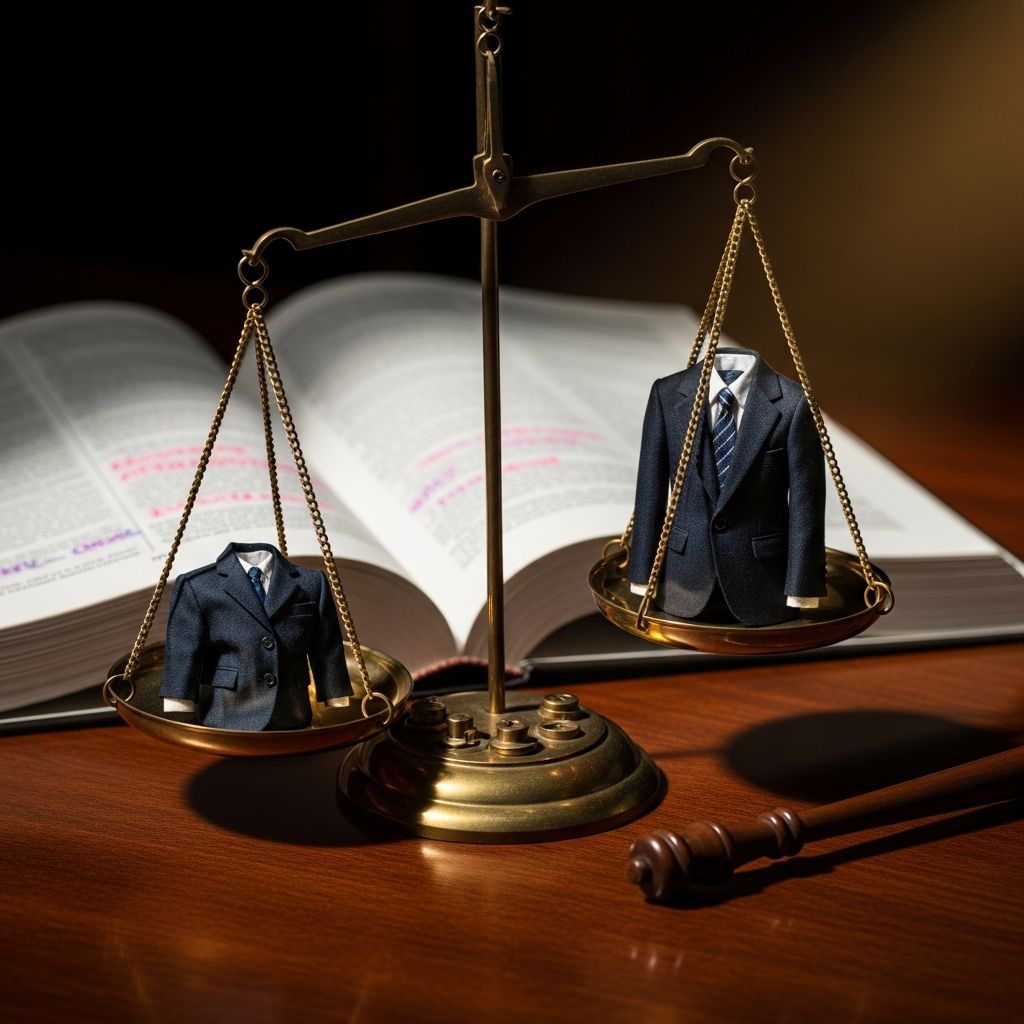
Defamation claims against former employers arise when damaging false statements hinder job prospects or reputation. Success requires proving specific legal elements amid various challenges.
Understanding Defamation in the Employment Context
Defamation occurs when a former employer spreads untrue information that harms an individual’s professional standing. This can manifest as oral slander during reference calls or written libel in emails or reports. In employment scenarios, such statements often surface during job reference checks, termination discussions, or communications with prospective employers.
Employees frequently encounter this issue after leaving a job, especially if terminated under contentious circumstances. A false claim of theft, incompetence, or policy violations can derail interviews and blacklist candidates from industries. Courts recognize these harms but demand rigorous proof to balance free speech protections.
Core Elements Required to Prove Defamation
To establish a viable claim, plaintiffs must demonstrate several interconnected factors. State laws vary slightly, but common requirements include:
- False statement of fact: The remark must be verifiably untrue, not mere opinion. For instance, stating “the employee stole company funds” qualifies if provably false, unlike “I didn’t like their work ethic.”
- Publication to a third party: The statement reaches someone beyond the employee, such as a recruiter or colleague. Private notes typically do not count.
- Fault or malice: The employer knew the statement was false or acted with reckless disregard for its truth. Negligence may suffice in some cases.
- Damages or harm: Tangible losses like missed job offers, reduced salary, or emotional distress must be shown. Certain statements presume harm, easing this burden.
These elements form the foundation. Failing any one can doom a case, emphasizing the need for documented evidence from the outset.
State-Specific Variations in Defamation Standards
Defamation rules differ across jurisdictions, impacting case viability. For example:
| State | Key Features | Privilege Protections |
|---|---|---|
| California | Triple damages possible under blacklisting statutes; intent required. | Limited qualified privilege; malice defeats it. |
| Virginia | Per se defamation for unfitness claims; no damages proof needed. | Qualified privilege lost via malice. |
| Maryland | Good faith presumption for references; clear evidence of malice needed. | Strong qualified privilege for employment disclosures. |
| General U.S. | Negligence or actual malice standard; truth absolute defense. | Common qualified privilege for references. |
Consulting local statutes ensures alignment with jurisdiction-specific thresholds. Recent updates, like California’s Labor Code Section 1050, strengthen employee protections against retaliatory falsehoods.
Common Defenses Employers Use
Former employers mount robust defenses to evade liability:
- Truth: An absolute shield; even partial accuracy can protect if the “gist” holds.
- Qualified privilege: References given in good faith to prospective employers enjoy protection, rebuttable only by proving malice or recklessness.
- Opinion protection: Subjective views, like poor performance assessments, fall outside defamation if not presented as facts.
- No publication: Internal communications rarely qualify unless leaked externally.
Overcoming these demands witness statements, emails, or recordings contradicting the employer’s narrative. Good faith beliefs further complicate malice proofs.
Gathering Evidence for a Strong Case
Building a dossier early maximizes success odds:
- Secure written references or request them in discoverable formats.
- Document job rejections linking to the reference, via emails or interviewer notes.
- Collect performance reviews proving competence, countering falsity claims.
- Obtain affidavits from colleagues verifying the employee’s record.
- Track financial losses, such as unemployment duration or wage gaps.
Digital trails from LinkedIn messages or HR portals prove invaluable. Self-publication doctrines in some states hold employers liable if employees must disclose false termination reasons.
Navigating the Litigation Process
Suing involves structured steps:
- Pre-suit demand: Send a retraction letter; some states mandate this.
- File complaint: Detail elements, facts, and relief sought in court.
- Discovery: Exchange evidence, depose witnesses on reference calls.
- Motions and trial: Challenge defenses; juries assess harm.
Timelines vary; statutes of limitations (often 1-3 years) apply strictly. Costs can exceed $50,000, favoring settlements.
Potential Outcomes and Remedies
Victorious plaintiffs may receive:
- Compensatory damages for lost wages and emotional harm.
- Punitive damages for egregious malice.
- Injunctions halting further statements.
- California’s triple damages for blacklisting.
Average awards range widely, but strong cases yield six figures. Many resolve via confidential settlements preserving reputations.
Strategic Alternatives to Full Lawsuits
Not all disputes warrant court:
- Cease-and-desist letters: Prompt retractions without litigation.
- Agency complaints: File with labor departments for investigations.
- Neutral references: Negotiate standardized responses limiting details.
- Online reputation management: Counter false narratives proactively.
These options conserve resources while signaling seriousness.
FAQs
Can opinions in references lead to defamation suits?
No, pure opinions like “not a team player” are protected; only verifiable false facts qualify.
What if the statement was internal only?
Internal documents lack publication unless shared externally, rarely supporting claims.
How long do I have to file?
Typically 1-3 years from discovery, varying by state; act promptly.
Is malice always required?
No, negligence suffices for private figures; public figures need actual malice.
Can I sue anonymously?
Rarely; plaintiffs usually identify publicly, though seals protect sensitive details.
Conclusion: Protect Your Professional Future
Defamation claims offer recourse but demand strategic preparation. Early legal consultation clarifies viability, turning harmful lies into justice. Empower yourself with knowledge to reclaim your career path.
References
- Can I Sue a Former Employer for Defamation When They Give a Bad Reference? — Hall & Lampros. 2023-12. https://www.hallandlampros.com/blog/2023/12/can-i-sue-a-former-employer-for-defamation-when-they-give-a-bad-reference/
- Defamation in Employment & Related Legal Claims — Justia. N/A. https://www.justia.com/employment/defamation/
- Can an Employer Sue an Employee For Defamation of Character? — Minc Law. N/A. https://www.minclaw.com/employee-defamation-employer/
- Defamation: Do You Have a Case Against a Former Employer? — Nolo. N/A. https://www.nolo.com/legal-encyclopedia/defamation-lawsuits-do-you-have-case-against-former-employer.html
- Workplace Defamation — Legal Aid at Work. 2024-10. https://legalaidatwork.org/factsheet/workplace-defamation/
- When can you sue your employer for defamation? — Alan Lescht. N/A. https://www.dcemploymentattorney.com/resources/blog/when-can-you-sue-your-employer-for-defamation/
Similar Articles








Read full bio of Sneha Tete




