
Suing for Wrong Medication: Legal Options
Discover if you can pursue legal action when a healthcare provider prescribes incorrect medication causing harm and injury.
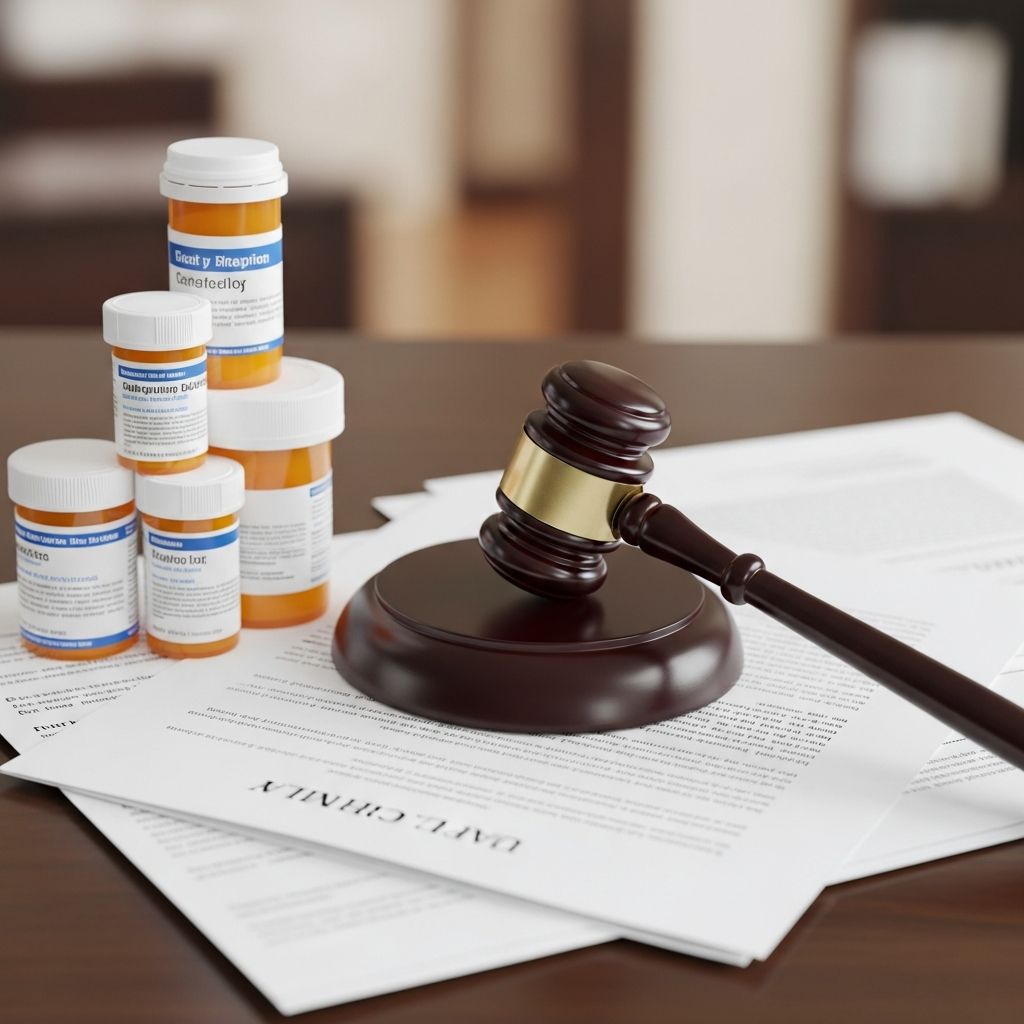
Prescription mistakes by healthcare professionals can lead to severe health complications, prompting many patients to consider legal recourse through medical malpractice claims. Victims harmed by incorrect medications often seek compensation for injuries sustained due to negligent prescribing practices.
Understanding Prescription Errors in Healthcare
Medication errors represent a significant issue in modern medicine, occurring at various stages from diagnosis to dispensation. These errors encompass prescribing unsuitable drugs, incorrect dosages, or overlooking critical patient allergies and interactions. According to legal analyses, such mistakes deviate from accepted medical standards when they result from carelessness rather than unavoidable complications.
Healthcare providers rely on patient histories, diagnostic tests, and pharmaceutical knowledge to select appropriate treatments. When these elements are mishandled, patients face risks including adverse reactions, organ damage, or exacerbated conditions. Statistics from malpractice cases highlight that prescription errors contribute substantially to preventable injuries, underscoring the need for vigilance.
Key Elements of a Medical Malpractice Claim
To succeed in a lawsuit over a wrong prescription, plaintiffs must demonstrate four core components of negligence. These foundational requirements ensure claims are grounded in verifiable breaches of professional duty.
- Duty of Care: Establish that a professional relationship existed, meaning the doctor or pharmacist agreed to provide treatment.
- Breach of Standard: Prove the provider failed to meet the expected level of competence, often requiring expert testimony from peers in the field.
- Causation: Link the breach directly to the patient’s harm, distinguishing it from pre-existing conditions.
- Damages: Document tangible losses such as medical bills, lost wages, or pain endured.
Expert witnesses play a pivotal role, reviewing records to affirm that a competent practitioner would have acted differently under similar circumstances.
Common Scenarios Leading to Liability
Various missteps can trigger malpractice suits. Doctors might select inappropriate drugs for a patient’s profile, prescribe excessive dosages, or neglect drug interaction warnings. Pharmacists contribute by dispensing incorrect formulations or failing to verify prescriptions.
| Error Type | Description | Potential Harm |
|---|---|---|
| Incorrect Drug | Prescribing a medication unsuitable for the diagnosed condition or patient history | Allergic reactions, worsened symptoms |
| Wrong Dosage | Over- or under-dosing based on miscalculations | Organ failure, toxicity, or ineffective treatment |
| Drug Interaction Oversight | Ignoring conflicts with existing medications | Severe side effects, hospitalization |
| Inadequate Instructions | Poor guidance on usage or contraindications | Misuse leading to injury |
These scenarios illustrate how errors propagate through the care chain, often requiring investigation to pinpoint responsibility.
Identifying Liable Parties in Prescription Cases
Responsibility isn’t always singular; multiple entities may share fault. Physicians bear primary accountability for initial prescriptions, but nurses administering drugs, hospitals with flawed protocols, and pharmacies filling orders inaccurately can also be targeted.
- Physicians and specialists for diagnostic and prescribing negligence.
- Pharmacists for dispensation errors or failure to flag issues.
- Hospitals for systemic failures like inadequate staffing or record-keeping.
- Nursing homes where oversight lapses occur in long-term care.
Determining fault demands thorough record review, as supply chain complexities can obscure origins. In hospital settings, vicarious liability may implicate the institution if staff errors stem from oversight.
Gathering Essential Evidence for Your Case
Robust documentation fortifies claims. Patients should retain all prescriptions, pharmacy receipts, medical charts, and correspondence. Witness accounts from family observing symptoms post-administration add credibility.
Expert evaluations dissect whether actions aligned with standards. Medical imaging, lab results, and timelines correlating error to injury solidify causation. Financial records quantifying losses—hospital stays, therapies, wage losses—quantify damages comprehensively.
Potential Compensation in Successful Claims
Awarded remedies address multifaceted impacts. Economic damages cover verifiable costs like treatments and income forfeiture. Non-economic awards compensate intangible sufferings such as chronic pain or emotional distress.
- Medical expenses: Past and projected bills.
- Lost earnings: Wages missed due to recovery.
- Pain and suffering: Quality-of-life diminutions.
- Permanent impairments: Future care needs.
Settlements, like a $1.25 million resolution in a fatal overdose case, reflect case severity and evidence strength. Negotiations with insurers often precede trials, with attorneys valuing claims strategically.
Navigating Statutes of Limitations
Time constraints govern filing windows, varying by jurisdiction. Many states mandate actions within two years of discovery or incident. Delays risk claim dismissal, emphasizing prompt consultation.
Discovery rules extend timelines if harm emerges gradually, but courts scrutinize reasonableness. Attorneys assess applicability, ensuring compliance amid complexities like continuous treatment doctrines.
Steps to Take After a Prescription Injury
- Seek immediate medical attention to mitigate damage and generate records.
- Preserve all evidence: bottles, labels, notes on symptoms.
- Report the error to the provider and pharmacy for internal review.
- Consult a malpractice attorney specializing in these claims.
- Avoid signing insurer documents without legal advice.
These actions preserve rights and build case foundations swiftly.
Challenges in Proving Prescription Malpractice
Claims face hurdles like establishing precise causation amid comorbidities. Defendants may argue patient non-compliance or inherent risks. “Systems errors” in facilities deflect individual blame, necessitating deep investigations.
Trials demand resources; many resolve via settlements. Plaintiff success hinges on irrefutable expert consensus overriding defenses.
Frequently Asked Questions
Can any prescription mistake lead to a lawsuit?
No, only those proving negligence causing harm qualify as malpractice. Honest errors without deviation from standards typically do not.
How long do I have to file a claim?
Generally 1-3 years from injury or discovery, but consult local laws via an attorney.
Do I need expert testimony?
Yes, to validate standard breaches and causation effectively.
Can I sue a hospital instead of the doctor?
Yes, if institutional policies or staff contributed to the error.
What if the pharmacist filled the wrong drug?
Pharmacists face liability for verification failures, separate from physician suits.
Choosing the Right Legal Representation
Experienced attorneys adept in medical nuances maximize outcomes. They coordinate experts, negotiate settlements, and litigate if needed. Contingency fees align interests, covering costs from recoveries.
Select firms with proven track records in prescription cases, ensuring thorough case evaluations.
References
- Can I Sue a Doctor for Prescribing the Wrong Medication? — Goldberg Law. 2023. https://goldberglaw.com/can-i-sue-a-doctor-for-prescribing-the-wrong-medication/
- When Is a Medication Error Considered Medical Malpractice? — Nicholson Revell. 2024. https://nicholsonrevell.com/blog/when-is-a-medication-error-considered-medical-malpractice/
- Wrong Prescription & Medication Lawsuit – Know When to Sue — For Your Rights. 2023. https://www.foryourrights.com/faqs/consider-before-wrong-prescription-lawsuit/
- Medication Error Lawsuit Resulting in Death of Woman Settles for… — Lubin & Meyer. 2022. https://www.lubinandmeyer.com/cases/medication-error.html
- When Is a Medication Error Considered Medical Malpractice? — FPE Law. 2024. https://www.fpelaw.com/library/when-is-a-medication-error-considered-medical-malpractice-.cfm
- Things To Consider Before Filing a Wrong Prescription or Medication Lawsuit — Malone Law. 2023. https://malonelaw.com/blog/things-to-consider-before-filing-a-wrong-prescription-or-medication-lawsuit/
Similar Articles








Read full bio of Sneha Tete


