
Strategies to Challenge a Speeding Citation
Master proven tactics to contest speeding tickets effectively and protect your driving record from penalties.
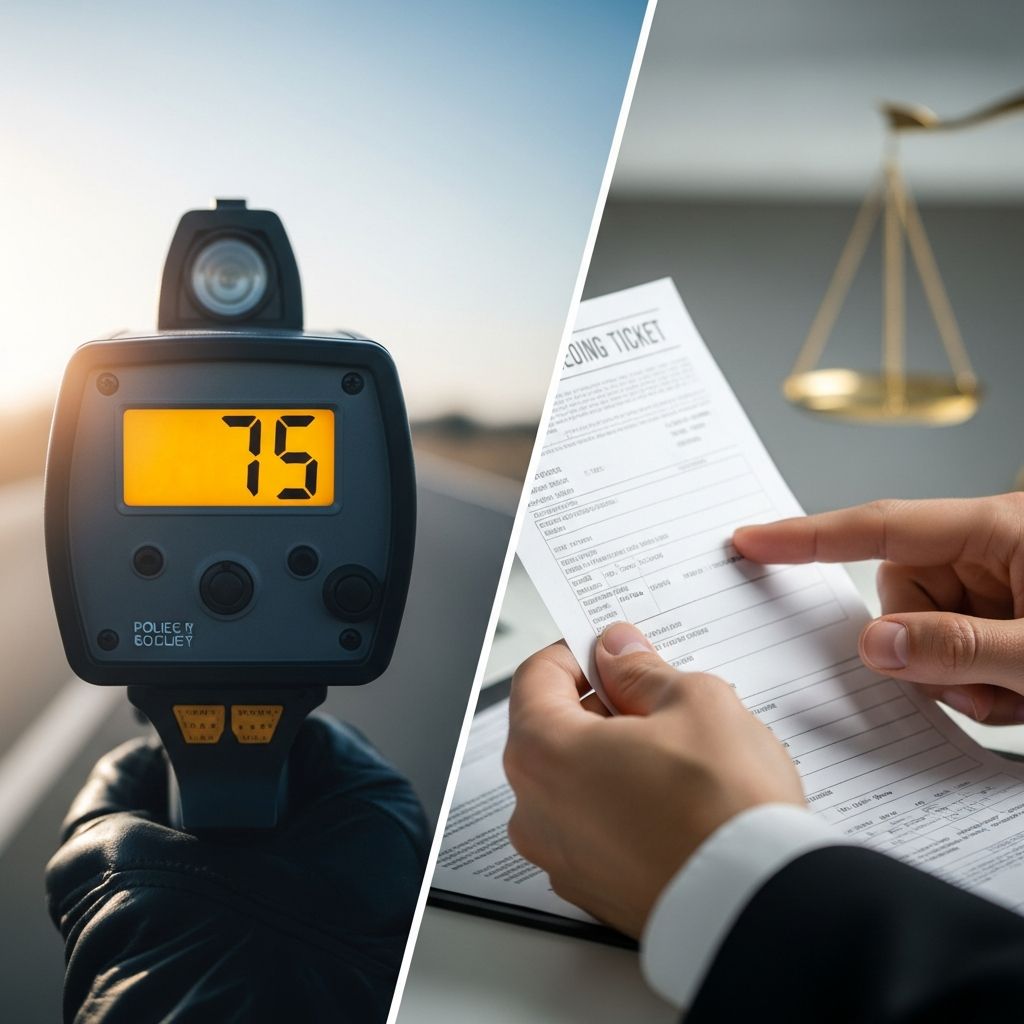
Receiving a speeding citation can disrupt your driving record, increase insurance rates, and lead to hefty fines. However, many drivers successfully contest these tickets using smart preparation and legal knowledge. This guide outlines practical steps from the moment you get pulled over through court proceedings, empowering you to build a strong defense.
Understanding the Immediate Aftermath of a Citation
When an officer hands you a speeding ticket, your first instinct might be to argue or pay it off quickly. Instead, remain calm and polite to avoid escalating the situation. Sign the ticket as required—it’s not an admission of guilt but a promise to appear in court. Note key details like the officer’s name, badge number, weather conditions, and traffic flow at the time.
Examine the ticket right away for any obvious errors, such as incorrect vehicle description, wrong license plate, or misspelled name. These clerical mistakes can form the basis of your defense later. Photograph the ticket immediately, circling any inaccuracies, as this preserves evidence that might fade or be questioned in court.
Key Decisions: Paying, Pleading, or Contesting
You have three primary options upon receiving a citation: pay the fine, plead guilty or no contest, or request a court date to fight it. Paying admits guilt and adds points to your record, potentially hiking insurance premiums by 20-30%. Pleading no contest avoids admitting fault but still incurs penalties in many jurisdictions.
Requesting a trial is often the best path for eligible drivers. In many states, you must submit a written not guilty plea within a short timeframe, typically 10-15 days. This preserves your right to present evidence and cross-examine the officer. Check local rules, as procedures vary by state—for instance, Texas requires a formal trial request from the issuing court.
Gathering Powerful Evidence for Your Defense
Success in traffic court hinges on evidence. Start by returning to the scene promptly. Take photos or videos of the location, noting signage visibility, road conditions, and potential officer vantage points. Obstructed speed limit signs or poor visibility can undermine the prosecution’s case.
Collect witness statements from passengers or nearby drivers who can attest to traffic flow or your prudent driving. Dashcam footage is gold—review it for radar use, pacing, or context like heavy traffic where matching speeds is reasonable. Request calibration records for the speed detection device (radar, lidar, or pacing); officers must prove accuracy with certificates.
- Document everything: Maps showing jurisdiction boundaries if the stop was outside the officer’s authority.
- Weather reports: Prove clear conditions supporting safe speeding slightly over limits under basic speed laws.
- Ticket flaws: Highlight objective errors like wrong speed or location.
Effective Legal Defenses to Deploy in Court
Armed with evidence, leverage these defenses tailored to common scenarios. Challenge the officer’s perception: If they were not ideally positioned or distracted, question their accuracy. For ‘presumed speed limits,’ argue your velocity was safe given light traffic and good visibility—only slightly above posted, which courts may deem reasonable.
Necessity defense applies if speeding averted imminent harm, like dodging a swerving truck or aggressive merger, provided your acceleration was brief and proportional. ‘Everyone else was doing it’ works in flow-of-traffic cases, especially with dashcam proof and ticket ambiguities on targeted vehicles. Passing maneuvers are defensible in permitting states if you slowed immediately after.
| Defense Type | Description | Best Evidence | Potential Outcome |
|---|---|---|---|
| Jurisdictional Challenge | Prove violation outside officer’s area | Maps, GPS data | Dismissal |
| Equipment Calibration | Question radar/lidar accuracy | Missing certificates | Case weakened |
| Necessity | Speeding to avoid danger | Witnesses, video | Acquittal |
| Flow of Traffic | Matching surrounding speeds | Dashcam, statements | Reduction |
Navigating Court: From Arraignment to Verdict
Appear early, dressed professionally, and organized. Many courts offer trial by written declaration—submit your defense in writing; if the officer fails to respond, you win by default. In person, stay composed, address the judge as ‘Your Honor,’ and present facts logically without emotion.
Cross-examine politely: Ask about device calibration, exact location, and observations. If the officer doesn’t appear (common in 20-30% of cases), request dismissal. Prosecutors may offer reductions; negotiate for lesser charges like non-moving violations.
For eligible drivers, seek deferred adjudication: Plead no contest, pay fine, complete defensive driving (often online, 6 hours), and keep a clean record for 90-365 days. Texas limits this to non-commercial drivers without recent deferrals and speeds under 25mph over. Jury trials are rare but available for serious cases.
Alternative Resolutions: Courses and Negotiations
Defensive driving courses dismiss tickets from records in most states, provided you’re eligible (clean history, minor violation). Costs $25-100 plus course fees, far cheaper than points’ long-term impact. Prosecutorial discretion allows plea bargains to parking tickets or warnings.
Attorney involvement boosts success rates, especially for habitual offenders. They handle discovery, motions, and negotiations, often flat-fee affordable.
Frequently Asked Questions
What if the officer doesn’t show up to court?
Request immediate dismissal—many tickets are dropped this way due to officers’ heavy caseloads.
Can I fight a ticket from another state?
Yes, request a trial; virtual options exist in some jurisdictions. Hire local counsel if complex.
Does hiring a lawyer guarantee dismissal?
No, but they improve odds via expertise in local rules and evidence rules.
How much do points affect insurance?
Typically 10-40% hike for 3 years; fighting prevents this.
Is ‘I didn’t know the speed limit’ a valid defense?
Generally no—ignorance of law isn’t excusable.
Preventing Future Citations
Beyond fighting one ticket, adopt habits like GPS speed alerts, dashcams, and courteous driving. Regular vehicle maintenance ensures no equipment excuses for stops. Knowledge of local laws, like variable speed zones, keeps you compliant.
In summary, contesting a speeding citation demands preparation but yields high rewards. From evidence collection to courtroom poise, methodical approaches turn liabilities into victories. Stay informed, act swiftly, and drive defensively.
References
- Helpful Tips to Fight a Speeding Ticket — Paul Kubosh Attorney at Law. 2023-05-15. https://kubosh.com/helpful-tips-to-fight-a-speeding-ticket/
- How to Fight a Speeding Ticket in Texas — I Drive Safely. 2024-08-20. https://www.idrivesafely.com/dmv/texas/laws/how-to-fight-speeding-ticket-in-texas/
- How do I fight a speeding ticket in Texas — Avvo Legal Answers. 2023-11-10. https://www.avvo.com/legal-answers/how-do-i-fight-a-speeding-ticket-in-texas-651680.html
- The “Golden Ticket” Defense That Beats ANY Speeding Ticket — YouTube (Video Transcript). 2024-02-14. https://www.youtube.com/watch?v=0-6QiKfpqS4
- What Works (and Doesn’t Work) in Traffic Court — Nolo. 2025-01-05. https://www.nolo.com/legal-encyclopedia/free-books/beat-ticket-book/chapter3-4.html
- Houston Traffic Ticket Defense — Hurd Law Firm. 2024-06-12. https://www.hurdlawfirm.com/practice-areas/traffic-ticket-defense/
Similar Articles








Read full bio of Sneha Tete


