
Strategies for Contesting Parking Citations
Master the process of challenging parking tickets effectively to potentially reduce or eliminate fines and penalties.
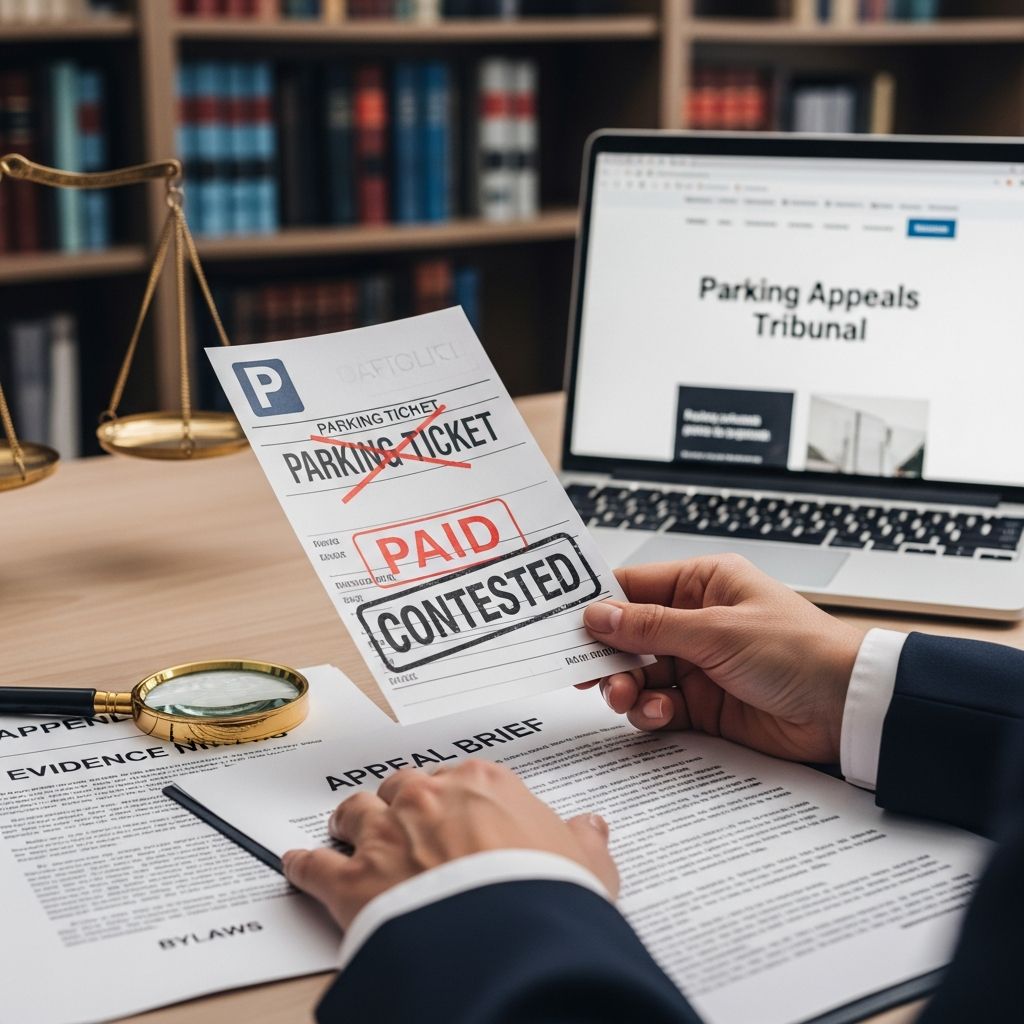
Receiving a parking citation can be frustrating, especially when it seems unjust or contains errors. Many individuals successfully challenge these violations by following structured processes that leverage local rules and strong evidence. This guide outlines practical approaches to reviewing, disputing, and appealing parking tickets, drawing from established municipal procedures to help you navigate the system confidently.
Understanding the Anatomy of a Parking Ticket
Parking citations typically include key details such as the violation code, date, time, location, vehicle information, issuing officer’s notes, and payment deadlines. Scrutinize these elements immediately upon receipt. Discrepancies in license plate numbers, timestamps, or descriptions can form the basis of a dismissal request.
Local ordinances dictate ticket formats and required notifications. For instance, citations must inform recipients of response options and consequences of inaction, like added fees or vehicle impoundment. Ignoring a ticket often leads to escalating penalties, making prompt action essential.
- Violation code: Matches specific parking rules, e.g., expired meter or no-parking zone.
- Evidence indicators: Notes on photos taken by enforcers, which you can request.
- Deadlines: Usually 15-30 days to pay or contest before late fees apply.
Initial Review: Spotting Grounds for Challenge
Before deciding to fight, assess viability. Common defenses include factual errors, signage issues, or extenuating circumstances like emergencies. Gather supporting materials early, such as photos of the scene, maps showing unclear markings, or witness statements.
| Potential Error | Impact | Example Evidence |
|---|---|---|
| Incorrect plate or vehicle color | Possible dismissal | Registration docs, photos |
| Illegible officer signature | Procedural flaw | Citation scan |
| Missing photo proof | Burden on issuer | Request enforcer testimony |
| Signage obstruction | Reasonable doubt | Site photos, Google Maps |
Burden of proof rests with the issuing authority; you counter their case rather than prove innocence. Multiple tickets amplify urgency, as accumulated fines can lead to booting or towing.
Choosing Your Dispute Method
Most jurisdictions offer online, mail, phone, or in-person options. Online portals provide convenience, allowing uploads of evidence without court appearances. Mailed disputes require detailed written arguments and attachments sent to designated addresses.
For booted or towed vehicles, in-person hearings are often mandatory at administrative offices. No filing fees apply in many cases, and legal representation is optional but advisable for complex matters.
- Online submission: Fastest for simple cases; decisions in 4-6 weeks.
- Mail: Include testimony, photos; track delivery.
- Hearing request: Officer may testify; cross-examine effectively.
Do not pay if disputing, as payment admits liability. Act before late fees: $30 after first notice, $35 after second.
Gathering and Presenting Compelling Evidence
Strong defenses hinge on documentation. Photograph the vehicle’s position relative to signs, note weather conditions affecting visibility, or obtain dashcam footage. Digital tools like street view imagery demonstrate signage inadequacies.
In hearings, present calmly: let the officer speak first, then rebut with facts. Hearing examiners consider only your submitted evidence; they gather none independently. For multiple violations, address each separately to avoid bundling denials.
- Police reports for incidents.
- Receipts proving payment (e.g., meter).
- Affidavits from witnesses.
- Medical notes for hardships.
Navigating Hearings and Outcomes
Virtual or mailed hearings suit busy schedules, yielding decisions via mail. In-person sessions allow direct questioning, increasing dismissal chances if the officer fails to appear. Expect 4-6 week waits.
Positive rulings dismiss or reduce fines; unfavorable ones prompt appeals. Initial appeals go to a review panel, distinct from the original examiner. Further escalation to courts like Philadelphia’s Court of Common Pleas incurs fees.
Appeal Processes and Time Limits
Appeal windows are strict: one year from default entry (roughly 13 months from issuance). Default occurs 4-5 weeks post-ticket if unaddressed. Decision letters detail next steps.
Court of Common Pleas handles legal interpretations, requiring formal filings. Success here demands robust procedural arguments or new evidence.
Special Considerations for High-Fine Areas
In dense cities like Philadelphia, violations accumulate quickly, totaling thousands. Dedicated agencies like the Bureau of Administrative Adjudication (BAA) oversee disputes. Traffic tickets differ, routed to municipal or magisterial courts.
Red light/speed camera tickets follow similar dispute paths via mail or phone. Hiring counsel boosts odds for pros handling volume.
Preventive Measures and Best Practices
Avoid future issues by noting zones, using apps for meters, and displaying permits clearly. If contesting routinely, track patterns for broader complaints.
Professionals note low-level tickets often get dismissed as courtesy, but time costs matter. Weigh effort against fine amounts.
Frequently Asked Questions
What if my ticket has a wrong license plate number?
Errors like this often lead to dismissal; highlight in your dispute with registration proof.
How long do I have to contest a parking ticket?
Generally one year from default, but act within 15-30 days to avoid penalties.
Do I need a lawyer for a hearing?
No, but recommended for multiples or high stakes; many succeed pro se.
What happens if the officer doesn’t show up?
Cases frequently dismissed due to unmet burden of proof.
Can I dispute after paying?
No, payment admits guilt; always dispute first.
Long-Term Implications of Unresolved Tickets
Neglected citations escalate to collections, license suspensions, or asset liens. Proactive disputes preserve records and finances. In enforcement-heavy areas, booting requires immediate hearings to release vehicles.
Understanding jurisdiction-specific codes, like Philadelphia’s parking regulations, empowers better defenses. Stay informed via official sites to adapt strategies.
Contesting requires diligence but yields results. By methodically reviewing tickets, assembling evidence, and selecting optimal channels, most achieve reductions or dismissals without undue hassle.
References
- What is the best approach for contesting a Notice… — Avvo.com. 2023. https://www.avvo.com/legal-answers/what-is-the-best-approach-for-contesting-a-notice–4850752.html
- I need help fighting my parking tickets in Philadelphia… — AskALawyerOnCall.com. 2023. https://www.askalawyeroncall.com/law/rdwlz-need-help-fighting-parking-tickets-philadelphia.html
- Dispute a Parking Ticket — Philadelphia Parking Authority (philapark.org). 2025-01-01. https://philapark.org/dispute/
- Pay or dispute a ticket — City of Philadelphia (phila.gov). 2025. https://www.phila.gov/services/cars-parking-transportation/pay-or-dispute-a-ticket/
- How to Fight a Traffic Ticket in Pennsylvania — Fienman Defense (philadelphiacriminalattorney.com). 2024. https://www.philadelphiacriminalattorney.com/fighting-your-ticket/
- § 12-2804. Issuance and Service of Parking Tickets — City of Philadelphia Code Library (codelibrary.amlegal.com). 2023. https://codelibrary.amlegal.com/codes/philadelphia/latest/philadelphia_pa/0-0-0-286128
Similar Articles








Read full bio of medha deb


