
Stopping Social Security Impersonator Scams
Learn how Social Security impersonator scams work, how to spot red flags fast, and what to do if you shared money or personal information.
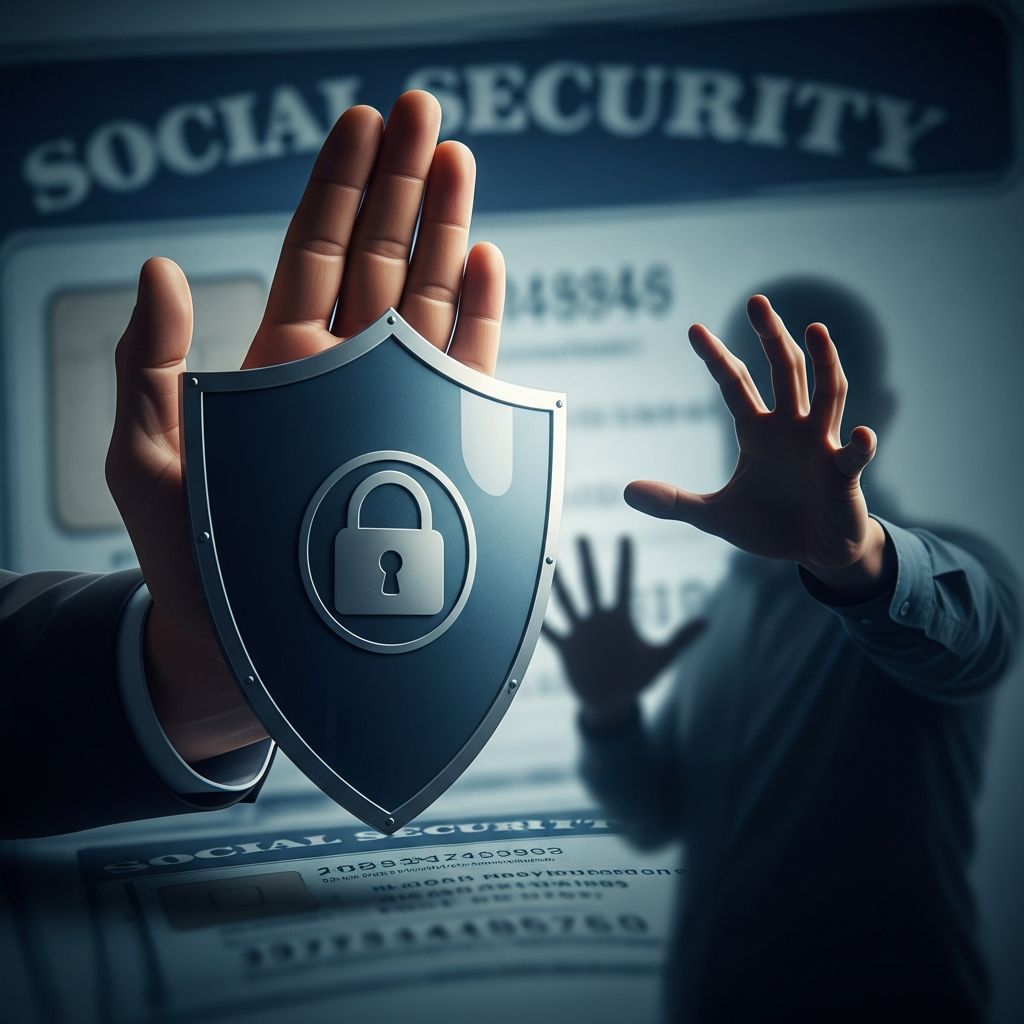
Criminals are increasingly pretending to be from the Social Security Administration (SSA) to steal money, benefits, and personal information. These schemes can be convincing, urgent, and frightening — but once you understand how they work and what real government agencies will (and will not) do, they become far easier to ignore and report.
This guide explains how Social Security impersonator scams operate, the red flags to watch for, and the specific steps you can take if you’re targeted or have already responded.
1. What Is a Social Security Impersonator Scam?
A Social Security impersonator scam happens when someone pretends to represent the SSA or a related government office to trick you into sending money or revealing sensitive information like your Social Security number (SSN), bank account details, or login credentials.
Scammers may contact you through:
- Phone calls (live calls and robocalls)
- Text messages and messaging apps
- Emails or web forms
- Social media messages or fake profiles
- Letters or official-looking documents
The message is usually the same: there is a problem with your Social Security number, benefits, or identity, and you must act immediately to fix it — usually by paying or sharing private data.
2. How Scammers Make Their Stories Sound Believable
Fraudsters carefully design their messages to sound official and urgent. They rely on fear, confusion, and pressure so you react before you think.
2.1 Common Scare Tactics
- Fake threats of arrest or legal action — They claim you’ll be arrested, sued, or taken to court unless you pay right away.
- Claiming your SSN is suspended — They insist your number has been “blocked” due to fraud or criminal activity.
- Alleged benefit problems — They say your benefits will stop, be reduced, or not start unless you verify information or pay a fee.
- Pressure to keep it secret — They tell you not to talk to anyone else, including family, your bank, or SSA.
- Demands for instant decisions — They insist you decide on the spot, often while keeping you on the phone.
2.2 Tools Criminals Use to Look Official
- Caller ID spoofing — They make your caller ID display “Social Security Administration,” a Washington, D.C. number, or even a local police department.
- Real names and titles — They may introduce themselves using actual names of SSA or Office of Inspector General (OIG) employees found online.
- Official-looking documents — They send forged letters, badges, or forms with government logos by email, text, or postal mail.
- Fake websites and social media pages — They create pages that copy SSA logos, colors, and language to appear authentic.
Scammers know that many people aren’t familiar with SSA’s normal procedures, especially older adults navigating complex benefit rules, so they exploit that confusion.
3. What the Real Social Security Administration Will Never Do
Knowing what genuine SSA staff won’t do is one of the easiest ways to spot an impersonator. According to the SSA and other federal agencies, legitimate employees will never:
- Threaten to arrest you or take legal action for not paying immediately.
- Tell you your Social Security number will be suspended or canceled.
- Demand payment to activate a cost-of-living adjustment (COLA) or benefit increase.
- Ask for payment using gift cards, wire transfers, cryptocurrency, or payment apps.
- Request sensitive personal or financial information through social media messages.
- Send photos of government badges or credentials to prove their identity.
In general, SSA and other federal agencies will:
- Communicate by mail first in most situations.
- Allow you to verify any request by contacting them through official phone numbers or websites.
- Never demand secrecy about a payment or ask you to ignore your bank or family.
4. Typical Social Security Impersonator Scenarios
While the details change, most scams follow a few predictable patterns. Recognizing them early helps you hang up or delete the message quickly.
| Scenario | What They Claim | The Real Goal |
|---|---|---|
| “Problem with your SSN” call | Your number is linked to crime, and you must pay to clear your name. | Push you into sending money via untraceable methods. |
| “Benefits at risk” message | Your benefits will stop unless you confirm data or pay a fee. | Collect your SSN, bank info, or direct access to your accounts. |
| Fake SSA social media contact | They saw an issue with your account and want to help you fix it. | Get you to send personal or financial information in direct messages. |
| Official-looking letter or email | You must call a specific number or click a link to resolve “fraud.” | Move you into a live call where they can pressure you further. |
5. Key Warning Signs You’re Dealing With a Scam
Regardless of the exact script, Social Security impersonator scams share several red flags.
5.1 High-Risk Behaviors and Red Flags
- Urgent demands — They insist you must do something “right now” or face severe consequences.
- Unusual payment methods — Requests to pay with gift cards, wire transfer, cryptocurrency, or payment apps are classic signs of fraud.
- Requests for full SSN or bank details — They need your complete SSN, account numbers, or login credentials, often claiming to “verify” your identity.
- Instructions to keep it secret — They tell you not to hang up, not to call back on a different line, or not to speak to anyone else.
- Links and attachments — They urge you to click a link, open an attachment, or download a document to “review your case.”
5.2 Phone and Message Clues
- Robocalls that ask you to press a number to speak to an agent or remove your number.
- Caller ID that seems official but is unexpected, especially if you never contacted SSA.
- Messages with poor spelling, odd punctuation, or unfamiliar sender addresses.
- Social media accounts with few followers, mismatched usernames, or links that do not go to
ssa.gov.
6. How to Respond Safely to a Suspicious Contact
If anything feels off about a call, message, or email claiming to be from Social Security, your priority is to cut off contact and avoid sharing information.
6.1 Immediate Steps
- Stay calm. Scammers rely on panic. Take a breath before acting.
- Hang up or stop replying. Do not press numbers, return calls, or continue the conversation.
- Do not click links or open attachments. They can contain malware or lead to fake login pages.
- Don’t send money. Never pay with gift cards, wire transfers, cryptocurrency, or payment apps in response to a threat.
6.2 Verify Through Official Channels
If you are worried the message might be real:
- Look up the SSA phone number or website yourself — do not use a number or link provided in the suspicious message.
- Call your local SSA office or the national SSA line using the official contact details.
- Log in to your online Social Security account by typing the official address in your browser.
7. Protecting Your Social Security Number and Personal Data
Your SSN is a key target for identity thieves. Safeguarding it reduces the damage scammers can do, even if they already know some of your information.
7.1 Limit Where Your SSN Is Shared
- Only provide your SSN when it is absolutely necessary and you understand why it is needed.
- Do not carry your Social Security card in your wallet unless you must use it that day.
- Store any documents containing your SSN in a secure location at home.
7.2 Strengthen Your Financial and Digital Security
- Use strong, unique passwords and enable multi-factor authentication where available.
- Review bank accounts and credit card statements regularly for unfamiliar charges.
- Check your credit reports periodically and confirm your annual Social Security earnings statement looks accurate.
8. What to Do If You Already Responded
If you sent money, shared your SSN, or gave away financial information, act quickly. Early action can limit damage and speed recovery.
8.1 If You Shared Personal or Financial Information
- Stop contact with the scammer. Do not reply to additional messages or calls.
- Contact your bank or card issuer. Ask about blocking transfers, disputing charges, or closing compromised accounts.
- Place a fraud alert on your credit reports with Equifax, Experian, and TransUnion, and consider a credit freeze.
- Monitor your credit and account statements closely for new accounts or loans you did not open.
8.2 If Your SSN May Be Misused
- Protect your Social Security records and consider requesting a replacement card or, in severe cases, a new SSN, as advised by SSA.
- Keep copies of all documents and notes from conversations with banks, SSA, and law enforcement.
- Be patient with the recovery process and remember you are the victim of a crime; the blame is on the scammer, not you.
9. How and Where to Report Social Security Impersonator Scams
Reporting scams helps authorities track patterns, shut down operations, and warn others. Even if you did not lose money, your report is useful.
- Social Security Office of the Inspector General (OIG): Report SSA-related scams directly so investigators can track and respond to trends.
- Federal complaint portals: You can use federal reporting tools, such as those highlighted on USA.gov, to find the right agency for different scam types.
- Local law enforcement: File a police report if money was stolen; banks and insurers may ask for this documentation.
- Your bank or card issuer: Let them know the payment was fraudulent and ask about recovery options.
10. Helping Friends, Family, and Clients Stay Safe
Scammers often target people who rely heavily on Social Security or feel less comfortable with technology, including many older adults. Spreading accurate information is one of the best defenses.
- Talk about common scams with older relatives, neighbors, and clients.
- Share clear rules, such as: “If someone calls about Social Security and asks for money, hang up.”
- Encourage loved ones to call you or another trusted person before sending money or sharing sensitive information.
- Promote official awareness campaigns like SSA’s Slam the Scam materials, which focus on spotting and avoiding imposters.
Frequently Asked Questions (FAQs)
Q1: Can Social Security really suspend my Social Security number?
No. The Social Security Administration does not suspend or cancel Social Security numbers for unpaid debts, suspected fraud, or criminal investigations. Claims that your SSN is “suspended” are a hallmark of scams.
Q2: What should I do if the caller ID shows “Social Security Administration”?
Caller ID can be faked easily. If the call is unexpected or includes threats, demands for payment, or requests for sensitive data, hang up. Then look up SSA’s official number yourself and call directly if you’re concerned.
Q3: Is it ever safe to pay a fee to keep or increase my Social Security benefits?
No. SSA does not charge fees to start, maintain, or increase your benefits and will never ask for payment to activate a cost-of-living adjustment or avoid a cut in benefits.
Q4: How can I check whether a message about my benefits is real?
Do not use phone numbers, links, or email addresses in the suspicious message. Instead, visit SSA’s official website by typing the address into your browser or call a publicly listed SSA phone number to verify the information.
Q5: I think my elderly parent was scammed. What should we do first?
Help them stop all contact with the scammer, contact their bank and card issuers to block or dispute payments, place fraud alerts or credit freezes with the major credit bureaus, monitor accounts and credit reports, and file appropriate reports with SSA OIG and local law enforcement.
References
- How To Avoid a Government Impersonation Scam — Federal Trade Commission. 2023-10-06. https://consumer.ftc.gov/articles/how-avoid-government-impersonation-scam
- Protect Yourself from Social Security Scams — Social Security Administration. 2024-05-01. https://www.ssa.gov/scam/
- How to Avoid Social Security Scams: Spot the Red Flags and Protect Yourself — National Cybersecurity Alliance. 2024-01-10. https://www.staysafeonline.org/articles/how-to-avoid-social-security-scams-spot-the-red-flags-and-protect-yourself
- Identity Protection Tips — Internal Revenue Service. 2023-11-15. https://www.irs.gov/identity-theft-fraud-scams/identity-protection-tips
- Protect Yourself from Social Security Scams – Resources — Social Security Administration. 2024-03-07. https://www.ssa.gov/scam/resources.html
- Slam the Scam Day – Protect Your Clients Against Social Security Scams — Social Security Administration. 2025-02-28. https://www.ssa.gov/news/en/advocates/2025-02-28.html
- Preventing Cyber Scams that Target Seniors — Center for Retirement Research at Boston College. 2022-06-21. https://crr.bc.edu/preventing-cyber-scams-that-target-seniors/
Similar Articles








Read full bio of Sneha Tete


