
Self-Checkout Theft: Proven Strategies To Reduce Losses
Discover proven strategies retailers use to combat rising self-checkout theft with technology, training, and smart design.
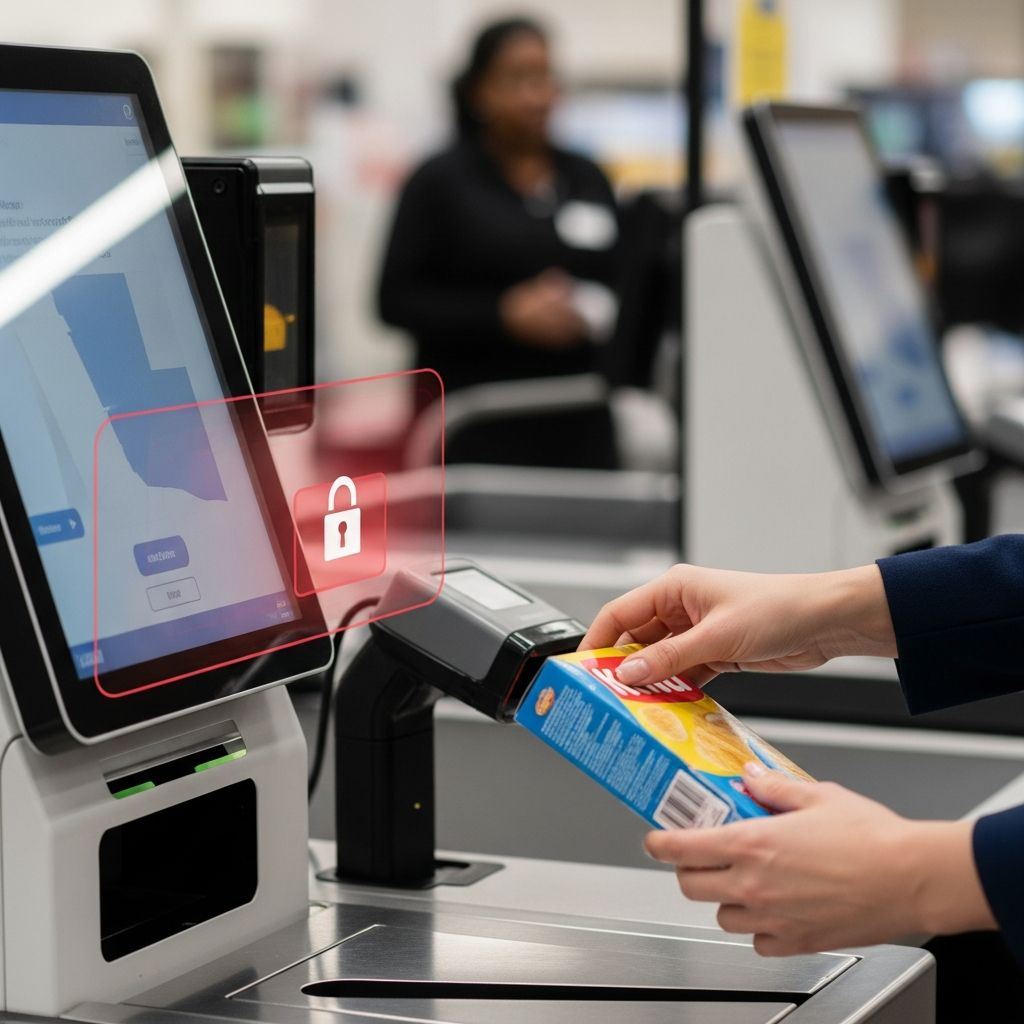
Self-checkout kiosks have transformed the shopping experience by offering speed and convenience, but they have also opened doors to new forms of theft. Shoplifters exploit these systems through tactics like skipping scans, swapping barcodes, and hiding items. Retailers are responding with a blend of cutting-edge technology, vigilant staffing, and redesigned processes to minimize losses. This article delves into the most effective countermeasures, drawing from industry best practices to help stores stay one step ahead.
The Growing Challenge of Self-Service Theft
Convenience drives the popularity of self-checkout lanes, yet it inadvertently creates vulnerabilities. Thieves take advantage of reduced human oversight, employing methods such as scanning a cheap item for an expensive one or simply placing goods in bags without scanning. Statistics reveal that self-checkout theft contributes significantly to retail shrinkage, with some stores reporting losses up to 4-5% of revenue from these areas. The shift toward automation accelerates this issue, as organized retail crime groups target high-volume locations for quick, low-risk gains.
Common theft techniques include the “banana trick,” where a low-cost produce barcode is used on pricier meat, and “forgotten items,” where products are concealed under already-scanned bags. These methods succeed because self-checkout relies on customer honesty and basic tech checks, which savvy criminals bypass easily. Retailers must adopt layered defenses to address both opportunistic and professional theft.
Technological Defenses at the Kiosk
Modern self-checkout systems integrate smart features to verify transactions in real time. High-precision weight scales represent a cornerstone of prevention, automatically comparing the mass of placed items against database expectations for scanned products. Any mismatch—such as a steak registered as a banana—triggers an alert, forcing intervention or payment adjustment.
Advanced barcode scanners further bolster security. Traditional 1D readers can be fooled by fake labels, but 2D scanners detect alterations and cross-reference with store inventories instantly. Dynamic weight limits adapt per item selection, preventing bulk unscanned goods from slipping through. Kiosks now often include built-in HD cameras focused on scanning surfaces, capturing clear footage of hands and products for immediate review.
| Theft Tactic | Tech Countermeasure | Benefit |
|---|---|---|
| Barcode swapping | 2D scanners with database integration | Real-time verification flags mismatches |
| Skip-scanning heavy items | Precision weight scales | Alerts on weight discrepancies |
| Hiding items in bags | HD kiosk cameras | Visual monitoring of bagging process |
| Bulk unscanned loads | Transaction item/dollar limits | Forces manned checkout for large buys |
Leveraging AI and Surveillance Innovations
Artificial intelligence elevates theft detection beyond static checks. AI-powered cameras analyze behavior patterns, such as nervous glances, shielding of items, or irregular scanning rhythms, sending live alerts to staff. Systems like those from Everseen or StopLift process POS data alongside video feeds, identifying anomalies like multiple low-price scans in high-value categories.
At store exits, AI receipt scanners and security gates add final barriers. Customers scan receipts at turnstiles; mismatches prompt bag checks. Wide-angle overhead cameras cover multiple kiosks, while heat-mapping software pinpoints high-risk zones for optimal coverage. RFID and EAS tags on valuables provide a fail-safe, triggering alarms if unscanned items pass exit sensors. These passive systems deter without constant monitoring.
Empowering Staff Through Training and Protocols
Technology alone falls short without trained personnel. Employees must patrol self-checkout zones, watching for red flags like excessive item handling, agitation, or attempts to bypass scales. Training emphasizes body language cues and quick intervention scripts to de-escalate while verifying baskets.
Strategic policies enhance effectiveness. Limit self-checkout to 10-15 items or $50 transactions, redirecting bulk or high-value purchases to cashiers. Random audits at exits—checking 10% of bags—create uncertainty for thieves. For high-risk goods like electronics or alcohol, require attendant approval or manual scans. Mystery shoppers test staff vigilance by simulating thefts, ensuring protocols stick.
- Patrol rotations: Staff roam between kiosks to avoid predictability.
- High-risk flagging: POS alerts for suspicious patterns like repeated cheap scans.
- Override controls: Biometric logins prevent employee collusion on refunds.
- Incentives: Rewards for spotting theft boost engagement.
Optimizing Store Layout and Customer Experience
Physical design influences behavior. Separate weighing zones for produce prevent mislabeling tricks, while mirrors over kiosks provide passive oversight. Designated bagging areas post-scale reduce hiding spots. Clear signage reminds shoppers of surveillance and consequences, humanizing theft’s impact.
Reduce frustration to curb “accidental” theft: streamline interfaces, offer help buttons, and integrate mobile scan-and-go apps for pre-checkout tracking. Loyalty programs reward compliant users, fostering honesty. For expensive items, lockup cases or manned lanes eliminate self-checkout risks altogether.
Preventing Internal Threats and Fraud
Self-checkout invites employee-assisted schemes like fake voids or overrides. Counter this with biometric verification for interventions, disabling manual weight bypasses without supervisor codes, and anonymous reporting hotlines. Alerts on unusual refund patterns or failed payments catch card testing. Video logs tie actions to individuals, deterring collusion.
Measuring Success and Future Trends
Stores track prevention ROI via shrinkage metrics pre- and post-implementation. Combining tech stacks—AI, scales, RFID—yields 30-50% theft drops in many cases. Emerging trends include biometric customer ID for repeat users and predictive analytics forecasting theft hotspots. Retailers investing in these hybrids not only cut losses but enhance customer trust.
Frequently Asked Questions
What is the most common self-checkout theft method?
Skip-scanning items or barcode switching, like using produce labels on meat, tops the list due to their simplicity.
How effective are weight scales in prevention?
Highly effective; they detect discrepancies instantly, reducing successful thefts by flagging mismatches before completion.
Should stores limit self-checkout items?
Yes, capping at 10-15 items or $50 steers high-risk transactions to supervised lanes.
Can AI fully replace staff monitoring?
No, AI excels at detection but pairs best with trained patrols for intervention.
What role do RFID tags play?
They serve as exit alarms for unscanned high-value goods, acting as a last defense.
Implementing these strategies requires balancing security with seamless shopping. Retailers succeeding today view self-checkout as a profit center fortified by proactive measures.
References
- Self-Checkout Theft Techniques: Best Ways to Prevent Theft — Sirix Monitoring. 2023. https://sirixmonitoring.com/blog/self-checkout-theft-techniques-best-ways-to-prevent-theft/
- The Rise of Self-Checkout Theft and How to Stop It — Hanwha Vision America. 2023. https://hanwhavisionamerica.com/blog/self-checkout-theft/
- Preventing POS Theft in Self-Checkout: A Strategic Approach — The Integritus Group. 2023. https://www.theintegritusgroup.com/preventing-pos-theft-in-self-checkout-a-strategic-approach/
- How to Prevent Self-Checkout Theft — DTiQ. 2023. https://www.dtiq.com/blog/safety/self-checkout-theft
- Mitigating Self-Checkout Theft: A Comprehensive Guide for Retailers — Scanbot SDK. 2023. https://scanbot.io/blog/mitigating-self-checkout-theft-a-comprehensive-guide-for-retailers/
Similar Articles








Read full bio of Sneha Tete




