
Staying Safe and Smart in Severe Weather Emergencies
Learn how to plan, prepare, and avoid scams before, during, and after severe weather and disaster emergencies.
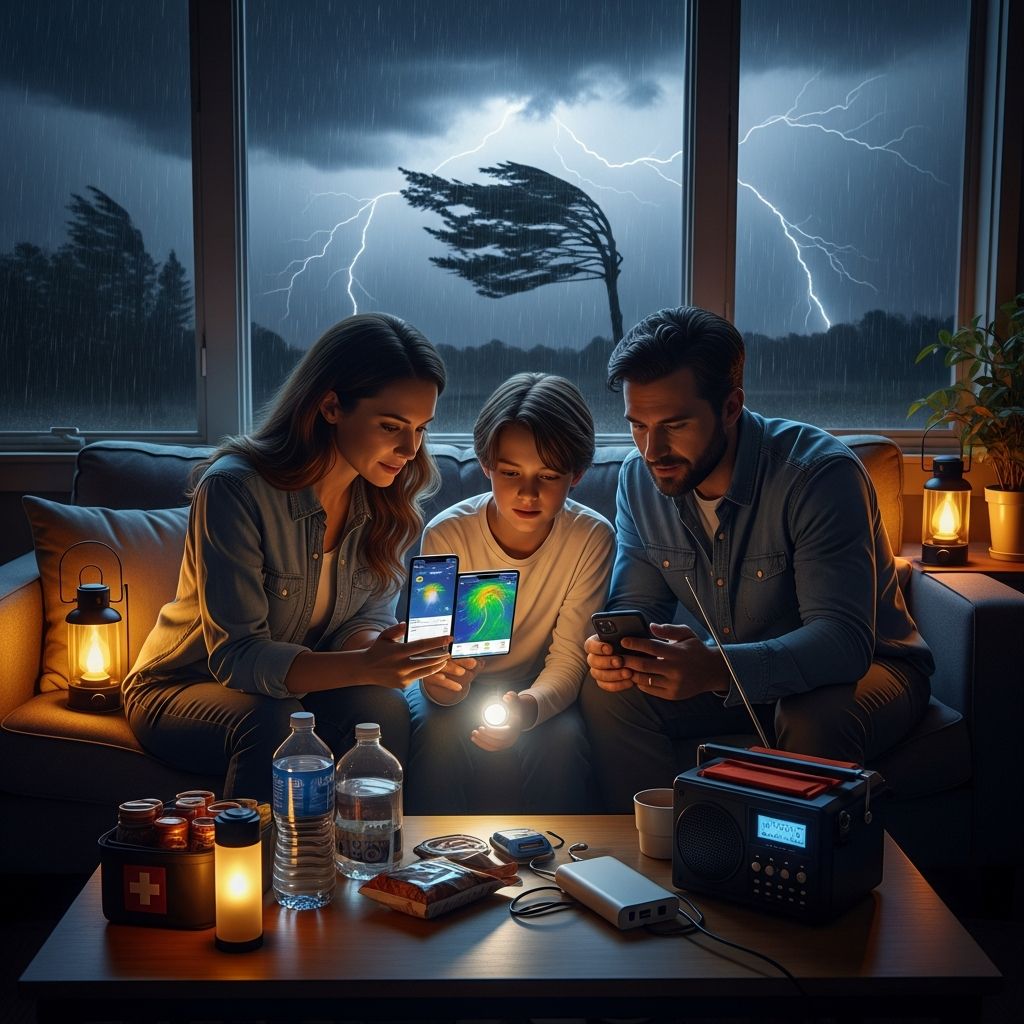
Severe weather can damage homes, disrupt power and water, and create urgent needs for repairs, housing, and supplies. While you are focusing on safety and recovery, some businesses raise prices unfairly and scammers move in quickly to take advantage of people in crisis. Preparing before storms hit and knowing your rights afterward can protect both your family and your finances.
1. Understand the Weather Risks Where You Live
Every community faces different types of weather emergencies. Knowing which disasters are most likely in your area helps you prepare more effectively and avoid panic when warnings are issued.
- Coastal areas: hurricanes, storm surge, flooding.
- Interior states: tornadoes, severe thunderstorms, hail, flash floods.
- Cold climates: winter storms, blizzards, ice storms, extreme cold.
- Western and dry regions: wildfires, extreme heat, smoke, and occasional flooding after heavy rain.
Local emergency management agencies and weather offices frequently publish hazard maps and community risk assessments that explain the primary threats in each region.
2. Build a Personal and Family Emergency Plan
A written emergency plan reduces confusion and helps everyone know what to do if you must leave home quickly or shelter in place.
2.1 Key Elements of an Effective Plan
- Safe locations in your home for different hazards (for example, an interior room on the lowest floor for tornadoes; an upper floor away from flood-prone basements for floods).
- Evacuation routes out of your neighborhood, plus backup routes if roads are blocked.
- Meeting points in case family members are separated—one near home and one outside your immediate area.
- Out-of-area contact (friend or relative) who can serve as a communication hub if local phone lines are overloaded.
- Special arrangements for anyone who has disabilities, medical devices, mobility challenges, or limited English proficiency.
2.2 Practice and Update the Plan
Plans are only effective if people know and remember them. Emergency management agencies recommend practicing your plan regularly so that each person understands their role.
- Conduct family drills for fire, tornado, and evacuation situations a few times per year.
- Review how to turn off water, gas, and electricity only if local officials or utility companies tell you it is safe and appropriate.
- Update emergency contacts, medical information, and routes at least once a year or after major life changes.
3. Assemble Emergency Supplies for Home and Travel
Having supplies ready before storms and disasters means you are less likely to make rushed, expensive, or unsafe purchases later. Official guidance typically recommends that each person have enough basic supplies to last at least several days.
3.1 Basic Supplies Checklist
| Category | What to Include | Why It Matters |
|---|---|---|
| Water | At least 1 gallon per person per day for several days, for drinking and limited hygiene. | Tap water may be unsafe or unavailable after disasters. |
| Food | Non-perishable items (canned goods, dry snacks, ready-to-eat meals) and a manual can opener. | Refrigerated food may spoil quickly during power outages. |
| Light & Power | Flashlights, extra batteries, battery-powered or hand-crank radio, portable chargers. | Staying informed and moving safely is critical during outages. |
| Health & Safety | First aid kit, regular medicines, copies of prescriptions, basic hygiene supplies. | Medical services may be delayed or difficult to reach. |
| Documents & Money | Copies of IDs, insurance policies, property records, a small amount of cash kept securely. | ATMs and card systems may be unavailable; records speed up insurance claims. |
| Clothing & Shelter | Season-appropriate clothing, sturdy shoes, blankets; for cold climates, hats, mittens, coats. | Helps prevent hypothermia or heat illness if you must leave home. |
3.2 Go-Bags vs. Stay-at-Home Kits
- Go-bag (evacuation kit): a backpack or small bag you can carry easily if you must leave quickly. Include at least three days of essentials: water, food, medications, copies of documents, and a flashlight.
- Home supply kit: supplies stored where you live that can help you manage for a week or more if services are disrupted.
- Car kit: basic supplies kept in your vehicle such as water, non-perishable food, a blanket, and a small first-aid kit, particularly in regions prone to winter storms or long evacuations.
4. Prepare Your Home and Insurance Before Storms
Physical preparation limits damage, while the right insurance coverage helps you recover financially if damage occurs.
4.1 Home Safety and Maintenance
- Trim trees and remove dead branches that could fall in high winds.
- Secure outdoor furniture, grills, and other loose items when severe weather is predicted.
- In cold climates, insulate pipes and seal drafts with caulking and weather stripping to protect against freezing and burst pipes.
- Install and test smoke alarms and carbon monoxide detectors with battery backups.
- Know how water drains around your home and keep gutters and downspouts clear to reduce flood risk.
4.2 Review Insurance and Important Documents
- Check whether your homeowners or renters policy covers wind, hail, and other weather-related damage.
- Understand that standard policies often do not cover flood damage; separate flood insurance is usually required.
- Store copies of insurance policies, home inventories, and receipts in a fire-resistant container or secure digital backup.
- Take photos or videos of each room and valuable items to document your property before any disaster.
5. Stay Informed: Alerts, Warnings, and Official Information
Modern alert systems provide early notice of many dangerous situations. Learning what different alerts mean helps you respond quickly and appropriately.
5.1 Types of Weather Messages
- Outlook: conditions are being monitored; severe weather may be possible in coming days.
- Watch: weather conditions are favorable for dangerous weather—be ready to act.
- Warning: severe weather is happening or imminent—take protective action immediately.
5.2 How to Receive Reliable Updates
- Sign up for local text or email emergency alerts from your city, county, or state emergency management office.
- Use a battery-powered or hand-crank radio to get information if power and internet fail.
- Rely on trusted sources, such as national weather services, local authorities, and recognized public health agencies.
- Be cautious about unverified information spread on social media, especially messages that ask for money, financial information, or personal data.
6. Protect Yourself From Disaster-Related Scams
After storms and disasters, people urgently need repairs, temporary housing, and help dealing with insurance. This rush creates opportunities for dishonest contractors and scammers. Being cautious with your money and information is as important as boarding up windows or stocking water.
6.1 Common Scams After Emergencies
- Fake contractors who go door-to-door offering quick repairs, demand upfront payment, and then disappear or do poor-quality work.
- Phony charity appeals that use emotional stories and fake names to collect donations they never pass on to survivors.
- Imposters posing as government officials, insurance adjusters, or utility workers who ask for fees, account numbers, or Social Security numbers.
- Rental and hotel fraud, including fake listings asking for deposits by wire transfer or gift cards.
- Price-gouging: extreme, unjustified price hikes on essentials like fuel, water, and basic services in areas covered by emergency declarations (often restricted or illegal under state law).
6.2 How to Check Contractors and Repair Offers
- Contact your insurance company before hiring anyone for major repairs to understand what is covered and whether they have preferred contractors.
- Get multiple written estimates that describe the work, materials, cost, and schedule.
- Verify licenses, permits, and any required registrations with state or local licensing boards when applicable.
- Never pay in full upfront; if a deposit is required, pay the smallest reasonable amount and use a method that provides a record (credit card, check).
- Refuse high-pressure tactics such as “today-only” offers or demands for immediate cash.
6.3 Safer Ways to Donate or Get Financial Help
- When donating, give to organizations you recognize and trust, using their official websites or known phone numbers.
- Avoid donations requested via gift cards, wire transfers, or cryptocurrency—methods that are difficult to trace and recover.
- If you apply for aid, use official channels such as government disaster assistance programs or legitimate relief organizations; do not share your Social Security number or bank details with anyone who contacts you unexpectedly.
7. Staying Healthy and Safe After the Storm
Once the immediate danger passes, new risks emerge—contaminated water, carbon monoxide poisoning, structural damage, and mold. Health agencies emphasize taking precautions to avoid injuries and illness during cleanup.
7.1 Food, Water, and Power Safety
- Throw out food that may have been unrefrigerated for several hours or that came into contact with floodwater.
- Follow local guidance on whether tap water is safe to drink; if not, use bottled water or boil water as instructed by health or water authorities.
- Use portable generators outdoors and away from windows and doors to prevent carbon monoxide buildup inside buildings.
- Keep refrigerators and freezers closed as much as possible during outages to preserve cold temperatures.
7.2 Cleanup and Mold Prevention
- Wear protective clothing, gloves, and sturdy shoes when cleaning debris.
- Photograph damage before making repairs, for insurance and potential disaster assistance claims.
- Dry out wet materials as quickly as possible to reduce mold growth; in some cases, soaked items may need to be discarded.
- Be extremely cautious around downed power lines and damaged electrical equipment; treat all wires as if they are live and report them to the utility company or local authorities.
8. Special Considerations for Older Adults and People With Disabilities
Disasters can have disproportionate effects on people who rely on regular medical care, mobility aids, or support from caregivers. Planning ahead is especially important for these groups.
- Keep a detailed list of medications (names, dosages, prescribing doctors) and copies of prescriptions in your emergency kit.
- Plan how to power medical devices, such as oxygen concentrators or powered wheelchairs, if electricity is unavailable.
- Arrange with neighbors, family, or local support agencies to check in during and after severe weather.
- Register with local emergency management or health departments if your community offers voluntary registries for residents who may need additional help during evacuations.
9. Frequently Asked Questions (FAQs)
Q1: How much water should I store for emergencies?
Emergency planning guidance commonly recommends at least one gallon of water per person per day for several days, for drinking and limited sanitation needs. Households with children, pregnant people, older adults, or hot climates may need more.
Q2: What is the difference between a weather watch and a warning?
A watch means conditions are favorable for hazardous weather, so you should stay alert and prepare to act. A warning means dangerous weather is happening or imminent in your area, and you should take protective action immediately.
Q3: Are power outages after storms a health risk?
Yes. Food can spoil, medical devices may stop working, and unsafe generator use can cause carbon monoxide poisoning. Public health agencies emphasize proper generator placement outdoors and careful handling of food and water after outages.
Q4: How can I tell if a disaster charity request is legitimate?
Research the organization using independent, trusted sources, and donate through official websites or published phone numbers. Be wary of high-pressure appeals, vague descriptions of how money is used, and requests for payment via gift cards, wire transfer, or cryptocurrency.
Q5: What should I do first if my home is damaged by a storm?
Make sure everyone is safe and get medical care if needed. Then, document the damage with photos or video, contact your insurance company, and be cautious about accepting repair offers from anyone who appears without being requested or refuses to provide written estimates or license details.
References
- Winter Storm Preparedness & Blizzard Safety — American Red Cross. 2023-11-15. https://www.redcross.org/get-help/how-to-prepare-for-emergencies/types-of-emergencies/winter-storm.html
- 10 Steps to Severe Weather Preparation — Thompson Tractor. 2022-06-01. https://thompsontractor.com/blog/10-steps-to-severe-weather-preparation/
- Making a Disaster Plan — Ohio Emergency Management Agency. 2023-02-10. https://ema.ohio.gov/prepare-respond/emergency-preparedness/making-a-disaster-plan
- Emergency Preparedness and Response — Centers for Disease Control and Prevention (CDC). 2024-02-07. https://www.cdc.gov/emergency/index.html
- Severe Weather Preparedness — National Weather Service, NOAA. 2023-03-20. https://www.weather.gov/ind/preparedness
- Emergency Preparedness and Response — Occupational Safety and Health Administration (OSHA). 2023-08-01. https://www.osha.gov/emergency-preparedness
- Emergency Preparedness & Response: Helpful Tools & Tips — California Department of Aging. 2023-05-04. https://aging.ca.gov/Helpful_Tools_and_Tips/Emergency_Preparedness_and_Response/
Similar Articles








Read full bio of Sneha Tete


