
Building a Compliant Homemade Food Business
Navigate regulations and licensing requirements for your home-based food enterprise.
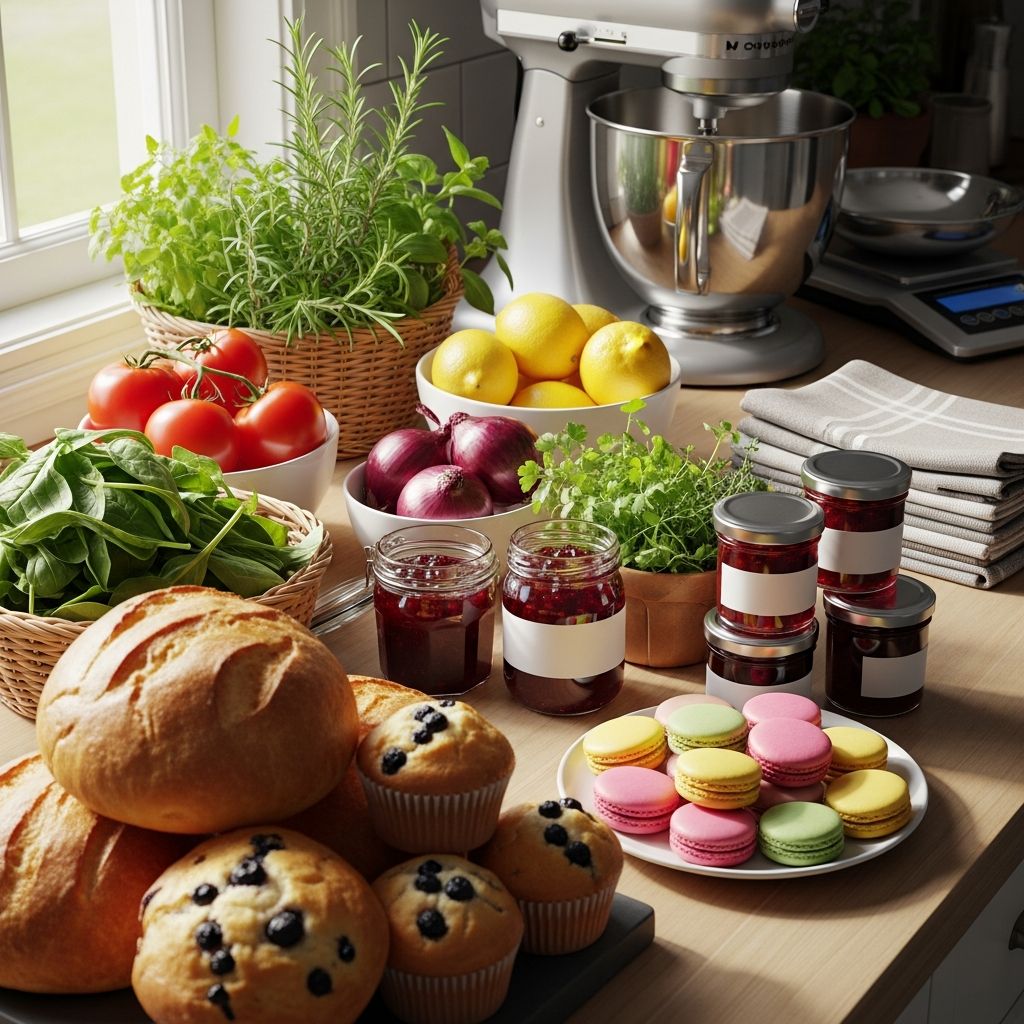
Launching Your Home-Based Food Business: A Comprehensive Legal Framework
The appeal of starting a food business from home is compelling for many entrepreneurs. Lower overhead costs, flexible hours, and the ability to test products before scaling make home-based food production an attractive entry point into the culinary entrepreneurship space. However, transforming a passion for cooking into a legitimate business requires navigating a complex landscape of federal, state, and local regulations. Understanding these requirements before you begin operations is essential for protecting both your customers and your business investment.
Understanding the Regulatory Foundation
Food production operates under multiple layers of governmental oversight. The Food and Drug Administration (FDA) establishes federal standards that apply nationwide, but these requirements vary significantly depending on whether you operate from a home kitchen, whether your products require temperature control for safety, and the volume of production. Additionally, state and local health departments impose their own regulations that may be more stringent than federal guidelines. These overlapping jurisdictions mean you must research requirements at all three governmental levels before launching operations.
The distinction between a home-based food business and commercial food production is legally significant. Under federal regulations, a private residence used exclusively for food production is not classified as a commercial “facility” and therefore is exempt from FDA facility registration requirements. This exemption provides substantial cost savings but comes with limitations on product types, production volume, and distribution channels that vary by jurisdiction.
Identifying Your Product Category and Applicable Rules
Not all foods can be legally produced in a home kitchen. Food products generally fall into two categories: potentially hazardous foods that require refrigeration or specific temperature control, and shelf-stable foods that do not. Home kitchens are typically restricted to producing non-potentially hazardous items such as:
- Baked goods (breads, cookies, pastries without cream fillings)
- Jams, jellies, and other preserved fruit products
- Roasted coffee beans
- Spice blends and dry goods
- Popcorn and similar snack items
- Granola and dried cereal products
Your state’s specific cottage food law determines which products qualify for home production. Some states permit a broader range of foods than others, and these regulations change periodically. Before investing in equipment or ingredients, verify with your state’s department of agriculture or health department which products fall within allowable categories for your jurisdiction.
State-Level Cottage Food Regulations
Cottage food laws exist in most states but differ substantially in their requirements and allowances. These state regulations dictate not only which foods you can produce but also critical details about sales channels, revenue limits, labeling requirements, and mandatory training. Some states impose annual revenue caps on home-based food producers, while others like Nebraska permit unlimited revenue from cottage food operations. Similarly, some states restrict sales to direct consumer-to-consumer transactions, while others allow wholesale distribution to retailers.
The geographic variation in regulations means a product you can legally produce and sell in one state may be prohibited in another. For example, some states allow certain canned foods to be produced in home kitchens under specific conditions, while other states ban all home canning entirely. Understanding your state’s specific framework is non-negotiable before beginning production or marketing activities.
Food Handler Training and Certification Requirements
Many states require home-based food producers to complete accredited food safety training before conducting any sales activities. This requirement typically involves completing an approved food handler course covering topics such as proper food storage, temperature control, sanitation practices, and contamination prevention. Some states waive this requirement for producers selling exclusively at farmers markets, though completing the training remains advisable to demonstrate professionalism and commitment to food safety.
These courses are widely available online and generally cost between $10 and $25, with completion times typically ranging from one to three hours. Upon successful completion, you receive a food handler card or certificate that must often be submitted with your business registration. The credential serves dual purposes: it satisfies legal requirements and signals to customers that you take food safety seriously. Maintaining your certification according to renewal schedules is essential for legal compliance.
Mandatory Business Registration and Permits
Before producing or selling any homemade food products, you must formally register your business with your state’s relevant agency, typically the state department of agriculture or health department. Registration processes are usually straightforward and often completed online within minutes, frequently at no cost. During registration, you’ll provide your business name, contact information, and details about the products you intend to produce.
Beyond state registration, you may need additional permits or licenses depending on your location and business model:
- Local business licenses from your city or county
- Home occupation permits that authorize food production in residential zones
- Sales tax permits if your state imposes sales tax on food products
- Seller permits for wholesale distribution channels
Some jurisdictions impose restrictions on home-based businesses, including limitations on signage, customer visits, or vehicle traffic. Verify local zoning ordinances before investing in business infrastructure, as violating these rules could force you to cease operations or relocate.
Product Labeling and Disclosure Requirements
Every product you sell must bear a label containing specific information mandated by federal and state regulations. Minimum requirements typically include your name and business address, product name and net weight, ingredient list, and allergen declarations. Additionally, many states require a disclaimer stating that the product was “prepared in a kitchen that is not subject to state licensing and inspection” and may contain allergens. This transparency requirement reflects regulatory acknowledgment of the different standards applied to home-based versus commercial food production.
Federal regulations under the Food Allergen Labeling and Consumer Protection Act require clear identification of major allergens including peanuts, tree nuts, milk, eggs, fish, shellfish, soy, wheat, sesame, and any other allergens present in your product. Failure to properly label allergens exposes you to significant legal liability if customers experience allergic reactions.
Distribution Channels and Sales Restrictions
Home-based food businesses operate under defined sales restrictions that vary by state. Most states permit direct sales to consumers through channels such as farmers markets, farm stands, community-supported agriculture programs, and direct delivery to customer homes. These direct-to-consumer sales typically do not require commercial kitchen facilities and fall within cottage food exemptions.
However, wholesale distribution to restaurants, retail stores, or food service operations generally requires a commercial kitchen license regardless of state regulations. Similarly, selling through online platforms that ship products across state lines may trigger different regulatory requirements. Understanding which sales channels your state permits before developing your business model prevents costly pivots and ensures legal compliance from launch.
Record-Keeping and Documentation Obligations
Even small home-based food businesses must maintain records documenting their operations. These records should include ingredient supplier names and addresses, production dates, batch numbers, customer transaction information, and any customer complaints or concerns about product quality or safety. Maintaining this “one up, one down” documentation chain enables you to trace ingredients back to suppliers and track distribution forward to customers, critical for managing potential food safety incidents.
Documentation practices protect both your customers and your business. In the event of a foodborne illness outbreak or product contamination, thorough records enable rapid identification of affected batches and quick notification of impacted customers. This responsiveness reduces legal exposure and demonstrates commitment to food safety to regulatory agencies.
Facility Standards and Kitchen Requirements
Home kitchens used for food production must meet certain cleanliness and safety standards. While these standards are less stringent than commercial kitchen requirements, they remain important for food safety and often serve as the basis for health department inspections if complaints arise. Your home kitchen should be dedicated to food production during business hours, with separate storage for business ingredients and equipment from personal household items.
Some states have developed specific guidelines for residential kitchen standards, including requirements for handwashing facilities, food storage temperature controls, and cleaning protocols. Reviewing your state’s guidelines and implementing appropriate standards before beginning production prevents future compliance issues and demonstrates good-faith adherence to food safety principles.
Insurance and Liability Protection
While not always legally mandated, obtaining product liability insurance is prudent for any food business. This insurance protects you financially if a customer becomes ill from your product and pursues legal action. Some states’ cottage food laws include liability waivers protecting home-based producers, but these vary in scope and enforceability. Insurance provides an additional layer of protection beyond legal exemptions.
Homeowners insurance typically does not cover business operations, including food production. Discussing your business plans with your insurance agent and obtaining appropriate coverage prevents gaps in protection. The cost of adequate liability insurance for small food businesses is often modest compared to the financial devastation of an uninsured liability claim.
Scaling Your Business: When Commercial Licensing Becomes Necessary
As your business grows, you may exceed your state’s revenue limits for home-based production or desire to expand into products not permitted in residential kitchens. At this point, obtaining a commercial kitchen license becomes necessary. This process involves renting or building a commercial kitchen space, obtaining health department approval, and meeting commercial-grade sanitation and equipment standards.
Commercial kitchen licensing is more complex and expensive than home-based registration but opens substantially broader product and distribution possibilities. Planning for this eventual transition by understanding the requirements in your state helps you make informed decisions about business growth and infrastructure investment.
State-Specific Variations: Nebraska Example
To illustrate how regulations vary by jurisdiction, Nebraska’s cottage food law permits producers to sell shelf-stable, non-potentially hazardous foods directly to consumers without commercial kitchen licensing. Unlike many states, Nebraska imposes no annual revenue limits on cottage food producers. However, unless selling exclusively at farmers markets, producers must complete an accredited food safety course before beginning sales. All products require labels with business information and the required non-regulated kitchen disclaimer. Registered producers cannot inspect home kitchens, though inspection may occur following customer complaints.
Frequently Asked Questions
Q: Do I need a commercial kitchen to start a homemade food business?
A: No. Most states permit certain shelf-stable foods to be produced in residential kitchens under their cottage food laws. However, restrictions apply regarding which foods qualify, how products can be sold, and required permits or training. Check your specific state’s regulations.
Q: What happens if I operate without proper licensing?
A: Operating without required permits or licenses constitutes a violation of state food safety regulations. Consequences can include cease-and-desist orders, fines, seizure of products, and potential criminal charges. Additionally, liability protection may not apply if operating illegally.
Q: How much does it cost to start a home-based food business?
A: Costs vary significantly by state and product type. Basic expenses typically include food handler certification ($10-$25), business registration (often free), labeling materials, and initial ingredient purchases. Commercial liability insurance may cost $300-$600 annually depending on coverage.
Q: Can I sell my homemade foods online?
A: Online sales may be permitted depending on your state and sales location. Direct shipping across state lines typically triggers additional regulatory requirements. Review your state’s regulations and your online platform’s food policy before launching online sales.
Q: How do I know which foods I can legally produce at home?
A: Contact your state’s department of agriculture or health department for specific guidance on allowable foods. Most states maintain lists of permitted cottage foods. Generally, shelf-stable non-potentially hazardous items like baked goods, jams, and dry goods are permitted, while items requiring refrigeration are not.
References
- How to Start a Food Business — U.S. Food and Drug Administration. 2025. https://www.fda.gov/food/food-industry/how-start-food-business
- Nebraska Cottage Food Law: Food Safety Training Requirements — FoodSafePal. 2025. https://foodsafepal.com/nebraska-cottage-food-law/
- Cottage food laws: A guide for home-based food sellers — QuickBooks. 2025. https://quickbooks.intuit.com/r/starting-a-business/cottage-food-laws/
- Nebraska – Cottage Food Law — Forrager. 2025. https://forrager.com/law/nebraska/
- Nebraska Cottage Food Registration — Nebraska Department of Agriculture. 2025. https://nda.nebraska.gov/fscp/foods/cottagefood
- Nebraska’s Cottage Food Regulations — Center for Rural Affairs. 2025. https://www.cfra.org/sites/default/files/publications/Nebraska%E2%80%99s%20Cottage%20Food%20Regulations%20WEB2.pdf
Similar Articles








Read full bio of medha deb


