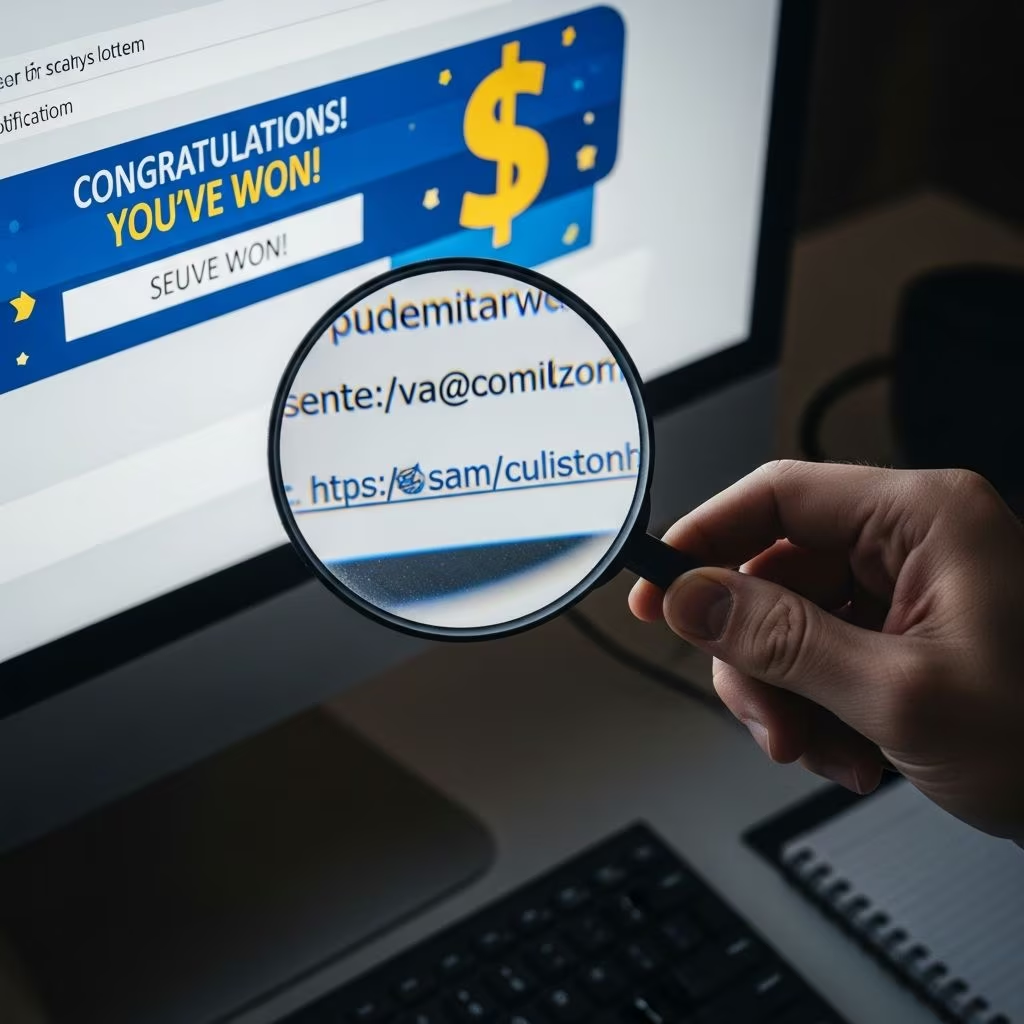
Unexpected messages telling you that you have won a big prize, a sweepstakes, or an international lottery are rarely good news. In many cases, they are carefully crafted scams designed to separate you from your money and personal information. Official consumer protection agencies warn that these schemes are a common form of advance-fee fraud and can lead to serious financial loss and identity theft.
This guide explains how fake prize and lottery scams work, the warning signs to watch for, and the concrete steps you can take to protect yourself and report fraud.
What Are Fake Prize, Sweepstakes, and Lottery Scams?
A fake prize, sweepstakes, or lottery scam is a scheme where fraudsters claim you have won a contest, drawing, or jackpot that either does not exist or to which you never actually entered. Their goal is to make you pay upfront fees or hand over sensitive information before you realize there is no real prize.
These scams are a type of advance-fee fraud: you are told you will receive something valuable, but only after paying taxes, processing charges, or similar costs in advance.
Key characteristics of these scams
- You receive surprise news that you “won” money, a vacation, electronics, or a luxury car.
- You are asked to pay fees or taxes before getting the prize.
- The message pressures you to act quickly or keep the win secret.
- The offer comes even though you never entered the contest or bought a legitimate ticket.
How Scammers Reach Their Targets
Fraudsters adapt to whatever communication channels people use most. They may pretend to be from a government agency, a well-known brand, or an official-sounding “sweepstakes bureau” to appear legitimate.
Common contact methods
- Phone calls: Many prize scams start with unsolicited calls claiming you won a large cash prize or lottery drawing.
- Emails: Messages may include logos, signatures, and fake reference numbers to look official.
- Text messages: Short texts may link to fake websites that request personal or banking details.
- Postal mail: Letters can include imitation checks or certificates that appear real at first glance.
- Social media: Direct messages or fake profiles imitate influencers, charities, or lottery organizations offering surprise giveaways.
Impersonation tactics
- Using names similar to genuine agencies (for example, made-up “national lottery” bureaus).
- Copying logos and branding from real companies or government bodies.
- Claiming to be a “claims agent” or “prize coordinator” for a known organization.
How the Scam Typically Unfolds
Although every scammer has their own script, fake prize schemes tend to follow a similar pattern.
| Stage | What Happens | Why It Works for Scammers |
|---|---|---|
| 1. Initial contact | You are told you have won a prize, often with impressive details and a large dollar amount. | Triggers excitement and surprise, lowering your guard. |
| 2. Building credibility | They reference fake ticket numbers, official-looking documents, or government approvals. | Makes the story seem plausible and professional. |
| 3. Introduction of fees | They claim you must pay taxes, insurance, or processing costs before receiving your prize. | Creates the advance-fee hook; small payments look reasonable compared to the supposed jackpot. |
| 4. Pushing for quick action | You are told that the offer will expire or that officials are waiting for your payment. | Pressure discourages you from verifying the offer or talking to others. |
| 5. Repeated demands | After the first payment, new problems appear: more fees, customs clearance, legal paperwork, and so on. | Exploits the fact that once you have paid once, you may feel committed and keep paying. |
| 6. Disappearance | When you refuse to pay more or ask too many questions, the scammer stops responding. | They move on to new victims, keeping the money already collected. |
Red Flags That Signal a Fake Prize or Lottery
Consumer protection offices emphasize that certain signs strongly indicate a prize notification is fraudulent.
Major warning signs
- You must pay to receive your prize. Real lotteries and legitimate sweepstakes never require upfront payment of taxes, shipping, or handling to release winnings.
- You are asked for bank or card details. Scammers may request account numbers, online banking credentials, or card information under the pretext of transferring your prize.
- You never entered the contest. If you do not recall buying a ticket or registering for a sweepstakes, any “win” is highly suspect.
- Pressure to act secretly or quickly. Fraudsters may insist you keep the win confidential or respond immediately to avoid losing the prize.
- Requests for unconventional payment methods. Demands for gift cards, wire transfers, cryptocurrency, or payment apps are classic scam tactics.
- Poor grammar and generic greetings. Mass-produced messages often contain spelling errors and vague salutations like “Dear Winner.”
Common fee excuses
Scammers use many labels for the money they request. All serve the same purpose: getting you to pay in advance.
- “Tax” or “duty” on your prize
- “Processing” or “administrative” charges
- “Insurance” or “security” fees for large transfers
- “Customs clearance” or shipping costs for prizes sent from abroad
Understanding Your Legal Protections
In many jurisdictions, including the United States, laws set standards for legitimate sweepstakes and marketing contests. Regulatory agencies explain that genuine promoters must be transparent and cannot mislead you into thinking payment is required to win.
Examples of legal requirements in legitimate promotions
- Entry must be free if the offer is marketed as a sweepstakes, and the rules must clearly state that no purchase is necessary.
- Advertisements and calls must accurately describe the prizes, approximate value, and odds of winning.
- Mailings cannot falsely label you as a winner unless you have actually won a prize.
- If fake or sample checks are included in mailings, they must clearly indicate that they have no cash value.
These requirements help you distinguish legitimate promotions from scams. If a caller or message skips these details or refuses to answer questions about them, that is a strong indication of fraud.
How to Verify Whether a Prize Is Real
Before taking any action, slow down and verify the claim using independent sources.
Steps to check a prize notification
- Confirm you actually entered. Ask yourself when, where, and how you signed up. If you cannot remember, treat the offer as suspicious.
- Use official contact information. Instead of using the phone number or email provided in the message, search separately for the organization’s official website or customer service line and contact them directly.
- Ask for written rules. Legitimate promotions can provide official rules and disclosures about odds, eligibility, and how winners are chosen.
- Check with regulators. Look up advisories from government consumer agencies or state lottery commissions about known scams.
Protecting Your Money and Personal Information
Once you recognize the warning signs, the most effective defense is refusing to engage and protecting your data.
Practical safety tips
- Never pay upfront fees for a prize. If payment is required, consider the offer a scam and stop communication.
- Do not share financial details. Keep bank account numbers, card information, PINs, and online banking credentials private.
- Limit personal data. Be careful about sharing your full birthdate, Social Security number, or ID numbers, which can be used for identity theft.
- Block and delete suspicious contacts. Use your phone, email, and social media tools to block scam accounts.
- Talk to someone you trust. Discuss unexpected windfalls with a friend, family member, or advisor before sending money.
If You Already Sent Money or Information
Act quickly if you realize you responded to a fake prize offer. Timely action can sometimes reduce losses or prevent further harm.
Immediate steps to take
- Contact your bank or card issuer. Ask whether payments can be stopped or reversed and request monitoring for unusual activity.
- Report unauthorized charges. Dispute any transactions you did not authorize according to your financial institution’s procedures.
- Change passwords. Update login details for email, banking, and other critical accounts, especially if you shared any credentials.
- Monitor your credit. Watch statements and credit reports for signs of identity theft, and consider fraud alerts where available.
How and Where to Report Prize Scams
Reporting fraud helps enforcement agencies track patterns, shut down operations, and warn others. Many official agencies accept online reports of fake lotteries and sweepstakes.
Who you can report to
- National consumer protection authorities (such as a federal trade or competition commission).
- State or local consumer protection offices and attorneys general.
- Postal inspectors if the scam involved physical mail.
- Lottery regulators if scammers used the name of a real lottery.
- Your bank or payment provider to flag related transactions.
Myths and Facts About Lotteries and Winnings
Misinformation about how legitimate lotteries and contests operate makes it easier for scammers to deceive people. Clearing up common myths can help you stay safe.
| Myth | Reality |
|---|---|
| “You can win even if you never enter or buy a ticket.” | For real lotteries, you must buy a ticket or otherwise enter to have any chance of winning. |
| “Paying a fee increases your odds of winning.” | Legitimate lotteries and sweepstakes do not sell improved odds; chances are determined by random draw or stated rules. |
| “Government agencies call to announce lottery winnings.” | Regulators do not operate surprise prize notifications or collect fees on behalf of winners. |
| “Fake checks that clear at first are genuine.” | Banks may initially credit a deposited check, then reverse it days later when it is found to be fake, leaving you responsible for any money you sent out. |
Checklist: Quick Rules to Avoid Prize Scams
- If you did not enter, you did not win.
- No real prize requires you to pay before you receive it.
- Never send money by wire, cryptocurrency, or gift cards for a supposed prize.
- Do not provide banking or ID information to claim winnings.
- Verify offers using contact details you find yourself, not those provided in the message.
- Report suspicious contacts to consumer protection authorities.
Frequently Asked Questions (FAQs)
Q: A caller says I won a foreign lottery. Is that ever legitimate?
If you are in a country where it is illegal to participate in foreign lotteries, any such offer is inherently suspicious. Even where not prohibited, official lottery operators do not cold-call winners to demand fees. Treat unexpected foreign lottery calls as scams and hang up.
Q: The email includes an official-looking check. Can I trust it?
Scammers often send realistic-looking checks to build trust. Banks may initially credit a deposit but later determine the check is counterfeit and remove the funds, leaving you liable for any money you sent to the scammer. Never rely on an unsolicited check connected to a prize offer.
Q: What if the message uses the name of a real lottery or government agency?
Impersonation is common in prize scams. Look up the official website of the organization and contact it directly using published contact information. If the organization has no record of your win, the message is fraudulent.
Q: Can scammers steal my identity with only basic personal details?
Names, dates of birth, addresses, and partial ID numbers can be combined with other stolen data to create convincing identity profiles. Limiting what you share reduces the risk of identity theft and follow-up scams.
Q: Is it worth reporting if I did not lose any money?
Yes. Reporting attempted scams helps enforcement agencies spot trends, dismantle operations, and issue public warnings, which can protect others from financial loss.
References
- Fake Prize, Sweepstakes, and Lottery Scams — Federal Trade Commission. 2024-03-05. https://consumer.ftc.gov/articles/fake-prize-sweepstakes-and-lottery-scams
- Lottery scam — Describes lottery scams as a form of advance-fee fraud. 2023-10-01. https://en.wikipedia.org/wiki/Lottery_scam
- Consumer Alert: Sweepstakes and Lottery Scams — Office of the Attorney General for the District of Columbia. 2022-06-15. https://oag.dc.gov/consumer-protection/consumer-alert-sweepstakes-and-lottery-scams
- Lottery and Sweepstakes Scams: Recognize and outsmart scammers — Western Union. 2023-09-20. https://www.westernunion.com/blog/en/top-five-warning-signs-of-lottery-sweepstakes-scams/
- The Psychology of “You’ve Won!” How Sweepstakes and Lottery Scams Exploit Emotion and Trust — Kidas. 2023-03-22. https://getkidas.com/blog/the-psychology-of-youve-won-how-sweepstakes-and-lottery-scams-exploit-emotion-and-trust
- Sweepstakes Scam Definition — Fraud.net. 2022-11-10. https://www.fraud.net/glossary/sweepstakes-scam
- Consumer Alert: Lottery Scams — Stockman Bank educational blog. 2022-08-05. https://www.stockmanbank.com/blogs/lottery-scams–how-to-detect-and-avoid-them