
Spotting Police Impersonators: Essential Safety Guide
Learn critical signs to distinguish genuine law enforcement from dangerous impostors and protect yourself in everyday encounters.
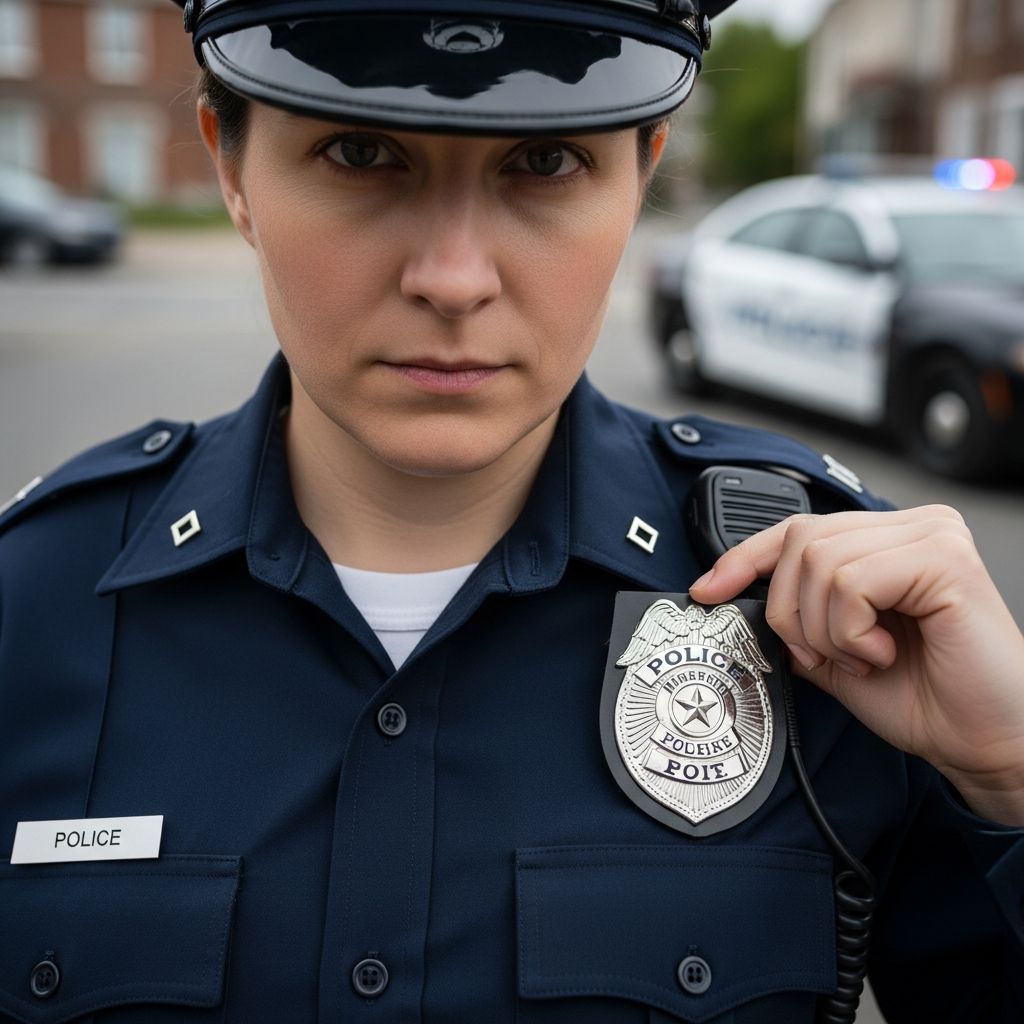
Police impersonation poses a serious threat, enabling criminals to exploit trust in law enforcement for robbery, assault, or worse. Understanding key indicators of authenticity empowers individuals to verify officers safely and report suspicions promptly. This guide draws from established protocols to outline verification methods across common scenarios.
Understanding the Police Impersonation Threat
Impersonators exploit the inherent authority of police to commit crimes ranging from theft to sexual assault. In one documented case, a man in Massachusetts used fake police markings on his vehicle and attire to coerce a woman, leading to his arrest on impersonation charges. Such incidents underscore the need for vigilance, as genuine officers follow strict protocols that fakes often overlook.
Legally, impersonating an officer is a felony in most jurisdictions, punishable by imprisonment. Federal statutes under 18 U.S.C. § 912 prohibit false personation of officers, with penalties up to three years. State laws vary but consistently treat it gravely, reflecting its danger to public safety.
Key Visual Cues of Legitimate Police Attire
Authentic uniforms are standardized for quick recognition. Expect clean, pressed clothing with agency-specific patches on shoulders displaying the department name. A nameplate on the right chest and epaulets on shoulders are standard.
- Utility Belt Essentials: Genuine belts hold a firearm, spare magazines, handcuffs, radio, pepper spray, baton, flashlight, gloves, and Taser—indicating preparedness absent in replicas.
- Pant Details: Slacks feature a contrasting stripe down the legs, a hallmark of official issue.
- Badge Placement: Worn on the left chest, badges are metal ovals, shields, or stars (5-7 points) in silver, gold, or mixed metals, engraved with agency details.
Fakes often use cheap plastic badges with poor printing, grammatical errors, or missing security features like holograms. Officers proudly display credentials; resistance signals deception.
Verifying Identification and Badges
Every officer carries an official ID card with their photo, name, badge number, and agency. Request it calmly—legitimate personnel comply without hesitation.
| Authentic Features | Fake Indicators |
|---|---|
| Metal construction, precise engraving, agency logo | Plastic material, blurry text, no photo match |
| Security holograms, UV elements | Grammatical errors, mismatched info |
| Consistent with local agency standards | Vague or invented department names |
Cross-check badge design against your local department’s website. For example, many U.S. agencies publish uniform galleries online for public reference.
Recognizing Genuine Police Vehicles
Marked patrol cars dominate traffic enforcement, featuring bold agency names, reflective decals on sides and hoods, and emergency light bars combining LEDs with head/tail light flashes. Sirens are mandatory for stops.
- Standard Brands: Primarily Ford, GM, or Dodge models in the U.S., often recent Crown Victorias, Explorers, or Tahoes.
- Lighting Setup: Roof bars, windshield grille lights, and side spotlights on pillars.
- Condition Check: Well-maintained; dilapidated or unusually old vehicles raise flags.
Unmarked cars exist for specialized units but are rare for routine stops. If pulled by an unmarked vehicle, activate hazards, drive to a lit public area, and call 911 for confirmation.
Safety Protocols During Traffic Stops
Traffic encounters are high-risk for impersonation. Officers approach from the rear, announce presence, and request license/registration without immediate demands for exit.
- Keep hands visible on the wheel.
- Ask for ID through a cracked window.
- Verify via 911 if doubts arise—dispatchers confirm without alerting fakes.
- Never exit or enter their vehicle unless explicitly instructed post-verification.
In a Massachusetts incident, fake markings prompted escape and real police intervention. Prioritize locked doors and communication until legitimacy is assured.
Handling Door-Knock Encounters at Home
Officers knock firmly and verbally identify agency and purpose before entry requests. Solo visits are unusual; pairs are standard.
- Communicate through the door: “State your name, badge, and reason for visit.”
- Check uniform completeness from a window.
- Call non-emergency line or 911 to verify—provide described details for dispatcher check.
Refusal to explain or show ID warrants non-engagement. Peepholes or cameras enhance safety.
Detecting Impersonators in Digital Spaces
Online platforms see fake profiles with eagle/flag avatars, vague bios like “former LE,” or unsourced authority claims. Dating sites and social media are hotspots.
- Profile Red Flags: No verifiable department links, generic photos, inconsistent stories.
- Interaction Tests: Request official channels for contact; fakes evade.
- Report Mechanism: Flag profiles and alert platforms/police.
Video calls rarely feature in official interactions; demand them exposes inconsistencies.
Phone Call Verification Tactics
Scammers spoof caller ID claiming warrants or fines, demanding payment via gift cards—never legitimate. Real officers:
- Identify fully upfront: name, badge, department.
- Use public directory numbers for callbacks—never provided ones.
- Avoid threats, abuse, or personal info requests like SSNs/bank details.
Hang up suspiciously, redial official lines. Financial demands scream fraud.
Legal Ramifications for Impersonators
Under federal law, impersonation carries up to three years imprisonment plus fines. States enhance penalties if crimes like robbery accompany, as in numerous arrests for vehicle-equipped fakes. Reporting aids swift prosecution, deterring future acts.
Victims should document details—photos, plates, descriptions—for investigators.
Everyday Preparedness Strategies
Build habits like saving local non-emergency numbers, knowing agency vehicle traits, and discussing protocols with family. Apps listing regional police specs aid quick reference.
Community education reduces victimization; share this knowledge.
Frequently Asked Questions (FAQs)
What if an officer refuses to show ID?
This is a major red flag. Genuine officers display badges/ID willingly. Call 911 immediately while maintaining distance.
Are unmarked cars ever real?
Yes, for detectives/special units, but routine stops use marked vehicles. Verify via dispatch before complying fully.
Can I record interactions?
In public, yes—courts uphold this right. Inform the officer politely.
What about plainclothes officers?
They present credentials clearly and avoid solo enforcement actions. Doubts? Verify independently.
How do I report suspicions?
Call 911 with details or file via department websites post-incident.
References
- 18 U.S. Code § 912 – Officer or employee of the United States — U.S. Government Publishing Office. 2024. https://www.law.cornell.edu/uscode/text/18/912
- Police Impersonation Laws by State — National Conference of State Legislatures. 2025-01-10. https://www.ncsl.org/civil-and-criminal-justice/police-impersonation-laws
- Law Enforcement Uniform Standards — U.S. Department of Justice, Bureau of Justice Assistance. 2023-06-15. https://bja.ojp.gov/program/equipment-guide
- Vehicle Marking Guidelines for Patrol Cars — International Association of Chiefs of Police. 2024-03-22. https://www.theiacp.org/resources/document/vehicle-marking-guidelines
- FBI Public Service Announcement: Police Impersonation Scams — Federal Bureau of Investigation. 2025-09-05. https://www.fbi.gov/news/stories/police-impersonation-scams
- California Penal Code Section 538d – False Personation of Peace Officer — California Legislative Information. 2024. https://leginfo.legislature.ca.gov/faces/codes_displaySection.xhtml?lawCode=PEN§ionNum=538d
Similar Articles








Read full bio of medha deb


