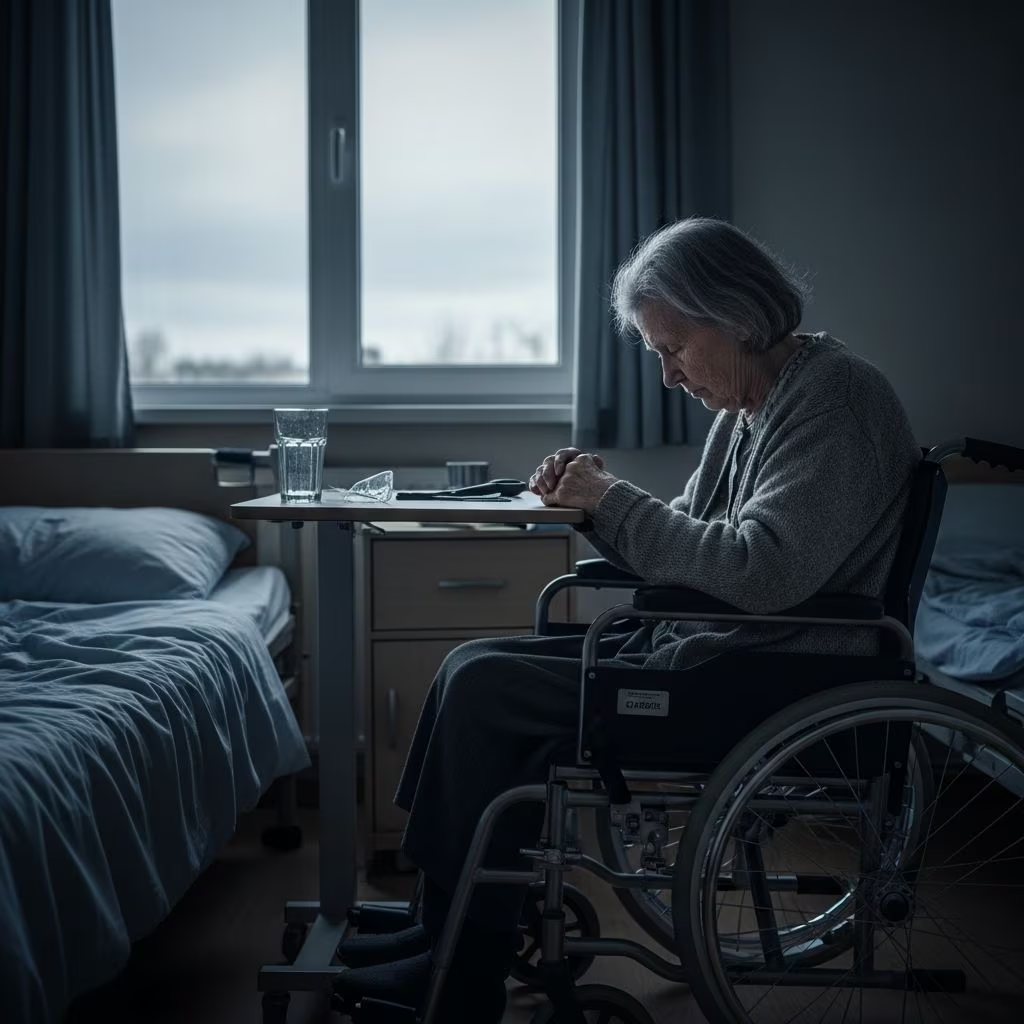
Nursing home neglect occurs when caregivers fail to meet residents’ basic needs, leading to physical, emotional, or medical harm. Families play a crucial role in vigilance to ensure proper care.
Physical Manifestations of Inadequate Care
Observable bodily changes often signal that a resident is not receiving essential attention. These issues arise from prolonged immobility, poor hygiene practices, or insufficient medical oversight.
- Bedsores and Pressure Ulcers: These painful sores develop from extended periods of sitting or lying without repositioning, particularly in wheelchair-bound or bedridden individuals. Advanced stages can lead to severe infections.
- Unexplained Injuries: Bruises, fractures, burns, or cuts without clear explanations suggest falls due to lack of supervision or improper handling.
- Poor Hygiene Indicators: Dirty clothing, unwashed hair, body odor, soiled bedding, or overgrown nails point to infrequent bathing or changing.
Regular check-ins reveal these signs early. For instance, frequent urinary tract infections may stem from neglected hygiene or mobility assistance.
Nutritional and Hydration Deficiencies
Adequate nutrition and fluids are foundational for health, yet neglect often results in deprivation. Watch for these red flags during visits.
| Sign | Description | Potential Causes |
|---|---|---|
| Sudden Weight Loss | Rapid, unexplained drop in body weight | Inadequate meals or poor food quality |
| Dehydration Symptoms | Dry skin, dark urine, confusion, fatigue | Withheld water or delayed assistance |
| Malnutrition Markers | Hair loss, irritability, papery skin, feeling cold | Nutritional deficiencies from neglect |
These conditions weaken immunity and accelerate decline. Staff shortages frequently contribute, as caregivers rush meals or ignore dietary needs.
Emotional and Behavioral Shifts
Neglect impacts mental well-being profoundly. Residents may exhibit withdrawal or fear, masking deeper issues.
- Sudden Isolation: Avoiding social interactions, family visits, or activities once enjoyed indicates emotional distress.
- Anxiety or Agitation: Heightened fear, especially around staff, or unusual compliance suggests psychological pressure.
- Depression Signs: Mood changes, sleep disruptions, or loss of interest in hobbies signal untreated emotional neglect.
Residents with dementia face elevated risks, as they depend on staff for socialization. Frequent, unannounced visits help uncover these subtle changes.
Environmental and Facility Red Flags
The nursing home’s surroundings and operations provide telling clues about care quality.
- Unsanitary Conditions: Strong urine or feces odors, cluttered rooms, or unclean communal areas reflect broader neglect.
- Staffing Shortfalls: Rushed, frustrated employees, high turnover, or delayed responses to call lights indicate understaffing.
- Restricted Access: Limits on family visits or poor communication raise suspicions of hidden problems.
Inspect for missing personal items, which may signal theft or disorganization. A facility’s violation history, available via state databases, offers context.
Medical Oversight Failures
Timely healthcare is critical, yet neglect manifests in ignored treatments and errors.
- Untreated Conditions: Worsening infections, unmanaged pain, or progressing bedsores show delayed care.
- Medication Issues: Missed doses, sudden changes, or side effects from errors harm residents.
- Missed Appointments: Failure to transport for doctor visits exacerbates health problems.
These lapses can lead to hospitalizations. Document incidents, including dates and photos, for potential investigations.
Steps to Investigate and Respond
Upon noticing signs, act methodically to protect your loved one.
- Document Everything: Note observations, photos, and conversations with staff.
- Communicate with Facility: Request meetings and care plan reviews in writing.
- Report to Authorities: Contact state ombudsman, Adult Protective Services, or health department.
- Seek Medical Evaluation: Arrange independent assessments for injuries or declines.
- Consult Legal Experts: Nursing home abuse attorneys can review records and pursue accountability.
Transferring to a better facility may be necessary if issues persist. Prevention through proactive oversight saves lives.
Frequently Asked Questions
What should I do if I suspect neglect?
Document signs, notify the facility administrator immediately, and report to state regulators or Adult Protective Services. Consult a lawyer for guidance.
Can bedsores always be prevented?
No, but proper repositioning every two hours prevents most cases. Their presence often indicates neglect.
How common is nursing home neglect?
It’s among the top complaints in long-term care, leading to serious harms like infections and emotional suffering.
Are emotional changes a sign of neglect?
Yes, withdrawal, anxiety, or depression frequently result from isolation or inadequate emotional support.
Who is at highest risk?
Residents with mobility issues, dementia, or dependence on staff for basic needs face greater vulnerability.
Preventive Measures for Families
Proactive strategies reduce risks significantly.
- Choose facilities with strong staffing ratios and low violation rates.
- Visit unexpectedly and at varied times.
- Review care plans quarterly and attend meetings.
- Empower residents with communication tools like alert devices.
- Build relationships with multiple staff for insights.
Technology aids monitoring; some facilities offer cameras or apps for remote checks, with consent.
Legal Recourse and Rights
Residents retain rights under federal and state laws, including freedom from neglect. Violations enable lawsuits for compensation covering medical costs, pain, and punitive damages.
Statutes of limitations vary; act promptly. Evidence like medical records strengthens cases. Successful claims hold facilities accountable, improving industry standards.
References
- Nursing Home Neglect | Warning Signs & Common Types — Nursing Home Abuse Center. 2023. https://www.nursinghomeabusecenter.com/nursing-home-neglect/
- Warning Signs of Nursing Home Neglect in Ohio — Law Ohio. 2024. https://law-ohio.com/nursing-home-abuse/symptoms-of-nursing-home-neglect/
- What are the Warning Signs of Nursing Home Abuse or Neglect? — Morris James LLP. 2023. https://www.morrisjames.com/p/102jb0i/what-are-the-warning-signs-of-nursing-home-abuse-or-neglect/
- Signs That a Patient Is Being Neglected in a Nursing Home — Munley Law. 2024. https://munley.com/signs-that-a-patient-is-being-neglected-in-a-nursing-home/
- Most Common Signs of Nursing Home Abuse or Neglect — Jim Crabtree Law. 2023. https://jimcrabtreelaw.com/blog/most-common-signs-of-nursing-home-abuse-or-neglect/
- Nursing Home Abuse: Signs, Symptoms & Resources to Help — Regis College Online. 2024. https://online.regiscollege.edu/nursing-home-abuse-signs-symptoms-resources-to-help
- Common Injuries from Nursing Home Abuse and Neglect — KFF Law. 2023. https://www.kff-law.com/blog/common-injuries-from-nursing-home-abuse-and-neglect/
- Infographic: Spotting the Signs of Elder Abuse — National Institute on Aging (nia.nih.gov). 2024-01-17. https://www.nia.nih.gov/health/elder-abuse/spotting-signs-elder-abuse