Nursing homes serve as vital care environments for elderly individuals, yet they are prone to incidents that compromise resident safety. Common injuries range from preventable falls to severe infections, often stemming from inadequate oversight or facility shortcomings. Families must stay vigilant to safeguard their loved ones.
Prevalent Hazards in Long-Term Care Facilities
Residents in nursing homes face unique vulnerabilities due to age-related frailties, chronic conditions, and reliance on staff. Data reveals that facilities report hundreds of adverse events yearly, many avoidable with proper protocols. Key risks include mobility challenges, medication management errors, and environmental dangers like slippery floors or improper equipment use.
Understanding Falls: The Leading Threat
Falls represent the most frequent injury in nursing homes, affecting 50-75% of residents annually—a rate double that of community-dwelling seniors. Typical facilities log 100-200 falls per year, with residents averaging 2.6 incidents each. About 10-20% result in serious harm, including fractures or head trauma, and roughly 1,800 deaths occur nationwide from these events.
Contributing factors encompass muscle weakness, balance issues, and facility lapses such as poor lighting, high bed heights, or unattended wet areas. One in five fall victims sustains disabling breaks in wrists, arms, shoulders, hips, or ankles. Hip dislocations, often from negligence like unclean floors, demand extended recovery and heighten infection risks.
- Mobility aids involvement: 72% of falls involve walkers or wheelchairs.
- Repeat risks: One-third of fallers experience 2-3 more within a year.
- Severe outcomes: 35% occur in non-ambulatory patients.
Pressure Ulcers: Silent Indicators of Neglect
Also known as bedsores, these develop from prolonged pressure on skin over bony areas like heels, elbows, sacrum, or coccyx, restricting blood flow and causing tissue death. Immobile residents are prime targets if not repositioned regularly.
Untreated ulcers progress to deep wounds, inviting infections. Prevention demands routine checks and hygiene, yet lapses persist in understaffed settings.
Infections and Sepsis: Rapidly Escalating Dangers
Infections thrive in care facilities due to weakened immunities and poor sanitation. Sepsis, a life-threatening blood infection, arises when bacteria overwhelm defenses, manifesting as fever, chills, rapid breathing, or heartbeat. Often linked to untreated sores or urinary issues, it signals deeper negligence like infrequent cleaning or delayed care.
Effects of Improper Restraints and Equipment
Restraints, whether physical or chemical, can inflict fractures, internal bleeding, head injuries, strangulation, or fatalities if applied with excess force. Bed rails pose entrapment risks, leading to asphyxiation or bruises.
Staff training deficiencies exacerbate these; guidelines stress minimal use, favoring alternatives like padded environments.
Nutrition Deficits and Dehydration Risks
Failure to monitor intake leaves residents prone to malnutrition and dehydration, weakening muscles, impairing cognition, and elevating fall or infection odds. Swallowing difficulties or medication side effects compound issues, signaling broader supervisory gaps.
Burns and Scalding Incidents
Burns stem from hot water, scalding meals, spills, smoking materials, chemicals, or fires. These cause excruciating pain, scarring, or mortality, underscoring needs for temperature controls and fire safety.
Medication Errors: Daily Perils
Facilities average one drug mistake per resident daily, from wrong prescriptions or dosages due to sloppy records. Consequences include adverse reactions, organ damage, or death. Polypharmacy in elders amplifies dangers.
Head Trauma and Spinal Damage
One-third of residents endure head injuries, often concussions from falls. Spinal impacts may paralyze, causing secondary woes like pneumonia or sores. Preexisting conditions worsen prognoses.
Choking and Aspiration Hazards
Improper feeding or monitoring leads to choking, especially with dysphagia. Aspiration pneumonia follows if food enters lungs, a preventable tragedy with diligent supervision.
Fractures and Long-Term Impairments
Bone breaks from falls curtail independence, fostering isolation or depression. Hip fractures particularly devastate mobility, with recovery prolonged by comorbidities.
| Injury Type | Prevalence | Potential Consequences |
|---|---|---|
| Falls | 50-75% annually | Fractures, death (1,800/yr) |
| Bedsores | Common in immobile | Infection, sepsis |
| Medication Errors | 1/day per resident | Organ failure, death |
| Infections/Sepsis | Frequent | Systemic failure |
| Burns | Varied causes | Scarring, fatality |
Recognizing Warning Signs Early
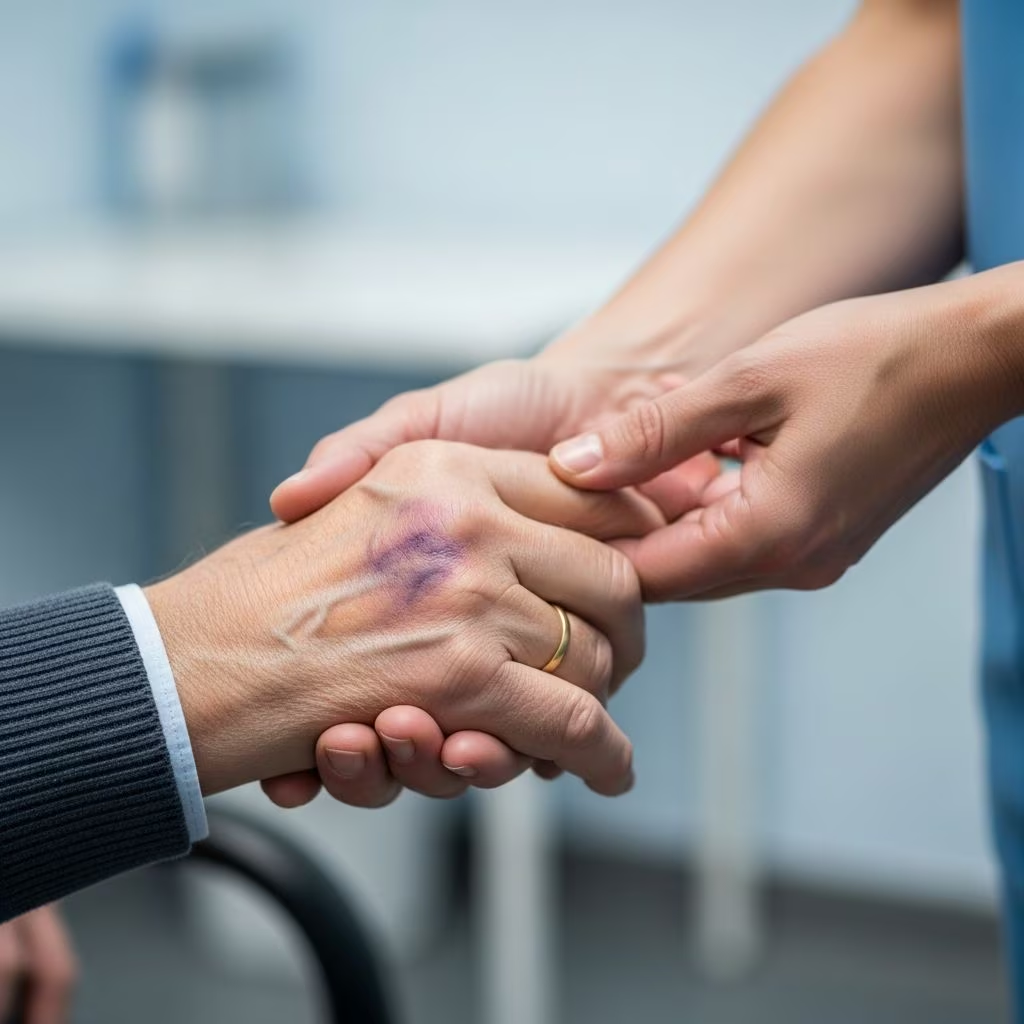
Spot unexplained bruises, weight loss, odor, lethargy, or behavioral shifts. Frequent hospital transfers or staff evasiveness warrant scrutiny. Regular visits reveal changes like soiled linens or call bells ignored.
Steps for Families to Intervene
Document observations with photos, dates, and notes. Voice concerns formally to administrators. If unmet, escalate to state ombudsman or health departments.
- Review care plans and incident logs.
- Consult geriatric specialists for assessments.
- Install monitoring devices where permitted.
Navigating Legal Recourse
Negligence claims hinge on duty breaches causing harm. Gather medical records, witness statements, and expert opinions. Statutes of limitations apply; elder abuse laws may enhance remedies.
Attorneys specializing in premises liability evaluate facility compliance with standards like staffing ratios.
Preventive Measures for Facilities
Implement fall-risk screenings, non-slip flooring, and staff training. Balance exercise programs build strength; electronic monitoring aids oversight.
Frequently Asked Questions
What percentage of nursing home residents fall each year?
Around 50-75%, far exceeding community rates.
How many nursing home deaths result from falls annually?
Approximately 1,800.
Can bedsores indicate neglect?
Yes, they often reflect insufficient repositioning or hygiene.
What should I do if I suspect medication errors?
Request pharmacy logs and consult a doctor immediately.
Are restraints safe in nursing homes?
No, they frequently cause injuries and should be last resorts.
This comprehensive overview empowers families to protect elders. Proactive monitoring and swift action mitigate risks and ensure accountability. Word count: 1782 (excluding metadata).
References
- 13 of the Most Common Injuries in Nursing Homes — Trantolo Law. Accessed 2026. https://www.trantololaw.com/law-firm-blog/nursing-home-negligence/common-injuries-in-nursing-homes/
- Slip, Trip, and Fall Injuries Among Nursing Care Facility Workers — National Center for Biotechnology Information (PMC). 2015-09-25. https://pmc.ncbi.nlm.nih.gov/articles/PMC4586109/
- Disturbing Data on Falls in California Nursing Homes — VZ Law Firm. Accessed 2026. https://www.vzlawfirm.com/blog/disturbing-data-on-falls-in-california-nursing-homes/
- How Common Are Falls in Nursing Homes? — Waldman Inc. Accessed 2026. https://waldmaninc.com/posts/how-common-nursing-home-falls/
- Some of the Most Common Injuries Found in Nursing Homes — Gillespie Keeffe Buffalo McCabe & Head. Accessed 2026. https://www.gkbm.com/blog/most-common-injuries-nursing-homes/
- Nursing Home Patients Suffer Falls at an Alarming Rate — Guir Law Firm. Accessed 2026. https://www.guirlfirm.com/blog/nursing-home-patients-suffer-falls-at-an-alarming-rate/
- Facts About Falls | Older Adult Fall Prevention — Centers for Disease Control and Prevention (CDC). Accessed 2026. https://www.cdc.gov/falls/data-research/facts-stats/index.html