
Spotting IP Scams: Safeguard Trademarks and Patents
Learn to identify and avoid deceptive schemes targeting trademark and patent owners to protect your business assets effectively.
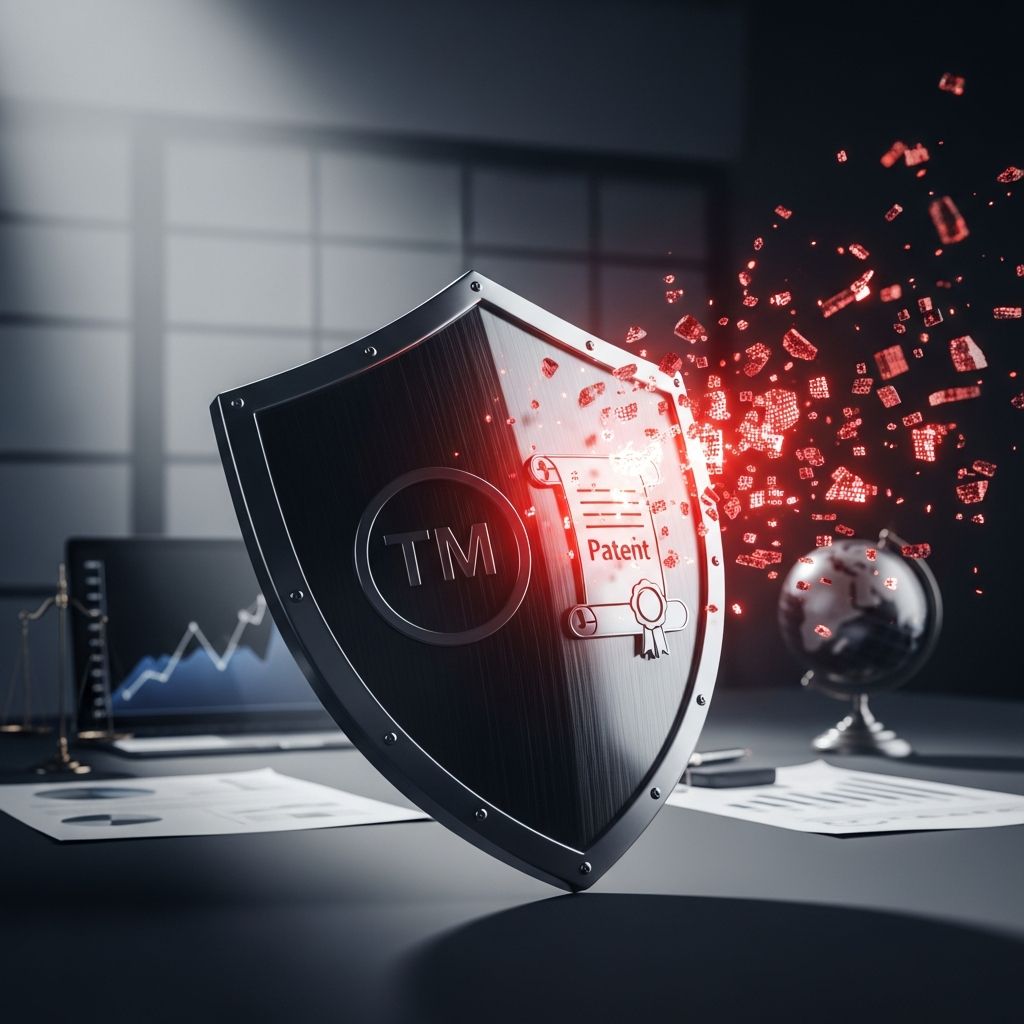
Intellectual property rights like trademarks and patents are vital for businesses, but they also attract sophisticated fraudsters. These scammers exploit the complexity of registration processes to extract money or sensitive information from unsuspecting owners. Understanding their tactics is crucial for protection.
Understanding the Growing Threat of IP Fraud
Fraudulent activities surrounding trademarks and patents have surged, evolving in sophistication across all stages of the IP lifecycle. Scammers impersonate official entities, create urgency, and demand immediate payments or actions. The United States Patent and Trademark Office (USPTO) reports a steady increase, prompting enhanced public awareness efforts including revamped webpages, educational emails, and webinars.
These schemes not only cause financial losses but can also jeopardize legitimate IP filings if victims act on false information. Businesses must stay vigilant, verifying all communications through official channels.
Common Deceptive Tactics in Trademark Applications
Before and during the trademark filing process, fraudsters deploy multiple strategies to deceive applicants.
- Misleading Solicitations: Fake firms send official-looking letters claiming expertise in USPTO filings, often using unauthorized attorney names or bar numbers. These may promise expedited approvals for high fees.
- Fake Infringement Alerts: Emails warn of third-party filings conflicting with your mark, urging ‘priority’ interventions that don’t exist under USPTO rules.
- Unauthorized Practice: Non-attorneys pose as legal representatives, filing invalid applications that can be voided, leading to setbacks and costs.
A table summarizing pre-filing scam types:
| Scam Type | Description | Red Flags |
|---|---|---|
| Misleading Letters | Offers ‘guaranteed’ registration | Unsolicited, high-pressure fees |
| False Priority Claims | Threatens loss to competitors | No official USPTO protocol |
| Fake Attorney Services | Uses stolen credentials | Not registered with USPTO |
Fraud During the Prosecution Phase
Once an application is submitted, scammers intensify efforts with forged documents mimicking USPTO notices.
- Bogus Invoices: Letters resembling official correspondence demand fees for ‘publication’ or ‘examination’ that aren’t due.
- Spoofed Calls and Emails: Impersonators claim urgent issues like expiring applications, pressing for wire transfers or personal data.
- Phony Office Actions: Demands for additional payments to proceed, exploiting applicants’ lack of familiarity with timelines.
These tactics create panic, leading to unnecessary payments. Always cross-check via the Trademark Status & Document Retrieval (TSDR) system.
Post-Registration Traps and Maintenance Scams
Even after securing a registration, dangers persist. Scammers target maintenance periods with renewal frauds.
- Fake Renewal Notices: Solicitations for ‘mandatory’ fees years before actual due dates, often with QR codes linking to malware.
- Audit or Renewal Impersonations: Claims of required updates or deletions, demanding payment outside official systems.
- Post-Audit Scams: Following legitimate USPTO audits, fraudsters send follow-up demands.
Verify all deadlines directly on TSDR and use only TEAS for payments.
Patent-Specific Fraudulent Schemes
Patent scams mirror trademark ones but target inventors with promises of easy approvals.
- Invention Promotion Frauds: Firms guarantee patents for exorbitant fees, often without qualifications. Check USPTO’s fee schedule first—basic filings are affordable.
- Impersonation Calls: Claiming ‘approval imminent’ or ‘rival applications,’ demanding fees via unofficial means.
- Representation Scams: Only USPTO-registered practitioners can represent you; beware unlicensed promoters.
Research firms via Better Business Bureau and demand client references before engaging.
Verification and Prevention Best Practices
Arm yourself with reliable habits to thwart scammers.
- Access USPTO tools directly: Use TSDR for status, TEAS for payments, and Trademark Assistance Center (TAC) at 800-786-9199 for queries.
- Reject unsolicited demands: USPTO never requests payments via phone, email, or text—only through official portals.
- Use personal emails for verifications; employees won’t create accounts or request ID copies.
- For attorneys: Monitor unauthorized use of your details and educate clients.
Slow down under pressure—scammers thrive on urgency. Attend USPTO webinars for ongoing education.
Responding to Suspicious Communications
If something feels off:
- Do not click links or provide info.
- Verify independently via official sites.
- Report to TMScams@uspto.gov.
Recognize spoofing: Caller ID can be faked; hang up and call back officially.
Steps to Take if Victimized
Act swiftly to minimize damage.
- Report to your bank for financial recovery.
- File with FTC at ReportFraud.ftc.gov.
- Contact local FBI, Attorney General, and FCC for phone scams.
- Inform USPTO TAC to flag fraudulent filings.
Publicly warn others to prevent further victims.
Frequently Asked Questions
How do I confirm a legitimate USPTO fee?
Check the official fee schedule on USPTO.gov and pay only via TEAS. No calls or emails demand immediate payment.
What if I receive a trademark renewal notice early?
Ignore and verify dates on TSDR. Real renewals are between years 5-6 and 9-10 post-registration.
Can non-attorneys file trademarks?
Yes, but for representation before USPTO, only licensed attorneys or registered agents. Beware unauthorized filers.
Is the USPTO reaching out for ID verification?
No—use your own email and never share ID copies. Official processes don’t require this.
What resources help spot scams?
USPTO’s scam prevention pages, TSDR, TAC, and webinars provide comprehensive guidance.
Empowering Your Business Against IP Threats
Knowledge is the strongest defense. Regularly review USPTO resources, train your team, and consult registered professionals for IP matters. By staying informed, businesses can protect innovations and brands from fraudsters.
References
- Trademark scams: how to avoid them and what to do if you get fooled — USPTO. 2023-04-27. https://www.uspto.gov/sites/default/files/documents/tm-trademarks-scamprevention_20230427.pdf
- Protect Your Business from Trademark and Patent Scams — McGuireWoods. 2025-09-09. https://www.mvsb.com/2025/09/09/protect-your-business-from-trademark-and-patent-scams/
- Liars and Vishers and Scams, Oh My! How Brands Can Defend Against Trademark Fraud — Knobbe Martens. N/A. https://www.knobbe.com/updates/liars-and-vishers-and-scams-oh-my-how-brands-can-defend-against-trademark-fraud/
- Scam Prevention – USPTO — USPTO. N/A. https://www.uspto.gov/patents/basics/using-legal-services/scam-prevention
- Recognizing and Avoiding Trademark Scams — Vogel Law Firm (Podcast). N/A. https://www.vklaw.com/podcasts-54
- Trademarks scams: How to avoid them and what to do if you get fooled — USPTO. 2023-05-16. https://www.uspto.gov/learning-and-resources/uspto-videos/trademarks-scams-how-avoid-them-and-what-do-if-you-get-fooled
Similar Articles








Read full bio of medha deb


