
Spotting Fake Government Contacts Before They Fool You
Learn how to recognize, avoid, and report government impersonation scams across phone, email, text, and social media.
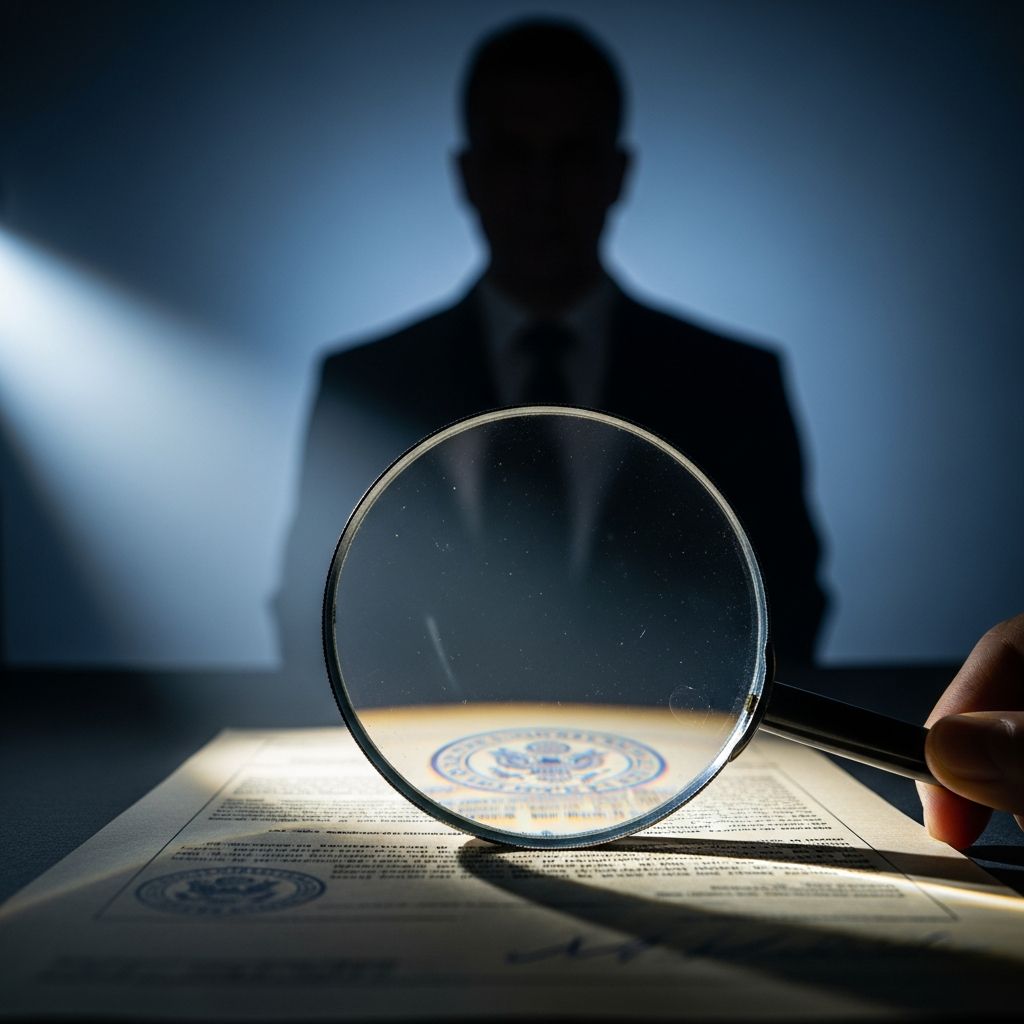
Fraudsters increasingly pose as government officials to scare people into sending money or handing over sensitive personal information. These government impersonation scams are common, costly, and constantly evolving, but there are clear warning signs you can learn to spot and simple steps you can take to protect yourself.
This guide explains how these schemes work, what real government agencies do (and do not) do, the red flags to watch for, and how to respond if you are targeted.
What Is a Government Impersonation Scam?
A government impersonation scam happens when a criminal pretends to be from a legitimate government agency or law enforcement office to trick you into sending money, sharing personal data, or granting access to your accounts or devices.
Scammers might claim to be from agencies such as:
- Tax authorities (for example, an internal revenue service or tax office)
- Social security or pension agencies
- Immigration, customs, or border control
- Health or benefits programs (e.g., Medicare-type programs)
- Courts, police, or other law enforcement bodies
Their goal is to create urgency and fear so that you act quickly before you have time to think, verify, or talk to someone you trust.
How Scammers Contact You
Imposters use almost every communication channel. According to official consumer guidance, they may reach out via phone, email, text, social media, or even in person.
- Phone calls or voicemails – often spoofed to show the name or number of a real agency.
- Text messages – including short codes or names that look official.
- Emails – with logos, seals, and formatting designed to mimic genuine notices.
- Messaging apps or social media – direct messages claiming to come from an authority or verified page.
- Door-to-door visits – less common, but used during events like disasters or benefit sign-ups.
Because caller ID, email addresses, and logos can all be faked, you cannot rely on appearances alone. Verification requires independent checking, which we cover later in this article.
Common Stories Government Imposters Use
While the details change, the basic scripts scammers use are surprisingly similar worldwide. Official fraud alerts describe patterns like these:
| Scenario | Typical Claim | What the Scammer Wants |
|---|---|---|
| Tax or unpaid debt threats | You owe back taxes or government fees and will be arrested or sued if you do not pay immediately. | Immediate payment through wire, gift cards, or cryptocurrency; sensitive identity data. |
| Benefit suspension | Your pension, social security, or health benefits are suspended or about to expire. | Your ID numbers, banking details, or a “reinstatement” fee. |
| Criminal investigation | Your identity has been linked to money laundering, drug trafficking, or other crimes. | Control of your accounts under the pretense of “protecting” or “verifying” your funds. |
| Missed jury duty or court date | You skipped jury service or a court appearance and now face fines or arrest. | Payment of fake penalties to avoid supposed legal action. |
| Health or pandemic programs | You qualify for special medical, stimulus, or disaster benefits. | Your national ID, health ID, or bank details to “process” your claim. |
Red Flags That Signal a Fake Government Contact
Legitimate government agencies usually follow consistent, documented procedures, while scammers depend on secrecy and pressure. If you notice several of the warning signs below, treat the contact as suspicious and verify independently.
1. Demands for Immediate Payment
- Insisting that you must pay right now or face arrest, deportation, loss of benefits, or account closure.
- Refusing to let you hang up or claiming you cannot talk to anyone else about it.
- Threats that officers are already on their way if you do not comply immediately.
Government agencies typically send written notices and provide time for appeal or questions. They do not rely on surprise calls that demand same-day payments under threat of arrest.
2. Unusual Ways to Pay
Scammers often push for payment methods that are hard to trace or reverse, such as:
- Gift cards or prepaid cards (and asking you to read the numbers on the back)
- Cryptocurrency transfers or payment via crypto ATMs
- Wire transfers or transfers to unknown bank accounts
- Cash delivered by courier or deposited into an ATM under instructions
Official guidance is clear: governments do not accept fines, taxes, or fees via gift cards or cryptocurrency and will not ask you to send money to a personal account.
3. Requests for Sensitive Personal Data
- Asking for full national ID numbers, social security numbers, or tax IDs over the phone or by text.
- Requesting complete bank account or credit card numbers and security codes.
- Demanding your online banking username and password, or one-time passcodes (OTPs).
Real agencies may verify limited information, but they do not need full passwords or complete banking credentials to discuss your account, and they will never ask you to read an OTP sent by your bank.
4. Pressure to Keep the Call Secret
- The caller tells you not to hang up, not to contact your bank, or not to talk to family.
- They warn that speaking to anyone else could “jeopardize the investigation” or “put you in more trouble”.
Secrecy is a hallmark of fraud. Legitimate investigations do not hinge on isolating you from support or independent advice.
5. Unsolicited Links or Software
- Being told to click a link in a text or email to verify your identity or view legal documents.
- Instructions to install remote access software or apps outside official app stores.
- Pop-up messages on your computer claiming to be from a government or tech support team demanding access.
Government websites are typically accessed by typing the official address into your browser or using a trusted bookmark, not by clicking unexpected links.
What Real Government Agencies Typically Do
Understanding how legitimate agencies communicate helps you quickly spot imposters. While procedures differ by country, consumer protection resources highlight several consistent practices.
- Initial contact is often by postal mail. Many agencies send official letters first, especially for tax matters, benefits decisions, or legal notices.
- They provide ways to contact them directly. Genuine letters include official phone numbers or websites you can independently confirm.
- They offer time and appeal processes. Tax and benefit disputes usually have clear deadlines, written explanations, and appeal rights; they are not resolved in a single surprise phone call.
- They do not threaten arrest in exchange for payment. Criminal investigations follow formal legal processes, not private phone negotiations over payment methods.
- They do not ask for login credentials. Agencies may ask you to log into their secure portal, but not to share passwords or authentication codes with a caller.
How to Verify If a Contact Is Real
If you receive a suspicious message claiming to be from the government, treat it like a fire alarm: pause, verify, and only then respond. Recommended verification steps include:
- Hang up or stop responding if you feel pressured or threatened. Do not argue with the caller.
- Use an independent source to find contact details. Look up the agency’s phone number or website using a trusted search or an official directory. Do not use numbers or links sent in the suspicious message.
- Call the agency directly. Explain what you received and ask if there is any real issue on your account.
- Log in to official portals yourself. Type the web address manually; do not follow links from unsolicited emails or texts.
- Check with someone you trust. Talk to a family member, friend, or advisor before acting on any urgent demand for money or personal data.
Practical Steps to Protect Yourself
Prevention is more effective than recovery. Security experts and government agencies recommend a mix of technical safeguards and healthy skepticism.
Strengthen Your Digital Defenses
- Use strong, unique passwords and, where possible, a password manager.
- Turn on multi-factor authentication (MFA) for banking, email, and government portals.
- Install reputable security software and keep your devices updated.
- Enable call blocking or anti-scam apps recommended by official cyber agencies.
Limit What You Share
- Avoid posting full birthdates, addresses, or ID numbers on social media.
- Shred documents containing sensitive information before discarding.
- Be cautious about online quizzes or forms that ask for details commonly used for security questions.
Develop a Personal “Pause Policy”
Create your own rule that you will never respond to an unexpected demand for money or personal information during the same call, text, or email. Instead:
- Say you will call back using a number from the agency’s official website.
- Give yourself at least 10–15 minutes to think and check with someone you trust.
- Remember that urgency is almost always a sign of fraud, not of legitimate government business.
If You Already Sent Money or Information
If you suspect you have been caught in a government impersonation scam, act quickly. Official guidance emphasizes immediate steps to limit damage and support investigations.
- Contact your bank or card issuer right away. Ask them to stop or reverse transactions if possible, flag your accounts, and issue new cards.
- Change passwords for any accounts you mentioned or accessed during the scam and enable multi-factor authentication.
- Monitor your accounts for unusual activity, including small “test” charges.
- Place alerts or freezes on your credit files if your identity data was exposed, following your country’s consumer protection advice.
- Report the scam to the appropriate national fraud or consumer protection agency so they can track patterns and warn others.
Where to Report Government Impersonation Scams
Many countries maintain dedicated channels for reporting fraud, cybercrime, or identity theft. In official advisories, agencies encourage victims and targets to submit detailed complaints, including phone numbers, email addresses, and payment details used by the scammers.
Check your national government or consumer protection website for:
- Online fraud or scam reporting portals
- National cybercrime complaint centers
- Hotlines for consumer protection and identity theft
Reporting is important even if you did not lose money. The information you provide can help authorities connect cases and shut down call centers or networks targeting others.
Key Takeaways to Stay Safe
- Unexpected, urgent demands for money or personal data from anyone claiming to be the government are a major red flag.
- Gift cards, cryptocurrency, and wire transfers are favorite tools of scammers, not normal government payment methods.
- Real government agencies allow time to respond, use traceable payment channels, and do not ask for full passwords or OTPs.
- You have the right to hang up, verify independently, and seek advice before acting.
- If in doubt, contact the agency directly using information from its official website or public directory.
Frequently Asked Questions (FAQs)
How can I tell if a call from a government agency is real?
Genuine calls usually follow prior written communication, do not demand immediate payment, and do not require gift cards or cryptocurrency. If you are unsure, hang up and call the agency back using a phone number from its official website or a trusted directory, not the number that called you.
Is it ever safe to pay a government bill with a gift card?
No. Official tax authorities and other agencies state that they do not accept fines, taxes, or fees via retail gift cards or cryptocurrency. Anyone asking you to pay a government obligation this way is attempting fraud.
What if the caller knows my personal information?
Scammers often use data from past breaches or public records to sound convincing. Having your name, address, or partial ID number does not prove they are legitimate. Still verify by contacting the agency directly, and be cautious about sharing any additional information.
Can emails and texts from government addresses be faked?
Yes. Email addresses, text sender names, and even logos and signatures can be spoofed. Do not click unexpected links or download attachments. Instead, visit the agency’s official website by typing the address yourself or using a saved bookmark.
What should I include when I report a government impersonation scam?
Authorities recommend including phone numbers, email addresses, websites, payment instructions, the story the scammer used, and any amounts you sent or tried to send. Even partial information helps investigators connect your case with others.
References
- Government Officials Impersonation Scams — ScamShield (Government of Singapore). 2024-07-01. https://scamshield.gov.sg/i-want-protection-from-scams/learn-to-recognise-scams/government-officials-impersonation-scams/
- Tech/Customer Support and Government Impersonation — Internet Crime Complaint Center (IC3), FBI. 2023-09-29. https://www.ic3.gov/crimeinfo/techsupportgovimpersonation
- Imposter Scams — USAGov, U.S. General Services Administration. 2024-05-15. https://www.usa.gov/imposter-scams
- Government Imposter Scams: What They Are and How to Spot Them — National Council on Aging. 2024-03-20. https://www.ncoa.org/article/government-imposter-scams-what-they-are-and-how-to-spot-them/
- Impersonation Scams — Scamwatch, Australian Competition and Consumer Commission. 2024-02-01. https://www.scamwatch.gov.au/types-of-scams/impersonation-scams
- Recognize Tax Scams and Fraud — Internal Revenue Service. 2024-04-10. https://www.irs.gov/help/tax-scams/recognize-tax-scams-and-fraud
Similar Articles








Read full bio of Sneha Tete


