
Spotting and Avoiding Government Imposter Scams
Learn how to recognize fake government contacts, protect your money and information, and report government imposter scams safely.
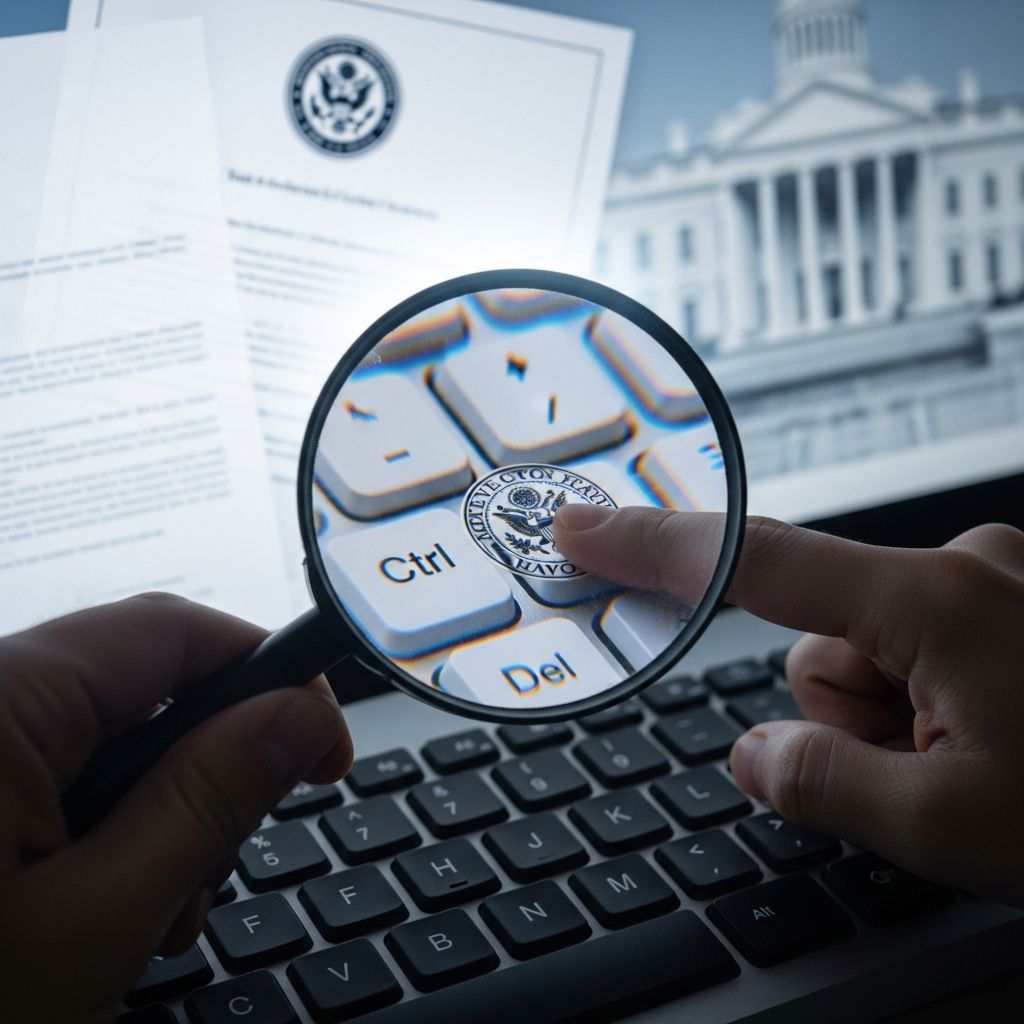
Scammers increasingly pretend to be government officials to pressure people into paying money or handing over sensitive information. These schemes are common, highly persuasive, and can cause serious financial and emotional harm if you are not prepared to recognize them. This guide explains how these scams work, what real government agencies will and will not do, and the practical steps you can take to stay safe.
Why Government Imposter Scams Are So Convincing
Government imposter scams work because they use fear, urgency, and the appearance of authority. Scammers know that most people want to comply with government requirements, avoid penalties, and resolve problems quickly. By exploiting these instincts, they push victims to act before stopping to verify what is happening.
Official-looking logos, caller ID that appears to show a real agency, and professional language can all make a fake contact seem legitimate. In reality, modern technology makes it easy to spoof phone numbers, create realistic emails, and design fake websites that look like government pages.
Common Types of Government Imposter Scams
Fraudsters copy the identities of many different agencies. Below are some of the most frequently misused names and the stories scammers tell.
Tax and Revenue Agency Scams
Scammers pretending to be tax authorities may claim you owe back taxes, penalties, or interest and face arrest, license suspension, or asset seizure if you do not pay immediately.
- Threats of arrest, deportation, or a lawsuit if you do not pay that day.
- Demands for payment using gift cards, cryptocurrency, or wire transfers.
- Instructions not to talk to anyone else, including your tax preparer or family.
Real tax agencies typically contact you first by mail and provide clear written instructions and appeal rights.
Social Security and Benefits Scams
Fraudsters may pose as Social Security administration staff or other benefit program workers, claiming there is a problem with your benefits or your Social Security number.
- Claims that your Social Security number has been “suspended” or “canceled.”
- Demands for your full Social Security number, bank account, or debit card details.
- Pressure to pay a “fine” or “reinstatement fee” to protect your benefits.
Real Social Security officials do not suspend Social Security numbers and do not demand immediate payment or financial details over the phone.
Law Enforcement and Court Scams
In these scams, callers pose as police officers, federal agents, court clerks, or marshals.
- Claims you missed jury duty or have an outstanding warrant.
- Threats of immediate arrest unless you pay a “bond” or “fine.”
- Instructions to meet in a parking lot, buy prepaid cards, or send cryptocurrency.
Real law enforcement officials do not collect fines by phone or demand payment through gift cards or wire transfers.
Immigration and Homeland Security Scams
People with immigration concerns are especially targeted. Scammers may pretend to be immigration officers or consular staff.
- Threats of deportation if you do not pay an immediate fee.
- Demands for sensitive immigration documents by email or messaging apps.
- Requests to pay “expedited processing” fees through nonstandard methods.
Real immigration agencies generally use secure, official channels and published fee schedules, and they do not accept payment via gift cards or informal transfer services.
Grant, Sweepstakes, and Relief Payment Scams
Some scammers promise free government money—grants, stimulus payments, or disaster relief—that you supposedly qualify for automatically.
- Offers of guaranteed grants that you never applied for.
- Requests for an “upfront processing fee” or “release fee.”
- Demands for bank details to “deposit” the funds immediately.
Real government grants have formal application processes and do not require you to pay a fee to receive money.
Key Warning Signs of a Government Imposter Scam
Although scammers constantly vary their stories, many of their tactics share the same red flags. Learning these warning signs can help you spot a scam quickly.
- Unexpected contact out of the blue by phone, text, email, or social media demanding immediate action.
- High-pressure threats of arrest, deportation, lawsuits, or benefit loss if you hesitate or ask questions.
- Demands for unusual payment methods such as gift cards, wire transfers, cryptocurrency, or peer-to-peer payment apps.
- Requests for sensitive personal data such as full Social Security numbers, banking PINs, or one-time passcodes.
- Instructions to keep the conversation secret or not to hang up and call back using an official number.
- Emails or messages with grammar mistakes, odd phrasing, or unprofessional formatting.
- Links to unofficial websites that do not use a government domain and lack clear contact details or privacy notices.
How Real Government Agencies Communicate
Knowing what legitimate agencies typically do—or do not do—makes it easier to identify imposters.
| Real Government Practices | Scammer Behaviors |
|---|---|
| Usually send official letters first, often with reference or case numbers and appeal instructions. | Reach out suddenly by phone, text, or social media, demanding immediate action. |
| Use secure payment methods listed on official .gov or equivalent domains. | Insist on gift cards, wire transfers, cryptocurrency, or payment apps. |
| Allow you time to ask questions, consult advisors, or respond in writing. | Say you must pay or respond during that call or visit, or face instant penalties. |
| Tell you how to verify the contact through official agency numbers or websites. | Refuse to let you hang up or independently verify their identity. |
| Provide clear written explanations of your rights, obligations, and options. | Rely on vague threats and emotional pressure instead of documentation. |
Steps to Take When You Get a Suspicious Contact
If you receive a call, message, or email claiming to be from a government agency, use the following steps to protect yourself:
1. Slow Down and Stay Calm
Scammers want you to react emotionally. Take a moment to breathe, and remind yourself that urgent threats are a common fraud tactic. Real agencies rarely require an immediate decision on the spot.
2. Do Not Share Personal or Financial Information
Never provide the following in response to an unexpected contact:
- Full Social Security number or national ID number.
- Bank account and routing numbers.
- Credit or debit card numbers, PINs, or security codes.
- Online banking or email passwords.
- One-time passcodes or authentication codes sent to your phone.
3. Hang Up or Stop Responding
If something feels off, you can simply end the conversation. You are not obligated to stay on the phone or keep replying to messages. If the caller claims the situation is critical, you can still hang up and verify independently.
4. Verify Using Official Contact Information
To confirm whether a contact is genuine:
- Look up the agency’s contact information on an official government website (usually ending in a government-specific domain, such as .gov).
- Use a known phone number or mailing address from previous official correspondence, if you have it.
- Call the agency directly and ask whether the contact you received is legitimate.
Do not use phone numbers, email addresses, or links provided in the suspicious message itself, as they may connect you back to the scammer.
5. Preserve Evidence
If you suspect a scam, keep any relevant details that might help investigators:
- Phone numbers that appeared on caller ID (even though they may be spoofed).
- Copies or screenshots of emails, texts, or direct messages.
- Receipts or records if you sent money or provided personal information.
If You Already Paid or Shared Information
Finding out you were scammed can be upsetting, but acting quickly may limit the damage.
Contact Your Financial Institutions
- Bank or credit union: Ask whether they can stop or reverse the transaction and flag your accounts for unusual activity.
- Credit card issuer: Request a chargeback or dispute if your card was charged fraudulently.
- Wire transfer company or payment app: Report the transaction as fraud as soon as possible.
- Gift cards: Contact the card issuer immediately and ask whether the funds can be frozen or recovered, though recovery is not always possible once used.
Protect Against Identity Theft
If you shared personal information like your Social Security number, consider additional safeguards:
- Place a fraud alert or security freeze on your credit reports through major credit reporting agencies, as recommended by consumer protection authorities.
- Review your credit reports for new, unfamiliar accounts or inquiries.
- Monitor your bank and card statements regularly for unauthorized transactions.
Change Passwords and Turn On Strong Authentication
If scammers obtained or might have guessed your login details:
- Change passwords for affected accounts and any other accounts that used the same or similar passwords.
- Use strong, unique passwords or passphrases for each account.
- Enable multi-factor authentication (for example, a code sent by text or an authenticator app) wherever possible.
How and Where to Report Government Imposter Scams
Reporting scams helps enforcement agencies track patterns, warn others, and sometimes recover money for victims. Consumer protection authorities encourage people to report suspicious government imposters through official channels.
- National consumer protection agencies: Use official online reporting portals for fraud and scams.
- Relevant government agency: If the scammer used the name of a specific agency (for example, a tax authority or Social Security program), notify that agency using contact details from its official site.
- Local law enforcement: File a report if you suffered financial loss or identity theft.
When you report, include as much information as you can safely provide, such as dates, amounts, contact methods, and the story the scammer used.
Practical Habits to Reduce Your Risk
While no one can completely eliminate their risk of being targeted, a few consistent habits make it harder for scammers to succeed.
- Be skeptical of unsolicited requests for money or data, even if the person claims to be from the government.
- Use caller ID as a clue, not proof. Caller ID can be faked with ease.
- Type web addresses yourself instead of clicking links in unexpected messages.
- Limit what you share publicly online, such as your full birthdate, address, or other details scammers could use to sound more convincing.
- Talk with trusted friends or family before sending money in response to any urgent demand.
Frequently Asked Questions (FAQs)
How can I quickly tell if a government call is fake?
Ask yourself three questions: Did I expect this call? Am I being threatened with immediate penalties? Am I being asked to pay with gift cards, wire transfers, or cryptocurrency? If the answer to any is yes, hang up and verify through an official number from the agency’s own website.
Can government agencies ever call me?
Yes, some agencies may call in certain situations, especially if you already have an ongoing matter with them. However, they still will not demand payment by unusual methods, threaten arrest for nonpayment over the phone, or insist that you keep the conversation secret. If in doubt, disconnect and call back using an official number.
What if the caller knows my personal information?
Scammers often use information stolen from data breaches or public sources to sound legitimate. Just because a caller knows part of your Social Security number, address, or birthdate does not prove they are a real official. Always verify independently.
Is it safe to click links in emails that look official?
It is safer to avoid clicking unexpected links. Instead, open a new browser window, type the known, official address of the agency, and navigate from there. Fake links can lead to look-alike sites designed to steal your information.
Why do scammers often ask for gift cards?
Gift cards are hard to trace and easy to cash out, making them attractive to criminals. Consumer protection agencies consistently warn that no legitimate government agency demands payment with gift cards or similar tools.
References
- Rules — Federal Trade Commission. 2025-07-01. https://www.ftc.gov/legal-library/browse/rules
- FTC Rule on Unfair or Deceptive Fees to Take Effect on May 12, 2025 — Federal Trade Commission. 2025-05-07. https://www.ftc.gov/news-events/news/press-releases/2025/05/ftc-rule-unfair-or-deceptive-fees-take-effect-may-12-2025
- Consumer Protection — Federal Trade Commission. 2025-05-20. https://www.ftc.gov/consumer-protection
- Protecting Older Consumers 2024–2025 — Federal Trade Commission. 2025-12-01. https://www.ftc.gov/reports/protecting-older-consumers-2024-2025-report-federal-trade-commission
- Competition and Consumer Protection Guidance Documents — Federal Trade Commission. 2025-04-15. https://www.ftc.gov/enforcement/competition-consumer-protection-guidance-documents
Similar Articles








Read full bio of Sneha Tete


