
Spotting and Stopping Business Impersonator Scams
Learn how to recognize, avoid, and report scams where criminals pose as trusted businesses to steal your money and personal data.
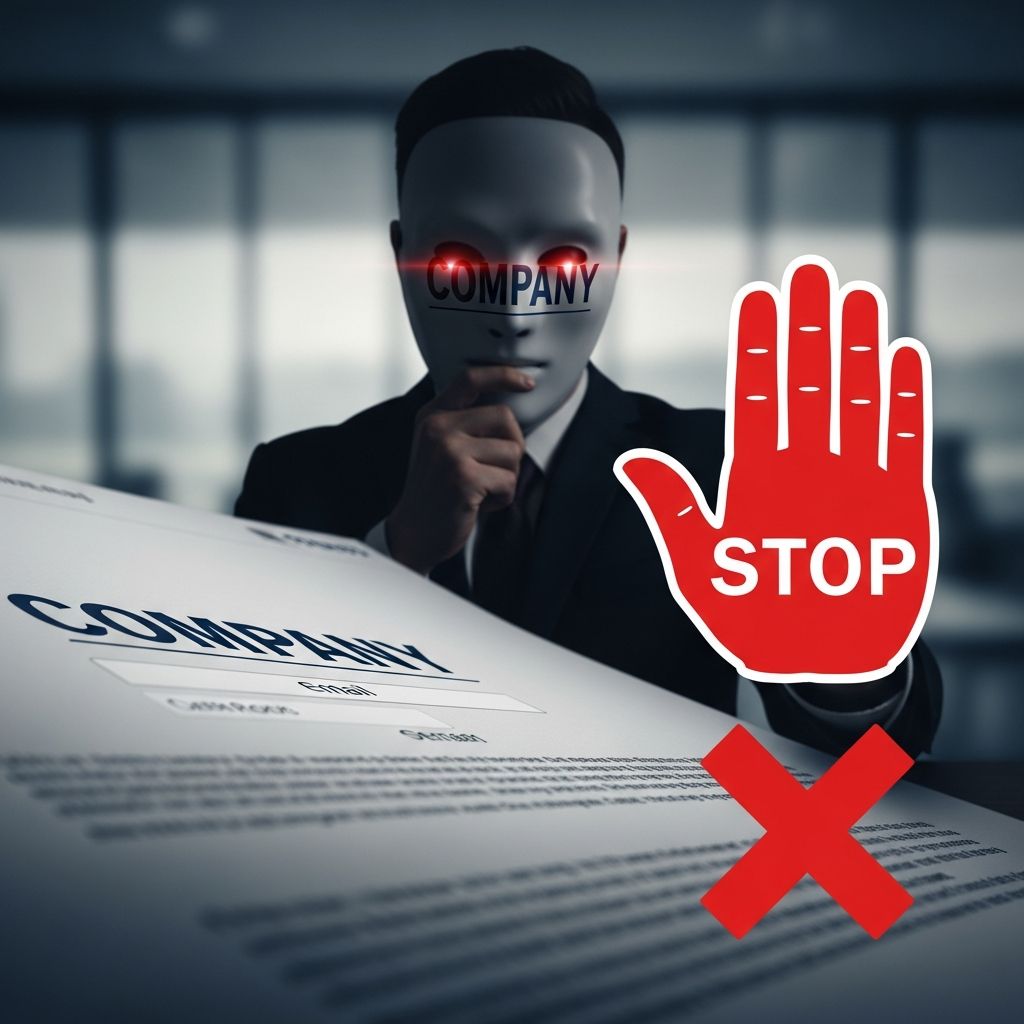
Criminals are increasingly posing as familiar companies and brands to trick people into sending money or sharing sensitive information. These business impersonator scams can happen by phone, text, email, social media, or fake websites, and they often look alarmingly convincing. Understanding how these schemes operate is the first step in keeping your finances and identity safe.
What Is a Business Impersonator Scam?
A business impersonator scam happens when someone pretends to represent a legitimate company or brand in order to deceive you and gain money, account access, or personal data. Scammers may copy logos, mimic customer service scripts, spoof caller ID, or build look-alike websites to appear authentic.
These scams often involve:
- Fake problem alerts about your account, order, subscription, or delivery
- Bogus offers or prizes that require immediate payment or verification
- Urgent security warnings claiming suspicious activity or unauthorized charges
- Phishing messages that push you to click links and log in on counterfeit sites
According to U.S. consumer protection agencies, impersonation of well-known companies is one of the most frequently reported categories of fraud, costing people hundreds of millions of dollars each year.
Common Ways Scammers Pretend to Be Real Businesses
Impersonators follow patterns. Once you recognize the most common approaches, you are better equipped to cut off contact before any damage is done.
1. Phone Calls That Sound “Official”
Fraudsters may call you claiming to be from your bank, a delivery company, an online retailer, a utility, or a tech support line. They often:
- Display a spoofed caller ID that looks like the real business’s number
- Introduce themselves with a job title or employee ID number
- Describe a supposed emergency: a locked account, a missed payment, or a suspicious order
- Ask you to confirm personal or financial details or install remote-access software
Legitimate businesses do not call unexpectedly to demand passwords or one-time security codes, and reputable tech support will not cold call you to fix non-existent problems.
2. Text Messages and Emails With “Click Here” Links
Phishing messages push you to click quickly before you think. These messages may:
- Refer to a package you didn’t order or a delivery you supposedly missed
- Claim there is an urgent problem with your payment method or subscription
- Use shortened URLs or links that hide the true website address
- Send you to a realistic-looking login page that steals your username and password
The messages often copy branding from major shipping companies, online stores, streaming services, or app platforms. Even when the logo looks perfect, the link and the sender’s address often contain errors or strange domains that give away the scam.
3. Fake Websites and Online Stores
Some scammers build entire websites that imitate popular retailers, tech companies, or financial institutions. Red flags include:
- Web addresses that differ from the real site by a letter, symbol, or extra word
- Search ads or sponsored results that appear above the legitimate website
- Unrealistically low prices or huge discounts with “today only” countdowns
- Unsecure checkout pages or payment forms that do not show “https”
Official agencies warn that people who enter login credentials or card numbers on fake sites risk both direct financial loss and ongoing identity theft.
4. Social Media, Marketplaces, and Messaging Apps
Scammers also pose as brands or customer support agents on social platforms. Tactics include:
- Replying to your public complaint tweet or post as if they are the company
- Direct messaging you from an account that closely resembles an official profile
- Asking you to move the conversation to another app or to click a special link
- Requesting photos of ID, bank cards, or screenshots of your account page
Real businesses typically do not ask for full payment information or copies of identity documents in social media direct messages.
Typical Pressure Tactics and Payment Demands
Regardless of the channel, impersonators rely on a similar playbook: they manufacture urgency and push you toward risky payment methods.
High-Pressure Scripts
Scammers aim to keep you from slowing down or seeking independent verification. They may:
- Insist something bad will happen if you do not act immediately (account closure, arrest, lawsuit, big late fees)
- Tell you that speaking to anyone else (including your bank) will delay “fixing” the problem
- Stay on the line while you complete transactions to maintain control
- Use fear, confusion, or even friendliness to keep you emotionally engaged
Risky and Irreversible Payment Methods
Legitimate businesses usually accept secure, traceable forms of payment. Impersonators, by contrast, push methods that are hard to reverse or trace:
- Gift cards (by asking for the numbers and PINs on the back)
- Cryptocurrency (sending you to a Bitcoin ATM or crypto exchange)
- Wire transfers or peer-to-peer payment apps labeled as “friends and family” transfers
- Cash reload cards or prepaid debit vouchers
Regulators repeatedly emphasize that if someone claiming to be from a reputable company demands payment in gift cards, crypto, or wire transfer, it is almost certainly a scam.
Warning Signs You Are Dealing with an Impostor
The following table highlights key differences between legitimate contacts and likely scams.
| Situation | More Likely Legitimate | More Likely a Scam |
|---|---|---|
| How the contact starts | You initiated the contact using a verified phone number or website | They reach out unexpectedly, often about a problem you did not notice |
| Information requested | Basic verification, not full passwords or entire card numbers | Demands for passwords, security codes, or full Social Security number |
| Payment methods | Standard options such as card or bank transfer through official channels | Insistence on gift cards, crypto, or wire transfer only |
| Sense of urgency | Reasonable timelines, written notices, and options to call back | Threats of immediate consequences if you don’t pay or share data now |
| Verification | Encourages you to log in via the official app or number on your card | Refuses to let you hang up or use any other contact method |
How to Verify if a Contact from a Business Is Real
You do not have to decide in the moment whether a call, text, or email is genuine. You can step back, verify details independently, and then respond if needed.
Steps to Take Before You Respond
- Pause first. Scammers rely on panic. Take a breath and remind yourself you can call back.
- Check your account directly. Use the company’s official app or type its website address yourself into your browser.
- Use trusted contact information. Call the number printed on your card, statement, or the company’s official site, not phone numbers from the message.
- Compare details. If the story you were told does not match your actual account activity, that is a major red flag.
- Ask someone you trust. A quick conversation with a friend, family member, or financial advisor may help you spot inconsistencies.
Consumer protection agencies stress that genuine organizations will not object if you hang up and call back using an official number. In fact, they encourage it as a safety step.
Protective Steps Before You Are Targeted
Many protective measures can be set up today—before you receive a suspicious message. These steps reduce the impact of any successful attempt and may prevent some scams altogether.
Strengthen Your Accounts
- Turn on multi-factor authentication (MFA) for banking, email, social media, and cloud storage accounts. MFA makes it harder for scammers to break in even if they steal your password.
- Create strong, unique passwords for important accounts and store them in a reputable password manager.
- Update your contact information so real businesses can reach you with legitimate alerts.
Harden Your Devices and Connections
- Keep software and apps updated to patch security vulnerabilities that criminals may exploit.
- Use secure Wi-Fi or a trusted VPN when accessing sensitive accounts.
- Install reputable security tools such as anti-malware and enable built-in browser protections against phishing sites.
Monitor Financial Activity
- Review bank and card statements regularly for unfamiliar charges or transfers.
- Set up alerts for large transactions, new payees, or changes to contact details.
- Check your credit reports periodically; U.S. consumers can obtain free reports to monitor for new, unauthorized accounts opened in their name.
If You Think You Have Been Targeted or Tricked
Quick action can limit damage and improve the chances of recovery. Even if you stopped before sending money, reporting the attempt helps authorities track patterns and shut down operations.
Immediate Steps When You Shared Information or Paid
- Contact your bank or card issuer at once. Ask for help stopping or reversing the payment, and request new card numbers or account protections.
- Change passwords on any affected accounts and enable multi-factor authentication if it is not already active.
- Scan your devices for malware if you installed software or opened suspicious attachments.
- Monitor your credit and consider a fraud alert or credit freeze if your Social Security number or other key identifiers were exposed.
Where and How to Report Scams
Government agencies encourage reporting impersonation schemes both for your own protection and to assist in broader enforcement efforts. In the United States, people can report scams to consumer protection authorities through official complaint portals, by phone, or via mail. Many state attorneys general also accept reports about fraud and deceptive practices.
When you report, gather:
- Any phone numbers, email addresses, usernames, or website links used
- Screenshots of messages, invoices, or profiles
- Dates, times, and payment details (without posting your full card number publicly)
- Names or “employee IDs” the scammer used during the interaction
Authorities can use these reports to identify new patterns, warn other consumers, and take enforcement actions against fraudsters and companies that enable them.
Special Risks for Older Adults and Caregivers
Older adults are frequently targeted with impersonation schemes because scammers assume they have savings and may be more trusting of calls or messages that appear official. Consumer protection reports have documented significant losses among older consumers due to imposter fraud, including business impersonation.
If you are an older adult or help care for one, consider the following:
- Establish a “call first” rule. Agree that before sending large payments or sharing sensitive information, the person will first call a trusted relative, friend, or advisor.
- Review common scams together. Regular conversations about fake tech support, false delivery notices, and bank impersonators make the tactics easier to recognize.
- Keep easy reference materials handy. Post the legitimate phone numbers of banks, card issuers, and service providers near the phone.
- Encourage open communication after mistakes. Emphasize that anyone can be fooled and that it is important to talk about what happened quickly, without shame.
Frequently Asked Questions (FAQs)
Q: A caller knew my last four card digits. Doesn’t that prove they are legit?
A: Not necessarily. Criminals sometimes obtain partial account details from data breaches or previous scams. Treat any unexpected call as unverified, even if the person knows part of your information, and contact your bank using the number on your card.
Q: What if a message says there is fraud on my account and tells me to click a link?
A: Do not click the link. Instead, open your bank or retailer’s official app or type their website address into your browser. You can also call the number from the back of your card to check if there really is an issue.
Q: Are security codes from text messages safe to share with company representatives?
A: No. One-time passcodes sent by text or email are meant for you alone. Sharing them with anyone on the phone or online—no matter who they claim to be—lets that person break into your account.
Q: Is every call or email from a business suspicious?
A: Not every contact is fraudulent, but you should treat unexpected urgent messages with caution. Verify separately using known, official contact details before acting on demands for payment or sensitive data.
Q: I lost money to a business impersonator. Will I get it back?
A: Recovery depends on the payment method and how quickly you report. Card issuers and banks sometimes can reverse unauthorized or fraudulent transactions, but gift cards, crypto, and wire transfers are often difficult to reclaim. Reporting promptly gives you the best chance.
References
- Consumer Protection — Federal Trade Commission. 2025-05-01. https://www.ftc.gov/consumer-protection
- Rules — Federal Trade Commission. 2025-04-15. https://www.ftc.gov/legal-library/browse/rules
- Consumer Protection Laws and Regulations: USA 2025 — International Comparative Legal Guides (ICLG). 2025-04-09. https://iclg.com/practice-areas/consumer-protection-laws-and-regulations/usa
- Protecting Older Consumers 2024–2025: A Report of the Federal Trade Commission — Federal Trade Commission. 2024-10-18. https://www.ftc.gov/reports/protecting-older-consumers-2024-2025-report-federal-trade-commission
- Bureau of Consumer Protection — Federal Trade Commission. 2024-11-20. https://www.ftc.gov/about-ftc/bureaus-offices/bureau-consumer-protection
- FTC Rule on Unfair or Deceptive Fees to Take Effect on May 12, 2025 — Federal Trade Commission. 2025-05-01. https://www.ftc.gov/news-events/news/press-releases/2025/05/ftc-rule-unfair-or-deceptive-fees-take-effect-may-12-2025
Similar Articles








Read full bio of medha deb


