
Spotting and Avoiding Utility Bill Scams
Learn how fake utility representatives trick people, and the simple steps you can take to stay safe from shut-off threats and surprise charges.
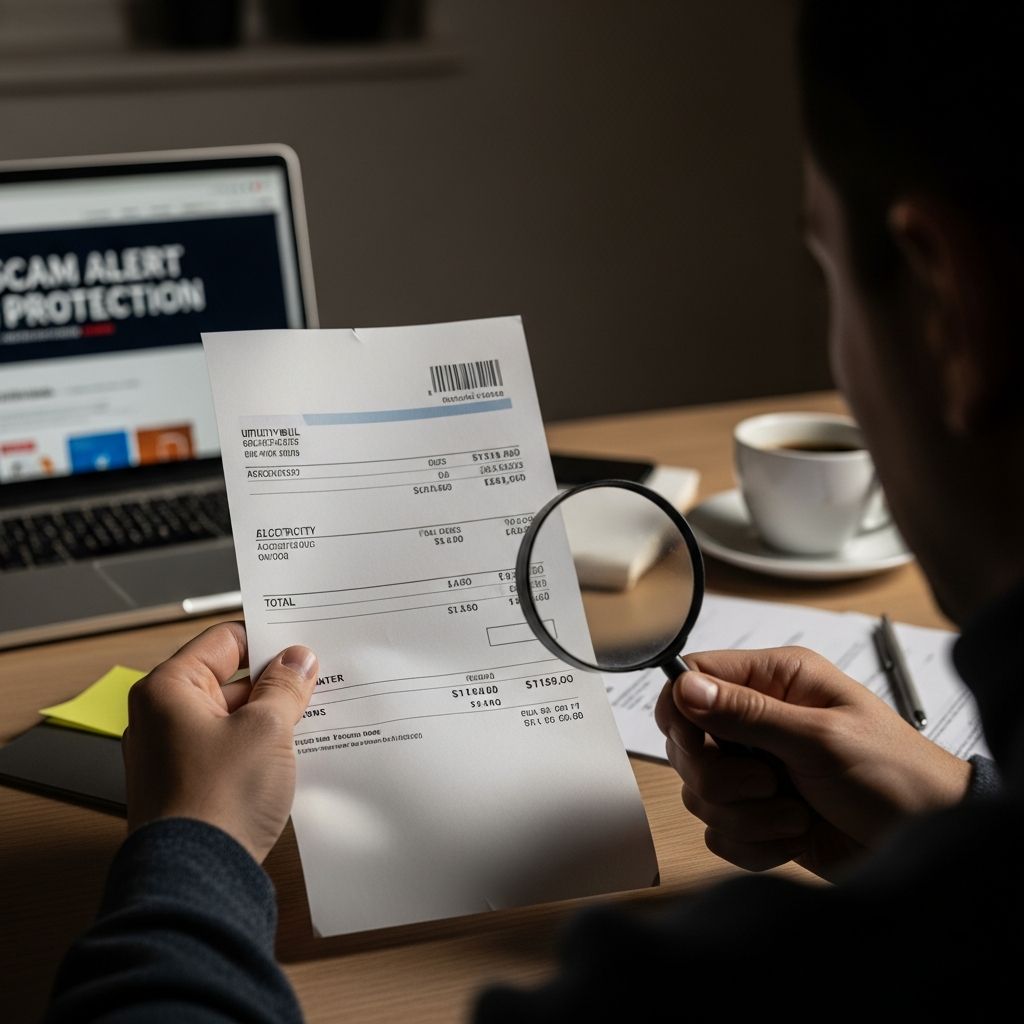
Across the country, scammers pose as gas, electric, water, or internet companies and pressure people into paying bills that are late, fake, or vastly inflated. These schemes can cost victims hundreds of dollars and create real fear about losing essential services they rely on to live and work.
This guide explains how utility scams work, the warning signs to watch for, and the steps you can take to avoid losing money or personal information.
Why Utility Scams Are So Effective
Fraudsters target utility accounts because most households and small businesses cannot easily function without these services. Utilities are also highly regulated and complex, which can make it harder for people to know exactly how billing or disconnection procedures work.
Scammers rely on:
- Urgency – claiming your service is about to be shut off unless you pay immediately.
- Authority – pretending to be from your real provider, sometimes using stolen logos or caller ID spoofing.
- Confusion – exploiting people’s uncertainty about billing cycles, fees, and payment options.
Common Utility Scam Scenarios
Fraud can show up in different ways, but most utility scams fall into a few predictable patterns. Knowing these helps you recognize a con before money leaves your hands.
1. Sudden Shut-Off Threats
One of the most common tactics is an urgent warning that your service will be turned off within minutes or hours.
- You get a call or text saying your bill is overdue and a crew is on the way to disconnect service.
- The caller insists the only way to stop the shut-off is to pay immediately using a specific method.
- They may claim previous notices were ignored, even if you never received them.
In reality, regulated utilities typically must provide clear, written disconnection notices and follow formal timelines before cutting service, especially for residential customers.
2. Demands for Unusual Payment Methods
Another red flag is being told that you must pay using an unconventional, hard-to-trace method.
- Prepaid gift cards or reload cards
- Cryptocurrency payments (like Bitcoin)
- Peer-to-peer payment apps (if they insist you mark the payment as “friends and family” or tell you it’s the only option)
- Wire transfers or instant cash transfer services
Legitimate utilities may offer electronic, phone, or in-person payment options, but they do not require payment only through gift cards, crypto, or a single app. Those requests are classic hallmarks of a scam.
3. Home Visits with High-Pressure Sales
Some scammers show up at the door wearing clothing that looks like a uniform and claim to represent:
- Your current utility company
- A new supplier that can “cut your bill in half”
- An “energy savings program” or government-sponsored discount
Their real goal may be to get you to sign confusing contracts or collect personal information, including your account number or Social Security number.
4. Fake Upgrade or Refund Offers
Other scams focus on promised savings, upgrades, or rebates.
- Emails or calls say you qualify for a bill credit or refund, but you must “verify” your account and banking information.
- Someone promises to install energy-saving equipment or devices, but demands upfront payment and then disappears.
- Fraudsters pitch special rate plans that supposedly slash your bill, then enroll you into costly or long-term contracts.
How Real Utilities Communicate About Bills
Understanding how legitimate companies handle billing and shut-offs can help you separate real notices from scams.
| Real Utility Practices | Scam Behaviors |
|---|---|
| Provide written statements or e-bills with detailed usage, due dates, and fees. | Contact you out of the blue with vague information about what you supposedly owe. |
| Offer multiple payment options (online portal, mail, authorized locations, sometimes phone). | Insist on one specific method like gift cards or cryptocurrency, with no alternatives. |
| Follow state-approved disconnection procedures and timelines, with advance notice. | Threaten immediate shut-off within minutes or an hour if you do not pay on the spot. |
| Encourage customers to contact a published customer service line to discuss account issues. | Discourage you from hanging up or calling back through official channels; keep you on the line at all costs. |
| Use official websites and billing portals with secure connections (https and the correct domain). | Send links to unfamiliar or misspelled web addresses that ask for sensitive information. |
Key Warning Signs of a Utility Scam
Even if every scam looks a bit different, the same red flags appear over and over. Treat any contact as suspicious if you notice one or more of these.
- Pressure to act immediately – especially when combined with a threat to cut off service right away.
- Demands for specific payment tools – like gift cards, crypto, or wiring money.
- Requests for sensitive information – full Social Security number, bank account details, or passwords.
- Caller ID that looks right but behavior that feels wrong – scammers can spoof phone numbers, so never rely only on what your screen shows.
- Refusal to let you verify the account – they dodge when you ask to hang up and call back using the number on your bill or the company’s official site.
- Unfamiliar messages or links – especially if you do not currently have service with the company mentioned.
Steps to Confirm Whether a Bill or Call Is Real
If you are not sure whether a contact from a supposed utility is legitimate, slow down and follow these steps.
- Check your most recent statement.
Compare the claimed overdue amount and due date with the information on your latest paper or electronic bill. - Use official contact channels.
Call the customer service number printed on your bill or listed on the utility’s official website. Do not use numbers or links provided in a suspicious message. - Log in to your online account.
Sign in directly (by typing the web address yourself) to see whether your account is actually past due. - Ask for written confirmation.
A genuine company can send or resend a bill or notice. Scammers prefer phone-only pressure because it leaves less evidence. - Get a second opinion.
For complex or high-dollar issues, talk with a trusted friend, family member, or advisor before moving money.
How to Respond When You Suspect a Scam
The most powerful tools you have are saying no, ending contact, and reporting the attempt so others can be protected.
What Not to Do
- Do not send money or share payment card numbers when you feel rushed or pressured.
- Do not click links in unsolicited texts or emails that claim to be from your utility.
- Do not provide login credentials, PINs, or full Social Security numbers over the phone to someone who contacted you first.
What to Do Instead
- Hang up or ignore. You are allowed to end a call or delete a message without responding.
- Contact your utility directly. Use an independently verified phone number or website to check your account status.
- Record details. Note the phone number used, the name claimed, what was requested, and how you were told to pay.
- Report the fraud. In the United States, you can report scams to the Federal Trade Commission and your state or local consumer protection agency, which use reports to detect patterns and bring cases.
Special Risks for Small Businesses and Community Organizations
Scammers often target small businesses, nonprofits, and faith-based organizations because a sudden loss of electricity, internet, or water can disrupt operations and create a sense of urgency.
Extra steps these organizations can take include:
- Designating one point of contact to manage utility accounts and train staff not to authorize payments without checking with that person.
- Keeping current copies of bills in a secure, centralized location for quick reference when a suspicious call comes in.
- Creating internal policies that ban paying surprise bills or sending money based solely on a phone request.
Protecting Your Information and Accounts
Utility scams are not only about one-time payments. Fraudsters may also be trying to collect data they can use later for identity theft or other crimes.
- Limit what you share – utilities usually need only basic data such as your name, address, and account number to discuss your bill.
- Use strong, unique passwords for your online utility accounts and enable multifactor authentication when offered.
- Review account activity regularly to spot unexpected changes, such as new addresses or contact information.
- Monitor bank and credit card statements for unauthorized payments or transfers.
If You Already Paid a Scammer
If you discover you have sent money or information to a fraudulent utility contact, act quickly. Fast action cannot always recover funds, but it can reduce the damage.
- Contact your bank or card issuer immediately.
Tell them the payment was to a scammer and ask if a reversal or dispute is possible. Card networks and some banks offer protections against unauthorized or fraudulent charges. - Reach out to the real utility company.
Explain what happened so they can note your account and flag future suspicious activity. - Change passwords and PINs.
If you shared login information for any account, update credentials right away. - Consider placing fraud alerts or credit freezes.
If you gave out Social Security or other sensitive personal data, contact major credit reporting agencies to discuss added protections. - File reports with law enforcement and consumer agencies.
Provide as many details as you can; this helps investigators track patterns and, in some cases, recover assets.
Practical Tips to Reduce Your Risk
No one can completely eliminate the chance of being targeted by scammers, but you can make yourself much harder to exploit.
- Know your billing schedule. Keep track of typical due dates and amounts so sudden claims of huge overdue balances stand out.
- Set up official alerts. Many utilities offer email or text reminders through their own systems when bills are ready or payment is due.
- Use automatic payments carefully. Auto-pay from a checking account or credit card can help avoid real late fees, but review statements regularly to catch unusual charges.
- Store documents securely. Keep bills and account numbers in a safe place; shred old statements you no longer need.
- Educate family members. Talk with older relatives, teens, or anyone who might answer calls or texts so they know how to respond.
Frequently Asked Questions (FAQs)
Q1: Can my utility really shut off my service without written notice?
In most places, regulated utilities must follow specific procedures and provide advance written notice before disconnecting residential service, except in emergency situations like safety hazards or meter tampering. Check your state utility commission or public service commission rules for exact requirements where you live.
Q2: What if the caller ID matches my real utility’s number?
Caller ID can be easily spoofed, so a familiar number does not prove the call is real. If anything seems rushed, threatening, or demands odd payment methods, hang up and call the number printed on your bill or listed on the company’s official website.
Q3: Are email or text links from my utility always unsafe?
Not necessarily. Many companies send legitimate billing reminders or outage alerts by text or email. The safest approach is to avoid clicking links in unexpected messages. Instead, type the company’s web address into your browser or use their official mobile app to log in directly.
Q4: How do I find my state’s utility regulator?
Most U.S. states have a public utility commission or public service commission that oversees rates and consumer protections. You can usually find yours by searching for your state’s name plus “public utility commission” or by checking your utility bill, which often lists the oversight agency.
Q5: Where can I report a suspected utility scam?
You can report suspected scams to the Federal Trade Commission, your state attorney general, and, if appropriate, your local police. Utility companies also usually have fraud or customer service lines where you can report imposters using their name.
References
- Consumer Protection — Federal Trade Commission. 2025-05-01. https://www.ftc.gov/consumer-protection
- FTC Rule on Unfair or Deceptive Fees to Take Effect on May 12, 2025 — Federal Trade Commission. 2025-05-09. https://www.ftc.gov/news-events/news/press-releases/2025/05/ftc-rule-unfair-or-deceptive-fees-take-effect-may-12-2025
- Bureau of Consumer Protection — Federal Trade Commission. 2025-01-15. https://www.ftc.gov/about-ftc/bureaus-offices/bureau-consumer-protection
- Protecting Older Consumers 2024–2025: A Report of the Federal Trade Commission — Federal Trade Commission. 2025-12-01. https://www.ftc.gov/reports/protecting-older-consumers-2024-2025-report-federal-trade-commission
- Rules — Federal Trade Commission. 2025-02-20. https://www.ftc.gov/legal-library/browse/rules
- Competition and Consumer Protection Guidance Documents — Federal Trade Commission. 2025-03-10. https://www.ftc.gov/enforcement/competition-consumer-protection-guidance-documents
Similar Articles








Read full bio of medha deb


