
Spotting and Avoiding College Degree Scams
Learn how diploma mills and fake online colleges operate, the red flags to watch for, and the steps to verify a real, accredited degree program.
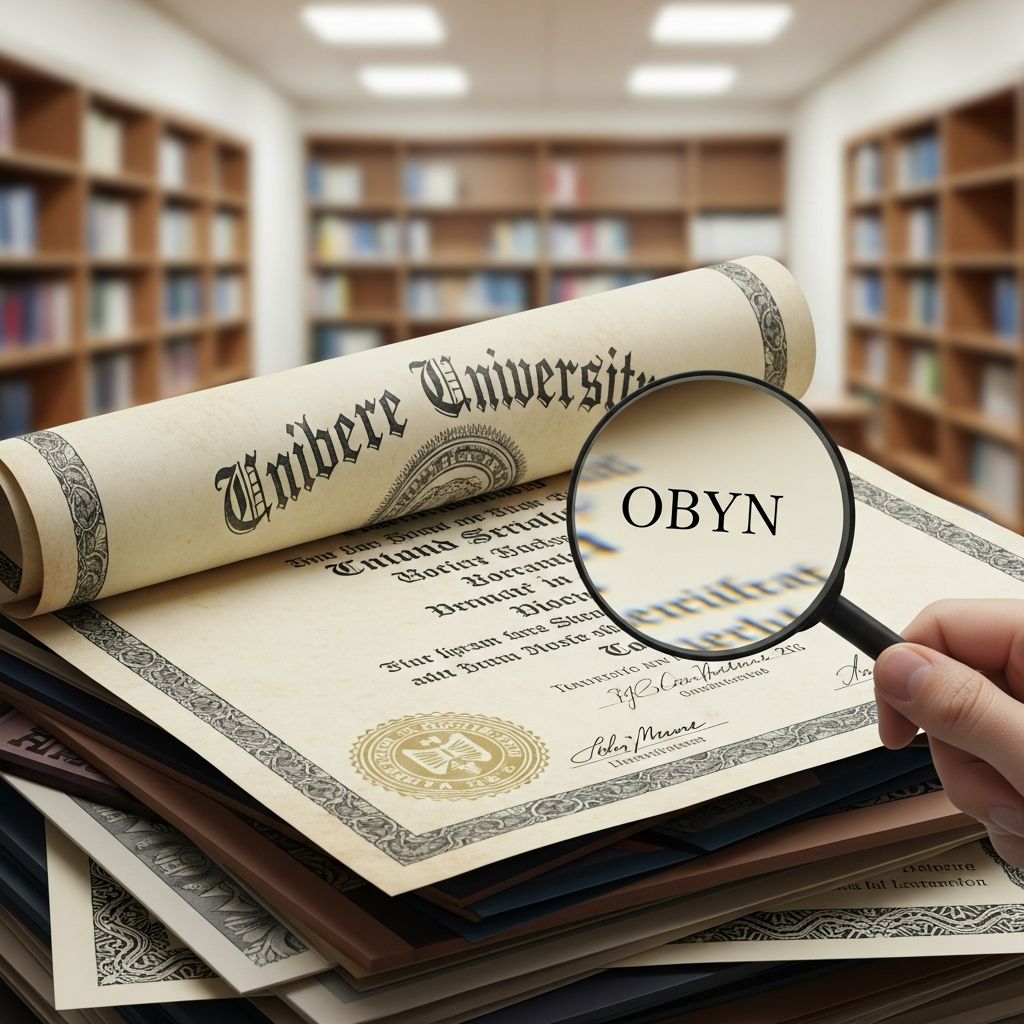
Choosing a college or online program is one of the biggest financial and career decisions you will make. Unfortunately, scammers know this and aggressively promote fake degrees and so-called diploma mills that take your money while giving you a credential that employers, licensing boards, or real colleges will not accept.
This guide explains how these scams work, the warning signs to watch for, and concrete steps you can take to verify a legitimate school before you enroll or send any money.
1. What College Degree Scams Look Like Today
Education fraud covers a wide spectrum, from completely fake schools that only exist as websites to programs that exaggerate their quality, accreditation, or outcomes. Some sell worthless degrees, while others mislead students about transferability of credits or licensing eligibility.
1.1 Common Types of Degree Scams
- Diploma mills — entities that charge a fee and issue degrees with little or no academic work, typically with no meaningful admissions standards, coursework, or faculty interaction.
- Accreditation mills — fake or unrecognized “accrediting agencies” that pretend to review schools but are not acknowledged by the U.S. Department of Education or the Council for Higher Education Accreditation (CHEA).
- Experience-only degrees — “schools” that say you can earn a full degree solely based on your work or life experience, often within days or weeks.
- Fast-track online colleges — programs that advertise accredited bachelor’s or master’s degrees in unrealistically short timeframes with minimal academic expectations.
- Fake credential vendors — websites that openly sell forged diplomas and transcripts from real universities, and sometimes offer to alter records or create fake IDs.
1.2 Why These Scams Are Dangerous
- You can lose thousands of dollars in tuition and fees with no recognized credential in return.
- Employers, government agencies, and licensing boards may reject your degree or view it as evidence of dishonesty.
- You may be unable to transfer credits into a legitimate college or qualify for advanced study.
- Your personal information can be misused for identity theft or further fraud when you provide it to sham organizations.
2. Key Warning Signs of a College Degree Scam
Legitimate colleges — including fully online programs — require real work, follow academic calendars, and are transparent about accreditation and costs. Scam programs often show multiple red flags at once.
2.1 No Real Coursework or Academic Standards
- Promises that you can earn a degree with no exams, no assignments, and no interaction with professors.
- Admissions that skip basic requirements like transcripts, placement tests, or language proficiency.
- Vague or missing information about classes, syllabi, grading policies, or faculty qualifications.
Any claim that you can receive a degree without meaningful study or evaluation is a strong sign of a diploma mill, not a real college.
2.2 Degrees Based Almost Entirely on “Life Experience”
Some legitimate schools may grant a limited number of credits for directly relevant work or military experience, but only within strict rules and after formal evaluation. In contrast, fake programs use experience as their primary selling point.
- Offers to award an entire degree based solely on your resume or a short questionnaire.
- No requirement to submit official transcripts or take any new courses.
- Claims that everyone qualifies because of “what you already know.”
2.3 Unrealistically Fast Completion Times
While there are genuine accelerated or competency-based programs, they still require time and effort. A full degree in days or a few short weeks is not credible.
- Promises like “Get your accredited bachelor’s degree in 30 days” or “Graduate this month.”
- Guarantees of advanced degrees (master’s or doctorate) within a timeframe that leaves no room for substantial study or research.
2.4 High-Pressure and Aggressive Marketing
Fraudulent operators often rely on pushy tactics that real colleges rarely use.
- Unsolicited calls, spam emails, pop-up ads, or social media messages urging you to “enroll now.”
- Hard-sell conversations that pressure you to pay immediately to “lock in” a special discount or limited-time scholarship.
- Unwillingness to provide written details or time to review the program before you commit.
2.5 Suspicious Accreditation or No Recognition at All
In the U.S., accreditation is voluntary, but it is crucial for financial aid, credit transfer, and employer acceptance. The U.S. Department of Education and CHEA list recognized accrediting agencies.
- The school lists an accreditor that does not appear on the U.S. Department of Education or CHEA directories.
- The accrediting organization’s website is vague, has no clear standards, or seems to “approve” almost any institution.
- The school claims “international” or “global” accreditation without explaining who granted it.
- The program claims accreditation it does not have or misuses the name of a legitimate accreditor.
2.6 Other Red Flags in Program Details
- No clear physical address or a location that cannot be verified.
- Tuition advertised as a flat fee per degree rather than by credit, course, or term, especially when extremely low.
- Website and materials full of spelling errors, generic stock photos, and few specifics about departments or faculty.
- A name that closely imitates a well-known school (for instance, adding “International” or “American” to a famous university’s name).
3. How to Verify Whether a School Is Legitimate
Before you share sensitive information or pay any fees, take time to verify the program. A few targeted checks can protect you from expensive mistakes.
3.1 Confirm Accreditation Using Official Resources
In the United States, you can use free federal and nonprofit tools to confirm whether a school and its accreditor are recognized.
- Use the U.S. Department of Education’s Database of Accredited Postsecondary Institutions and Programs to search for the school and verify recognized accreditation.
- Check the CHEA database of recognized accrediting organizations and accredited institutions.
- If the school or accreditor is missing from both lists, be extremely cautious.
3.2 Ask Another College About Transfer Credits
One practical test is to see whether a well-established college would accept credits from the institution you are considering.
- Call or email the registrar’s office at a local community college or state university and ask whether they accept transfer credits from the school you are evaluating.
- If they say no, or have never heard of the institution, treat that as a serious warning.
3.3 Contact the State Attorney General or Higher Education Agency
- Reach out to the state attorney general’s office in the state where the school claims to operate and ask if it is authorized to offer degrees and whether any complaints have been filed.
- Many states also have higher education coordinating boards or licensing agencies that maintain lists of approved institutions.
3.4 Search Independently for Complaints and Reviews
Do not rely only on testimonials on the school’s own website. Look for independent feedback.
- Search the school’s name along with terms like “scam,” “complaint,” “diploma mill,” or “fraud.”
- Check trustworthy news outlets, government press releases, or court records for enforcement actions involving the institution or its owners.
4. Comparing Real Colleges and Diploma Mills
The table below highlights key differences between legitimate institutions and typical degree scams.
| Feature | Legitimate College or University | Typical Diploma Mill / Scam |
|---|---|---|
| Academic work required | Substantial coursework, reading, assignments, and exams with clear learning outcomes. | Little or no coursework; degree mainly based on payment or “experience.” |
| Time to degree | Months to years, depending on program and enrollment status. | Days to a few weeks; timelines that defy normal academic expectations. |
| Faculty interaction | Access to instructors or professors, office hours, and academic support. | No real faculty contact or only generic “advisors.” |
| Accreditation | Recognized by agencies listed by the U.S. Department of Education or CHEA. | Unrecognized, fake, or unverifiable accreditors, or no mention at all. |
| Marketing style | Informational websites and brochures; limited high-pressure tactics. | Spam, cold calls, countdown clocks, and urgent “enroll now” messages. |
| Tuition structure | Usually listed per credit, course, or term; financial aid disclosed. | Flat fee per degree, often with vague or hidden extra charges. |
| Recognition by employers | Generally accepted by employers, graduate schools, and licensing boards. | Often rejected when checked; may trigger suspicion or disciplinary action. |
5. Protecting Yourself Before You Enroll
A few careful steps at the start of your college search can significantly reduce your risk of being caught in a degree scam.
5.1 Questions to Ask Any School
- What organization accredits this program, and where can I verify that?
- How long does the degree typically take for full-time and part-time students?
- What are the admissions requirements?
- How are courses delivered and graded?
- What percentage of graduates find work in their field or continue to advanced study?
5.2 Safe Practices When Researching Programs
- Start with official lists of accredited schools instead of clicking on random ads.
- Use email addresses and phone numbers that you control and can change if you start receiving spam.
- Never pay large up-front fees or share your Social Security number before verifying the school’s legitimacy.
- Document all promises made by recruiters or counselors in writing.
5.3 What to Do If You Suspect a Scam
- Stop payment if possible and contact your bank or credit card issuer to dispute charges.
- Report the school or website to your state attorney general and relevant higher education authorities.
- Submit a report to the Federal Trade Commission so enforcement agencies can track patterns of fraud.
- If your personal data was shared, consider placing fraud alerts or credit freezes with major credit bureaus.
6. Frequently Asked Questions (FAQs)
Q1: Is every unaccredited college a scam?
No. Some schools operate legally without accreditation for religious, specialized, or other reasons. However, degrees from unaccredited institutions may not qualify for federal student aid, may not transfer to other schools, and may not meet employer or licensing requirements. Always check how a specific degree will be viewed in the field you want to enter.
Q2: Can I get federal student aid to attend a diploma mill?
Federal student aid is generally available only for programs offered by institutions accredited by agencies recognized by the U.S. Department of Education. Diploma mills are rarely recognized, so they usually cannot offer legitimate federal aid even if they claim otherwise.
Q3: Are fast or accelerated programs always fake?
Not necessarily. Competency-based or intensive programs may allow students with prior coursework or experience to finish faster, but they still require rigorous assessments, interaction with instructors, and clear academic standards. A program that promises a full degree in a matter of days or weeks, with minimal work, is highly suspect.
Q4: How can employers detect fake degrees?
Many employers verify degrees by contacting the institution directly or using third-party verification services that rely on databases of accredited schools. Some also consult lists of unaccredited or problematic institutions maintained by regulators and watchdog organizations.
Q5: What if I already earned a degree from a questionable school?
Consider consulting a legitimate academic advisor at an accredited college to assess whether any of your learning can be validated or repeated in a recognized program. Be transparent with employers about your current education plans and focus on building an accredited credential going forward. You may also want to report deceptive practices by the school to regulators.
References
- College Degree Scams — Federal Trade Commission. 2024-02-09. https://consumer.ftc.gov/college-degree-scams
- Understanding Fake Degrees and Credential Fraud in Higher Ed — The EvoLLLution / Orim & Glendinning. 2023-09-06. https://evolllution.com/programming/credentials/understanding-fake-degrees-and-credential-fraud-in-higher-ed
- Don’t Get Caught in a College Degree Scam! — Sharefax Credit Union. 2019-07-01. https://www.sharefax.org/dont-get-caught-in-a-college-degree-scam/
- Don’t Get Caught in a College Degree Scam! — Alpena-Alcona Area Credit Union. 2021-05-20. https://www.aaacu.com/blog/dont-get-caught-in-a-college-degree-scam
- Unaccredited Colleges: How To Spot Scams — Accredited Schools Online. 2022-08-31. https://www.accreditedschoolsonline.org/resources/how-to-spot-unaccredited-colleges/
- List of Unaccredited Institutions of Higher Education — Wikipedia (for background; not used as a primary authority). n.d. https://en.wikipedia.org/wiki/List_of_unaccredited_institutions_of_higher_education
- Back to Campus: 9 Scams for College Students to Be Aware Of — ID Watchdog. 2022-08-15. https://www.idwatchdog.com/education/-/article/9-college-student-identity-scams
Similar Articles








Read full bio of Sneha Tete


