
How to Spot Fake “Shark Tank” Endorsements Before You Buy
Learn how scammers fake Shark Tank celebrity endorsements and how to verify real deals before you spend your money.
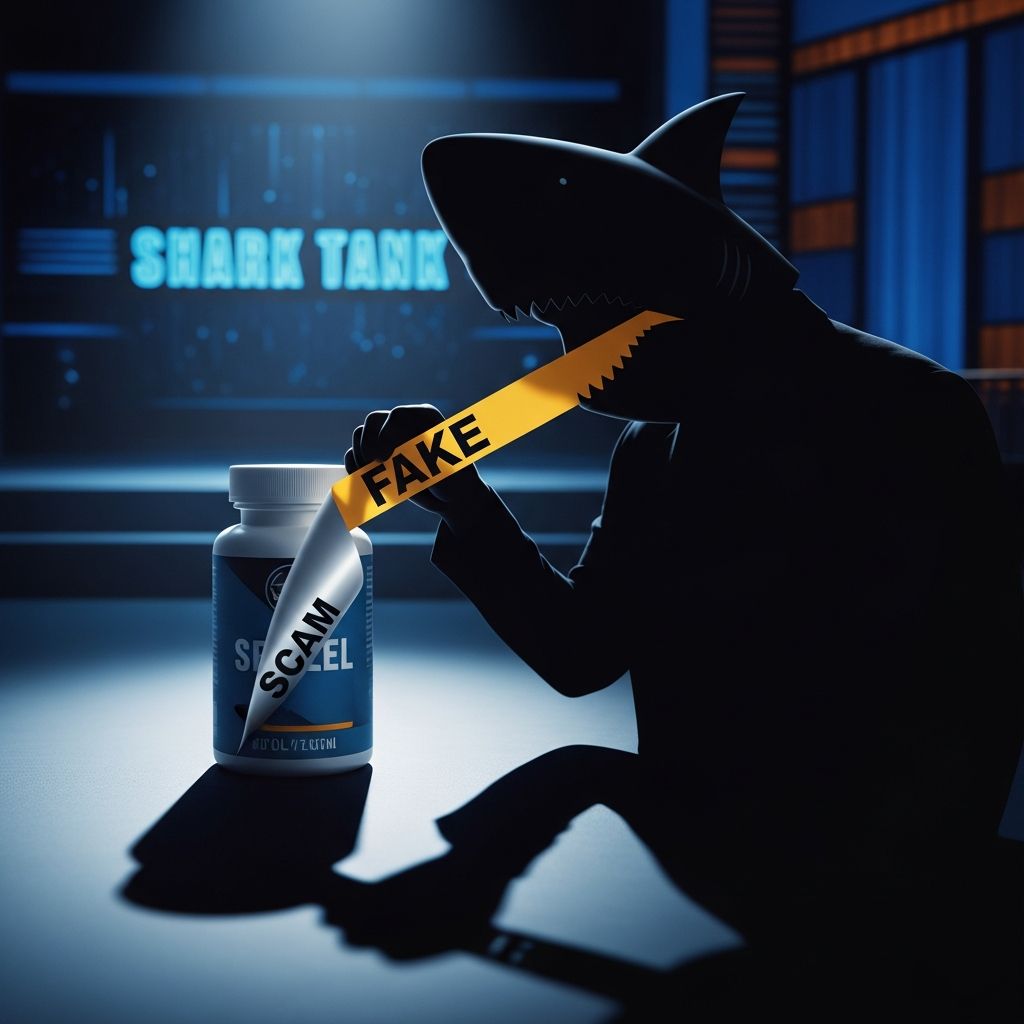
Online ads that shout “Shark-approved” or “biggest deal in Shark Tank history” can make almost any product look irresistible. But many of these pitches are flat-out fake, using stolen photos of celebrities and forged TV screenshots to trick people into buying unproven — and sometimes dangerous — products.
This guide explains how these scams work, how to verify whether a product really appeared on Shark Tank, what to know about health and weight-loss claims, and where to report fraud if you get targeted.
Why Fake “Shark Tank” Endorsements Are Everywhere
Scammers lean on the credibility of a popular TV show and its high-profile investors to make their offers look legitimate.
- Familiar faces build instant trust: Images of well-known investors, like the Sharks, make shoppers lower their guard.
- “As seen on TV” feels safe: Claiming a product was vetted on national television suggests someone already checked it out.
- Social media makes sharing easy: Deceptive ads spread quickly across platforms through paid campaigns, fake news pages, and spam comments.
Investigations have shown that scammers routinely digitally alter photos of Shark Tank panelists and paste in bottles of keto pills, gummies, or other “miracle” products, even though those products were never on the show.
Common Red Flags in “Shark Tank” Scam Ads
While these scams appear in many forms, they often share a cluster of warning signs. If you see several of these together, slow down and investigate further.
Typical Warning Signs
- Huge, unbelievable claims: Phrases like “instant cure,” “works for everyone,” or “no diet or exercise needed” are classic hallmarks of fraud, especially for weight loss and health products.
- Guaranteed results: Legitimate companies rarely promise absolute or risk-free outcomes. Guarantees of dramatic results in a few days are especially suspicious.
- “Biggest deal in show history” headlines: Fact-checkers have debunked numerous posts claiming record-breaking Shark Tank deals for gummies, pills, or supplements that never appeared on the show.
- Fake news site look-alikes: Some scam pages copy the design of news outlets or entertainment sites but every link just sends you to the same order page.
- Pressure tactics: Countdowns, “only 5 bottles left,” or pop-ups saying people in your area just bought may be fabricated urgency triggers.
- Hard-to-find company details: No physical address, vague company name, or only a web form (no real phone or email) suggest you may have little recourse if something goes wrong.
A Quick Comparison: Real vs. Fake “Shark Tank” Connections
| Feature | Legitimate Shark Tank Business | Fake Shark Tank Scam Ad |
|---|---|---|
| Verification | Listed on the official ABC “Appeared on Shark Tank” page or the show’s website. | Not listed anywhere official; only appears in paid ads or sketchy blogs. |
| Use of Sharks’ images | Images match actual episodes and deals, typically used on the brand’s own site or ABC materials. | Photoshopped images of Sharks holding unrelated products, or quotes that never aired. |
| Product category | Wide variety of consumer products and services. | Often “miracle” weight-loss, keto pills, CBD gummies, or other cure-all supplements. |
| Purchase flow | Clear pricing, terms, and business identity. | Hidden fees, recurring subscriptions, and vague or missing contact information. |
How to Confirm if a Product Really Appeared on Shark Tank
Scammers count on you clicking fast and not checking anything. Instead, take a minute to verify claims using trusted sources.
Step-by-Step Verification Checklist
- Use official show resources
Visit the official ABC page that lists businesses that truly appeared on the show and search by product or company name. - Search the web independently
Open a new tab and type the product name plus words like “Shark Tank episode,” “review,” or “complaints.” Ignore links from the ad’s own domain and look for independent, reputable sources instead. - Check reputable fact-checkers
Organizations such as AFP Fact Check and major fact-checking outlets have debunked many supposed Shark Tank miracle products. A quick search with the product name plus “fact check” can reveal warnings. - Visit the celebrity’s official pages
Many high-profile investors and celebrities publicly warn followers that they do not endorse certain products. Check their verified social media profiles or official websites for statements about scams using their names or photos. - Look at the web address carefully
Misspellings, random strings of characters, or unfamiliar domain endings can be indicators of a disposable scam site.
Why Fake Health and Weight-Loss Claims Are Especially Risky
Many of the fake Shark Tank endorsements center on health, weight loss, keto, or CBD products because those markets are lucrative and people are often desperate for quick results.
Supplements Aren’t Reviewed Like Medicines
In the United States, most dietary supplements (including weight-loss pills, “detox” products, and many gummies) do not need government approval before they are sold. Federal law places responsibility on manufacturers to ensure products are safe, but they do not go through the same pre-market testing and review that prescription medicines do.
This means:
- You cannot assume a supplement is proven safe or effective just because it is being advertised.
- Labels and ads can exaggerate or misrepresent what the product can do.
- Some supplements may interact with medications or worsen underlying health conditions.
Potential Health and Financial Consequences
- Side effects and interactions: Even “natural” ingredients can cause serious problems for people with certain conditions or when combined with other drugs.
- Delayed proper care: Relying on an unproven cure instead of consulting a health professional can worsen diseases that need evidence-based treatment.
- Recurring charges: Some scam sites enroll buyers in auto-shipment or auto-billing programs with fine print that is easy to miss, draining bank accounts long after the first “trial.”
- Identity and payment theft: Fraudsters may resell your card details or personal information, exposing you to further scams.
Smart Ways to Evaluate Any Celebrity Endorsement
Whether or not a product claims a Shark Tank connection, use the same critical approach whenever you see a celebrity or influencer pushing something online.
Questions to Ask Yourself
- Can I confirm the endorsement from the celebrity’s own channel?
If you cannot find the same promotion on their verified social media, website, or known brand partners, treat the ad as unverified at best. - Is the ad relying more on hype than information?
Emotional stories, dramatic before-and-after photos, and vague science-sounding language (like “clinically proven” without a source) are warning signs. - Does the product claim to work for everyone?
Real health solutions acknowledge limitations, risks, and who should not use them; scams usually skip those details. - Is there a transparent return and refund policy?
A trustworthy company clearly explains you how to return the product, how refunds work, and how to cancel subscriptions.
What to Do If You Already Clicked or Bought
If you suspect you responded to a fake Shark Tank promotion, acting quickly can limit harm and help law enforcement.
Immediate Steps
- Stop using the product if it is a supplement or health product, especially if you have any side effects. Contact your health care provider for medical advice.
- Contact your bank or card issuer to dispute unauthorized or deceptive charges, and ask about blocking future recurring payments.
- Change passwords if you created an account on the scam website, and enable multi-factor authentication on your email and financial accounts.
Report the Scam
Reporting helps authorities track patterns and take action, even if you cannot get your own money back.
- File a complaint with the Federal Trade Commission (FTC) through its official fraud reporting portal; the FTC uses these reports in investigations and enforcement cases.
- Notify your state or local consumer protection agency, which may have additional tools or advice for residents.
- Use platform reporting tools on social media or search engines to flag the ad or page as misleading or fraudulent.
Practical Checklist Before You Buy Any “As Seen On” Product
Use this quick checklist for any ad that leans on TV shows, celebrities, or influencers to push a product:
- Verify the product or company on an official show or network page if a TV program is mentioned.
- Search the name plus “scam,” “complaints,” or “reviews” in a separate browser tab.
- Look for clear business identity: company name, physical address, and real contact options.
- Read the terms and conditions for any mention of auto-ship, subscriptions, or “trial” language.
- Ask a health care professional before starting any supplement or dramatic diet change.
Frequently Asked Questions (FAQs)
Q: Have Shark Tank investors ever endorsed keto or weight-loss pills?
A: Official statements and fact-checking investigations indicate that products marketed as Shark Tank–backed keto or weight-loss pills are not endorsed by the show’s investors, and images linking them are often digitally manipulated.
Q: If a product says it was on Shark Tank, where can I confirm that?
A: Check the official ABC “Appeared on Shark Tank” listings or the show’s website, and cross-check with independent searches for the company name, not just links provided in ads.
Q: Are dietary supplements reviewed by the government before they are sold?
A: In the U.S., dietary supplements generally do not go through pre-market approval by federal authorities for safety or effectiveness; manufacturers are responsible for ensuring safety, and problems are usually handled after products are on the market.
Q: What should I do if a celebrity’s face appears in an ad that seems suspicious?
A: Do not rely on the ad alone. Visit the celebrity’s official social media or website to see whether they mention the product. If you cannot verify the endorsement, treat it as unconfirmed and consider reporting the ad to the platform or to consumer protection agencies.
Q: Can I get my money back if I was charged repeatedly by a scam offer?
A: You may be able to dispute charges with your credit card issuer or bank, especially if the terms were deceptive or you did not authorize recurring payments. Contact them promptly, document your interactions, and consider filing a fraud report with the FTC or your local consumer agency.
References
- Dietary Supplements: What You Need to Know — National Institutes of Health, Office of Dietary Supplements. 2021-06-17. https://ods.od.nih.gov/factsheets/WYNTK-Consumer/
- Keto weight loss pill not endorsed by ‘Shark Tank’ show judges — AFP Fact Check. 2021-03-30. https://factcheck.afp.com/keto-weight-loss-pill-not-endorsed-shark-tank-show-judges
- No, these former ‘Shark Tank’ contestants didn’t pitch CBD gummies — PolitiFact. 2021-08-02. https://www.politifact.com/factchecks/2021/aug/02/blog-posting/no-these-former-shark-tank-contestants-didnt-pitch/
- Protect Yourself Against ‘Shark Tank’ Scams Like Gummies — AARP. 2022-06-21. https://www.aarp.org/money/scams-fraud/shark-tank-gummies/
- Appeared on Shark Tank — ABC. 2021-03-13. https://abc.com/news/920582c3-2083-45bc-81c9-95e33c5a76e9/category/706923
Similar Articles








Read full bio of medha deb


