
Spot, Avoid, and Report Utility Bill Scams
Learn how to recognize, shut down, and report fake power, gas, and water bill scams before they shut off your service.
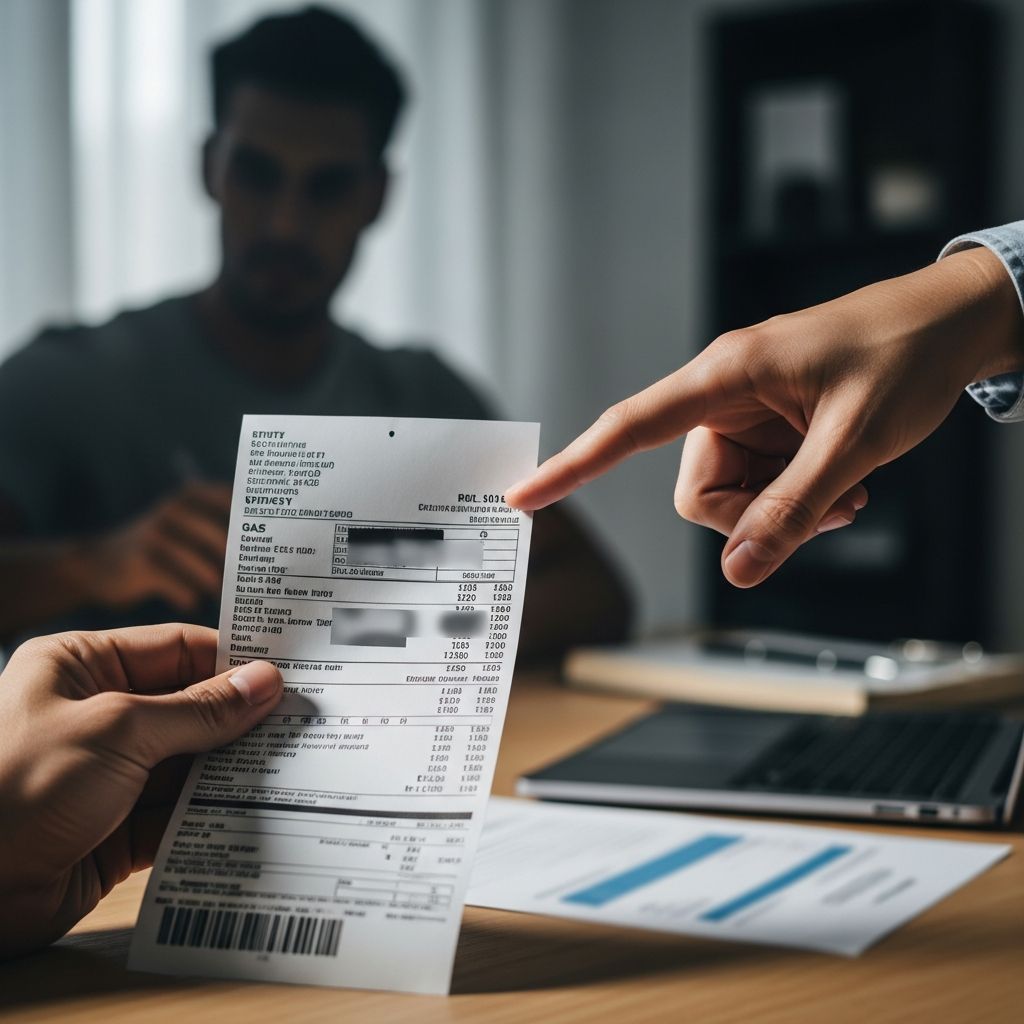
Scammers have learned that people fear losing electricity, gas, water, or internet — and they use that fear to pressure households and small businesses into paying fake bills. This guide explains how utility bill scams work, the red flags to watch for, and what to do if someone threatens to shut off your service unless you pay immediately.
Why Utility Scams Are So Common
Utility services are essential: without them, people can’t heat or cool their homes, cook safely, store food, or use medical equipment. That makes threats to cut off service a powerful way to scare people into acting fast. Imposter scams, where criminals pretend to be a trusted company or government agency, are among the most frequently reported fraud categories in the United States.
Scammers often:
- Claim to represent your electric, gas, water, or internet company
- Say you are behind on payments or have a problem with your account
- Threaten to disconnect service within minutes or hours
- Demand payment with methods that are hard to trace or reverse
Understanding these tactics helps you stay calm and take steps that keep your money and your identity safe.
How Utility Bill Scams Typically Work
Although details differ, most utility scams follow a similar pattern designed to create panic and rush you into paying before you think or verify.
1. The Fake Contact
Criminals can reach you in many ways, including:
- Phone calls using caller ID spoofing to display the name or number of a real utility
- Text messages (SMS) with links to “pay now” or “fix your account”
- Emails that copy logos and branding from legitimate providers
- Unexpected in-person visits from people claiming to be from the utility or a contractor
While many real utilities send reminders, they do not demand immediate, unusual payments or threaten disconnection with almost no notice.
2. The Threat and the Rush
Once they reach you, scammers usually:
- Say your account is past due or that a meter reading or inspection shows a serious problem
- Threaten to shut off service today or within a couple of hours
- Warn that reconnecting service will be extremely expensive or impossible
- Insist there is no time to call customer service or check your account online
This urgency is a hallmark of fraud: legitimate companies usually provide written notices and multiple chances to resolve billing issues before disconnecting essential services.
3. Demands for Unusual Payment Methods
To get your money quickly and anonymously, scammers push payment methods that are hard to reverse.
| Payment Method | Why Scammers Like It | Risk to You |
|---|---|---|
| Gift cards | Easy to buy and share card numbers/PINs | Once used, money is almost impossible to get back |
| Cryptocurrency | Hard to trace and often irreversible | Little legal protection and nearly no recourse |
| Peer-to-peer apps (P2P) | Fast transfers that may look like personal payments | Limited dispute options; may not be covered as fraud |
| Wire transfers | Funds move quickly and often cross borders | Extremely difficult to recall or reverse |
Most regulated utilities do not require customers to pay with gift cards, cryptocurrency, or person-to-person payment apps.
Common Warning Signs of a Utility Scam
Learning the red flags makes it easier to hang up or walk away when something feels off.
- High-pressure threats: “Pay in 30 minutes or we shut you off”
- Surprise contact: No prior mailed or emailed notice of late payment
- Unusual payment instructions: Gift cards, crypto, or sending money to a personal account
- Requests for sensitive data: Social Security number, full bank account or card numbers, or online account passwords
- Caller ID mismatch: Number looks local, but the person refuses to let you call back using the official customer service number
- Refusal to provide details: They can’t or won’t tell you your official account number, past bills, or other information you already know
If one or more of these signs appear, treat the contact as suspicious until you verify it directly with your utility using trusted contact information.
How Legitimate Utilities Usually Handle Billing
Understanding standard utility practices helps you tell real notices from fake threats. Practices differ by company and state law, but many utilities:
- Send multiple written notices by mail, email, or both before any shutoff
- Offer payment plans or extensions if you contact them quickly
- List acceptable payment options clearly on bills and official websites
- Provide customer service numbers printed on every bill and posted on their secure site
- Work with state regulators on rules for disconnecting service, especially in extreme weather
Some states require utilities to follow specific timelines and notification steps before disconnections, especially for vulnerable households or medically necessary equipment. If a caller skips all those steps and goes directly to a disconnection threat, that is a strong clue you may be dealing with a scam.
Step-by-Step: What to Do If You Get a Suspicious Utility Contact
If you receive a call, text, email, or in-person visit that feels off, use these steps to protect yourself.
1. Stop and Take a Breath
Scammers want you to panic. Slow down the conversation. You are allowed to:
- Refuse to provide information
- End the call or close the door
- Ask for time to review your bill
2. Do Not Share Sensitive Information
Until you are sure you are speaking with your real utility, do not give out:
- Your Social Security number
- Full bank account or credit card numbers
- Online account usernames or passwords
- PINs or one-time codes
3. Hang Up and Contact the Utility Directly
Use official contact information printed on your bill or listed on the company’s secure website. Do not use phone numbers, email addresses, or links provided in the suspect message.
- Call the customer service number on your last statement
- Log in to your account from a bookmark you created or by typing the URL yourself
- Visit a local office if your utility has one nearby
Ask the company to confirm:
- Your current balance and due date
- Whether a shutoff is scheduled
- Which payment methods they accept
4. Check Your Billing History
Look at your previous bills or online account:
- Compare the payment amount demanded by the caller with your usual bill
- Review any notices or emails from the utility about account changes
- Confirm whether you have automatic payments set up
If the story you heard on the phone does not match your official billing history, you were likely dealing with a scammer.
5. If You Already Paid, Act Quickly
If you realize after paying that it may have been a scam, move fast:
- Credit or debit card: Contact your bank or card issuer and ask about stopping or reversing the charge and whether a new card is needed
- Bank transfer: Call your bank to see if the transfer can be recalled or flagged as fraud
- Gift cards: Contact the card issuer immediately and ask if the funds are still available on the card
- P2P apps or crypto: Check for options to cancel the transaction and report it as fraud
Then, report the scam to your utility and to relevant authorities (see below).
Protecting Your Utility Accounts Long-Term
In addition to spotting scams in the moment, you can strengthen your defenses ahead of time.
- Enable account alerts: Sign up for email or text notifications from your utility about bills, payments, and account changes.
- Use strong, unique passwords: Avoid reusing passwords between your utility account and email, banking, or social media.
- Turn on multi-factor authentication (MFA): When available, require a code or app prompt to log in, not just a password.
- Keep contact information up to date: Make sure your utility has your correct mailing address, phone number, and email so you get real notices.
- Limit what you share publicly: Avoid posting photos of bills online or sharing account details on social media.
These steps help prevent both billing scams and account takeovers, where criminals break into your account and change contact or payment information.
How and Where to Report Utility Scams
Reporting scams helps enforcement agencies spot patterns, shut down criminal operations, and warn other consumers.
- Federal Trade Commission (FTC): The FTC collects fraud reports and uses them to support investigations and consumer education.
- State Attorney General: Many state attorneys general enforce consumer protection and utility-related laws.
- Utility or energy provider: Let your actual provider know when someone is impersonating them.
- Local law enforcement: Especially if a scammer shows up at your door or you lose a significant amount of money.
When you report, provide as much detail as you can, including caller ID, email addresses, screenshots of texts, and how you were asked to pay.
Helping Older Adults and Small Businesses Stay Safe
Fraudsters often target people they believe are less likely to question authority or have fewer resources to verify claims, including older adults and small businesses. Recent FTC reporting shows that adults 60 and over frequently report losses in imposter scams, including those involving utilities.
To help protect these groups:
- Talk in advance about common scam tactics and payment red flags
- Encourage them to call a trusted friend or relative before paying any urgent demand
- Suggest posting the official customer service number for their utility near the phone
- Offer to review suspicious emails, texts, or bills together
For small businesses, a single fraudulent payment can seriously strain cash flow. Business owners can reduce risk by training staff who handle incoming calls and payments to verify any shutoff threats independently.
Frequently Asked Questions (FAQs)
Q: Can a real utility company ever shut off my service without warning?
A: In most areas, utilities must provide advance notice before disconnection and follow state rules that often include multiple written notices and a waiting period, especially for residential customers. Contact your state utility commission or your provider to learn the exact rules where you live.
Q: What is the safest way to pay a legitimate utility bill?
A: Use payment options listed on your official bill or the provider’s secure website, such as mailing a check to the printed address, paying through the utility’s online portal, or using authorized payment centers. Avoid paying to personal accounts or with gift cards, cryptocurrency, or links sent by unknown senders.
Q: The caller knew my name and address. Does that mean they’re real?
A: Not necessarily. Scammers can gather basic information from public records, data breaches, or social media. Even if a caller knows your name or address, you should still verify the contact using a trusted phone number or website.
Q: Are text messages about my bill always scams?
A: Some utilities do send legitimate text reminders, but you should treat any message with a payment link cautiously. Instead of tapping the link, go directly to your utility’s website by typing the address into your browser or using its official app to check your account.
Q: What should I do if someone comes to my door claiming to be from the utility?
A: Ask for identification, do not let them inside if you feel unsafe, and call the customer service number on your bill to confirm whether a technician was sent to your address. Be especially wary if the person demands immediate payment or asks for personal or financial information on the spot.
References
- Protecting Older Consumers 2024–2025 — Federal Trade Commission. 2024-10-10. https://www.ftc.gov/reports/protecting-older-consumers-2024-2025-report-federal-trade-commission
- Bureau of Consumer Protection: What We Do — Federal Trade Commission. 2024-03-01. https://www.ftc.gov/about-ftc/bureaus-offices/bureau-consumer-protection
- Consumer Protection Guide for Electric and Natural Gas Customers — Public Service Commission of Wisconsin. 2023-09-15. https://psc.wi.gov/Pages/Consumers/ConsumerProtection.aspx
- How to Avoid a Scam — Federal Trade Commission. 2024-01-25. https://consumer.ftc.gov/articles/how-avoid-scam
- Consumer Sentinel Network Data Book 2023 — Federal Trade Commission. 2024-02-08. https://www.ftc.gov/reports/consumer-sentinel-network-data-book-2023
Similar Articles








Read full bio of medha deb


