
Imposter Scams: 5 Common Types And How To Protect Yourself
Learn how imposter scams work, how to recognize red flags, and the steps you can take to protect your money and identity.
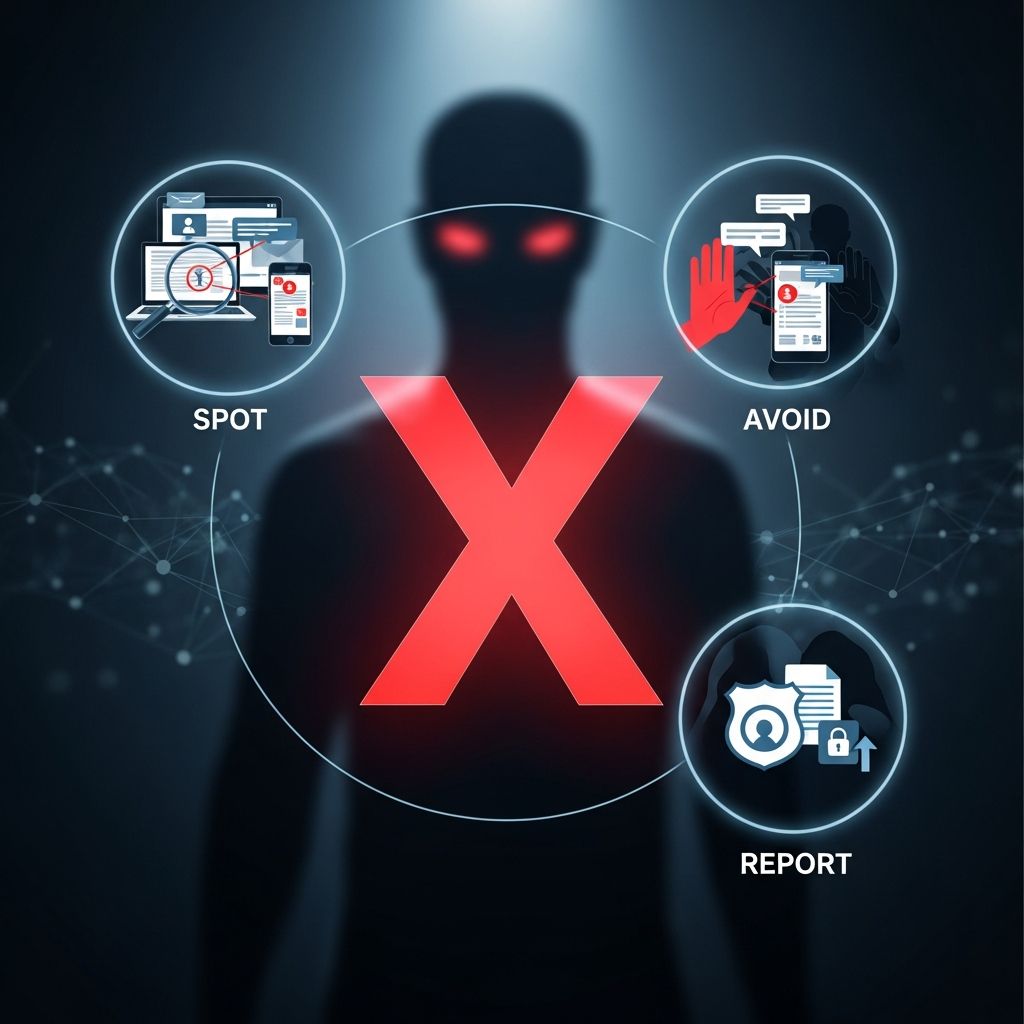
Imposter scams are among the most common and costly types of fraud targeting people of all ages in the United States. In these schemes, scammers pretend to be someone you trust so they can pressure you into paying money or sharing personal information. According to the Federal Trade Commission (FTC), imposter scams have been a leading category of fraud reports for consumers in recent years.
This guide explains how imposter scams operate, how to recognize warning signs, practical steps to avoid becoming a victim, and how to report scams so you can help protect yourself and others.
What Is an Imposter Scam?
An imposter scam happens when someone contacts you while pretending to be:
- A government agency or law enforcement officer
- A business you know, like a bank or a tech company
- A charity or disaster relief organization
- A trusted family member or friend
- A romantic interest met online or through an app
The goal is always the same: to convince you to act quickly before you have time to think or verify what they are saying. Scammers often demand payment or request sensitive data such as Social Security numbers, bank details, or login credentials.
Common Types of Imposter Scams
Imposter scams come in many forms. Understanding the most frequent versions can make them much easier to spot.
1. Government or Law Enforcement Imposters
In these schemes, criminals claim to represent agencies such as the IRS, Social Security Administration, local police, or immigration authorities. They may threaten arrest, deportation, fines, or loss of benefits unless you respond immediately.
- They might say you owe taxes or penalties and must pay right away.
- They may claim your Social Security number has been suspended.
- They often demand payment using gift cards, wire transfers, or cryptocurrency.
Real government agencies do not demand instant payment over the phone or via text, especially through unusual methods like gift cards or crypto.
2. Business and Tech Support Imposters
Business imposters pretend to contact you from a bank, delivery service, online retailer, or tech firm. They may claim there is a suspicious charge, a delivery problem, or a security issue with your account.
- Tech support imposters say your computer is infected and ask to connect remotely.
- Bank imposters say they must “verify” your identity or move your money to a “safe” account.
- Delivery imposters send fake tracking links to steal passwords or payment information.
Legitimate companies may reach out about potential issues, but they will not pressure you to give passwords, remote access, or payment as the only way to solve a problem.
3. Family Emergency (“Grandparent”) Scams
In family emergency scams, someone calls or messages claiming to be a relative in trouble—often a grandchild—or a friend speaking on their behalf. They say there has been an accident, arrest, or travel emergency and ask you not to tell anyone else.
- Requests are for urgent money to cover bail, hospital bills, or travel.
- Scammers may know personal details taken from social media to sound convincing.
- They often insist on secrecy and ask you to act immediately.
Scammers rely on your emotions and concern for loved ones, hoping you will send money before verifying if the story is real.
4. Romance and Relationship Imposters
Romance imposters develop relationships over time on dating sites, social media, or messaging apps. They claim to fall in love quickly, but there is always a reason they cannot meet in person.
- They may say they work overseas, are in the military, or on a long-term assignment.
- Eventually they request money for travel, medical emergencies, or investment opportunities.
- They might ask for gift cards, wire transfers, or access to your bank account.
Reports show that romance scams can cause especially large financial losses and emotional harm, particularly for older adults.
5. Prize, Lottery, and Charity Imposters
These imposters promise rewards or appeal to your desire to help others.
- Prize scams claim you have won a lottery, sweepstakes, or grant but must pay fees or taxes upfront.
- Charity imposters pose as well-known organizations, especially after disasters or crises.
- Some pressure you to donate immediately through links or wire transfers.
Real sweepstakes do not require payment to receive a prize, and legitimate charities can be verified through official registries or government charity search tools.
Typical Channels Imposter Scammers Use
Scammers adapt quickly to new technology and communication tools. Common channels include:
- Phone calls – live callers or robocalls with spoofed numbers that appear local or official.
- Text messages – often include short, urgent messages with links to fake websites.
- Email – may copy logos or language from real organizations.
- Social media and messaging apps – used for romance, business, and family emergency scams.
- Pop-up windows and online ads – especially for fake tech support services.
Caller ID, email addresses, and website designs can all be spoofed, so they cannot be relied upon by themselves as proof that a message is genuine.
Key Red Flags That Signal an Imposter Scam
Even when a scammer changes the details, many warning signs stay the same. Be skeptical when you notice:
- Urgent demands to act immediately or face serious consequences.
- Pressure for secrecy, such as “Do not tell anyone else” or “You’ll get in trouble if you talk to your bank.”
- Unusual payment methods like gift cards, wire transfers, cryptocurrency, or payment apps that cannot be reversed.
- Requests for sensitive data (Social Security number, full bank details, one-time passcodes, or account passwords).
- Unsolicited contact from someone claiming to be a government agency, utility, or company you did not reach out to first.
- Spelling mistakes, generic greetings, or strange links in emails or texts.
If more than one of these red flags appears at the same time, it is very likely you are dealing with a scam.
How Legitimate Organizations Really Contact You
Knowing what real organizations do and do not do can help you separate scams from genuine contact.
| Organization Type | What They Typically Do | What They Do Not Do |
|---|---|---|
| Government agencies | Send official letters; provide appeal or verification options; use secure online accounts. | Demand payment by gift card, wire transfer, or cryptocurrency; threaten immediate arrest over the phone. |
| Banks and credit card issuers | May alert you to suspicious activity; ask you to call the number on your card or use their app. | Ask for your full password or PIN; instruct you to move money to a separate “safe” account. |
| Legitimate charities | Provide written information; appear in official charity registries; accept multiple payment options. | Refuse to give details about how donations are used; insist on anonymity or payment only by wire or gift card. |
Practical Steps to Avoid Imposter Scams
You cannot stop scammers from trying to contact you, but you can make it much harder for them to succeed.
Pause and Verify Before You Respond
- Hang up on unexpected calls and look up the official number yourself.
- Delete or ignore suspicious texts and emails instead of clicking links.
- Contact the organization using a trusted phone number or website you find independently.
- Call family or friends using known numbers if you receive an “emergency” request.
Protect Your Personal Information
- Limit what you share publicly on social media—scammers mine these details to sound convincing.
- Use strong, unique passwords and a password manager.
- Turn on multi-factor authentication for important accounts when available.
- Regularly review your bank and credit card statements for charges you do not recognize.
Guard How You Pay
- Refuse to pay anyone who demands gift cards, wire transfers, or cryptocurrency.
- Use credit cards when possible since they generally offer stronger fraud protections than cash, wire transfers, or some payment apps.
- Never send money or give financial information to someone you have only met online, especially if you have never seen them in person or by video.
What to Do If You Shared Money or Information
If you realize you have responded to an imposter scam, acting quickly can reduce the damage.
- Contact your bank or card issuer immediately to report the transaction and ask whether it can be stopped or reversed.
- Change passwords on any affected accounts and turn on multi-factor authentication.
- Monitor statements for new charges or withdrawals you do not recognize.
- Consider placing a fraud alert or credit freeze with the nationwide credit bureaus if sensitive identity details were exposed.
- Save all communications (screenshots, emails, transaction records) in case law enforcement or your bank requests documentation.
Why Reporting Imposter Scams Matters
Reporting scams does more than document your experience. It helps enforcement agencies identify patterns, shut down fraudulent operations, and warn the public. The FTC, for example, uses consumer reports to support investigations and actions against companies and individuals that break the law.
Where and How to Report
If you suspect an imposter scam:
- Report the incident to the Federal Trade Commission through its official complaint portal.
- Notify your state or local consumer protection office, which may also be able to assist.
- If you lost money, file a report with your local police department for documentation.
- If the scam involved impersonating a real business or charity, inform that organization so they can alert others.
Even if you did not lose money, your report can help identify new tactics or vulnerable groups being targeted.
Protecting Older Adults and Other High-Risk Groups
FTC research shows that older adults often report specific scams—such as tech support, prize, and romance scams—at higher rates and may experience larger dollar losses when they do report. But anyone can be targeted, including younger adults and people who are highly tech-savvy.
Families and caregivers can help by:
- Discussing common scams and red flags openly.
- Encouraging loved ones to call a trusted person before sending money or sharing information.
- Helping review bank or card statements for unfamiliar charges.
- Assisting with fraud reports and follow-up if someone has been victimized.
FAQ: Imposter Scams
How common are imposter scams?
Imposter scams consistently rank among the top categories of fraud reported to the Federal Trade Commission each year, based on data from its Consumer Sentinel Network.
Can caller ID be trusted to show who is calling?
No. Scammers can use spoofing technology to disguise their phone number so it appears to come from a local number or a specific organization. Caller ID alone is not proof that a call is legitimate.
What payment methods are most risky in scams?
Gift cards, wire transfers, and cryptocurrency are favorites of scammers because they are hard or impossible to reverse. Once you send money this way, you are usually unable to get it back. Payments by credit card often provide stronger dispute and chargeback rights.
Is it safe to click links in emails or texts from my bank or a government agency?
It is safer to avoid clicking links in unexpected messages. Instead, go directly to the organization’s official website by typing the address yourself or using a trusted app. This helps you avoid fake websites created to steal your information.
What should I tell someone who thinks they may be talking to a scammer?
Encourage them to stop communicating with the person, not to send any money or information, and to independently verify any claims by contacting the organization or person using a known, trusted phone number or website. Then suggest they report the incident to the appropriate authorities, including the FTC and local law enforcement.
References
- Bureau of Consumer Protection — Federal Trade Commission. 2024-10-01. https://www.ftc.gov/about-ftc/bureaus-offices/bureau-consumer-protection
- Consumer Protection: What We Do — Federal Trade Commission. 2024-11-15. https://www.ftc.gov/consumer-protection
- Consumer Protection Laws and Regulations USA 2025 — ICLG. 2025-04-09. https://iclg.com/practice-areas/consumer-protection-laws-and-regulations/usa
- Protecting Older Consumers 2024-2025: A Report of the Federal Trade Commission — Federal Trade Commission. 2024-09-20. https://www.ftc.gov/reports/protecting-older-consumers-2024-2025-report-federal-trade-commission
- Rules — Federal Trade Commission. 2025-03-01. https://www.ftc.gov/legal-library/browse/rules
Similar Articles








Read full bio of medha deb


