
How to Spot, Avoid, and Report Government Imposter Scams
Recognize fake government contacts, protect your money and data, and report imposter scams before they cause serious harm.
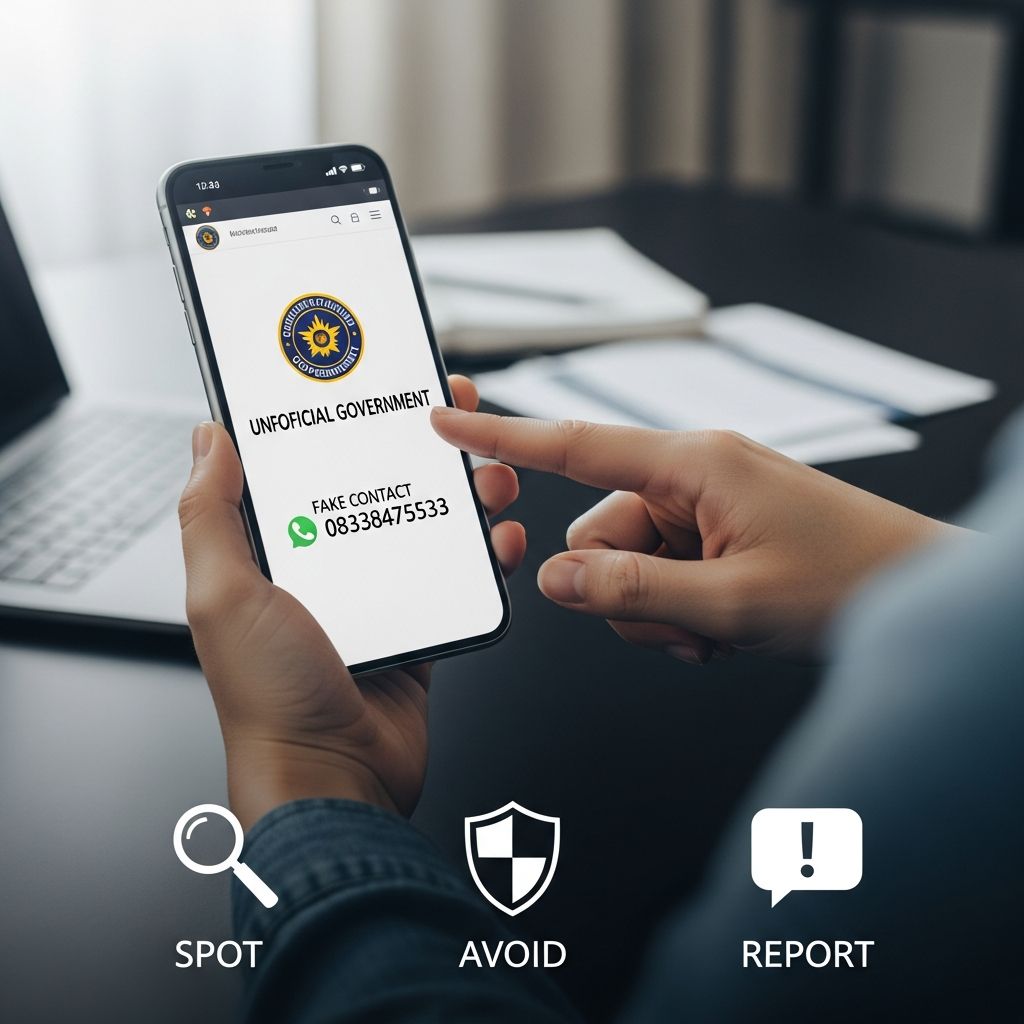
Scammers often pretend to be from government agencies to scare people into sending money or sharing personal information. They rely on urgency, threats, and confusion about how real agencies operate. This guide explains how these scams work, what they look like, and how to protect yourself and your family.
Why Government Imposter Scams Work
Fraudsters frequently impersonate agencies like the Social Security Administration (SSA), the Internal Revenue Service (IRS), immigration authorities, or law enforcement to gain your trust quickly. They know many people fear problems with taxes, benefits, or immigration status, and they exploit that fear.
According to the Federal Trade Commission (FTC), government and business impersonation scams have cost people billions of dollars in recent years, making them one of the most damaging categories of fraud reports. Government imposter scams typically involve a call, text, email, letter, or social media message that appears official but is actually designed to steal your money or identity.
Typical Storylines Scammers Use
While every scammer has a slightly different script, most government imposter schemes follow a few common themes:
- Threat of immediate penalty: The caller says you will be arrested, fined, deported, or sued unless you act right now.
- Promise of money or benefits: You are told you are owed a refund, grant, or additional benefits but must pay a fee or “processing charge” first.
- Problem with your account or documents: They claim your Social Security number, immigration file, driver’s license, or tax account is suspended, compromised, or under review.
- Secret investigation: The person insists you must not tell anyone because you are “under investigation” or assisting a law enforcement operation.
Real government agencies do not mix these elements with demands for payment by unusual methods or pressure you to keep conversations secret.
Common Contact Methods and Red Flags
Scammers adjust their tactics as technology and enforcement improve. The table below shows common contact channels and the key warning signs to watch for.
| How They Contact You | What It May Look Like | Red Flags to Watch For |
|---|---|---|
| Phone call or robocall | Caller ID shows a government name or local police; automated voice tells you to press a number to speak to an “officer”. | Threats of arrest, demand for immediate payment, request for gift cards or wire transfers, refusal to let you hang up. |
| Text message | A short text with a link, claiming a problem with your benefits, taxes, or immigration case. | Unexpected links, poor grammar, instructions to click to fix an urgent issue, coming from a regular phone number instead of a short code or official channel. |
| Message uses a logo that looks like IRS, SSA, or another agency and asks you to log in or provide information. | Sender address from free email (like generic services), attachments you did not request, requests to send sensitive data by email. | |
| Social media or messaging apps | Account name uses a government logo and offers grants, relief funds, or fast benefit approvals. | Asking for upfront fees, gift cards, cryptocurrency, or bank details for “processing”. Real agencies do not offer grants via direct messages. |
| Letter | Paper notice claiming to be from a government office, often with seals or logos. | Spelling errors, instructions to call a phone number that cannot be verified on an official .gov website, or directions to pay by unusual methods. |
How Real Government Agencies Operate
Understanding how legitimate agencies communicate can make it easier to ignore imposters:
- No payment by gift cards, wire transfer, or cryptocurrency: U.S. government agencies do not demand these payment methods to resolve taxes, fines, or fees.[10]
- No threats over the phone: Real officials do not threaten arrest on the spot or demand that you stay on a call without hanging up.
- Written communication first, usually by mail: Agencies like the IRS typically send letters about account problems and give you time to respond.[10]
- Use of .gov websites and official numbers: Authentic agencies publish their contact information on .gov domains, and you can verify any instructions there.[10]
- Clear appeal and dispute rights: Legitimate notices explain your right to appeal or contest a decision, not just demand payment.
Typical Payment Tricks Used in Scams
Fraudsters favor payment channels that are hard for you to reverse or trace. Some common methods include:
- Gift cards: You are told to buy cards from major retailers and read the numbers on the back. Once you do, the money is gone.
- Wire transfers or money transfer services: Funds can be picked up quickly, often across borders.
- Cryptocurrency: You may be directed to a kiosk or exchange and told to send digital currency.
- Peer-to-peer payment apps: Scammers may push you to use “instant” options that are hard to reverse.
How to Protect Yourself Before You Respond
Adopting a few simple habits can significantly lower your risk of falling for a government imposter scam.
Pause and Verify Independently
- Hang up on unexpected calls, even if the caller ID looks official. Caller ID can be faked.
- Do not click links or open attachments from unexpected texts or emails that claim to be from the government.
- Instead, go directly to the agency’s official website that uses a .gov address and find their published phone number or contact form.[10]
- Use only contact information from official letters, .gov sites, or known legitimate documents—not from messages sent to you out of the blue.
Guard Your Personal and Financial Information
- Never share your Social Security number, bank account details, credit card numbers, or login credentials with someone who contacts you unexpectedly.
- Do not upload identity documents, such as passports or driver’s licenses, through links received in unsolicited messages.
- If you must provide sensitive data for a legitimate reason, make sure the website address begins with https and belongs to an official .gov or trusted domain, and that you initiated the contact.
Secure Your Devices and Accounts
- Keep your operating system, web browser, and antivirus software up to date to reduce the risk of malicious downloads.
- Use strong, unique passwords and enable multi-factor authentication (MFA) on banking, email, and key accounts whenever possible.
- Monitor bank and credit card statements regularly and set up alerts for unusual transactions.
If You Already Paid or Shared Information
Scammers count on you feeling embarrassed and staying silent. Acting quickly can limit the damage and sometimes help you recover money.
Steps to Take if You Paid a Scammer
- Gift cards: Contact the card issuer immediately, explain the situation, and ask if they can freeze or reverse the transaction. Some companies publish scam support instructions on their websites.
- Credit or debit card: Call your bank or card issuer at the number on the back of your card. Ask them to dispute the charge and issue a new card if needed.
- Wire transfer or money transfer: Contact the transfer service or your bank right away and ask if the transfer can be canceled.
- Cryptocurrency: Transactions are usually irreversible, but notify the exchange you used and report the fraud; they may flag associated wallet addresses.
- Payment apps: Use the app’s dispute or support channels as soon as possible and notify your bank if your bank account is linked.
Steps to Take if You Shared Personal Data
- Social Security number or similar ID: Consider placing a fraud alert or credit freeze with major credit bureaus and regularly check your credit reports.
- Bank account or card details: Ask your bank to monitor or close the account and reissue cards as needed.
- Online account passwords: Change passwords immediately and turn on multi-factor authentication wherever it is available.
- Multiple data points exposed: Use identity theft recovery resources from the FTC or your local consumer protection authority for tailored guidance.
How and Where to Report Government Imposter Scams
Reporting helps enforcement agencies track patterns and stop scammers from targeting others. Even if you did not lose money, your report has value.
Report to the Federal Trade Commission (FTC)
The FTC is the primary federal agency in the United States that collects reports about many types of fraud, including government impersonation. It shares information with other law enforcement partners and uses it to investigate and bring cases.
- Go to the FTC’s official consumer reporting portal and follow the prompts to describe what happened.
- Include details such as phone numbers, email addresses, payment methods, amounts paid, and any screenshots or documents.
- After filing, you may receive personalized recovery steps, especially if identity theft is involved.
Report to Other Appropriate Authorities
- Local law enforcement: You can file a police report, which may help with disputes or insurance claims.
- Banks and financial institutions: Inform them of the fraud so they can protect your accounts and investigate.
- Agency being impersonated: Many agencies, such as the IRS or Social Security Administration, provide instructions for reporting impersonation on their official websites.
Helping Friends, Family, and Vulnerable Communities
Scammers often target older adults, people who speak limited English, and individuals facing financial or immigration stress. Community education is a powerful defense.
- Talk openly with relatives and friends about how government imposter scams work.
- Encourage them to treat any unexpected request for money as suspicious, even if it sounds official.
- Share information from trustworthy sources such as government consumer protection sites or legal aid organizations.
- Help them verify suspicious contacts by looking up official numbers together and making independent calls.
Best Practices Checklist
Use this quick checklist as a reminder when you receive a message claiming to be from the government:
- Did you expect this contact, or did it come out of the blue?
- Are they using threats or intense pressure to make you act immediately?
- Are you being asked to pay with gift cards, cryptocurrency, wire transfer, or payment apps?
- Did the person tell you not to talk to anyone about the call or message?
- Have you verified the contact information independently through an official .gov site?
- Have you refused to share sensitive information until you confirm who you are dealing with?
If any answer raises doubt, stop the conversation and verify through official channels before taking another step.
Frequently Asked Questions (FAQs)
How can I tell if a call from a government agency is real?
Real agencies rarely call without first sending letters or notices, and they do not demand immediate payment over the phone or threaten arrest. If you get an unexpected call, hang up and call the agency using a phone number you find on its official .gov website, not a number given by the caller.[10]
Can the government suspend my Social Security number or arrest me for unpaid taxes by phone?
No. Agencies like the Social Security Administration and the IRS do not suspend your number or arrange arrests with a phone call. They follow formal procedures and give you written notice and opportunities to respond or appeal.[10]
What should I do if I clicked a link in a suspicious message?
Close the page, run a security scan on your device using reputable security software, and change any passwords you may have entered. If you entered financial information, notify your bank or card issuer. Consider updating your device and enabling multi-factor authentication on key accounts.
Is it worth reporting a scam if I did not lose money?
Yes. Your report can help authorities identify patterns, block phone numbers or domains, and warn others. The FTC and other agencies use these reports to guide investigations and enforcement actions.
Where can I get reliable information on new scams?
You can check consumer alerts and educational materials from government consumer protection agencies, such as the FTC, which regularly publishes information on current fraud trends and tips to stay safe.
References
- Federal Trade Commission — Federal Trade Commission. 2025-05-01. https://www.ftc.gov
- Bureau of Consumer Protection — Federal Trade Commission. 2024-06-10. https://www.ftc.gov/about-ftc/bureaus-offices/bureau-consumer-protection
- Consumer Sentinel Network Data Book — Federal Trade Commission. 2024-02-08. https://www.ftc.gov/consumer-protection
- File a Consumer Complaint — Federal Trade Commission. 2024-03-15. https://www.ftc.gov/media/71268
- Scam Alerts and Government Imposters — Federal Trade Commission. 2023-11-20. https://www.ftc.gov
Similar Articles








Read full bio of medha deb


