
Guide to Sponsoring Siblings for U.S. Green Cards
Complete guide for U.S. citizens to petition siblings via Form I-130, including eligibility, documents, fees, and timelines.
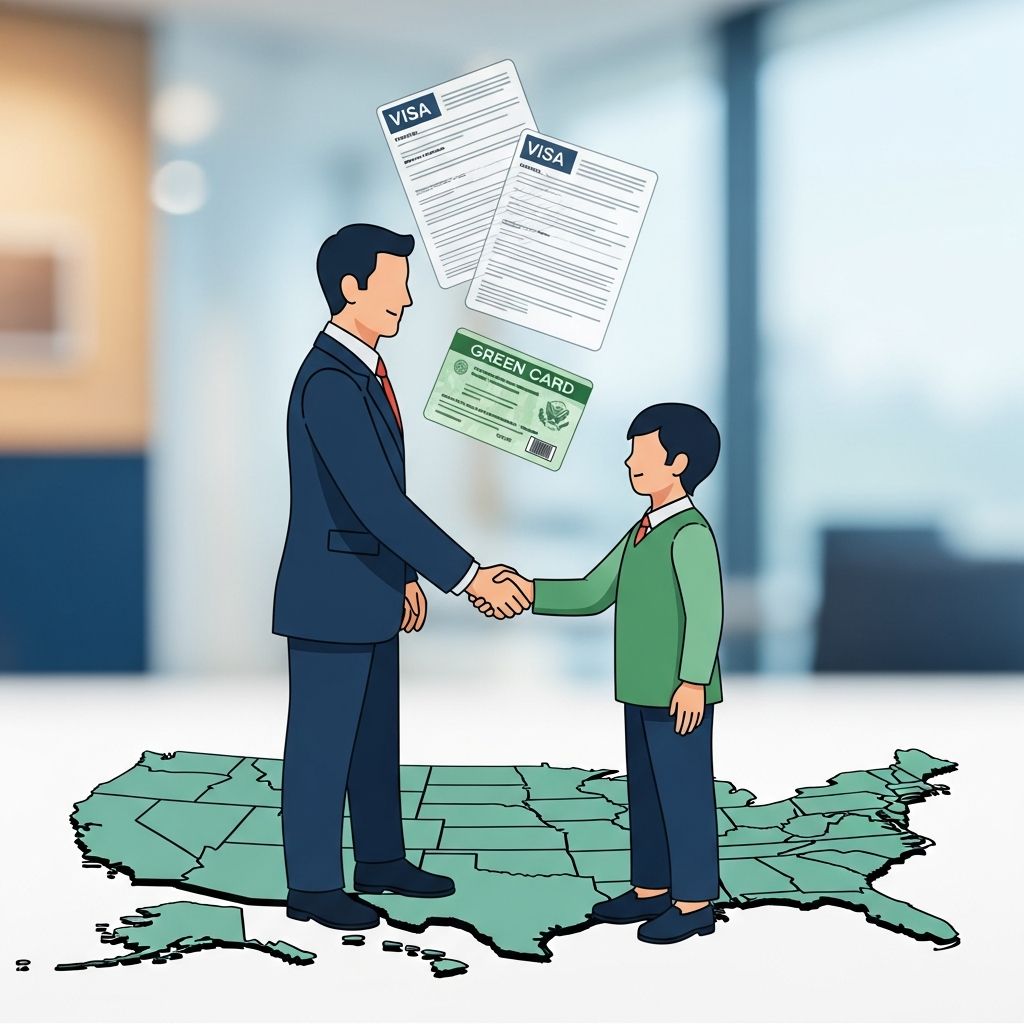
Bringing a brother or sister to live permanently in the United States as a lawful permanent resident is a significant step for many U.S. citizens. This process begins with filing Form I-130, Petition for Alien Relative, with the United States Citizenship and Immigration Services (USCIS). Only U.S. citizens who are at least 21 years old qualify to sponsor siblings, distinguishing this category from others where green card holders might petition.
Understanding Eligibility for Sibling Petitions
To initiate sponsorship, the petitioner must meet strict criteria. You must be a U.S. citizen—no lawful permanent residents (green card holders) can sponsor siblings. Additionally, you need to be 21 years of age or older. This age requirement ensures the petitioner has maturity and stability to support the process.
Siblings include full brothers and sisters sharing at least one parent, half-siblings, step-siblings under specific conditions, and those related through adoption before age 16. The beneficiary (your sibling) can be abroad or in the U.S., but the path forward differs based on location. Notably, one I-130 covers the sibling’s spouse and unmarried children under 21, simplifying family petitions.
- Full siblings: Share biological parents.
- Half-siblings: Share one biological parent.
- Step-siblings: Related through a parent’s marriage, with age limits.
- Adopted siblings: Adoption finalized before age 16.
Exclusions apply: grandparents, aunts, uncles, cousins, nieces, nephews, and in-laws cannot be sponsored via I-130. If the relationship doesn’t fit these categories, alternative immigration paths may be needed.
Gathering Essential Documentation
Success hinges on comprehensive evidence proving the sibling relationship and your citizenship. Start with birth certificates for both you and your sibling, clearly showing shared parentage. These must be certified copies if originals are unavailable.
Proof of your U.S. citizenship is mandatory. Submit one of the following:
- Valid U.S. passport (biographic page).
- U.S. birth certificate.
- Consular Report of Birth Abroad.
- Naturalization Certificate.
- Certificate of Citizenship.
Special Cases Requiring Extra Proof
For non-standard relationships, additional documents are crucial:
| Relationship Type | Required Evidence |
|---|---|
| Half-siblings (paternal) | Father’s marriage certificates to each mother; proof prior marriages ended (divorce/death certificates). |
| Step-siblings | Step-parent’s marriage certificate to biological parent; termination of prior marriages. |
| Adopted siblings | Adoption decree before age 16. |
| Name changes | Legal name change documents. |
If your sibling has a spouse or minor children, include their details on the I-130—no separate forms needed. All foreign-language documents require certified English translations.
Step-by-Step Guide to Completing Form I-130
Form I-130 is available for free download from the USCIS website. Fill it out accurately using black ink or typing. Key sections include:
- Part 1: Information About You (Petitioner): Full name, address, citizenship details.
- Part 2: Information About the Beneficiary (Sibling): Name, date of birth, country of birth, address.
- Part 3: Processing Information: Select ‘family-based’ and specify sibling category (F4 visa preference).
- Part 4: Additional Information: Relationship details, including derivatives (spouse/children).
- Part 5: Applicant’s Statement and Signature: Sign and date.
Double-check for consistency with supporting documents. Errors can lead to Requests for Evidence (RFEs), delaying approval.
Filing Fees and Submission Methods
The filing fee for Form I-130 is $535 (as of latest updates; confirm on USCIS site). No fee waivers for family-based petitions. Pay via check, money order, or credit card (Form G-1450).
Submit by mail to the appropriate USCIS lockbox based on your location and beneficiary’s status. Online filing via USCIS account is available for faster tracking. Keep copies of everything submitted.
Financial Sponsorship: The Affidavit of Support
Approval of I-130 is just the start. Later, file Form I-864, Affidavit of Support, proving you can support your sibling at 125% of federal poverty guidelines. This is a binding contract with the government to prevent public charge reliance.
Income from employment, assets, or joint sponsors can qualify. Multiple I-864 types exist (e.g., I-864A for household members). Consult guidelines for current thresholds.
Processing Timelines and Visa Availability
Sibling petitions fall under the F4 family preference category, subject to annual visa limits. Expect long waits: I-130 approval takes 12-24 months, followed by years for visa availability due to backlogs.
Track status via USCIS case number. Once approved, cases go to the National Visa Center (NVC) if abroad, or adjustment of status (I-485) if in the U.S. Priority dates must be current per the Visa Bulletin.
Common Pitfalls and How to Avoid Them
Avoid delays by:
- Submitting complete, clear documents upfront.
- Ensuring translations are certified.
- Responding promptly to RFEs or NOIDs.
- Disclosing any prior immigration violations honestly—fraud or unlawful presence can lead to denials.
Work with an immigration attorney for complex cases, like prior deportations or criminal history.
Paths After I-130 Approval
If Sibling is Outside the U.S.
NVC handles document collection, fees, and scheduling consular processing. Attend medical exam and visa interview at U.S. embassy. Upon visa issuance, enter U.S. as permanent resident.
If Sibling is Inside the U.S.
File I-485 for adjustment of status if eligible (e.g., entered legally). Includes biometrics, interview, and work/travel authorizations.
Benefits and Responsibilities of Sponsorship
Approved siblings gain green cards, work authorization, and a path to citizenship after 5 years. Sponsors remain financially liable until the green card holder works 40 quarters or naturalizes.
Frequently Asked Questions
Can a green card holder sponsor a sibling?
No, only U.S. citizens aged 21+ can petition siblings.
How long does the entire process take?
I-130: 12-24 months; total with visa wait: 10-20+ years due to F4 backlogs.
Do I need to file separate I-130s for my sibling’s family?
No, one covers spouse and unmarried kids under 21.
What if my sibling entered the U.S. illegally?
Consular processing may apply with possible waivers; adjustment risky without legal entry.
Is there a fee waiver for I-130?
No, family petitions are ineligible.
This comprehensive process reunites families but requires patience and precision. Always check USCIS.gov for latest forms, fees, and bulletins.
References
- Siblings: I-130 Petition for Alien Relative — Shakil Law. Accessed 2026. https://shakillaw.com/what-we-do/marriage-family-based-immigration/siblings-i-130-petition-for-alien-relative/
- Sibling Green Card — Law Firm 1. Accessed 2026. https://www.lawfirm1.com/sibling-green-card/
- I-130 Petition for Spouses, Children, Parents, and Siblings — DeWit Law. Accessed 2026. https://www.dewit.law/i-130-petition-lawyer/
- Form I-130, Explained — Boundless Immigration. Accessed 2026. https://www.boundless.com/immigration-resources/form-i-130-explained
- Family-based immigrant visas and sponsoring a relative — USAGov. 2025-01-17. https://www.usa.gov/sponsor-family-member
Similar Articles








Read full bio of Sneha Tete


