
Guide to Sponsoring Your Fiancé or Spouse for a U.S. Green Card
Comprehensive steps, requirements, and tips for U.S. citizens to sponsor fiancés or spouses for permanent residency through marriage-based green cards.
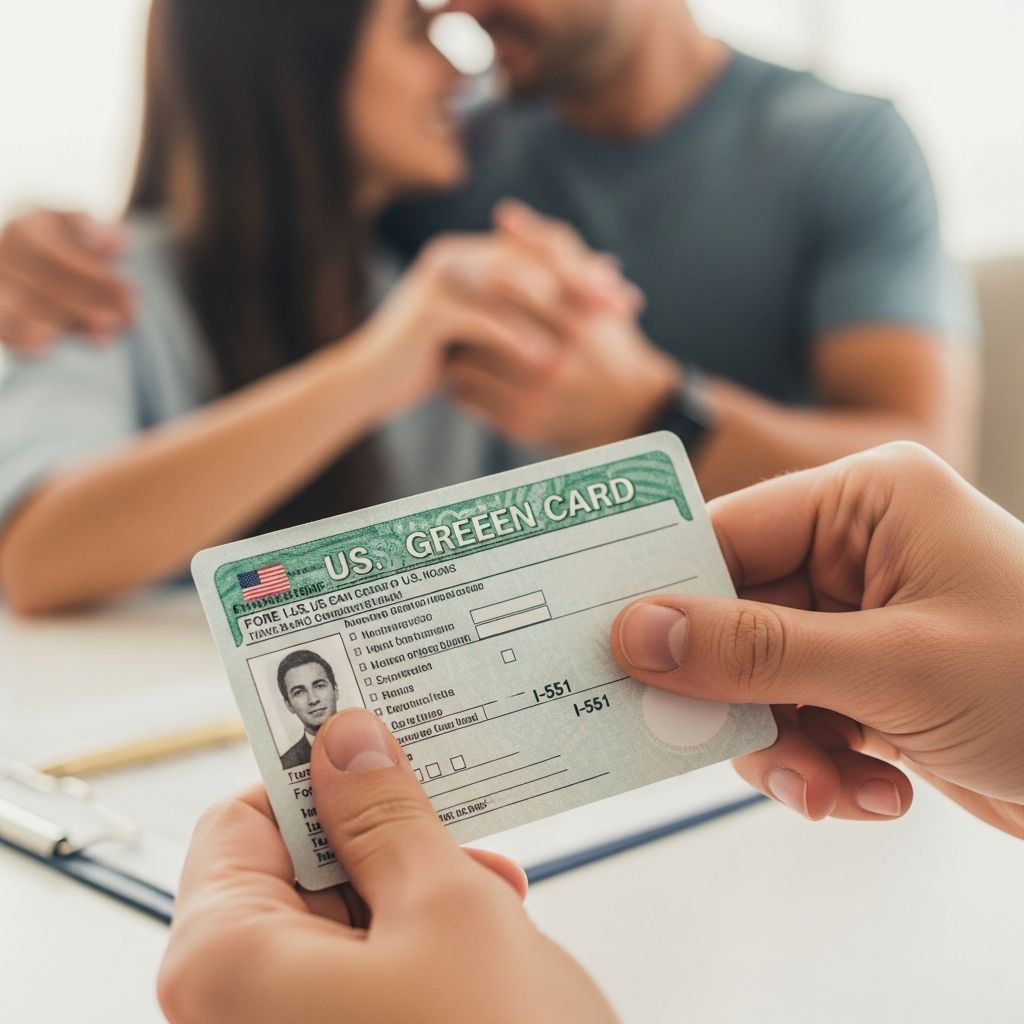
Bringing your fiancé or spouse to live permanently in the United States through marriage-based immigration is a structured process governed by U.S. Citizenship and Immigration Services (USCIS). U.S. citizens can sponsor immediate family members like spouses without visa quotas, ensuring faster processing compared to other categories. This guide outlines eligibility, key forms, financial obligations, procedural paths, and practical advice drawn from official guidelines.
Understanding Eligibility for Sponsorship
To initiate sponsorship, the petitioner must qualify as a U.S. citizen or lawful permanent resident (LPR). Only U.S. citizens can sponsor spouses or fiancés; LPRs are limited to spouses and unmarried children. The sponsor must be at least 18 years old and reside in the U.S. or intend to do so upon the beneficiary’s entry.
- U.S. Citizens Can Sponsor: Spouses (immediate relatives, no wait times), fiancés (via K-1 visa), parents, children, and siblings (with potential visa bulletin waits).
- LPRs Can Sponsor: Only spouses and unmarried children of any age.
- Beneficiary Requirements: Must prove a bona fide relationship through evidence like joint photos, communications, or affidavits from friends and family.
For fiancés, the relationship must be genuine with intent to marry within 90 days of U.S. entry on a K-1 visa. Spouses already in the U.S. can apply for adjustment of status if legally married.
Two Primary Paths: Fiancé K-1 Visa vs. Spousal Sponsorship
Choose the path based on your situation: outside the U.S. (consular processing) or inside (adjustment of status).
| Path | Best For | Key Steps | Timeline |
|---|---|---|---|
| Fiancé (K-1 Visa) | Engaged couples abroad | I-129F petition, visa interview abroad, marry in U.S., then adjust status | 12-18 months total |
| Spouse (CR-1/IR-1) | Married couples abroad | I-130 petition, NVC processing, consular interview | 12-24 months |
| Spouse Adjustment (AOS) | Married in or entered U.S. | I-130 + I-485 concurrent filing | 10-20 months |
The K-1 path allows entry to marry in the U.S. but requires a separate green card application post-marriage. Spousal paths grant green cards upon entry or approval.
Step-by-Step Process for Fiancé Sponsorship (K-1 Visa)
Start with Form I-129F, Petition for Alien Fiancé(e), filed by the U.S. citizen.
- File I-129F: Submit online or by mail with proof of citizenship, relationship evidence (photos, letters, travel records), and fees ($675 as of 2026). Processing takes 6-12 months.
- USCIS Approval and NVC: Case forwards to National Visa Center (NVC), then U.S. embassy. Check Visa Bulletin for availability, though K-1 is non-quota.
- Visa Interview Abroad: Fiancé attends medical exam and interview. Provide DS-160, affidavit of support (I-134, non-binding), and relationship proof.
- Enter U.S. and Marry: Within 90 days. Fiancé gets work authorization later.
- Apply for Green Card: File I-485 adjustment within 90 days of marriage.
Recent 2026 updates include paused processing for certain nationalities, so verify State Department announcements.
Detailed Spousal Sponsorship Process
For married couples, begin with Form I-130, Petition for Alien Relative.
- Determine Location: If spouse is in U.S. (entered legally), file I-130 and I-485 concurrently for faster green card issuance.
- Consular Processing (Abroad): After I-130 approval, NVC assigns case number, requires fees, I-864 Affidavit of Support, and documents. Attend embassy interview.
Spouses of U.S. citizens are immediate relatives with no numerical limits, per INA Section 201. Family preference categories (e.g., LPR spouses) face backlogs shown in monthly Visa Bulletins.
Financial Sponsorship: Meeting Income Requirements
The crux of sponsorship is Form I-864, Affidavit of Support, a binding contract ensuring the immigrant won’t become a public charge.
- Threshold: 125% of Federal Poverty Guidelines (e.g., $32,000+ for household of 2 in 2026; check HHS.gov annually).
- Proof: Tax returns (3 years), W-2s, pay stubs, employer letter. Assets count at 5x shortfall.
- Joint Sponsor: Allowed if primary falls short; must be U.S.-based citizen/LPR meeting full requirements independently.
Failure here causes most denials. Recent public charge rules emphasize self-sufficiency.
Required Documentation Checklist
Gather these for success:
- Petitioner’s: Birth certificate, passport, naturalization certificate or green card copy.
- Relationship: Marriage certificate (spouse), engagement proof (fiancé), joint accounts, affidavits.
- Financial: I-864 with supporting docs.
- Beneficiary: Passport, birth/marriage certificates, police clearances, medical exam (Form I-693).
Organize in tabs for interviews to demonstrate preparedness.
Medical Exams, Interviews, and Final Approval
All applicants undergo a USCIS-approved civil surgeon exam covering vaccinations, TB tests, and health history. Interviews assess relationship authenticity; bring originals and relationship evidence. Conditional green cards (2-year) apply if marriage <2 years at approval; file I-751 to remove conditions later.
Common Challenges and How to Overcome Them
- Delays: Backlogs for preferences; immediate relatives faster.
- Denials: Insufficient evidence or income; refile or appeal with lawyer.
- 2026 Changes: Stricter checks, processing pauses for 75 countries starting Jan 21.
- Illegal Entry: Bars apply; waivers needed for spouses.
Consult USCIS processing times tool regularly.
Costs Breakdown
| Form/Step | Fee (2026 Est.) |
|---|---|
| I-129F (K-1) | $675 |
| I-130 | $535 |
| I-485 AOS | $1,440 (incl. biometrics) |
| I-864 Fee | $120 |
| Medical/Other | $500+ |
Total: $2,000-$5,000+ excluding travel/attorney fees.
Special Situations: Abuse Victims and More
VAWA self-petitioners (abused by citizen/LPR spouse) can apply without sponsor knowledge. U visa holders for crime victims may adjust after 3 years.
Frequently Asked Questions (FAQs)
Q: Can green card holders sponsor fiancés?
A: No, only spouses and unmarried children. Fiancé sponsorship requires U.S. citizenship.
Q: What’s the 2026 Visa Bulletin impact?
A: Immediate relatives (spouses of citizens) exempt; others check monthly for priority dates.
Q: How to prove a bona fide marriage?
A: Use joint leases, bank statements, photos, and sworn statements from witnesses.
Q: Can I work on K-1 visa?
A: No, apply for work authorization after marriage via I-765 with AOS.
Q: What if income is low?
A: Use joint sponsor or household members’ income/assets.
Q: Processing suspended for some countries?
A: Yes, 75 countries affected from Jan 21, 2026; check State Dept.
This guide equips you for successful sponsorship. For complex cases, seek immigration counsel. Processes evolve; verify USCIS.gov.
References
- Steps to Sponsor Someone for a Green Card — Immigration Vision. 2025. https://immigrationvision.com/how-to-sponsor-someone-for-a-green-card/
- The Green Card, Explained — Boundless Immigration. 2025. https://www.boundless.com/immigration-resources/the-green-card-explained
- Visa Bulletin for January 2026 — U.S. Department of State. 2026-01-01. https://travel.state.gov/content/travel/en/legal/visa-law0/visa-bulletin/2026/visa-bulletin-for-january-2026.html
- New Green Card Rules 2026 — JGM Immigration. 2025. https://jgmimmigration.com/new-green-card-rules-2025/
- US to Suspend Green Card Processing — CitizenPath. 2026-01-17. https://citizenpath.com/visa-processing-suspended-75-countries/
Similar Articles








Read full bio of Sneha Tete


