
Defensive Driveway Devices: Legal Risks & Alternatives
Understanding the legal consequences of installing spike strips on residential property.
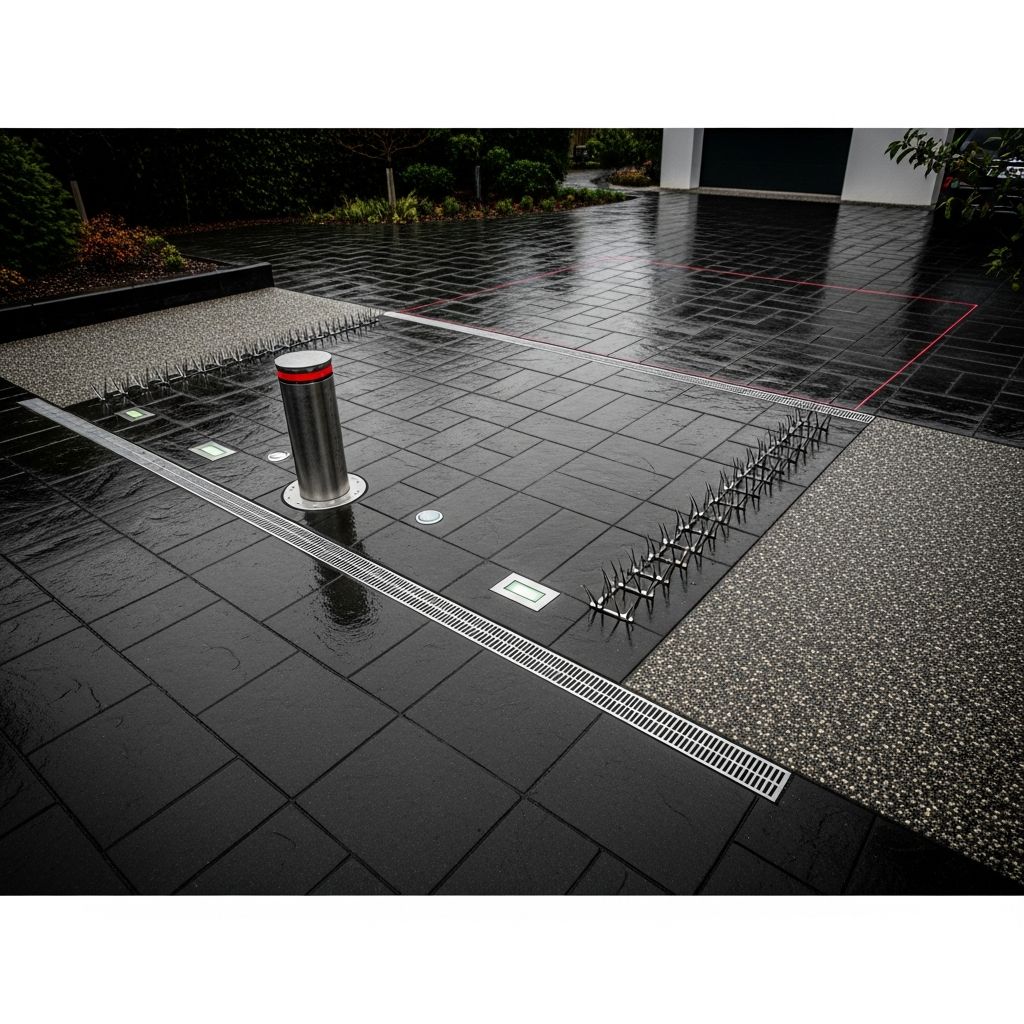
When property owners face repeated unauthorized vehicle access or trespassing issues, the temptation to install deterrent devices can be strong. Among the most severe options considered is the installation of spike strips on driveways. While these devices might seem like an effective solution to prevent unwanted vehicular access, they present substantial legal complications that property owners must understand before taking action. This comprehensive guide explores the intersection of property rights, criminal law, and civil liability surrounding such installations.
The Core Legal Problem: Why Property Owners Cannot Install Spike Strips
Installing spike strips on your driveway transforms your property into what the law terms a “booby trap” or spring gun device. The distinction matters significantly because property rights, though extensive, have critical limitations. You cannot legally convert your land into a mechanism designed to cause harm, damage, or injury to persons or vehicles, regardless of whether those persons have permission to enter your property.
The primary legal issue stems from the indiscriminate nature of spike devices. Unlike a locked gate or fence that prevents access without causing damage, spike strips function by damaging any vehicle that crosses them. This creates liability exposure across multiple legal frameworks simultaneously.
Criminal Liability and Booby Trap Statutes
Most jurisdictions have specific criminal statutes prohibiting the creation of booby traps or spring guns designed to injure persons or damage property. These laws exist because they protect public safety by preventing property owners from taking defense into their own hands through mechanisms that operate independently of reasonable judgment or proportionate response.
Installing spike strips can expose you to charges including:
- Installing a booby trap or spring gun device
- Reckless endangerment
- Creating a public nuisance
- Assault or battery (if injury results)
- Aggravated assault (depending on injuries sustained)
The critical element in booby trap prosecutions is that the device operates automatically, without any opportunity for the property owner to assess the situation or respond proportionately. A spike strip meets this definition precisely because it activates regardless of the circumstances, the identity of the person operating the vehicle, or whether the violation was intentional or accidental.
Civil Tort Exposure and Damage Awards
Beyond criminal charges, property owners who install spike strips face substantial civil liability. When a vehicle encounters spikes and sustains damage, or when occupants are injured, the affected parties can bring tort claims against the property owner. These claims typically include:
- Property damage claims: Vehicle owners can recover the full cost of tire replacement, rim damage, suspension damage, and other automotive harm
- Personal injury claims: Medical expenses, lost wages, pain and suffering, and permanent disability claims
- Punitive damages: Courts may award additional damages beyond actual harm when the property owner’s conduct was particularly reckless or intentional
- Attorneys’ fees: In some jurisdictions, prevailing plaintiffs recover legal costs
The indiscriminate nature of spike strips makes the liability exposure particularly severe. A guest of your neighbor, an emergency responder, a delivery driver, or someone who made a navigation error could all sustain damage. Each incident creates a separate lawsuit with associated costs and damages.
The Liability Problem When Innocents Suffer Consequences
One of the most troubling aspects of spike strip installation involves unintended victims. Consider scenarios where someone uses your driveway unknowingly or by accident:
- A family member of the actual trespasser uses the driveway
- An emergency vehicle requires driveway access during a crisis
- A service provider (postal worker, utility technician) misjudges property boundaries
- A child operates the vehicle
- Someone flees a dangerous situation and inadvertently crosses your property
In each scenario, your spike strips would cause damage to innocent parties. This transforms a property dispute into a personal injury case with potentially devastating consequences. A court is unlikely to view the installation sympathetically when innocent persons suffer harm, and such cases frequently result in large damage awards.
Shared Driveways and Easement Rights Create Additional Complications
When driveway access issues involve shared driveways or recorded easements (common in properties where neighbors share infrastructure), the legal situation becomes even more constrained. An easement is a legal right that permits another party to use a portion of your property for a specific purpose, typically access. This right is recorded in property records and binds successive property owners.
If your neighbor or their predecessors hold an easement over your driveway, installing spike strips that impede that easement violates their legal rights. You cannot unilaterally block or obstruct an easement holder’s lawful use, and attempting to do so through booby traps exposes you to injunctive relief (court orders forcing you to remove the spikes) plus damages for interfering with their property rights.
Even if someone is technically trespassing beyond the scope of their easement, spike strips remain an illegal and disproportionate response. The law requires that you pursue legal remedies through court rather than self-help measures.
Practical Consequences: Financial and Relational Damage
Beyond the formal legal framework, spike strip installation creates practical problems that extend beyond courtroom disputes. Installing such devices effectively declares hostility toward neighbors, escalates existing tensions, and eliminates any possibility of negotiated resolution. In many cases, people who live near each other must coexist for years or decades. A spike strip transforms a manageable property dispute into a permanent relationship fracture with ongoing legal consequences.
Additionally, the cost of defending yourself against criminal charges, civil lawsuits, and potential injunction proceedings typically far exceeds the value of the property dispute itself. A single lawsuit can cost $10,000 to $50,000 in legal fees, before any judgment or settlement amounts. Multiple claims could result in six-figure legal exposure.
Effective and Legal Alternatives for Driveway Security
Fortunately, numerous lawful methods exist for protecting your property and discouraging unauthorized vehicular access. These approaches provide security without the criminal and civil liability that spike strips create.
Physical Barriers That Stop Access Without Damage
Installing permanent or removable bollards, posts, or barriers prevents vehicle access without damaging innocent parties’ vehicles. Unlike spike strips, these devices:
- Provide clear visual warning of an obstruction
- Do not damage vehicles that encounter them
- Can be selectively removed to permit authorized access
- Create no booby trap liability
Removable bollard systems can be installed relatively quickly and provide flexibility for emergency access when needed. The initial investment is modest compared to potential lawsuit costs.
Retractable and Controlled Access Systems
Modern retractable spike systems, when properly installed and clearly marked, provide controlled access that permits legitimate users while denying unauthorized entry. The critical distinction is that these systems are operator-controlled rather than automatic. The property owner or authorized person decides when spikes are active, eliminating the booby trap problem. However, implementation requires clear signage, proper installation, and consideration of local regulations.
Perimeter Fencing and Gates
While potentially more expensive initially, permanent fencing with locked gates provides long-term security and sends a clear message that the property is private. Fencing:
- Creates a visible boundary
- Provides no liability if someone damages their vehicle on a gate they chose to force
- Can incorporate decorative elements that improve property appearance
- Increases overall property value in many markets
Legal Action and Documentation
When facing persistent trespassing or easement violations, legal remedies exist:
- Cease and desist letters: An attorney-drafted formal notice often persuades neighbors to respect boundaries
- Police reports: Documenting trespassing incidents creates a record useful for legal proceedings
- Injunctive relief: Courts can issue orders prohibiting specific conduct
- Property surveys: Clarifying exact boundaries often resolves misunderstandings
- Mediation: Neutral third parties can facilitate resolution without litigation expense
Signage and Lighting
Clear signage indicating “Private Property,” “No Trespassing,” and “Driveway Access Restricted” combined with adequate lighting deters many trespassers and demonstrates your intent to protect the property. This documentation also strengthens your position if legal action becomes necessary.
Understanding Proportionality in Property Defense
The law recognizes property rights as important but not absolute. Self-defense rights exist on a spectrum where the response must be proportional to the threat. Spike strips represent a disproportionate response to unauthorized vehicle access because they:
- Cause permanent damage to property
- Create risk of serious injury
- Operate without human judgment or discretion
- Affect all persons equally regardless of culpability
- Cannot distinguish between intentional trespassers and innocent parties
Courts consistently hold that proportionality matters. A response that causes serious harm to address a minor infringement will not be protected, and the property owner becomes the wrongdoer rather than the injured party.
Frequently Asked Questions
Q: Is it legal to own spike strips if I never actually install them?
A: Merely owning spike strips is unlikely to result in criminal charges, but possessing them with intent to install them on your property could support charges of conspiracy or preparation for committing a booby trap offense. The safer position is to avoid owning devices specifically designed for this illegal purpose.
Q: What if I only use spike strips temporarily when I know intruders will come?
A: Temporary installation does not eliminate the booby trap problem. Intentionally creating a device designed to damage vehicles or injure persons is illegal regardless of duration. Additionally, temporary installation suggests premeditation, which strengthens criminal charges.
Q: Could I install spike strips if I post a clear warning sign?
A: Signage does not cure the illegality of booby traps in most jurisdictions. A warning sign might reduce damages in a civil case but does not prevent criminal prosecution. Additionally, many courts find that reasonable persons would not believe a private property sign permits creating dangerous devices.
Q: What if the trespasser is clearly damaging my property intentionally?
A: Even when facing intentional property damage from a trespasser, spike strips remain illegal. Instead, document the damage with photographs, file police reports, obtain a court restraining order, or pursue civil damages against the trespasser. These legal remedies address the actual wrongdoing without exposing you to criminal liability.
Q: Are retractable spike strips ever legal?
A: Retractable systems that are operator-controlled present fewer legal issues than automatic spikes because they are not true booby traps. However, they must be clearly marked, properly maintained, and comply with local regulations. Consult local counsel before installation, as regulations vary significantly by jurisdiction.
Q: What should I do if my neighbor is using my driveway without permission?
A: First, determine whether they have a legal right (easement or license) documented in property records. If they are genuinely trespassing, begin with written notice, documentation of incidents, and consultation with a property attorney who can assess your specific situation and advise on appropriate legal remedies.
Conclusion: Protecting Property Within Legal Boundaries
Property owners have legitimate interests in protecting their land from unauthorized access and trespass. However, spike strips represent a legally indefensible approach that transforms property owners into criminals. The criminal liability, civil lawsuit exposure, and practical relationship damage make spike strips an irrational choice when numerous legal alternatives exist.
Effective property protection combines physical barriers that clearly communicate boundaries, legal documentation of rights and violations, and when necessary, professional legal action. These approaches protect your interests while keeping you within the legal framework that society establishes for property rights. Consulting with a local attorney before taking defensive action ensures you pursue remedies that solve your immediate problem without creating larger legal crises.
References
- What are the Ethical and Legal Implications for Spike Strips? — SACS Doors. Accessed January 18, 2026. https://www.sacsdoors.com/what-are-the-ethical-and-legal-implications-for-spike-strips/
- Is it illegal to own and use spike strips on your personal property? — Avvo Legal Answers. Accessed January 18, 2026. https://www.avvo.com/legal-answers/is-it-illegal-to-own-and-use-spike-strips-on-your–3148123.html
- Restatement (Second) of Torts § 906 — American Law Institute. Accessed January 18, 2026. https://www.ali.org/
- Model Penal Code § 211.2 (Recklessly Endangering Another Person) — American Law Institute. Accessed January 18, 2026. https://www.ali.org/
- Criminal Defense Guide: Booby Traps and Spring Guns — LawInfo Resources. Accessed January 18, 2026. https://www.lawinfo.com/
Similar Articles








Read full bio of medha deb


