
Speeding Ticket: Contest Or Settle, Expert Steps To Decide
Decide whether to challenge your speeding ticket in court or pay the fine—explore strategies, risks, and expert tips for the best outcome.
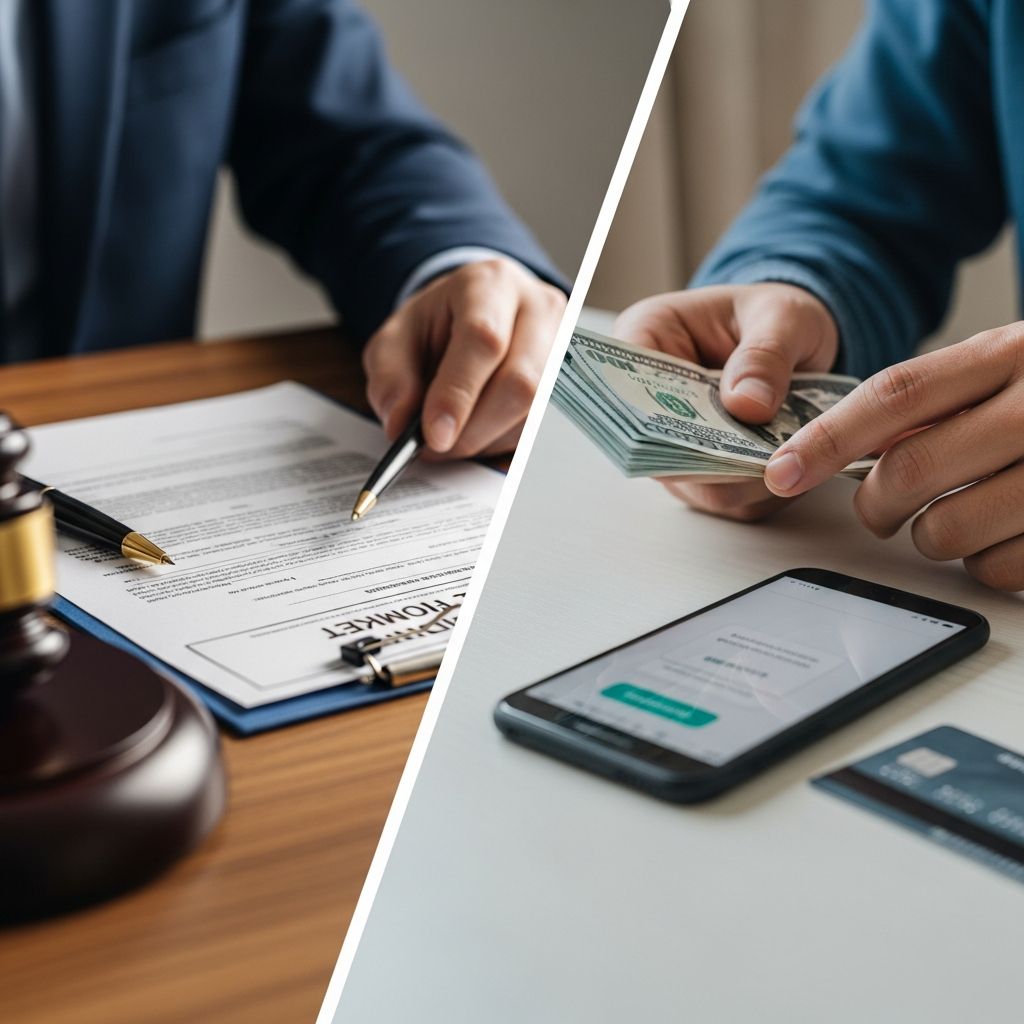
Receiving a speeding ticket presents drivers with a critical choice: pay the fine and accept the consequences or mount a defense to potentially dismiss or reduce it. This decision hinges on factors like the ticket’s details, your driving history, potential insurance hikes, and the strength of available evidence. Understanding both paths empowers you to minimize long-term repercussions on your record and finances.
Understanding the Immediate and Long-Term Impacts of a Speeding Ticket
A speeding ticket typically adds points to your driving record, escalates insurance premiums by 20-30% on average, and carries fines ranging from $150 to over $500 depending on jurisdiction and speed exceeded. In states like California, violations under codes such as Vehicle Code 22350—the Basic Speed Law—prohibit driving faster than conditions warrant, even below posted limits. Accumulating points risks license suspension, especially with multiple infractions.
- Fines and Fees: Base penalties plus court assessments can double the initial amount.
- Insurance Consequences: Rates may surge for 3-5 years; safe drivers see smaller hikes.
- License Risks: 4 points in 12 months often triggers hearings or suspensions.
- Employment Effects: Commercial drivers face disqualification under FMCSA rules.
Paying without contest admits guilt, locking in these effects. Contesting offers dismissal chances if evidence falters or procedural errors exist.
Key Factors to Weigh Before Deciding
Evaluate your situation systematically. A clean record favors fighting minor tickets, while repeat offenses may warrant negotiation over trial. Consider time investment—court appearances demand scheduling—and location; distant courts complicate self-representation.
| Factor | Pay the Fine | Fight It |
|---|---|---|
| Clean Record | Quick resolution, but points added | High dismissal chance |
| Poor Record | Avoids more points | Risk of harsher penalties |
| Ticket Errors | Misses easy wins | Strong leverage |
| Time Availability | Minimal effort | Multiple court dates possible |
High credibility sources like California Courts emphasize responding within deadlines—often 15-30 days—to preserve contest rights.
Option 1: Paying the Fine—When It’s the Smartest Move
Opting to pay suits low-stakes cases or busy schedules. Submit payment by the due date listed on the citation, often online or by mail. This closes the matter swiftly but registers the violation.
- Convenience: No court time required.
- Cost Predictability: Fixed fine, though assessments add up.
- Best For: Minor exceedances (<10 mph over) with no priors.
However, explore traffic school eligibility post-payment in many states to mask the ticket from insurers. California allows this for eligible drivers, preventing point accrual if completed timely. Weigh if the fine’s burden outweighs defense prep.
Option 2: Building a Case to Contest Your Ticket
Fighting demands preparation but yields rewards like dismissal or reductions to non-moving violations (no points). Start by scrutinizing the ticket for inaccuracies: wrong vehicle make, license plate, date, or officer signature. These alone can void it.
Common Defenses That Work
- Equipment Faults: Radar/LIDAR needs recent calibration; request logs to challenge readings.
- Officer Absence: Prosecutors may drop if the citing officer skips trial.
- Necessity: Prove speeding averted greater harm, like avoiding a crash.
- Signage Issues: Obscured or missing speed limits undermine charges.
Gather evidence proactively: dashcam videos, witness affidavits, photos of the scene, and speed gun certification records. A strong case often sways judges without attorney involvement.
Court Procedures: From Declaration to Trial
Most jurisdictions offer flexible contest methods. Respond ‘not guilty’ by deadline via mail, online, or in-person at traffic court.
- Trial by Written Declaration: Submit a sworn statement with evidence; officer responds similarly. Ideal for out-of-area drivers—win dismisses ticket; lose allows in-person retrial.
- Court Appearance: Plead not guilty, negotiate plea deals, or proceed to trial. Cross-examine the officer on methods used.
- Attorney Proxy: Lawyers handle appearances in many counties, negotiating reductions.
California Courts detail appeal processes if rulings disfavor: file Notice of Appeal (CR-142) within 30 days, no fee.
Role of Professional Legal Help in Traffic Cases
Hiring a traffic attorney boosts success rates, especially for complex cases. They dissect officer reports, subpoena records, and leverage plea bargains for infractions without points. Firms like those specializing in Southern California handle court for clients, saving time.
- Pros: Expertise, higher win rates (up to 80% in some reports), proxy appearances.
- Cons: Fees ($100-500+), though often offset by savings.
- When to Hire: Multiple tickets, commercial licenses, or LIDAR disputes.
Self-representation succeeds with organization: present logically, stay calm, and focus on evidence gaps.
Potential Outcomes and Negotiation Strategies
Courts prioritize efficiency, favoring deals. Prosecutors may drop to ‘defective equipment’ citations or traffic school. Prepare alternatives:
- Request point-free violations.
- Seek fine reductions via proven need (e.g., financial hardship).
- Propose community service over cash.
Success metrics: 20-50% dismissals via officer no-shows or errors; reductions common otherwise.
Preventing Future Tickets and Maintaining a Clean Record
Beyond resolution, adopt habits: obey limits, use cruise control, watch for traps. Enroll in defensive driving courses preemptively—many insurers discount premiums. Track points via DMV portals.
For repeat risks, audit records yearly. Safe driving post-resolution rebuilds insurer trust within 3 years.
Frequently Asked Questions (FAQs)
Q: How soon must I respond to a speeding ticket?
A: Typically 15-30 days from issuance; check citation for exact deadline to avoid default judgment.
Q: Can I fight a ticket without appearing in court?
A: Yes, via trial by written declaration in places like California—submit evidence remotely.
Q: Will a lawyer appear for me?
A: In many counties, yes, allowing you to skip while they negotiate or defend.
Q: Does traffic school erase points?
A: Often yes, for eligible first offenses, keeping it off insurance records.
Q: What if I lose my first trial?
A: Request retrial or appeal within 30 days using form CR-142.
Q: How much do speeding tickets affect insurance?
A: 20-30% hikes common for 3-5 years; shop rates post-resolution.
This comprehensive guide equips you to choose wisely, potentially saving hundreds and safeguarding your driving privileges.
References
- Should You Fight a Speeding Ticket in California? Here’s What You … — Southwest Legal. 2023-2024. https://southwestlegal.com/fight-a-speeding-ticket-in-california/
- How To Beat A Speeding Ticket Lawyer In Santa Clara — East Bay Law Practice. 2023-2024. https://eastbaylawpractice.com/california/santa-clara-county/santa-clara/criminal-defense-santa-clara/how-to-beat-a-speeding-ticket/
- Speeding Tickets – Traffic Ticket Lawyer California — Ticket Clinic. 2023-2024. https://ticketclinic.com/services/speeding-ticket-lawyer/
- Six Ways to Resolve a California Traffic Ticket — Ticket Crushers Law. 2023-2024. https://www.ticketcrusherslaw.com/traffic-ticket/resolving-traffic-ticket/
- Fighting a Speeding Ticket: A Step-by-Step Guide — Super Lawyers. 2023-2024. https://www.superlawyers.com/resources/traffic-violations/fighting-a-speeding-ticket-a-step-by-step-guide/
- Appeal a traffic ticket decision — California Courts Self Help Guide. 2025-01-01. https://selfhelp.courts.ca.gov/traffic/appeal
Similar Articles








Read full bio of medha deb


