
Speed Traps Exposed: Legality and Driver Rights
Uncover the truth about speed traps: their purpose, legality across states, enforcement tactics, and proven strategies to challenge tickets effectively.
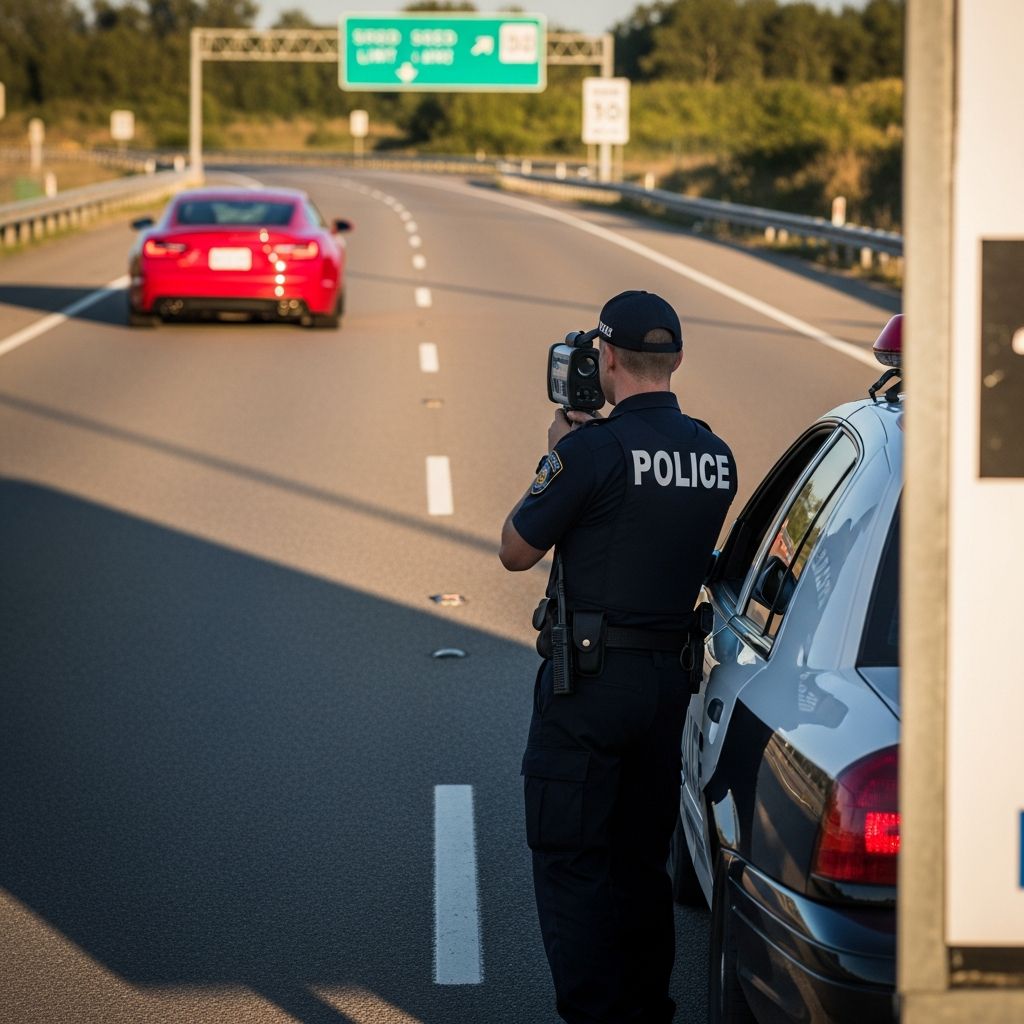
Speed traps represent a contentious aspect of traffic enforcement, often sparking debates among drivers about fairness, safety, and local revenue. These setups involve police monitoring areas prone to speeding, using tools like radar to issue citations. While frustrating for motorists, they aim to promote road safety in high-risk zones. This article delves into their mechanics, legal standing, regional variations, and practical advice for contesting tickets.
Defining the Modern Speed Trap
A
speed trap
typically describes a location where law enforcement intensifies speed monitoring, often in spots with abrupt speed limit reductions or hidden vantage points. Unlike casual perceptions of officers lurking behind signs, these areas prioritize enforcement where speeding poses genuine hazards, such as congested merges or accident hotspots.Historically, the term originated from early 20th-century pneumatic tubes laid across roads to measure vehicle speed over short distances, dubbing the setup a ‘trap.’ Today, it encompasses any focused enforcement prioritizing revenue over safety, especially when limits drop below natural traffic flow. For instance, a highway transitioning from 65 mph to 35 mph through a small town exemplifies this, catching drivers slow to adjust.
- Common traits: Hidden police positions, radar/lidar use, sudden speed drops.
- Primary goal: Deter speeding in dangerous areas, though revenue generation is debated.
- Distinction from routine patrols: Intensity and location focus on compliance lapses.
The Legality of Speed Trap Operations
Speed traps are broadly legal across the United States, provided they adhere to jurisdictional rules and do not create hazards. No federal law bans them, leaving regulation to states and localities. Officers must position within their authority, use calibrated devices, and avoid entrapment-like inducements.
Entrapment requires active encouragement of crime, such as challenging a driver to race, which rarely occurs in speed enforcement. Courts consistently rule that concealed monitoring of existing violations does not qualify. However, some states impose restrictions: California prohibits revenue-motivated traps under Vehicle Code Section 40801, demanding evidence of safety concerns. Virginia lacks a statutory definition but permits traps in high-risk Fairfax County areas like speed transitions.
| State Example | Key Restriction | Source Insight |
|---|---|---|
| California | No revenue focus; safety justification required | Vehicle Code 40801 |
| Virginia | Jurisdictional limits; no hazard creation | Fairfax enforcement norms |
| Arizona | Sudden drops scrutinized; fines start at $146 for 1 mph over | Patagonia cases |
Challenges arise when traps exploit municipal boundaries, dropping limits abruptly for ticket revenue, prompting bans in some areas. Meta-analyses indicate automated systems reduce injuries, bolstering their defensive legitimacy.
Prime Locations for Speed Enforcement Hotspots
Enforcement thrives where human error peaks: highway exits, hills, curves, and limit changes. In Caroline County, Virginia, spots like US 64 West see premature acceleration before 70 mph zones, with officers allowing 50-100 feet post-sign before citing. Fairfax features traps at 55-to-35 mph shifts, merges, and holiday surges.
Small towns along interstates epitomize classics, reducing speeds sharply to fund budgets. Patagonia, Arizona, hides patrols behind trees on Highway 82, nabbing entrants from 55 to 30 mph. Drivers must vigilantly scan signs, as compliance begins upon entry into new zones.
- High-risk spots: Downhill runs, bends, post-merge interstates.
- Temporal peaks: Holidays, events, heavy traffic.
- Local knowledge: Residents flag known areas via forums or apps.
Technologies Powering Speed Detection
Modern tools ensure precision.
Radar guns
emit radio waves, calculating speed via Doppler shift;lidar
uses laser pulses for pinpoint accuracy on single vehicles. Devices calibrate pre- and post-use, maintaining legal standards.Pacing involves tailing suspects, matching speedometer readings over distance—less precise but court-accepted if sustained. Visual estimation suffices when passers clearly exceed limits, verified by pursuit. Road-embedded sensors or pneumatic tubes, speed trap forebears, now yield to cameras with plate recognition.
In dense traffic, defenses claim radar hit adjacent cars, though focus training minimizes errors.
Challenging a Speed Trap Citation
Fighting tickets demands strategy. First, scrutinize the officer’s position: Out-of-jurisdiction voids citations. Contest device calibration logs, absent in many cases. Pacing inaccuracies surface in cross-examination, especially short follows.
Sign visibility or lighting flaws undermine ‘failure to adjust’ claims. Discovery requests reveal maintenance records; experts debunk radar myths like beam spread. Plead not guilty, request hearings, and consider traffic attorneys for dismissals or reductions.
- Gather evidence: Photos of site, signage.
- Question methodology: Radar target, pacing duration.
- Highlight equities: Clean record, necessity.
Driver Strategies to Avoid and Mitigate Risks
Prevention trumps cure. Use apps like Waze for crowd-sourced alerts. Maintain buffers in transition zones: Brake early at signs. Cruise control enforces discipline; groups traveling together draw less scrutiny.
Courtesy pays: Polite interactions may yield warnings. Post-ticket, compare demerit impacts versus fines—points escalate insurance.
Frequently Asked Questions (FAQs)
What qualifies as a speed trap?
Areas with intense, often concealed enforcement, especially at speed drops, focusing on revenue or safety.
Are speed traps illegal anywhere?
Legal nationwide if procedurally sound; states like California restrict revenue motives.
Can radar errors be proven in court?
Yes, via calibration absence, multi-car interference, or improper targeting.
Is pacing reliable for tickets?
Accepted if over sufficient distance, though contestable for brevity.
How far past a sign before speeding is okay?
Officers typically allow 50-100 feet, but responsibility starts at the sign.
Broader Impacts on Road Safety and Policy
Beyond tickets, traps correlate with fewer crashes in monitored zones. Critics argue artificial limits induce hazards by bunching traffic. Advocacy groups push rational speeds matching flow. Future tech like automated vehicles may render traps obsolete, prioritizing data-driven limits.
States experiment with 85th percentile rules, setting limits at 85% of free-flow speeds for natural compliance. Until then, awareness empowers drivers.
References
- Speed Traps in Fairfax | VA Speeding Ticket Defense — Virginia Criminal Lawyer. Accessed 2026. https://www.virginia-criminallawyer.com/fairfax-criminal/traffic-lawyer/speeding-ticket/traps/
- Speed limit enforcement – Wikipedia — Wikipedia. Accessed 2026. https://en.wikipedia.org/wiki/Speed_limit_enforcement
- What Is A Speed Trap? – National Motorists Association — National Motorists Association. Accessed 2026. https://ww2.motorists.org/issues/speed-traps/definition/
- Are Speed Traps Legal? How Do I Fight a Speed Trap Ticket? – Nolo — Nolo. Accessed 2026. https://www.nolo.com/legal-encyclopedia/are-speed-traps-legal-how-do-i-fight-a-speed-trap-ticket.html
- Speed Trap Examples in Caroline County | Posted Speed Limits — Virginia Criminal Lawyer Now. Accessed 2026. https://virginiacriminallawyernow.com/caroline-county-criminal/traffic-lawyer/speed-trap-examples/
- ARE SPEED TRAPS ENTRAPMENT? – Traffic Ticket Attorney — Traffic Ticket Team. Accessed 2026. https://www.trafficticketteam.com/speeding-ticket/are-speed-traps-entrapment/
Similar Articles








Read full bio of Sneha Tete


