
South Carolina Motor Vehicle Accident Legal Framework
Navigate South Carolina's fault-based accident laws, insurance requirements, and filing deadlines.
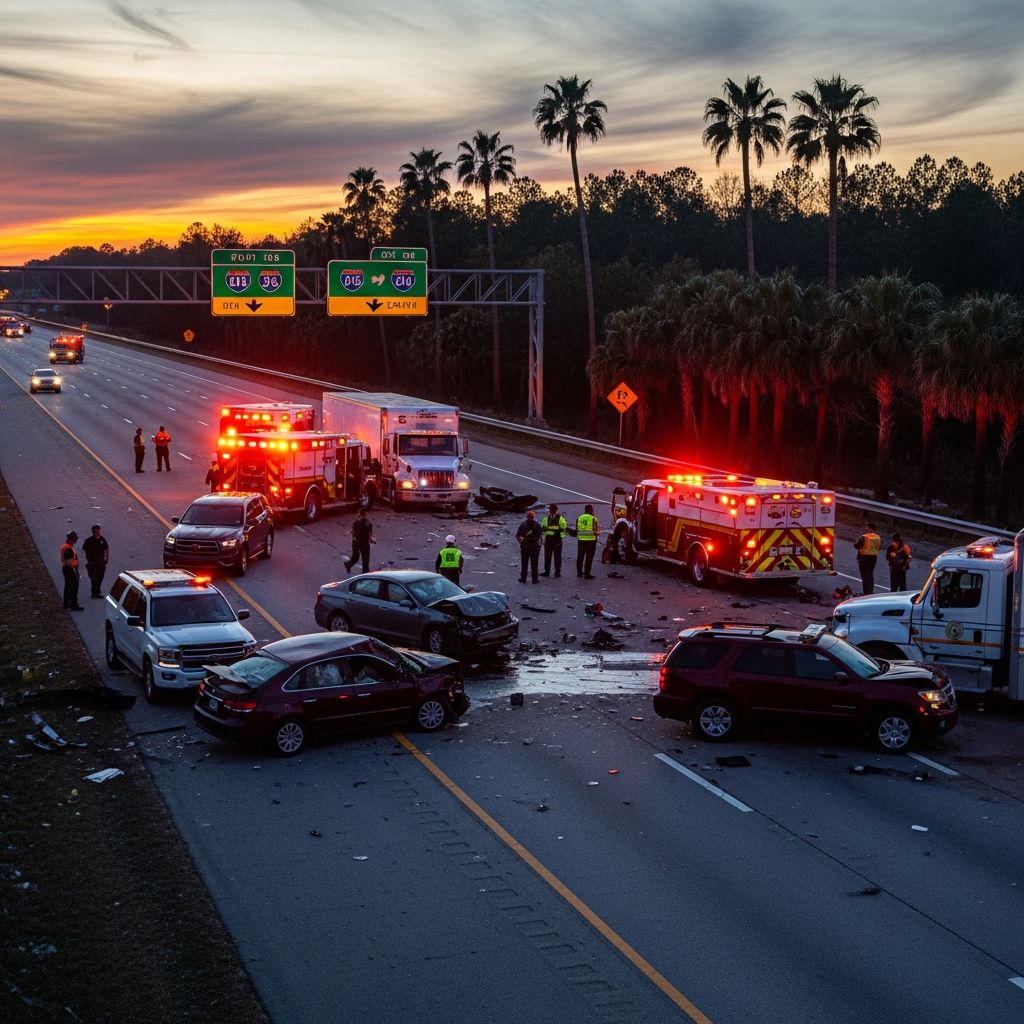
Understanding South Carolina’s Fault-Based Motor Vehicle Accident System
When a motor vehicle accident occurs in South Carolina, the legal framework that governs responsibility and compensation follows a fault-based model rather than a no-fault system. This means that the party whose negligence caused the accident bears financial responsibility for the resulting damages. South Carolina has adopted what is known as a modified comparative negligence system, which allows injured parties to recover compensation even if they share partial responsibility for the accident, provided their level of fault does not exceed a specific threshold.
Under this system, any person harmed in a collision—whether they are a driver, passenger, motorcyclist, bicyclist, pedestrian, or electric scooter rider—can pursue a claim directly against the insurance policy of the at-fault driver. This direct approach distinguishes South Carolina from no-fault states where individuals must first file claims with their own insurance regardless of who caused the accident.
The Comparative Negligence Standard and Recovery Limitations
South Carolina’s modified comparative negligence rule establishes that individuals involved in an accident can recover damages as long as they are found to be less than 51 percent at fault for the collision. This threshold is critical because it determines whether an injured party maintains the right to pursue compensation or forfeits that right entirely.
When the court or insurer calculates fault percentages, the compensation awarded is proportionally reduced by the plaintiff’s degree of responsibility. For example, if a plaintiff is determined to be 30 percent at fault and the defendant is 70 percent at fault, the plaintiff’s total damages would be reduced by 30 percent. This proportional reduction ensures that financial recovery reflects each party’s contribution to the accident.
However, if an individual is found to be 51 percent or more at fault, they are completely barred from recovering any compensation. This provision incentivizes careful assessment of liability and encourages honest reporting of accident circumstances.
Elements Required to Establish Negligence
To successfully pursue a claim in South Carolina, a plaintiff must establish four essential elements of negligence:
- Duty of Care: The defendant must have owed the plaintiff a legal duty to act safely and responsibly. All drivers on public roads have this duty toward other road users.
- Breach of Duty: The defendant must have violated that duty through conduct that falls below the standard a reasonably prudent person would exercise under similar circumstances.
- Causation: The defendant’s breach must be the direct cause of the accident and the plaintiff’s resulting injuries or property damage.
- Damages: The plaintiff must have suffered measurable harm, including medical expenses, lost wages, property repairs, or other quantifiable losses.
Mandatory Insurance Coverage Requirements
South Carolina law requires all vehicle owners to maintain liability insurance and uninsured motorist coverage. These requirements ensure that injured parties have a source of compensation when accidents occur. The state establishes minimum coverage amounts that must be carried by all drivers:
- $25,000 per person for bodily injury or death in a single accident
- $50,000 total for all persons injured in a single accident
- $25,000 for property damage in a single accident
These minimums apply to liability policies, which cover injuries and property damage that the insured driver causes to others. Uninsured motorist coverage protects the insured driver if struck by an uninsured or underinsured motorist.
Verification of insurance coverage is a critical component of the accident response process. When law enforcement investigates an accident involving property damage of $400 or more or any bodily injury or death, the investigating officer must request written proof of liability insurance from the involved parties.
Accident Reporting Obligations and Procedures
South Carolina imposes strict accident reporting requirements designed to create an official record and facilitate insurance and legal proceedings. Understanding these obligations is essential for all drivers involved in collisions.
When Reporting Is Mandatory
Drivers must report accidents to authorities immediately—by the quickest means of communication available—if the collision results in injury, death, or property damage. Additionally, accidents causing property damage of $1,000 or more require reporting to the South Carolina Department of Motor Vehicles.
Reporting Timeline and Methods
If law enforcement does not investigate the accident at the scene, the driver or vehicle owner is required to file a Traffic Collision Report form (FR-309) with the South Carolina Department of Motor Vehicles within 15 days of the collision. This self-reporting requirement applies to accidents involving injury, death, or apparent property damage exceeding $1,000. Failure to comply with this reporting obligation can result in suspension of driving privileges and create complications with insurance claims.
Consequences of Non-Compliance
Non-compliance with accident reporting requirements carries serious consequences. The South Carolina Department of Motor Vehicles may suspend the driver’s license and all vehicle registrations within 60 days of receiving a report of an accident that resulted in bodily injury, death, or property damage of $200 or more. Additionally, leaving the scene of an accident without providing required information constitutes a criminal offense that can result in arrest and prosecution.
The Three-Year Timeline for Legal Action
South Carolina establishes a strict deadline for filing lawsuits related to motor vehicle accidents. According to South Carolina Code section 15-3-530, the statute of limitations is three years from the date of the accident for any claim arising from the collision, including personal injury claims, property damage claims, and wrongful death actions.
This three-year window applies regardless of whether the plaintiff is seeking compensation for medical bills, lost income, vehicle repairs, pain and suffering, or funeral expenses in wrongful death cases. Once this deadline passes, the right to pursue a civil lawsuit is permanently forfeited. Injured parties cannot file suit after the three-year period, even if they later discover previously unknown injuries.
It is important to note that this deadline does not prevent insurance settlement negotiations or claims from occurring outside of court. However, any formal litigation must commence within the three-year period to preserve legal rights.
Insurance Claim vs. Lawsuit: Understanding the Options
When an accident occurs, injured parties have two primary avenues for seeking compensation: filing an insurance claim or filing a lawsuit.
Insurance Claim Process
The most expeditious approach typically involves filing a claim with the at-fault driver’s liability insurance company. This process avoids the complexity and expense of litigation. The at-fault driver’s insurer is obligated to investigate the claim and offer settlement within reasonable timeframes. Settlement negotiations through insurance can often resolve disputes within weeks or months rather than the years a lawsuit might require.
Civil Litigation Option
If the at-fault driver’s insurance coverage is insufficient to cover all damages or if the insurer disputes liability, the injured party can file a civil lawsuit seeking additional compensation. The plaintiff would pursue a judgment against the at-fault driver directly. If the plaintiff is successful and obtains a judgment exceeding the defendant’s insurance policy limits, the judgment creditor can pursue garnishment or other collection methods against the defendant’s personal assets.
Special Circumstances and Exceptions
South Carolina law recognizes certain circumstances that exclude parties from liability or create exceptions to standard accident procedures.
Excluded Liability Situations
Vehicle owners are not held liable for accidents when the vehicle was being operated without their express or implied permission at the time of the collision. Similarly, owners are not responsible for accidents involving vehicles that were parked by someone who had been operating them without authorization. Additionally, if an accident causes injury or damage only to the vehicle owner or operator and not to any third party, reporting requirements do not apply.
Non-Resident Driver Provisions
South Carolina extends its accident liability framework to drivers from out of state. If a driver or vehicle owner lacks a South Carolina driver’s license or vehicle registration at the time of an accident within the state, they are prohibited from obtaining a South Carolina license or registering a vehicle in the state until they comply with the same accident and insurance requirements that would have applied had they held valid credentials at the time of the accident.
Property Damage vs. Bodily Injury Claims
South Carolina distinguishes between property damage and bodily injury when addressing accident claims. While both fall under the state’s fault-based system, certain procedural requirements and damages calculations differ.
Property damage claims cover the cost of repairing or replacing the damaged vehicle and other personal property. These claims are typically more straightforward because the damages are tangible and easily quantifiable through repair estimates and receipts.
Bodily injury claims are more complex because they encompass not only medical expenses but also non-economic damages such as pain and suffering, lost earning capacity, and emotional distress. These non-economic damages require more extensive documentation and often involve expert testimony regarding the long-term impact of injuries.
Role of Insurance Investigation
Following an accident, both the at-fault driver’s liability insurer and the victim’s insurance company conduct investigations to determine liability and assess damages. These investigations may include reviewing police reports, examining vehicle damage patterns, interviewing witnesses, and consulting accident reconstruction experts when appropriate.
The insurer’s goal is to establish the facts surrounding the accident and determine responsibility according to South Carolina’s comparative negligence standard. The results of these investigations directly influence settlement offers and the likelihood of successful litigation if claims proceed to court.
Frequently Asked Questions About South Carolina Motor Vehicle Accidents
Q: Can I still recover compensation if I was partially at fault for the accident?
A: Yes, if you are less than 51 percent at fault. Your compensation will be reduced by your percentage of fault, but you retain the right to pursue a claim against the other party.
Q: What happens if the at-fault driver’s insurance limits don’t cover my damages?
A: You can file a lawsuit against the at-fault driver personally to recover the remaining damages, or you can file a claim with your own uninsured motorist or underinsured motorist coverage, depending on your policy terms.
Q: How long do I have to report an accident to the Department of Motor Vehicles?
A: If law enforcement doesn’t investigate the accident, you must file the Traffic Collision Report form (FR-309) within 15 days if the accident involved injury, death, or property damage exceeding $1,000.
Q: Does the three-year statute of limitations apply to all types of accident claims?
A: Yes, the three-year deadline applies to personal injury claims, property damage claims, and wrongful death actions resulting from motor vehicle accidents. However, certain exceptions may apply in limited circumstances.
Q: What should I do immediately after a motor vehicle accident?
A: First, ensure everyone’s safety and call 911 if anyone is injured. Exchange contact and insurance information with other drivers, document the scene with photos, gather witness information, and report the accident to authorities if required by law.
References
- South Carolina Code of Laws Title 56, Chapter 9 — SC Legislature. 2024. https://www.scstatehouse.gov/code/t56c009.php
- South Carolina Car Accident Laws — HawkLaw. 2024. https://www.hawklawfirm.com/south-carolina-car-accident-laws/
- 10 Things to Know About Car Accident Laws in South Carolina — Lawyers at the Beach. 2024. https://lawyersatthebeach.com/blog/10-things-to-know-about-car-accident-laws-in-south-carolina/
- SC Car Accident Laws: Injury Claims & Deadlines Explained — Hoffman Law Firm. 2024. https://www.hoffmanlawfirm.com/blog/when-healing-takes-time-understanding-the-statute-of-limitations-in-south-carolina-and-long-term-effects-of-car-accidents
- South Carolina Car Accident Laws — Bobby Jones Law. 2024. https://joneslawsc.com/south-carolina-car-accident-laws/
- What Are South Carolina’s Car Accident Laws? — Nolo. 2024. https://www.nolo.com/legal-encyclopedia/south-carolina-car-accident-laws.html
- Automobile Insurance Requirements — South Carolina Department of Insurance. 2024. https://doi.sc.gov/588/Automobile-Insurance
Similar Articles








Read full bio of Sneha Tete


