
South Carolina Executor Rules: Who Qualifies
Discover South Carolina's rules on who can serve as executor, basic requirements, court oversight, and tips for choosing the right personal representative.
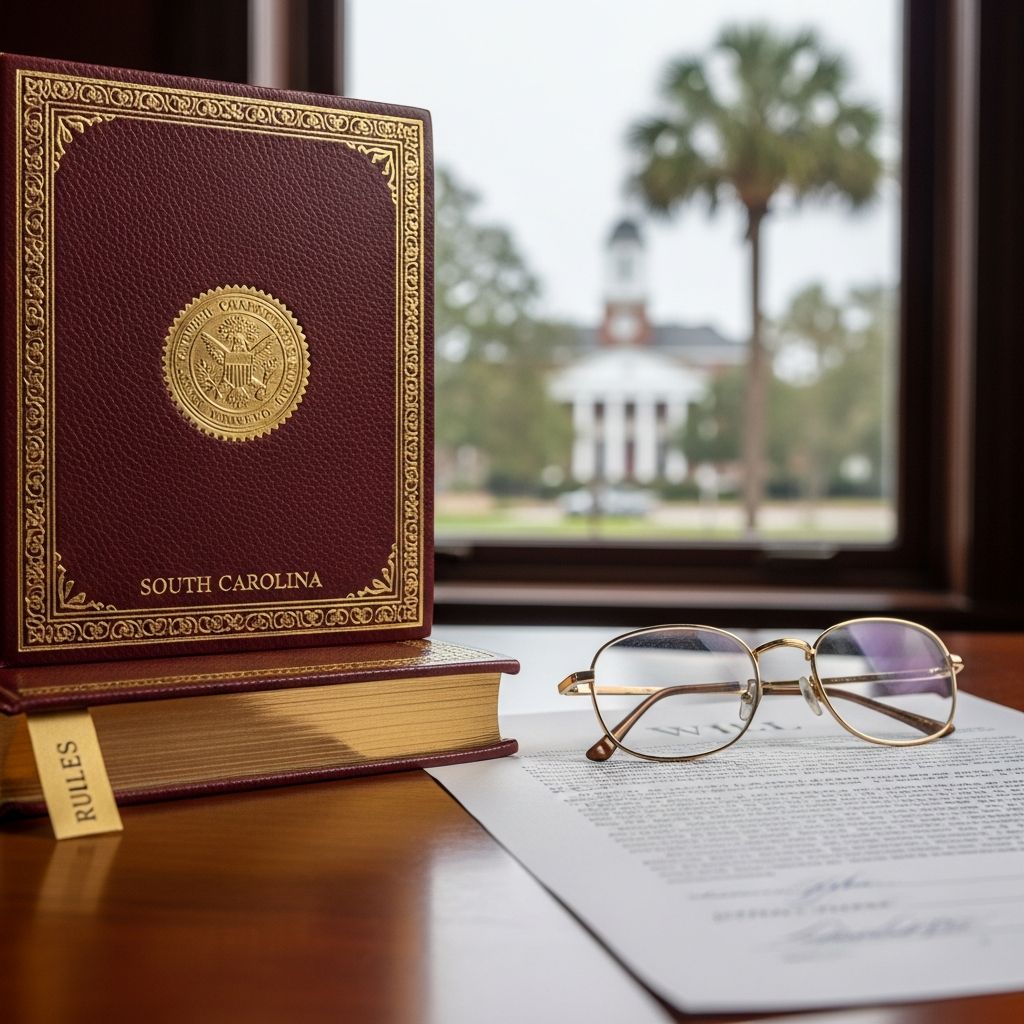
In South Carolina, selecting the right person to manage a deceased individual’s estate during probate is a critical decision. The executor, also known as the personal representative, handles everything from asset collection to debt payment and final distribution to heirs. State law outlines clear qualifications and potential barriers to ensure the role is filled by someone capable and trustworthy. Understanding these rules helps testators make informed choices in their wills and prepares named individuals for the responsibilities ahead.
Core Qualifications for Estate Executors in South Carolina
Every state imposes baseline standards for those serving as executors, and South Carolina is no exception. To be eligible, a potential executor must meet two fundamental criteria established by statute.
- Minimum Age Requirement: The individual must be at least 18 years old. This ensures the person has reached legal adulthood and possesses the maturity needed for complex financial and legal tasks.
- Mental Competency: The candidate must be of sound mind, meaning they have not been declared legally incapacitated by a court. This safeguards against mismanagement due to cognitive impairments.
These requirements form the foundation of executor eligibility. Unlike some states with additional hurdles like residency mandates, South Carolina keeps the entry bar straightforward, focusing on age and capacity. Once qualified, the court issues letters of administration, granting official authority to act on behalf of the estate.
No Felony Conviction Ban: A Unique Aspect of SC Law
One notable distinction in South Carolina probate law is the absence of a statutory prohibition against felons serving as executors. While many jurisdictions automatically disqualify individuals with felony records, SC does not impose this blanket restriction. This flexibility allows testators greater freedom in naming trusted family members or friends, even if they have past convictions.
However, this does not mean felons are immune from scrutiny. Courts retain discretion to evaluate all candidates holistically, as discussed below. Testators should weigh the potential for challenges from heirs or creditors when making such appointments.
Court’s Authority to Assess Executor Suitability
Beyond basic qualifications, South Carolina probate courts hold significant power to approve or reject nominated executors. If concerns arise about a named individual’s fitness, the court can deem them “unsuitable” after formal proceedings.
This process unfolds as follows:
- Filing and Notice: Interested parties—such as spouses, heirs, or creditors—may petition the court to question the executor’s qualifications.
- Hearing: A judge conducts a formal hearing where evidence is presented by all sides. The court examines factors like integrity, financial responsibility, and potential conflicts of interest.
- Decision: If unsuitable, the judge removes the appointee and selects an alternative, prioritizing the estate’s best interests.
Such hearings are rare but underscore the judiciary’s role in protecting estates from mismanagement. Statutes like S.C. Code § 62-3-414 empower this oversight.
Special Prohibition on Probate Judges Serving as Executors
To prevent conflicts of interest, South Carolina law bars probate court judges from acting as executors for residents within their jurisdiction. This rule applies unless the judge is a close family member and the role does not interfere with judicial duties.
Eligible family members include:
- Spouse
- Parent or child
- Sibling
- Grandparent or grandchild
- Aunt, uncle, niece, or nephew
- In-laws within these degrees
This exception recognizes familial trust while upholding ethical standards.
Appointing Corporate Entities as Executors
Individuals are not the only option; South Carolina permits corporations, such as banks or trust companies, to serve as executors. However, the entity must maintain a physical presence in the state—either headquartered there or with an office, employee, or agent.
| Pros of Corporate Executors | Cons of Corporate Executors |
|---|---|
| Expertise in complex estates | Higher fees |
| Impartiality | Less personal touch |
| Long-term stability | Potential delays in decisions |
Experts recommend corporate appointments only for large, intricate estates or when no suitable individual is available. Personal relationships often yield better outcomes for simpler cases.
Navigating Non-Resident Executors in South Carolina Probate
Out-of-state relatives frequently named in wills face no automatic disqualification in South Carolina, unlike stricter states. Non-residents can qualify if they meet age and capacity standards. That said, practical hurdles exist:
- Bond Requirements: Courts may mandate a surety bond to protect the estate, especially for distant executors.
- Travel and Coordination: Managing local assets, court appearances, and creditor claims from afar adds complexity.
- Co-Executors: Pairing a non-resident with an in-state partner can mitigate issues.
Non-residents must still oath before the probate clerk or a notary, submit required documents like the will and death certificate, and obtain letters testamentary.
Key Duties of a South Carolina Executor
Qualifying is just the start; executors bear extensive responsibilities under state law. They must act diligently to settle the estate “expeditiously” per S.C. Code § 62-3-701.
Primary tasks include:
- Asset Inventory: Locate, secure, and appraise all property, often hiring professionals.
- Probate Initiation: File the will, publish notice (probate stays open at least 8 months), and notify heirs.
- Debt and Claim Management: Review creditor submissions, pay valid ones, and defend denials.
- Tax Compliance: Prepare and file final income, estate, and inheritance taxes.
- Distribution: Transfer remaining assets to beneficiaries per the will or intestacy laws.
Probate must commence within 10 years of death, though simpler estates close faster. Executors risk personal liability for negligence, so legal counsel is advisable.
Strategic Tips for Naming an Executor in Your Will
Choosing an executor requires balancing trust, capability, and availability. Discuss the role beforehand to confirm willingness. Consider backups in case the primary declines.
For complex estates with real estate, businesses, or disputes, prioritize those with financial acumen or professional support. Waive bond requirements in the will if desired, though courts may override for non-residents.
Intestacy cases follow priority orders: surviving spouse, heirs, creditors, or public administrators.
Potential Pitfalls and How to Avoid Them
Common errors include underestimating time commitments or ignoring family dynamics. Contested estates prolong processes, increasing costs. Heirs may challenge “unsuitable” picks, leading to hearings.
Mitigate by naming co-executors or professionals. Retain estate attorneys early to navigate filings and compliance.
Frequently Asked Questions About South Carolina Executors
Can a felon serve as executor in South Carolina?
Yes, no statute bars felons, but courts can reject unsuitable candidates after a hearing.
Does the executor need to live in South Carolina?
No, non-residents qualify but may need bonds and face logistical challenges.
How long does an executor have to settle an estate?
No fixed timeline, but probate must start within 10 years; most close in 8+ months.
Can a bank be named executor?
Yes, if it has a South Carolina presence; best for complex estates.
What if the named executor declines?
The court appoints the next in the will or per intestacy priority.
References
- South Carolina Restrictions on Who Can Serve as Executor — Nolo. 2024. https://www.nolo.com/legal-encyclopedia/south-carolina-restrictions-who-can-serve-executor.html
- Qualifying as Executor — Nosal Jeter Law. Accessed 2026. https://www.nosaljeterlaw.com/probate-trust-administration/qualifying-executor/
- South Carolina Duties and Responsibilities of an Executor — Kuhn and Kuhn. 2015-07. https://www.kuhnandkuhn.com/files/2015/07/South-Carolina-Duties-and-Responsibilities-Of-An-Executor.pdf
- What to Do if You’re Named Executor in South Carolina — Mack and Mack Law. 2025-10. https://www.mackandmacklaw.com/blog/2025/10/what-to-do-if-you-re-named-executor-in-south-carolina/
- South Carolina Probate Code § 62-3 — SC State House (Official). Accessed 2026. https://www.scstatehouse.gov/code/t62c003.php
Similar Articles








Read full bio of Sneha Tete


