
Opening a Business Bank Account as a Sole Proprietor
Essential guide to establishing financial separation and securing banking services for your sole proprietorship.
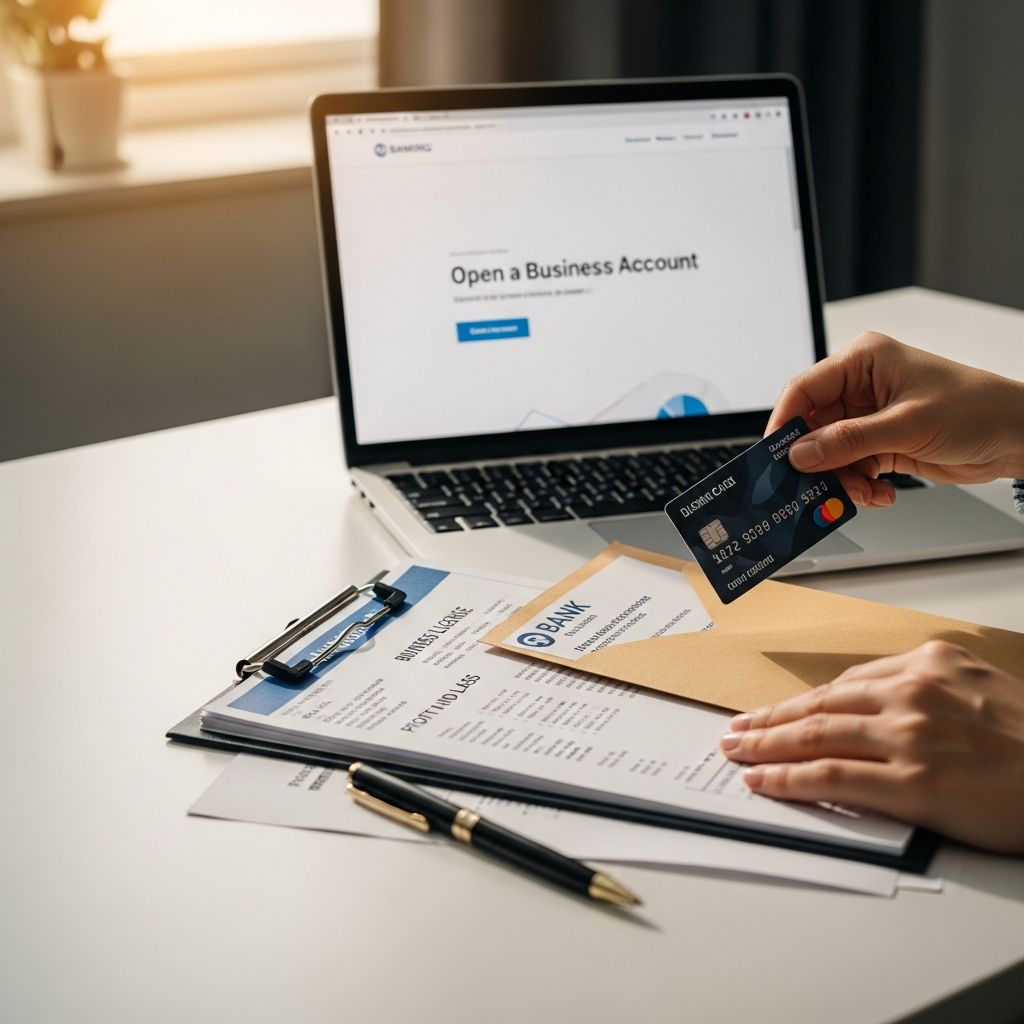
Understanding the Importance of Dedicated Business Banking
Many entrepreneurs operating as sole proprietors often question whether maintaining a separate business bank account is truly necessary. While the law does not mandate that sole proprietors establish a dedicated business account, the practical advantages of doing so far outweigh any perceived inconvenience. Using personal and business finances interchangeably creates complications that can affect your tax filings, complicate accounting processes, and jeopardize your ability to secure future financing.
A dedicated business bank account serves as the foundation for professional financial management. It allows you to maintain clear boundaries between personal expenditures and business operations, making it significantly easier to track income, monitor expenses, and substantiate deductions when tax season arrives. Furthermore, maintaining organized financial records demonstrates credibility to lenders and investors should you seek business loans, lines of credit, or other forms of financing as your operation grows.
Evaluating Your Readiness to Open a Business Account
Before approaching a financial institution, ensure your sole proprietorship has achieved basic operational status. You should have determined your business structure, established an official business name, and ideally obtained an Employer Identification Number (EIN) from the Internal Revenue Service. While some sole proprietors use their Social Security Number for tax purposes initially, obtaining an EIN provides additional privacy and establishes your business as a separate tax entity in the eyes of financial institutions.
Take time to research banks that cater to sole proprietors and small business owners. Different financial institutions offer varying fee structures, minimum balance requirements, and services tailored to different business types and transaction volumes. Some banks provide enhanced features such as integrated accounting software, merchant services, or business credit card options that may align with your operational needs.
Essential Documentation Requirements
Financial institutions are legally obligated to verify both your business identity and your personal identity before opening an account. Prepare the following documents before visiting your bank or completing an online application:
- Personal Identification: Present two forms of government-issued identification, such as a driver’s license, passport, or state ID card
- Business Registration Documentation: Provide proof that your business is registered with a government agency, such as your state’s Secretary of State office, county clerk, or local business licensing authority
- Tax Identification Documentation: Supply either your EIN or your Social Security Number, depending on your business structure and tax filing preferences
- Business Name Documentation: If operating under a doing business as (DBA) name or assumed name, provide the corresponding certificate or filing receipt from your state or county
- Personal Information: Be prepared to provide your date of birth, residential address, and contact information
The specific documents required may vary depending on your state of operation and the particular financial institution’s requirements. Certain states do not require DBA certificates for sole proprietors, while others have specific filing requirements. Contact your bank directly or check your state’s Secretary of State website to confirm which documents apply to your situation.
The Application Process
Most banks now offer multiple pathways to establish a business account: in-person at a branch, through online applications, or via mobile banking platforms. Each method has distinct advantages depending on your schedule and comfort level with digital processes.
In-Person Account Opening
Visiting a branch allows you to speak directly with a banking representative who can answer questions and guide you through the application process. The representative will verify your documents, collect your personal information, and explain the terms and conditions of your account. Most banks prefer that sole proprietors be present in person, though some allow authorized representatives to open accounts on behalf of the owner if proper documentation and notarization are provided.
Online Account Opening
Many financial institutions now streamline the application process through their websites. You’ll upload digital copies of your identification and business documents, complete the application electronically, and may receive account approval within hours or days. Online applications offer convenience, though you may need to visit a branch to verify your identity or collect your debit card and account materials.
Mobile and Alternative Channels
Some digital-first banks and fintech companies specializing in small business banking allow you to complete the entire account setup through a mobile application. These alternatives often feature lower fees and simpler processes, though they may offer fewer in-person services compared to traditional banks.
Information Your Bank Will Request
Beyond standard identification and business documentation, banks gather additional information to understand your business operations and assess risk factors. Be prepared to provide the following details:
| Information Category | Details Required |
|---|---|
| Business Operations | Nature of your business, products or services offered, and business model |
| Revenue Projections | Expected annual sales volume and typical transaction amounts |
| Transaction Patterns | Monthly transaction volume, frequency of deposits, typical withdrawal patterns |
| Business Locations | Number of physical locations and geographic areas served |
| Staffing | Number of employees and whether you have additional authorized signers |
| Vendor and Customer Information | Geographic locations of suppliers and customer bases |
Providing accurate and detailed information helps the bank tailor your account to your specific needs and ensures you receive appropriate features and service levels for your business type.
Selecting Account Features and Services
Once your application is approved, you’ll choose the specific account features that align with your business needs. Consider the following elements when customizing your account:
- Account Type: Most sole proprietors establish a business checking account, though some also open business savings accounts for cash reserves or emergency funds
- Authorized Signers: Determine whether you need additional authorized signers such as a spouse, business partner, or trusted employee who can access and manage the account
- Debit Card Services: Request a business debit card linked to your account for convenient spending and expense tracking
- Online Banking Access: Enable online banking and mobile app access to monitor account balance, transfer funds, and review transactions remotely
- Business Credit Card: Consider applying for a separate business credit card to maintain additional financial separation and build business credit history
- Merchant Services: If accepting customer payments via credit or debit cards, arrange merchant processing services with your bank or a third-party provider
- ACH and Wire Services: Activate ACH (Automated Clearing House) transfer capabilities for recurring vendor payments or customer refunds
Understanding Minimum Balance and Fee Structures
Different banks impose varying requirements regarding minimum account balances and monthly maintenance fees. Some institutions waive monthly fees if you maintain a specified average balance, typically ranging from $1,000 to $10,000. Others may require a minimum number of monthly transactions or direct deposits to avoid fees. Review the fee schedule carefully and calculate whether the account terms align with your typical cash flow patterns.
Additionally, inquire about fees for specific services such as wire transfers, stop payments, overdraft protection, and non-sufficient funds (NSF) charges. These ancillary fees can accumulate and significantly impact your overall banking costs. Comparing fee structures across multiple banks may reveal more favorable terms that better suit your operational requirements.
Post-Account Opening: Maintaining Financial Separation
After your account is activated, implement disciplined practices to preserve the separation between business and personal finances. Establish the following habits:
- Direct all business income exclusively to your business account
- Process all business expenses through your business checking or credit card account
- Avoid using the business account for personal purchases, even temporarily
- Reconcile your business account monthly to monitor cash flow and catch discrepancies
- Maintain organized records of all transactions for tax preparation and potential audit defense
Tax Advantages and Accounting Benefits
Maintaining a dedicated business account simplifies tax preparation and maximizes your ability to claim legitimate business deductions. Clear separation of business and personal finances provides documentation that substantiates deductions claimed on your tax return. When tax season arrives, you’ll have comprehensive transaction records that clearly delineate which expenses qualify as business deductions, potentially reducing your overall tax liability.
Additionally, organized financial records streamline accounting processes if you employ a bookkeeper or accountant. Rather than requiring them to sort through mixed personal and business transactions, they can work directly with your business account statements, increasing efficiency and reducing professional fees.
Building Business Credit and Accessing Financing
A dedicated business bank account serves as the first step in establishing separate business credit. Over time, maintaining a positive account history with regular deposits, responsible spending patterns, and no overdrafts builds credibility with lenders and credit bureaus. This track record becomes invaluable when you seek business loans, equipment financing, or lines of credit to expand operations or manage seasonal cash flow fluctuations.
Lenders evaluate business accounts as evidence of your company’s financial stability and your ability to manage business finances responsibly. A well-maintained account demonstrates that your business generates consistent revenue and maintains adequate cash reserves.
Frequently Asked Questions
Q: Can I use my personal account for sole proprietorship transactions?
A: Legally, you may use a personal account for your sole proprietorship, but doing so creates complications with tax documentation, deduction substantiation, and future financing. A dedicated business account is strongly recommended despite not being legally required.
Q: What identification documents do I need to open a business account?
A: Bring two forms of government-issued identification such as a driver’s license, passport, or state ID. You’ll also need documentation proving your business is registered with your state or local government agency.
Q: Do I need an EIN to open a business account as a sole proprietor?
A: While not always required, having an EIN is highly recommended. Many banks prefer it, and it provides tax privacy while establishing your business as a separate tax entity. You can use your Social Security Number if you haven’t obtained an EIN yet.
Q: How long does the account opening process take?
A: In-person applications typically take 20-30 minutes at your bank branch. Online applications may be approved within hours or up to several business days, depending on the bank’s verification procedures.
Q: Are there minimum balance requirements for business checking accounts?
A: Most banks impose minimum balance requirements ranging from $500 to $10,000 to waive monthly maintenance fees. Some alternatives may have no minimum balance but charge monthly fees instead.
Q: Can I have authorized signers on my business account?
A: Yes, you can designate authorized signers such as employees or family members. Some banks allow pre-authorization during account opening, while others require authorized signers to visit the branch in person with identification within a specified timeframe.
Q: What information should I provide about my business operations?
A: Be prepared to discuss your business type, products or services, expected annual sales, monthly transaction volume, number of employees, and geographic areas you serve. This information helps the bank tailor your account appropriately.
Q: Should I open a business savings account in addition to checking?
A: Many sole proprietors benefit from a separate business savings account for maintaining cash reserves or setting aside funds for taxes and operational expenses. This additional account helps with cash management without affecting your primary checking account balance.
Q: How does a business bank account help with taxes?
A: A dedicated business account provides clear documentation of business income and expenses, making it easier to substantiate deductions and complete accurate tax filings. This separation also simplifies accounting if you work with a professional bookkeeper or accountant.
References
- Sole Proprietorship Application Requirements — Bank of America. 2025. https://business.bankofamerica.com/en/deposits/checking-accounts/sole-proprietership-application-requirements
- Business Bank Account Information – Opening a Business Bank Account — JPMorgan Chase & Co. 2025. https://www.chase.com/business/resources/business-bank-account-information
- Why Sole Proprietors Need a Business Bank Account — WaFd Bank. 2025. https://www.wafdbank.com/articles/small-business/sole-proprietors-need-business-bank-account
- How to Open A Business Bank Account: What You Need — Wells Fargo. 2025. https://www.wellsfargo.com/biz/required-documents/
- Open a Business Checking Account Online — PNC Bank. 2025. https://www.pnc.com/en/small-business/banking/business-checking-overview/basic-business-checking-account.html
Similar Articles








Read full bio of Sneha Tete


